Joesler Interior Renovation in Tucson, Arizona
Joesler Interior Renovation

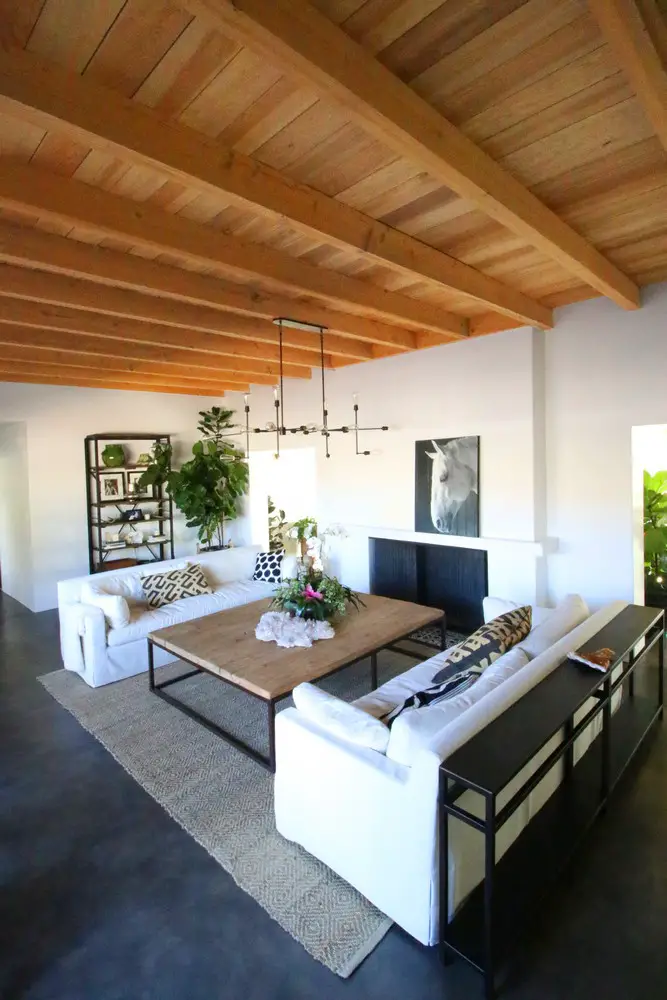
Architects: hazelbaker rush – before the renovation this Tucson foothills home -originally built in 1944 and designed by renowned architect Josias Joesler- was a dated peachy tan with light blue trim and bore all the suffering of a good home subjected to an 80’s re-styling.
Cross-Grain House in Bee Cave, Austin

Cross-Grain House

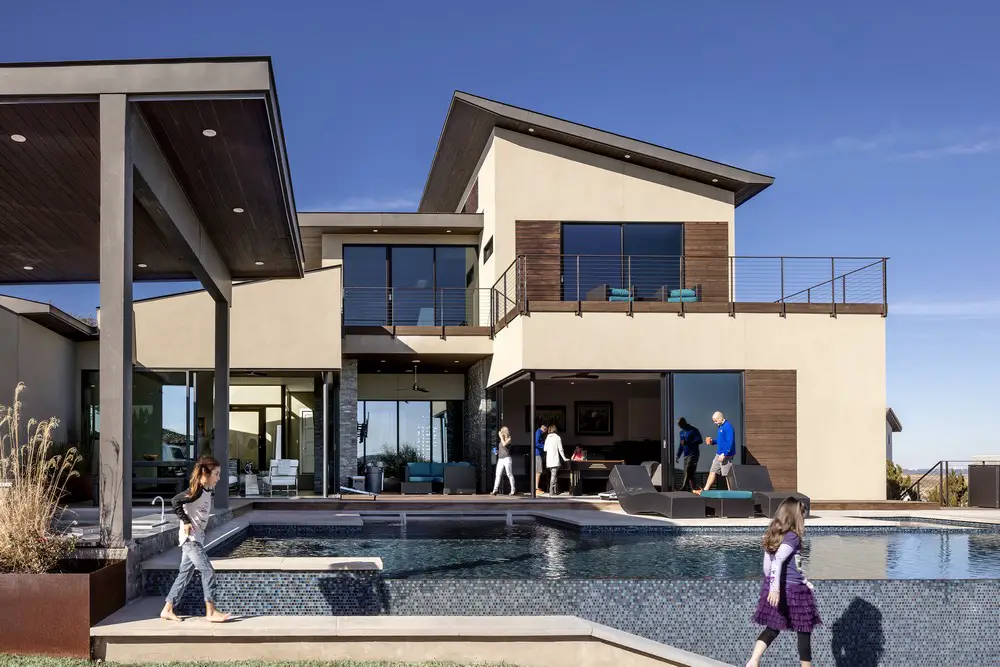
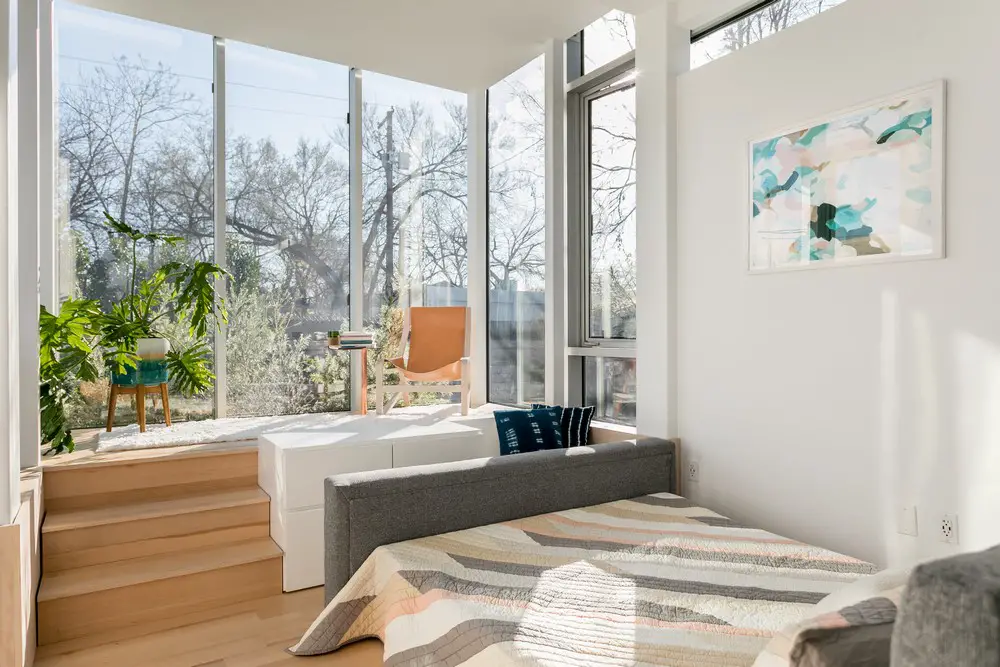
Design: Matt Fajkus Architecture – the Cross-Grain House is called so because of its relationship to the unique hill-country setting on which it sits. Dynamic topography establishes a ‘grain’ upon which the major living spaces of the house are arranged.

Tiny Homes in America by Kasita, USA

Tiny Homes in America

Housing in America is broken. While the economy has changed, housing hasn’t. There’s a tremendous need for thinking differently to solve the problem. US designers Kasita is committed to solving the complexities of the housing crisis with an elegantly simple solution

Strass Residence in Austin, Texas property

Strass Residence

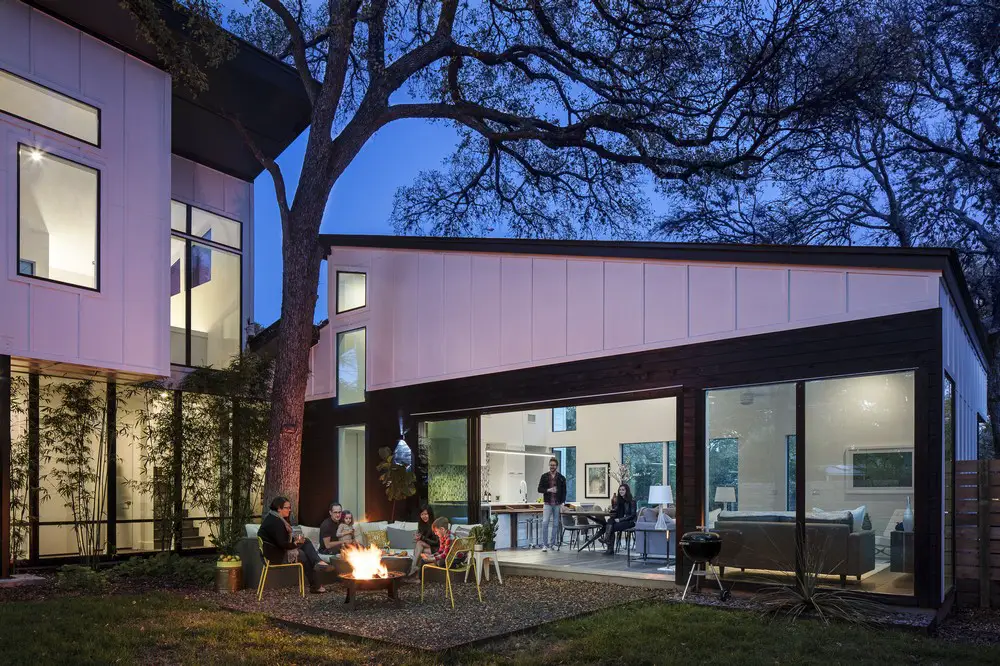
Design: Matt Fajkus Architecture – the L-Shaped configuration of the Strass Residence aims to subtly incorporate itself into the existing neighborhood fabric, while tucking the larger two-story private wing away from the street.

Summit Haus in Park City, Utah residence, USA

Summit Haus

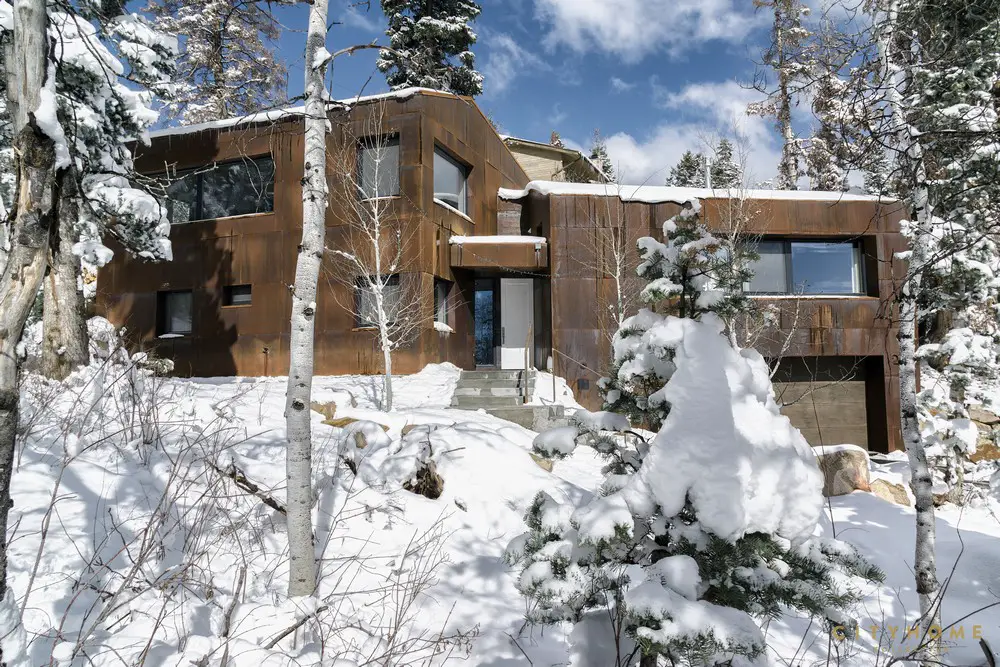
Architects: Park City Design+Build – with rising carbon emissions leading to global warming, this house strives to show that sensible, good design can create spaces adequate for today’s housing demands while adhering to strict standards.

Workforce Housing Buildings in Newark, NJ, USA

Workforce Housing Buildings

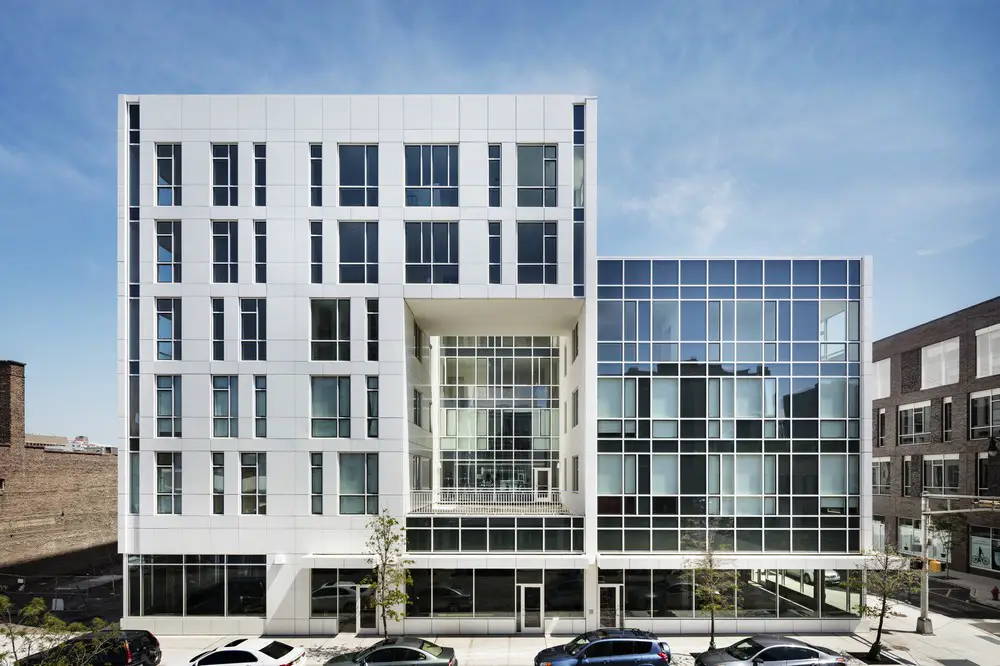
Design: Richard Meier & Partners Architects – three new Workforce Housing Buildings in Newark, New Jersey: these new buildings provide 123 residential units and a variety of retail spaces.

The Shenandoah Valley Discovery Museum Winchester

The Shenandoah Valley Discovery Museum

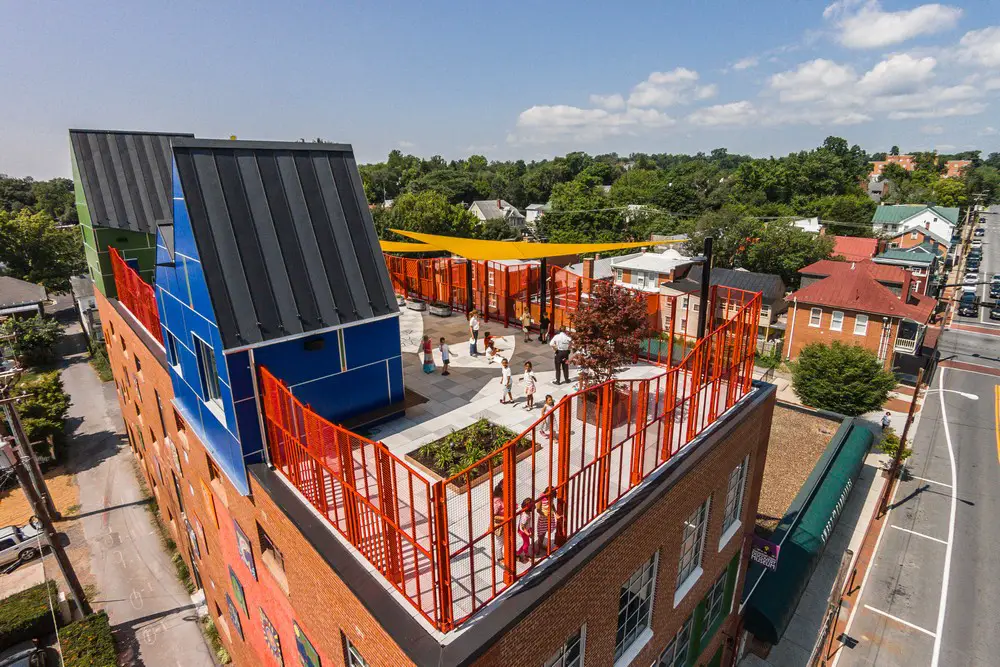
Design by Reader & Swartz Architects – this was a plain, utilitarian, three story brick building. It was originally constructed for the Schewels Furniture Company, in the historic downtown, in the late 1940’s.

Das Swartzenreader Haus in Winchester

Das Swartzenreader Haus

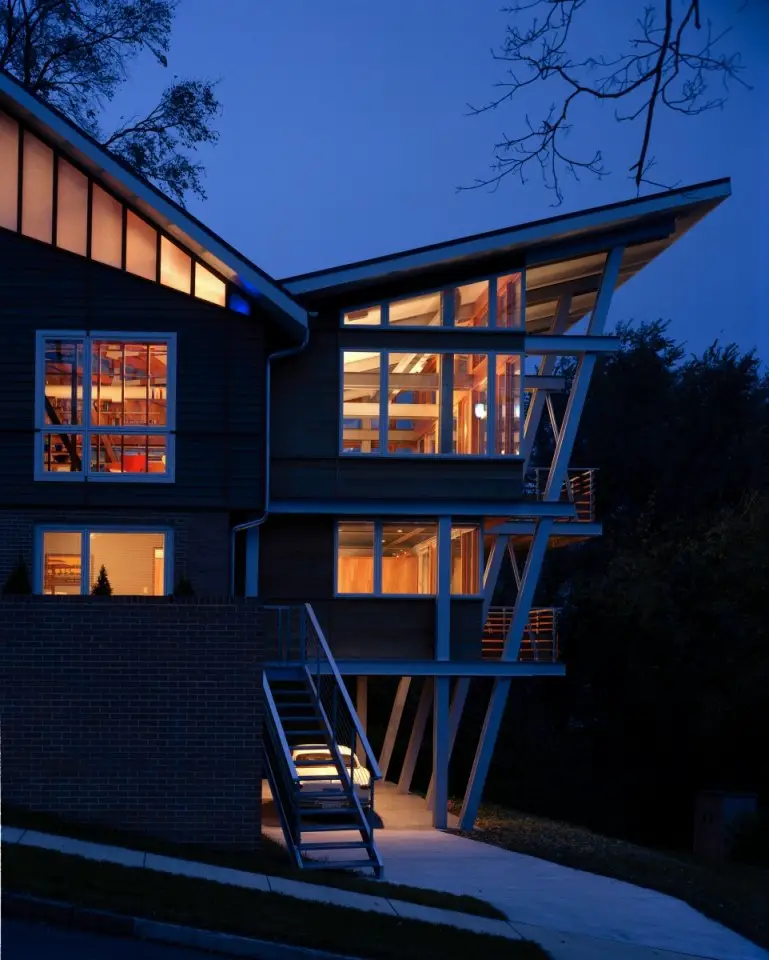
Design: Reader & Swartz Architects – this house was originally built in the late 1960’s, with a 4/12 gable roof and a second floor that cantilevered two feet past the first floor. The house sits on the top of a hill, on a small, steep, corner lot, within an established neighborhood.

Deep Point Road House in Montross, Virginia

Deep Point Road House

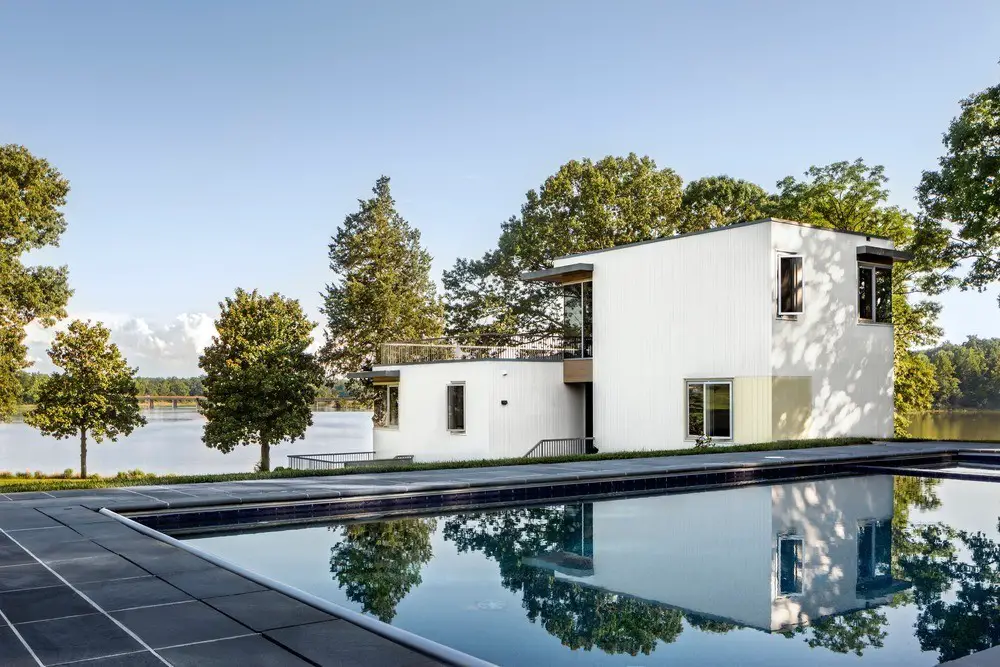
A 1950s ranch house failed to make the most of its 17-acre site overlooking two converging creeks. The owners engaged BFDO Architects to enlarge the house and take advantage of the sweeping vistas and light reflected off the water.

Copine Restaurant in Seattle, Washington

Copine Restaurant

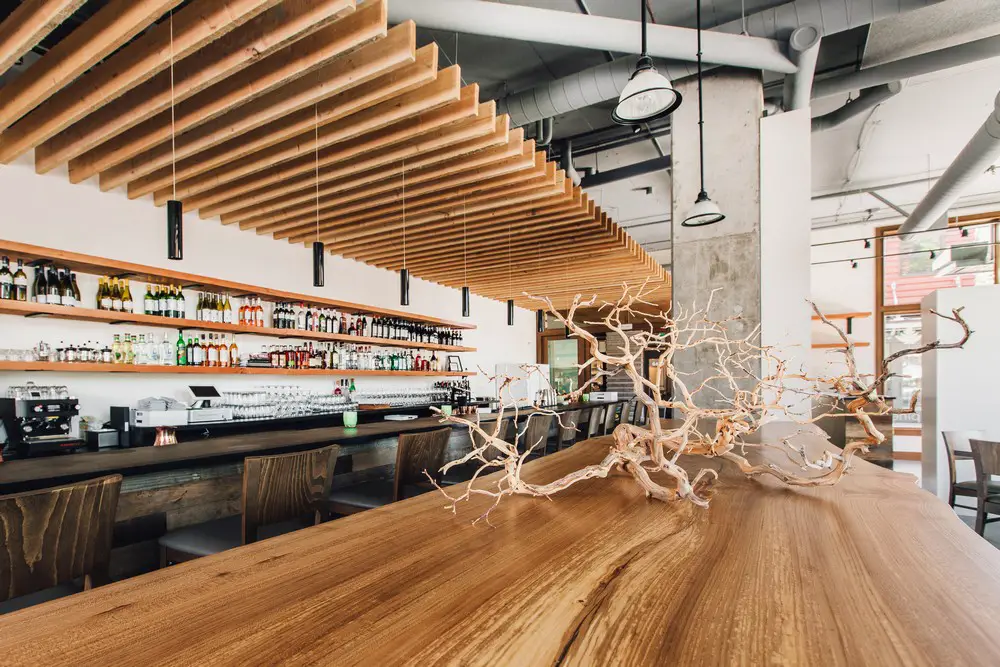
Architects: Olson Kundig – the design of Copine frames the open kitchen, offering guests a view into the artistry behind chef Shaun McCrain’s approach to contemporary American cuisine highlighted with classic French cooking techniques.

Bigwood Residence in Ketchum, Idaho home

Bigwood House

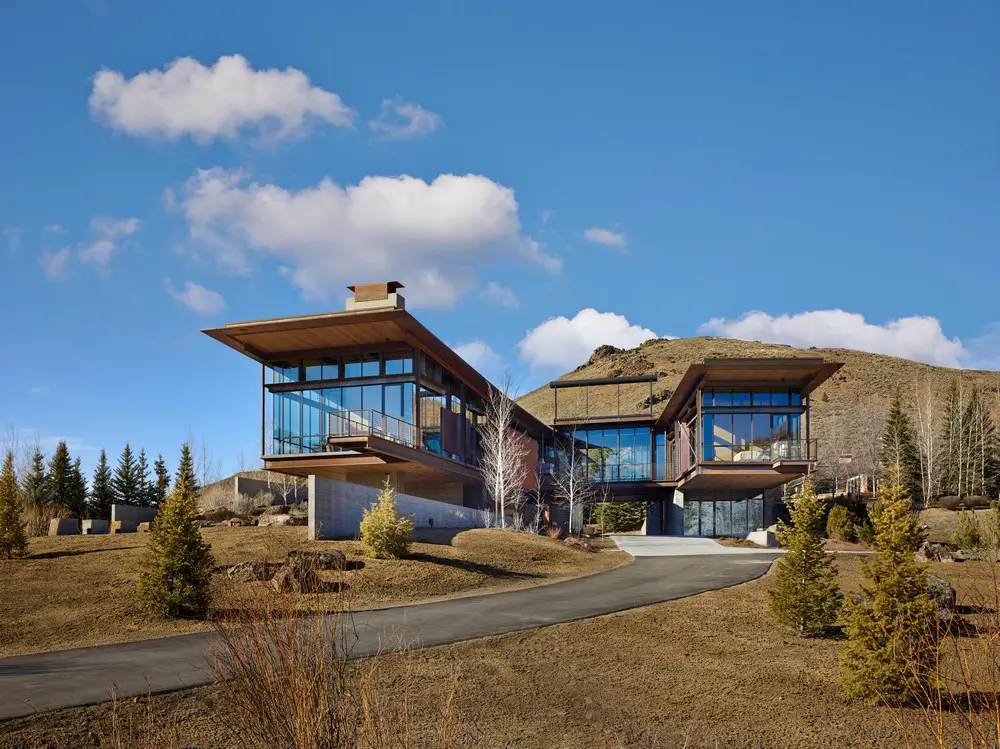
Architects: Olson Kundig – the Bigwood Residence invites the outdoors in at nearly every turn, with expansive windows and wide-swinging doors that celebrate the interior/exterior connection.

The Pierre on San Juan Islands, Washington

The Pierre

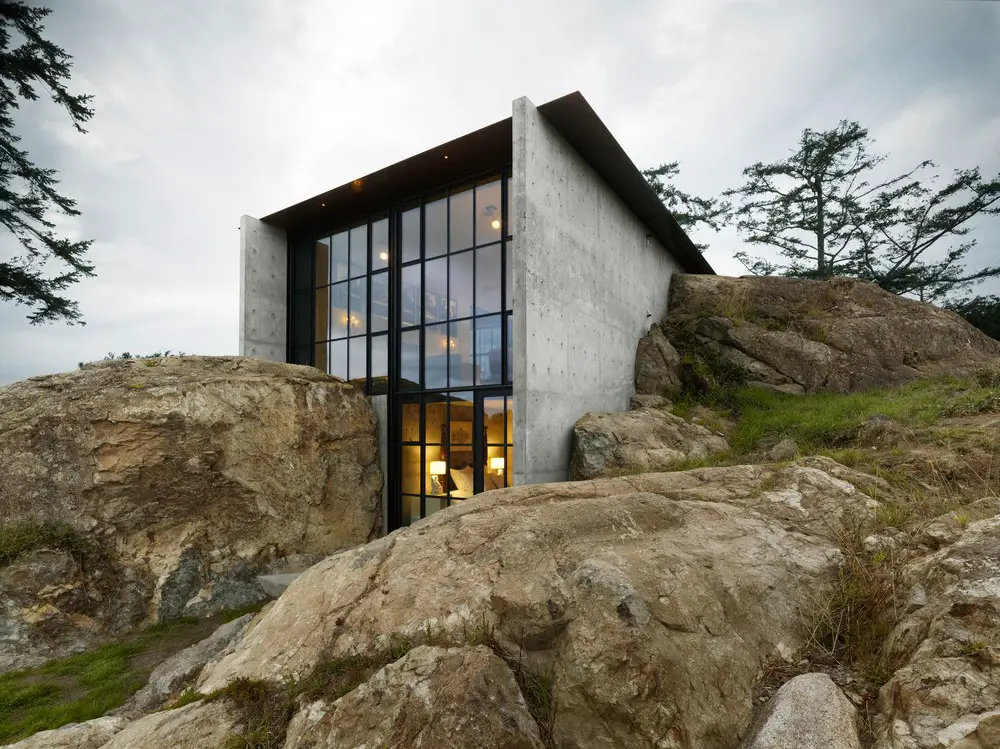
Architects: Olson Kundig – conceived as a secure and unexpected retreat nestled into a rock, the Pierre celebrates the materiality of this site. From certain angles, the house almost disappears into nature.

Cleveland Civic Core Complex, Ohio

Cleveland Civic Core Complex

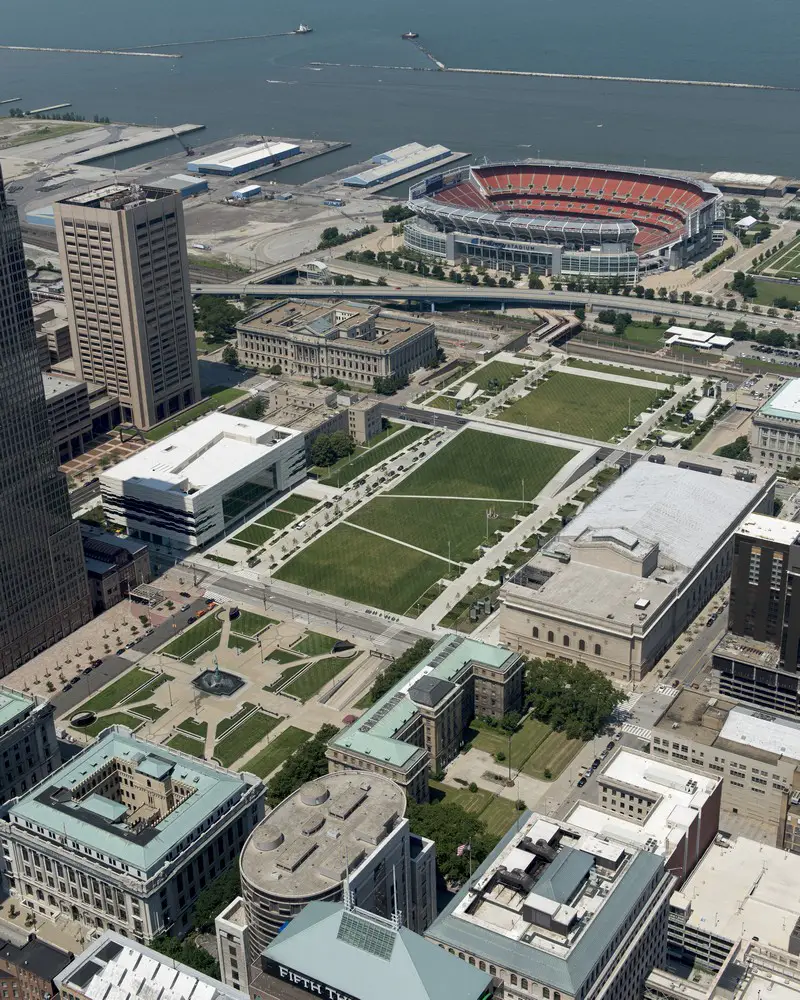
Design: LMN Architects – the Global Center for Health Innovation extends the convention center’s capacity to host a variety of events. The building completes the west edge of the Mall and is connected to the convention center through a below-grade entry.

Studhorse Outlook in Washington, USA

Studhorse House

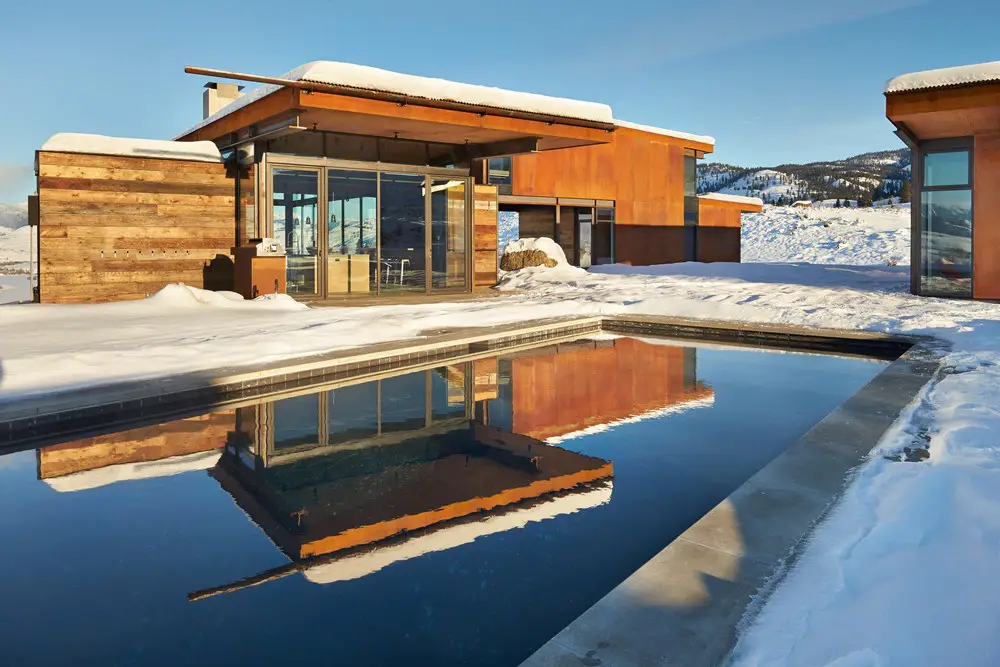
Architects: Olson Kundig – Studhorse Outlook exemplifies the architect’s belief that his job is to create an experience of place. Riffing on the tradition of circling wagons, the buildings – four small, unattached structures – are scattered around a central courtyard and pool.