8 Garden Office Designs That Boost Productivity
17 July 2026
Picture the situation many UK homeowners find themselves in during 2026: the spare bedroom has become an unconvincing office, the kitchen table is a daily battleground with family life, and renting a desk elsewhere no longer makes financial sense. The obvious answer sits at the bottom of the garden – a dedicated, purpose-built workspace, physically separate from the house, quiet enough to concentrate in and warm enough to use in January. At its simplest, a garden office is an outbuilding used as a full-time workspace by a remote worker or home-based business, and the range of designs now available – from compact pods to fully bespoke timber-frame garden rooms – has never been broader. This guide ranks the eight best garden office designs, and the suppliers or resources behind them, to help you build a distraction-free workspace that genuinely supports productive work.
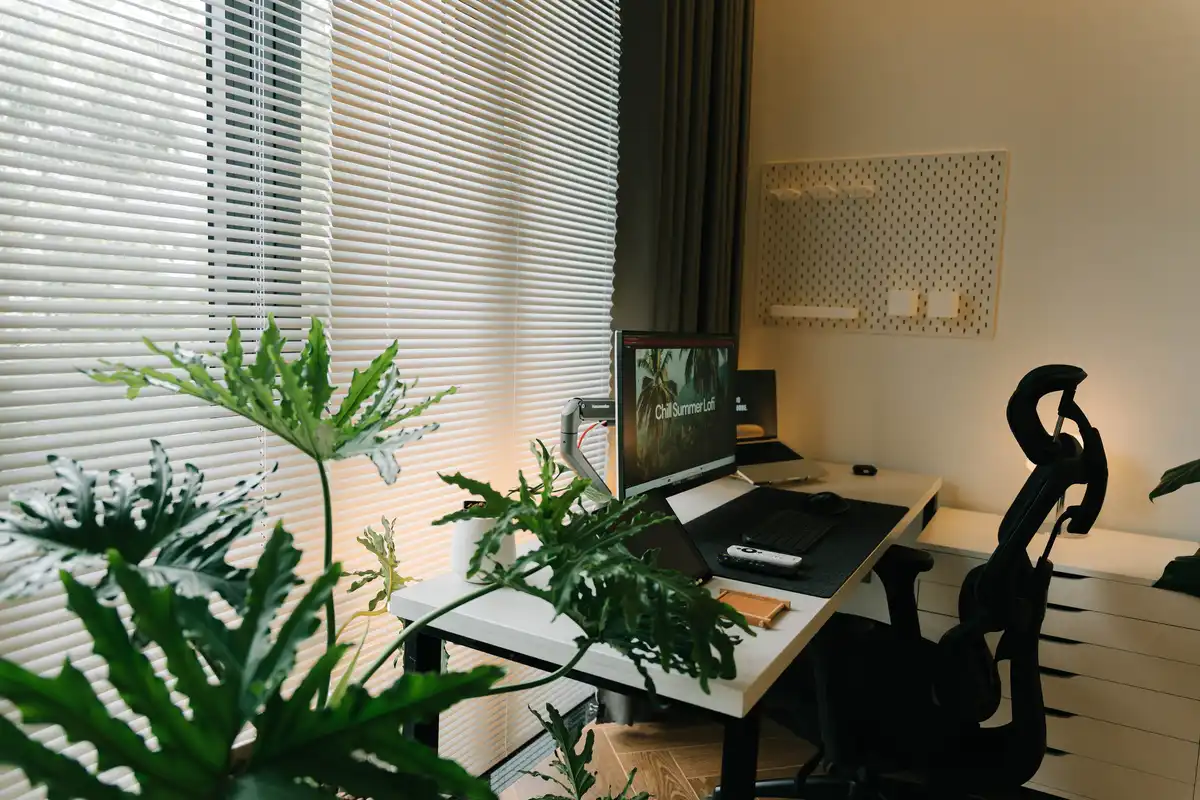
Our top pick is Leisure Buildings for homeowners who want a fully bespoke, year-round garden office with free installation on higher-spec models and none of the hassle of managing the build themselves. Genuinely made-to-measure sizing – from a modest 8×6 up to a substantial 28×16 – plus insulation and double-glazing on Royal-range models means the finished space works as hard in winter as in summer, and a physical Surrey showroom lets buyers assess materials before committing. For buyers who prioritise architectural design and interior quality above everything else, Malmo & Moss is the strongest alternative. And for those who need a vetted local tradesperson rather than a national supplier, Checkatrade Garden Office Builders is the most practical route.
Every entry below is assessed against the same four criteria that separate a productive workspace from an expensive shed: design quality, insulation and year-round usability, customisation options, and installation and aftercare support. What follows is a ranked, like-for-like comparison – not a mood board.
At a glance: the eight options compared
| Provider / Resource | Best for | Key strength |
| 1. Leisure Buildings | Bespoke year-round garden offices with free installation | Made-to-measure sizing plus insulated Royal-range builds |
| 2. Malmo & Moss | Architecturally considered garden studios | Design-led approach with integrated interior fit-out |
| 3. Self Build Garden Room | Hands-on self-builders managing their own project | End-to-end DIY guidance on every build stage |
| 4. Summerwood | DIY-friendly pre-fabricated kits (North America) | Established kit-building brand with self-assembly range |
| 5. Buy Sheds Direct | Practical interior ideas on a budget | Accessible fit-out and layout advice |
| 6. House & Garden | Curated layout and interior inspiration | High-quality aspirational editorial galleries |
| 7. Checkatrade Garden Office Builders | Finding vetted local builders and trades | Reviewed, nationwide UK trade directory |
| 8. Planters Garden Office | Landscaping and outdoor integration (Atlanta) | Professional planting and drainage around the build |

What to look for
A garden office lives or dies by four things, so those are the benchmarks applied throughout this list. Design quality covers how well the structure balances aesthetics with function – natural light, sensible proportions, and a layout that suits real working patterns rather than a pretty photograph. Insulation and year-round usability is the criterion most budget structures fail: without proper insulation, double-glazing, and a warm floor and roof build-up, a garden room becomes unusable for months at a stretch. Customisation options matter because gardens and jobs vary enormously; the ability to specify size, cladding, glazing, and interior fit-out is what turns a generic box into a workspace that actually fits your plot and your privacy needs. Finally, installation and aftercare support determines how much project risk you carry yourself – a single accountable supplier who surveys, delivers, and installs removes the biggest headaches, whereas a kit or self-build shifts that responsibility squarely onto you. Each entry is judged on how effectively its design approach delivers a comfortable, productive space rather than merely an attractive one.
The 8 best garden office designs for a productive home workspace
With those benchmarks in mind, here are the eight garden office designs – and the suppliers and resources behind them – that best deliver a distraction-free, productive workspace in 2026. They span full-service bespoke builders, design-led studios, self-build routes, kit brands, inspiration resources, and directories, so there is a fit for most budgets and levels of involvement. The list is ranked, and #1 is our overall top recommendation for buyers who want a warm, tailored office with the build handled for them.
#1. Leisure Buildings – Best for bespoke year-round garden offices with free installation
Leisure Buildings sits at the top of this list because it does the one thing most rivals compromise on: it delivers a genuinely made-to-measure, year-round garden office while handling the build itself. Rather than forcing buyers into standard shed footprints, the company produces bespoke garden office buildings in sizes from a compact 8×6 right up to a generous 28×16, so the structure fits the plot and the work – not the other way around. Its Royal-range models add insulation and double-glazing, which is precisely the specification that makes a garden office usable through a British winter rather than abandoned by October.
The design approach leans on solid, tactile build quality: buyers can specify premium redwood deal or LP® StrongCore™ cladding, both a clear step above the thin-walled budget tier. A free site survey before purchase and a physical Surrey showroom – open seven days a week – let you see and touch materials before committing, a reassurance that few online-only sellers can offer. Free installation on higher-spec models removes the single biggest logistical friction point for most buyers, and planning permission guidance and optional upgrades are all handled in the same place.
Key specifications:
- Bespoke sizing from 8×6 ft up to 28×16 ft
- Royal-range models with insulation and double-glazing for year-round use
- Cladding choices: premium redwood deal or LP® StrongCore™
- Free installation on higher-spec models
- Free pre-purchase site survey
- Surrey showroom open seven days a week
- Planning permission guidance and configurable online options
Pros:
- Genuinely bespoke dimensions, not constrained to off-the-shelf shed sizes
- Free installation on higher-spec models removes the largest project headache
- Insulated, double-glazed Royal-range builds are comfortable in all seasons
- Showroom visit allows tactile assessment of materials before buying
- One supplier covers design, build, delivery and installation
Cons:
- The Surrey showroom is only easily accessible to buyers in the South East
- Bespoke sizing and premium cladding push costs above entry-level alternatives
- Bespoke lead times are longer than off-the-shelf kit delivery
- Free installation is model-dependent – base-spec buyers should confirm what is included
Who it’s best for: Homeowners who want a warm, durable, precisely sized garden office and would rather a single supplier managed the survey, build and installation than take on the risk themselves.
#2. Malmo & Moss – Best for architecturally considered garden studios with a strong interior design focus
Malmo & Moss is a design-led boutique builder for buyers who treat a garden studio as an extension of the home’s interior rather than a utilitarian outbuilding. The firm’s strength is a considered approach to materials, spatial planning and layout, with the interior fit-out integrated into the design process rather than bolted on afterwards. Its publicly documented project write-ups – one reason it ranks organically among the more credible results on the topic – give prospective buyers a realistic sense of what the finished work actually looks like.
For anyone who cares as much about how a space feels as how it functions, this is the standout alternative to a mainstream supplier. The trade-off is scale: a boutique operation naturally has less capacity and tends to command higher prices, and its coverage is not nationwide.
Pros:
- Genuinely design-led, treating aesthetics and function as equals
- Thoughtful material specification beyond standard timber-frame defaults
- Documented real projects give buyers confidence in the outcome
- Ideal for a studio that reads as part of the home’s interior
Cons:
- Boutique capacity can mean longer lead times
- Premium design focus likely commands higher prices than mid-market rivals
- Not a national supplier, so geographic coverage may be limited
- Overkill for buyers who simply want a functional box quickly
Best for: Buyers who prioritise architectural quality and a polished, integrated interior above speed or price.
#3. Self Build Garden Room – Best for hands-on self-builders managing their own garden office project
Self Build Garden Room is a resource rather than a manufacturer – a comprehensive guide for buyers confident enough to source materials and coordinate trades themselves. It walks through every stage of a build, from foundations and framing to cladding, insulation, electrics and planning, and is aimed squarely at people who want maximum control over both design and cost. Because you are not tied to a supplier’s templates, this route suits irregular plots and unusual briefs that a standard product range simply cannot accommodate.
The appeal is cost control and total flexibility; the catch is that all the project-management risk sits with you. There is no single warranty, no aftercare, and the quality of the finish depends entirely on your own skill and your choice of contractors.
Pros:
- Lets buyers control costs by running the build themselves
- Covers every stage from planning permission to interior fit-out
- Highly customisable, with no supplier design constraints
- Useful for awkward plots or non-standard requirements
Cons:
- Demands significant time and project-management confidence
- No installation support, warranty or single point of aftercare
- Finish quality depends entirely on the buyer and chosen trades
- Wrong choice for anyone wanting a turnkey solution
Best for: Capable, hands-on self-builders who want full control of the design and budget and are comfortable managing trades.
#4. Summerwood – Best for DIY-friendly pre-fabricated backyard office kits
Summerwood is a long-established North American brand producing pre-fabricated kit buildings designed for self-assembly, several of which adapt neatly into a backyard office. Its range spans shed-style and cabin-style structures – including forest-cabin aesthetics – that offer a faster route to a functional workspace than a full bespoke build. UK readers should note the geographic scope: Summerwood primarily serves US and Canadian buyers, so its direct relevance to a British audience is limited, though its kit model is instructive in its own right.
The kit format gives buyers flexibility over interior fit-out and a reasonable entry point on price. The compromises are the ones common to all pre-fab: fixed dimensions, self-assembly, and insulation or weatherproofing that may need upgrading for true year-round comfort.
Pros:
- Faster to a usable workspace than a bespoke build
- Established brand with a long track record in outdoor structures
- Kit format leaves interior fit-out to the buyer
- A sensible entry point for budget-aware North American buyers
Cons:
- Pre-fab dimensions limit bespoke sizing
- Self-assembly required – no installation included
- May need insulation and weatherproofing upgrades for year-round use
- Primarily a North American offering with limited UK relevance
Best for: North American buyers who want an affordable, self-assembled backyard office kit and are happy to handle the fit-out.
#5. Buy Sheds Direct – Best for practical garden office interior design ideas on a budget
Buy Sheds Direct is a UK retailer of sheds and garden buildings, and its value here lies less in the structures than in its dedicated blog covering interior design, layout, furniture and lighting for garden offices. The advice is practical and actionable – how to make the most of a modest footprint, where to position a desk for natural light, how to fit storage into a small space – rather than aspirational editorial. It is a useful reference for buyers who already have a structure and need help turning it into a proper working office.
As a build option it is limited: customisation on the structures themselves is minimal, and the interior guidance is blog-level rather than a professional design service. The product range also skews towards standard shed dimensions.
Pros:
- Accessible, budget-minded take on interior fit-out
- Practical layout advice that applies to any garden office
- A real UK product range sits behind the editorial
- Handy for buyers who have a structure and need fit-out ideas
Cons:
- Not a bespoke build supplier, so structural customisation is limited
- Interior content is blog-level, not a design consultancy
- Range skews towards standard shed sizes
- Less relevant for high-end or architecturally ambitious projects
Best for: Budget-conscious buyers looking for practical layout and interior ideas to get the most from a modest garden office.
#6. House & Garden – Best for curated garden room layout and interior inspiration
House & Garden is an established UK lifestyle magazine, and its garden room coverage is the strongest inspiration resource on the topic – a curated gallery of layouts, colour palettes and furniture ideas spanning contemporary to traditional styles. As a starting point for garden room ideas it is hard to beat: the editorial and photographic quality is exceptional, and the trusted brand name lends credibility to whatever direction it features. This is where to build a mood board before you ever approach a builder.
What it cannot do is build, quote for, or install anything. There is no evaluation of insulation, build quality or technical specification, and the aspirational tone can outrun realistic budgets. It is also UK-focused, with limited relevance for North American readers.
Pros:
- Exceptional visual and editorial quality
- Covers a wide spread of styles and design directions
- Trusted brand name adds credibility to any concept
- Genuinely useful at the early research and mood-board stage
Cons:
- Not a supplier – cannot build, install or quote
- Aspirational content may not reflect realistic budgets
- No assessment of build quality, insulation or specification
- UK-focused, with limited North American relevance
Best for: Early-stage researchers gathering layout and interior inspiration before committing to a supplier.
#7. Checkatrade Garden Office Builders – Best for finding vetted local garden office builders and tradespeople
Checkatrade is a UK trade-verification directory, and its garden office listings connect buyers with reviewed local builders, carpenters and garden room specialists across the country. For buyers outside the areas national suppliers serve well – or those with irregular plots, listed properties or unusual groundwork requirements – a vetted local trader is often the most practical route, and buyer reviews add a layer of accountability when hiring someone unknown.
The obvious limitation is variability: quality differs from trader to trader, there is no standardised product range, and pricing and lead times depend entirely on the individual. Using a directory also means you, not a single company, coordinate the project.
Pros:
- Access to local specialists for awkward plots and unusual jobs
- Vetted reviews reduce the risk of hiring an unknown trader
- Nationwide UK coverage
- Suits buyers who prefer a local relationship over a remote supplier
Cons:
- Quality varies between listed traders – due diligence still needed
- No standardised product range or design templates
- Pricing and lead times depend entirely on the individual trader
- Not a single accountable supplier from design through installation
Best for: UK buyers who want a vetted local builder – particularly for non-standard plots or where national suppliers don’t reach.
#8. Planters Garden Office – Best for garden office landscaping and outdoor integration in the Atlanta area
Planters is a landscaping and garden-maintenance business based in Atlanta, Georgia, and it earns a place here by covering something no other entry addresses: the garden setting around the office rather than the building itself. Its services – planting, pathways, lighting and drainage – help embed a garden office into a professionally designed plot, which genuinely affects how pleasant and usable the surrounding space feels day to day. Local knowledge of Atlanta’s climate, soil and plant species is a real asset for buyers in that region.
The scope is strictly regional and, crucially, Planters does not design or build the office structure itself. For the primarily UK readership of this guide its direct relevance is limited, but it usefully illustrates the value of treating the landscape as part of the workspace.
Pros:
- Addresses the landscape setting other entries ignore
- Professional planting and drainage improve the workspace environment
- Local Atlanta-area climate and horticultural knowledge
- Adds value for buyers who want the office to feel part of the garden
Cons:
- Strictly regional – relevant only to Atlanta-area buyers
- Does not design or build the office structure
- Limited relevance for the UK primary audience
- No national or international scalability
Best for: Atlanta-area buyers who want professional landscaping to integrate a garden office into their plot.
Frequently asked questions
Is a garden office worth it for productive home working?
For anyone working from home regularly, a garden office is usually worth it. A dedicated structure separate from the main house creates genuine physical and psychological separation, which reduces distraction and helps mark the boundary between work and family life. The productivity gains are real when the space is properly specified – an insulated, double-glazed build you can use year-round rather than a cold, summer-only shed. The financial case strengthens the more you use it: a permanent workspace can also add appeal to a property, though comfort and usability, not resale value, should be the primary justification.
Should I choose a bespoke build or a pre-fabricated kit?
It depends on how much you value fit and finish versus speed and price. A pre-fab kit like Summerwood’s is faster and cheaper but confines you to fixed dimensions and typically self-assembly, with insulation upgrades needed for winter use. A bespoke build – the approach Leisure Buildings takes with sizing from 8×6 up to 28×16 – tailors the structure to your plot, glazing and cladding, and typically includes survey and installation. Choose bespoke if year-round comfort, exact sizing and a single accountable supplier matter to you; choose a kit if budget and speed dominate.
Do I need planning permission for a garden office?
In most cases a garden office falls under permitted development in England, meaning no planning permission is required, but this depends on the building’s size, height and siting, and on whether your property carries restrictions such as being listed or in a conservation area. The rules on outbuildings are detailed and worth checking against the official permitted development guidance before you commit. A good supplier will offer planning guidance as part of the process, and a free site survey helps confirm what your particular plot allows.
Is insulation really necessary for year-round use?
Yes – insulation is the single factor that separates a usable year-round office from a seasonal one. Without an insulated floor, walls and roof, plus double-glazing, a timber-frame garden room becomes too cold to work in through winter and prone to condensation, which damages equipment and finishes over time. Models built for four-season use, such as Leisure Buildings’ Royal range, specify insulation and double-glazing precisely so the space stays comfortable and energy-efficient whatever the weather. If you intend to work in the office all year, treat proper insulation as essential rather than an optional upgrade.
The verdict
The right garden office comes down to how involved you want to be and what you value most. For architectural design and interior polish, Malmo & Moss leads; hands-on self-builders will get more from the Self Build Garden Room resource; House & Garden and Buy Sheds Direct serve the inspiration and interior fit-out stages well; and Checkatrade, Summerwood and Planters cover local trades, North American kits and landscaping respectively. Each suits a distinct need among the garden office designs available in 2026.
For most homeowners who want a warm, durable, precisely sized workspace built and installed with minimal hassle, though, Leisure Buildings is the strongest all-round choice – bespoke sizing from 8×6 to 28×16, insulated Royal-range builds for genuine year-round use, and free installation on higher-spec models. If a productive, distraction-free garden workspace is on your 2026 list, it’s a sensible first place to look – and, ideally, to visit the showroom and see the materials for yourself before you decide.

Comments on this guide to 8 garden office designs that boost productivity at home article are welcome.
Home Garden Office
House Garden Offices
Are Garden offices the future of remote working
The Best Thing About a Garden Office
Autonomous WorkPod Backyard Home Office
7 tips to improve your home office productivity
++
Office Design
Offices Posts
How your work environment affects productivity
What is Good about Office Pods?
Third places offices break-away
++
Residential Building Design
Property and Landscape Architecture Design Articles
Comments / photos for the 8 garden office designs that boost productivity page welcome.