The Role of Window Shutters in Contemporary Residential Architecture
29 June 2026
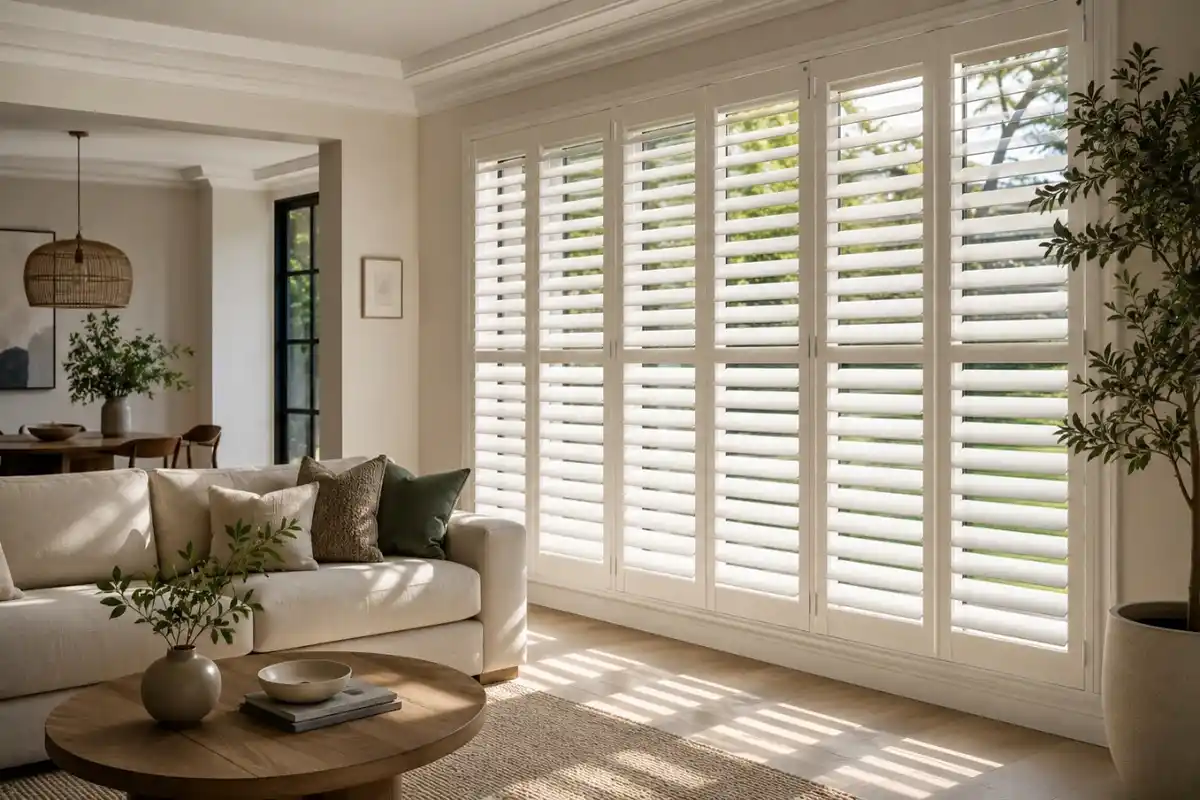
Window design has always been a defining element of residential architecture. Beyond providing natural light and ventilation, windows influence a building’s character, energy performance, privacy, and relationship with its surroundings. As homeowners increasingly seek a balance between aesthetics and functionality, interior window shutters have become an important architectural feature rather than simply a decorative addition.
Contemporary residential architecture places great emphasis on creating adaptable, energy-efficient living environments. In this context, window shutters offer practical benefits while complementing a wide variety of architectural styles, from traditional cottages to minimalist new-build homes.
Enhancing Architectural Character
The appearance of a home is often defined by its windows. Carefully selected shutters can emphasise proportions, frame external views, and create visual harmony throughout a property.
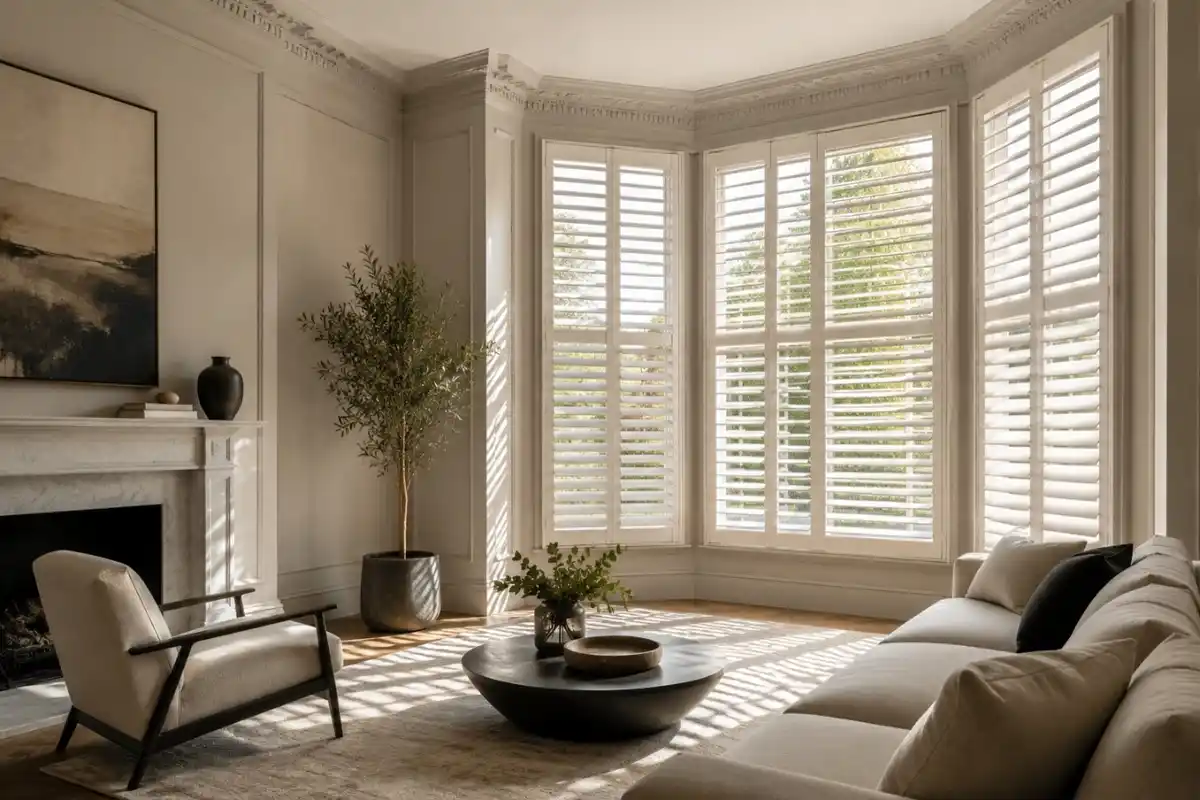
Unlike temporary window coverings, fitted shutters become an integral part of the building’s interior architecture. Their clean lines and permanent installation allow them to complement both period properties and contemporary residences without overwhelming the overall design.
Architects frequently consider window treatments during the early stages of residential planning, ensuring they work cohesively with flooring, wall finishes, lighting, and furniture layouts.
Managing Natural Light
One of the greatest advantages of shutters is their ability to provide precise control over daylight. Adjustable louvres allow occupants to regulate sunlight throughout the day, reducing glare while maintaining comfortable interior illumination.
This flexibility contributes to improved indoor comfort and reduces reliance on artificial lighting during daylight hours. In open-plan homes, effective light management can significantly influence how different spaces are experienced at various times of the day.
The ability to balance daylight with privacy has become particularly valuable in urban housing, where neighbouring properties are often situated in close proximity.
Supporting Energy Efficiency
Improving a building’s thermal performance has become a priority within modern residential design. While insulation, glazing, and heating systems receive significant attention, window treatments also contribute to energy efficiency.
Well-fitted shutters create an additional insulating layer between the interior and external glazing, helping to reduce heat loss during colder months while limiting excessive solar gain in summer. Although they should not replace high-performance windows, they can complement broader energy-efficiency strategies by improving thermal comfort throughout the year.
As sustainable design continues to evolve, passive measures such as effective shading and insulation remain central to reducing long-term energy consumption.
Privacy Without Sacrificing Design
Privacy is an essential consideration in residential architecture, particularly within densely populated neighbourhoods. Traditional curtains often provide either complete privacy or unrestricted views, whereas shutters allow occupants to achieve both simultaneously.
Adjustable panels can be positioned to maintain privacy at street level while still admitting natural daylight through upper sections of the window. This flexibility supports healthier indoor environments by encouraging greater use of natural light without compromising security or comfort.
Such adaptable solutions have become increasingly relevant as residential developments continue to increase housing density across many towns and cities.
Material Selection and Craftsmanship
Material choice plays a significant role in the longevity and performance of architectural features. Timber remains a popular option due to its natural appearance and durability, while engineered materials offer increased resistance to moisture and temperature fluctuations.
For homeowners seeking bespoke interior solutions, products such as Plantation Shutters by Jacksons Blinds Newcastle demonstrate how carefully manufactured shutters can be tailored to suit individual window configurations while complementing a property’s architectural character.
High-quality craftsmanship not only improves appearance but also ensures reliable operation over many years of everyday use.
Integrating Shutters into Modern Homes
The growing popularity of shutters reflects wider trends within residential architecture that prioritise simplicity, longevity, and functional design. Rather than relying solely on decorative finishes, many homeowners are investing in permanent features that enhance everyday living.
Custom-made solutions from specialists including Lifestyle Shutters Suffolk illustrate how contemporary shutter systems can be designed to integrate seamlessly with diverse architectural styles while addressing practical requirements such as privacy, insulation, and light control.
When specified appropriately, shutters become part of the building’s overall design language rather than an afterthought.
Long-Term Value for Residential Properties
Architectural features that combine visual appeal with practical performance often provide the greatest long-term value. Window shutters require relatively little maintenance, have a long service life, and remain relevant despite changing interior design trends.
For homeowners considering future resale value, permanent architectural improvements are often viewed more favourably than temporary decorative solutions. Well-designed shutters contribute to a home’s presentation while supporting comfort, efficiency, and usability.
As residential architecture continues to evolve, demand is likely to grow for building elements that deliver both aesthetic quality and measurable performance benefits.
Conclusion
Window shutters have become an increasingly important component of contemporary residential architecture. Their ability to regulate natural light, improve privacy, contribute to energy efficiency, and enhance architectural character makes them a valuable addition to modern homes.
Rather than serving solely as decorative accessories, well-designed shutters represent a thoughtful architectural investment that supports both the appearance and long-term performance of residential buildings. By integrating quality materials, precise craftsmanship, and functional design, homeowners and architects can create living environments that remain comfortable, adaptable, and visually appealing for many years to come.
Comments on this guide to Window shutters in contemporary residential architecture article are welcome.
Properties
Recently added Building posts
Building smarter homes from the inside out
Blending Sustainable Engineering with Contemporary Architecture
++
Residential Property Design
Contemporary Property Designs – architectural selection:
Comments / photos for the Window shutters in contemporary residential architecture advice page welcome.