Blending Sustainable Engineering with Contemporary Architecture
June 19, 2026
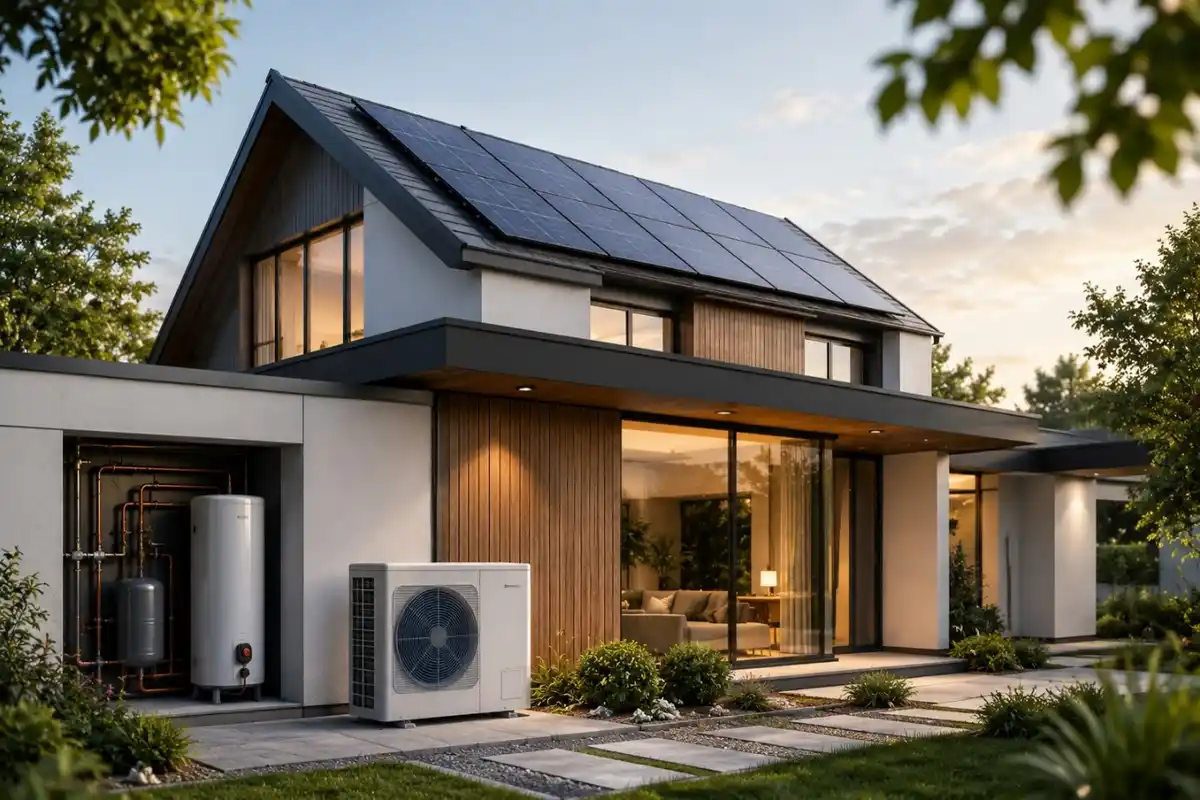
Contemporary architecture is increasingly defined by its ability to balance aesthetics with environmental responsibility. Buildings are no longer judged solely by their visual impact but also by how efficiently they consume energy, manage resources, and contribute to healthier living environments. As sustainability becomes a fundamental design principle, engineering solutions are playing a more visible role in shaping the built environment.
The integration of renewable technologies, efficient heating systems, and intelligent building services is allowing architects to create spaces that are both visually refined and environmentally resilient.
Engineering Building Performance Through Renewable Solutions
Modern architectural projects require building services that complement innovative design while supporting long-term sustainability goals. Renewable technologies are now being considered at the earliest design stages rather than added as secondary features.
Many architects, developers, and homeowners work with Lloyd’s Gas and Renewables for the installation and maintenance of renewable energy systems, heat pumps, solar technologies, underfloor heating, boiler solutions, and energy-efficient plumbing services. Integrating these systems into residential and commercial projects enables buildings to achieve greater operational efficiency while supporting low-carbon design strategies and improving occupant comfort throughout the year.
By combining engineering expertise with architectural planning, projects can deliver both technical performance and design excellence without compromising either objective.
The Evolution of Sustainable Residential Design
Contemporary homes increasingly embrace passive and active environmental strategies that reduce energy demand while improving everyday living conditions.
Common sustainable design features include:
• Air source heat pumps
• Solar photovoltaic systems
• High-performance insulation
• Mechanical ventilation
• Underfloor heating
• Smart energy controls
Together, these technologies create buildings that operate more efficiently while providing consistent indoor comfort.
Architecture and Building Services Working Together
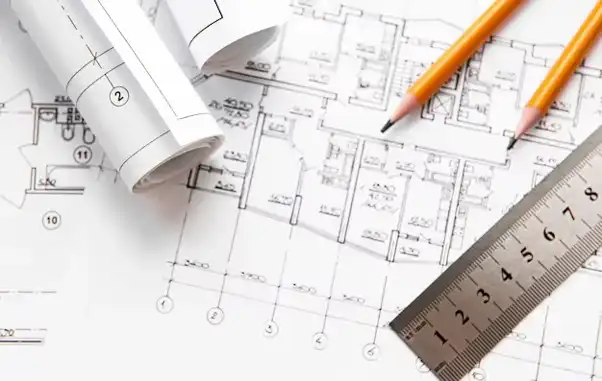
Successful sustainable architecture depends on collaboration between architects, structural engineers, and building services specialists from the earliest project stages.
Integrated design allows systems to be incorporated discreetly within the architectural language of the building, ensuring that renewable technologies enhance rather than interrupt spatial quality and visual simplicity.
This collaborative approach also improves long-term maintenance, flexibility, and operational performance.
Reducing Environmental Impact Through Intelligent Design
Lower operational carbon emissions have become a primary objective across both residential and commercial construction.
Renewable engineering solutions contribute by:
• Reducing fossil fuel dependency
• Improving energy efficiency
• Lowering operational costs
• Supporting low-carbon heating
• Increasing building resilience
• Enhancing long-term sustainability
These strategies align with the growing emphasis on responsible architecture that delivers measurable environmental benefits.
The Influence of Technology on Modern Architecture
Advances in building technology continue to expand architectural possibilities while improving building performance.
Digital monitoring systems, smart thermostats, zoned heating controls, and energy management platforms allow buildings to respond dynamically to occupant behaviour and environmental conditions.
This integration of technology creates intelligent spaces that optimise comfort while reducing unnecessary energy consumption.
Designing for Adaptability and Longevity
Sustainable architecture increasingly prioritises flexibility, allowing buildings to evolve with changing environmental standards and occupant needs.
Key design considerations include:
• Modular service layouts
• Accessible plant installations
• Renewable-ready infrastructure
• Future-proof energy systems
• Durable building materials
These principles extend building lifespan while reducing the need for significant future alterations.
The Future of Architectural Sustainability
As regulations continue to evolve and environmental expectations increase, renewable engineering will become even more deeply integrated into architectural design.
Future developments are likely to include greater use of hybrid energy systems, advanced heat recovery technologies, battery storage, and intelligent building automation that work together to create highly efficient, low-carbon environments.
Architecture and engineering will increasingly operate as a unified discipline, delivering buildings that respond intelligently to both human needs and environmental challenges.
Final Thoughts
The relationship between sustainable engineering and contemporary architecture continues to redefine how buildings are designed, constructed, and experienced. By integrating renewable technologies and energy-efficient building services from the earliest planning stages, architects can create spaces that are visually striking, operationally efficient, and environmentally responsible.
As the built environment moves towards a lower-carbon future, the collaboration between architectural design and sustainable engineering will remain essential in creating resilient buildings that successfully balance innovation, functionality, and long-term performance.
Comments on this guide to Blending sustainable engineering with contemporary architecture article are welcome.
Properties
Property Management Posts
Property management company supports architectural projects
Hiring a rental property management company
5 top vacation rental property management companies
++
Residential Property Design
Contemporary Property Designs – architectural selection:
Comments / photos for the Blending sustainable engineering with contemporary architecture advice page welcome.