Which Materials Should You Prioritize When Choosing Patio Pavers?
29 June 2026
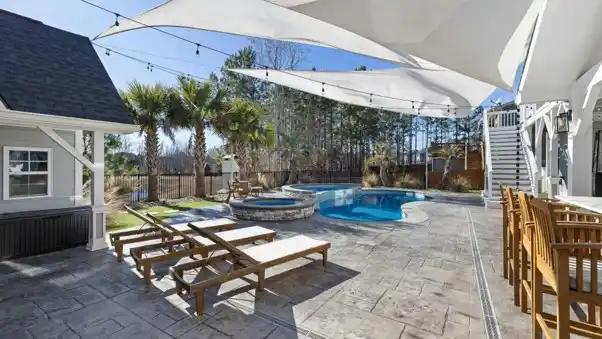
The best patio paver material depends on how the outdoor space will be used, the local climate, the desired design style, and the level of maintenance the homeowner is comfortable with. A patio used for quiet outdoor dining may need a different material than a poolside terrace, commercial courtyard, or high-traffic entertainment area. The right choice should balance beauty, durability, comfort underfoot, slip resistance, and long-term value.
If you are planning a new outdoor surface, choosing a high-quality patio paver early in the design process helps the entire project feel more intentional. The paver color, texture, size, and finish can influence everything from furniture selection to planting, lighting, drainage, and the overall architectural mood of the backyard. This patio paver guide by Solidshape explores which materials are worth prioritizing when choosing outdoor pavers for patios, walkways, pool areas, and other exterior living spaces.
Why Does Patio Paver Material Matter?
Patio paver material matters because outdoor surfaces face constant exposure to sun, moisture, foot traffic, furniture movement, spills, and seasonal changes. Unlike indoor flooring, patio materials must perform under changing weather conditions while still supporting the design language of the home. A beautiful patio can quickly lose its appeal if the surface becomes slippery, stained, faded, cracked, or visually disconnected from the surrounding landscape. Material selection also affects installation and long-term maintenance.
Some patio pavers need sealing, some require more precise installation, and others may be easier to replace in small sections. Texture matters as well, especially for poolside areas, garden paths, outdoor kitchens, and spaces where people may walk barefoot. A premium patio should not be chosen only from photos. Real samples, surface texture, heat comfort, color variation, and finish should all be reviewed before final selection. For more design guidance, Solidshape’s guide on how to choose patio paver size and color can help connect material choice with layout, scale, and visual balance.
Natural Stone Pavers: When Should You Prioritize Them?
Natural stone pavers are one of the strongest choices when the goal is a premium, timeless, and authentic outdoor surface. Materials such as travertine, limestone, marble, granite, and other stone pavers offer natural variation that cannot be fully replicated by manufactured materials. Each piece has its own movement, tone, veining, fossil detail, or surface character, which gives the patio a more organic and elevated appearance.
You should prioritize natural stone when the patio is part of a luxury backyard, garden terrace, courtyard, poolside area, or high-end outdoor living space. Travertine can create a warm Mediterranean look, limestone can feel soft and architectural, marble can add refined elegance, and granite can support a more durable, structured design. Natural stone also pairs beautifully with plants, timber, water features, outdoor lighting, and natural exterior walls.
However, natural stone should be selected carefully. Some stones are more porous than others, and certain finishes may need sealing depending on the material and application. Climate is also important, especially in areas with freeze-thaw cycles, heavy rain, or pool chemical exposure. Professional installation, proper base preparation, and drainage are essential for long-term performance.
Natural stone is not always the cheapest option, but it often delivers the strongest visual character. For homeowners and designers who want outdoor flooring that feels natural, permanent, and premium, stone patio pavers are usually worth serious consideration.
Porcelain Pavers: Are They a Smart Outdoor Choice?
Porcelain pavers are a smart choice for modern outdoor spaces that need durability, low maintenance, and consistent design. They are often used in contemporary patios, terraces, rooftop spaces, pool decks, outdoor kitchens, and minimalist garden layouts. Because porcelain can be manufactured in many colors and textures, it can imitate stone, concrete, or wood while offering a more controlled and uniform appearance.
One of the main advantages of porcelain pavers is maintenance. Many outdoor-rated porcelain pavers are resistant to stains, moisture absorption, fading, and general surface wear. This makes them attractive for homeowners who want a clean patio look without the natural variation or sealing expectations that may come with some stone materials.
Porcelain is especially useful when the design requires sharp lines, large-format layouts, light grey tones, concrete-look finishes, or sleek indoor-outdoor continuity. It can work well with modern architecture, glass walls, metal furniture, fire pits, and linear landscaping.
The main consideration is installation quality. Porcelain can require accurate cutting, proper support, suitable outdoor installation materials, and careful handling. It may also feel less organic than natural stone, which can be a drawback for homeowners who want a warmer, more natural landscape effect.
Concrete, Brick, and Other Patio Paver Options
Concrete pavers are popular because they are versatile, widely available, and often more budget-friendly than premium natural stone or porcelain. They can be produced in many shapes, colors, and patterns, making them useful for large patios, walkways, driveways, and casual backyard spaces. Concrete can work well when the priority is affordability, practical durability, and easy replacement.
Brick pavers bring a traditional, warm, and classic look. They suit cottage gardens, historic homes, traditional patios, and pathways where a softer aged appearance is desired. Brick can add charm, but it may not always deliver the same premium contemporary look as stone or porcelain.
Gravel is another option for informal patios, garden seating areas, and budget-friendly outdoor zones. It offers good drainage and a relaxed natural look, but it may shift under furniture and may not be ideal for dining chairs or high-traffic entertainment areas.
Wood decking creates warmth and works well for raised patios or sloped sites. However, natural wood requires maintenance and may weather over time. Composite decking can reduce upkeep, but it creates a different design effect than stone or pavers.
Artificial stone or manufactured pavers may be suitable when the goal is to achieve a decorative stone-like look at a more controlled price point. The key is to compare texture, color realism, outdoor rating, and long-term durability before choosing them for a premium patio.
Natural Stone vs Porcelain vs Concrete Patio Pavers
The best patio paver material depends on priorities. Some projects need natural beauty, others need low maintenance, and others need budget control. The comparison below can help narrow the decision.
| Material | Appearance | Durability | Maintenance | Installation Complexity | Best Use Case | Premium Look |
| Natural stone pavers | Organic, varied, authentic | High when properly selected | Moderate, may need sealing | Moderate to high | Luxury patios, pool areas, terraces, courtyards | Excellent |
| Porcelain pavers | Clean, modern, consistent | High for exterior-rated products | Low | High precision required | Modern patios, rooftops, pool decks | Excellent |
| Concrete pavers | Flexible, varied, manufactured | Good | Moderate | Moderate | Budget-conscious patios and large areas | Medium |
| Brick pavers | Warm, traditional, classic | Good | Moderate | Moderate | Traditional gardens and pathways | Medium |
| Gravel | Casual, natural, informal | Good with edging | Low to moderate | Low to moderate | Garden seating areas and informal patios | Low to medium |
| Wood decking | Warm and natural | Varies by wood type | Moderate to high | Moderate | Raised decks and sloped outdoor areas | Medium |
| Artificial stone or manufactured pavers | Decorative, controlled | Varies by product quality | Low to moderate | Moderate | Decorative patios and cost-conscious projects | Medium |
This table should not be used to choose the most expensive option automatically. Instead, homeowners and designers should match the material to the patio’s function, climate, architectural style, and maintenance expectations. A natural stone terrace may be ideal for a luxury Mediterranean backyard, while porcelain may be better for a sleek modern pool deck. Concrete or brick may still be the right answer for traditional or budget-sensitive projects.
How to Choose Patio Pavers Based on Style, Climate, and Use
Before choosing patio pavers, start with how the space will be used. A dining patio needs a stable, comfortable surface for furniture. A poolside patio needs slip resistance and moisture performance. A garden path may benefit from more texture and natural color variation. A commercial terrace may require stronger durability and easier maintenance.
Use this checklist before making a final decision:
- Outdoor climate
- Sun exposure
- Moisture and drainage
- Freeze-thaw conditions where relevant
- Poolside safety
- Slip resistance
- Foot traffic
- Furniture placement
- Color compatibility
- Texture preference
- Maintenance expectations
- Budget
- Architectural style
- Landscape design
- Long-term durability
Style should also guide the material. Beige travertine or limestone pavers can support Mediterranean, coastal, and soft luxury patios. Grey porcelain or stone pavers can suit modern homes with clean lines. Dark pavers can create dramatic contemporary contrast, especially with warm lighting and architectural planting. Mixed-tone natural stone can work well in rustic, organic, or garden-led landscapes.
Climate should never be ignored. In wet areas, surface texture and drainage become especially important. In hot climates, very dark surfaces may feel warmer underfoot. In freeze-thaw regions, outdoor suitability and installation quality become critical. The best patio paver material is the one that looks right and performs well in real outdoor conditions.
Which Patio Paver Material Is Best for a Premium Outdoor Space?
For premium outdoor spaces, natural stone and porcelain are often the top materials to prioritize. Natural stone is ideal when the goal is authentic texture, timeless beauty, and a patio that feels connected to the landscape. It works especially well for luxury gardens, pool surrounds, courtyards, terraces, and outdoor living areas where every surface should feel intentional.
Porcelain is ideal when the project needs a cleaner, more modern, and lower-maintenance surface. It is a strong choice for contemporary homes, rooftop patios, outdoor kitchens, and pool decks where consistency and easy care are important. Its ability to imitate stone, concrete, or wood gives designers flexibility while keeping the surface refined.
Concrete and brick should not be dismissed. Concrete can be practical for large patios with tighter budgets, while brick can bring warmth and traditional charm. Gravel and wood can also be useful in the right design context, especially when combined with pavers to create zones and texture contrast.
The best patio paver material is not simply the one that looks best in a product photo. It is the material that fits the architecture, handles the climate, supports the way the patio will be used, and keeps its appeal over time. For a premium outdoor space, prioritize durability, surface feel, color harmony, maintenance expectations, and the surrounding landscape. When those factors work together, patio pavers can turn an ordinary backyard into a more elegant, functional, and lasting outdoor environment.
Comments on this guide to Home patio pavers materials article are welcome.
Patio Articles
Patio Posts
How to pour a concrete patio guide
Make your patio into inviting gathering place
Why choose natural paving stones for patio
++
Building Articles
Residential Architecture
Comments / photos for the Home patio pavers materials advice guide page welcome