Building Better Living Spaces Through Intelligent Water Management
20 June 2026
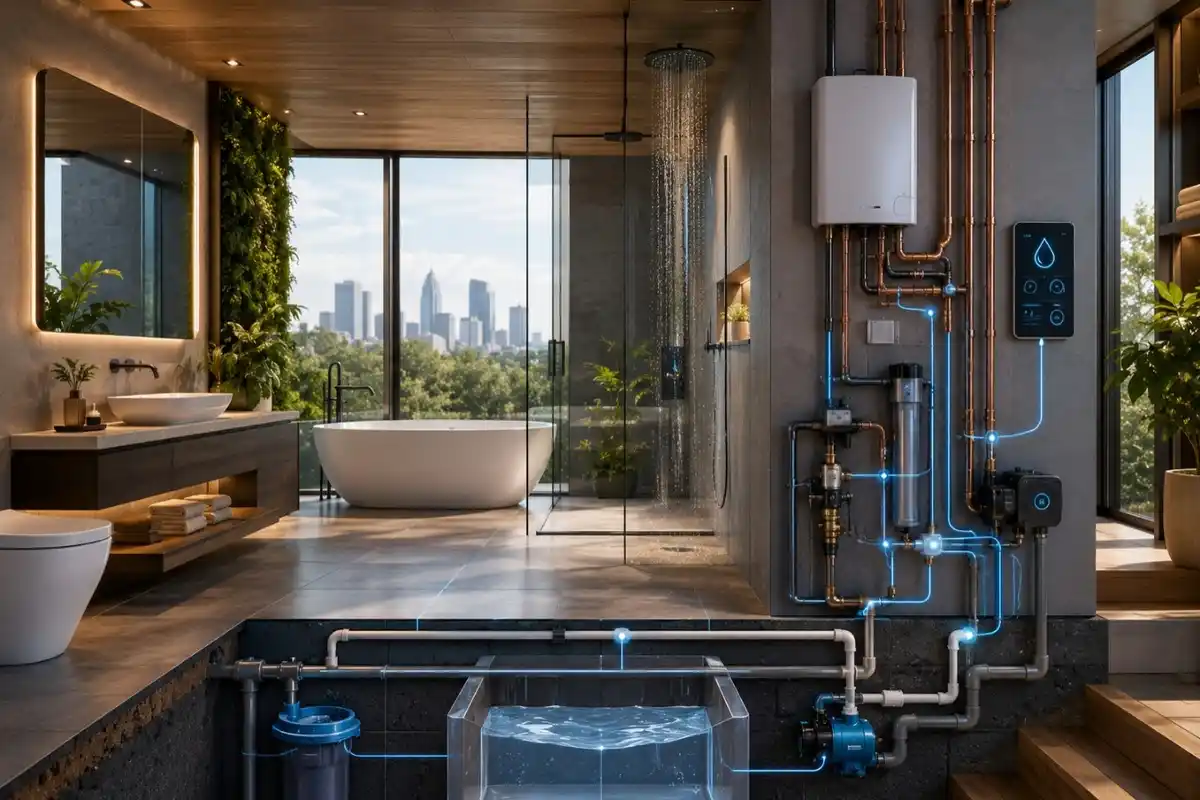
Water is one of the most fundamental yet overlooked components of architectural design. While structure, form, and aesthetics often dominate discussions, the systems that manage water within a building play a critical role in shaping comfort, efficiency, and long-term sustainability. In contemporary architecture, intelligent water management is becoming an essential part of designing resilient, high-performance living environments.
As buildings become more complex and sustainability targets become more demanding, architects and engineers are increasingly focusing on how water is sourced, distributed, used, and conserved within residential and commercial spaces.
Integrating Professional Plumbing into Smart Building Design
Modern water systems are no longer limited to basic supply and drainage. Instead, they are integrated into wider building strategies that prioritise efficiency, safety, and long-term performance.
Many developers and homeowners rely on Mayfair Plumbers London for professional plumbing and heating services including boiler installations, central heating systems, underfloor heating, leak detection, bathroom installations, drainage solutions, and emergency plumbing support. By combining technical expertise with modern installation standards, intelligent plumbing systems can be seamlessly integrated into both new-build and renovated properties, supporting efficient water use and reliable long-term operation.
When considered early in the design process, plumbing becomes a structural component of architectural planning rather than a reactive installation.
The Role of Water Efficiency in Modern Architecture
Water efficiency is now a key requirement in sustainable building design, influencing both regulatory compliance and environmental performance.
Key strategies include:
- Low-flow fixtures and fittings
- Dual-flush sanitation systems
- Smart leak detection technology
- Efficient hot water distribution systems
- Rainwater harvesting integration
- Greywater recycling systems
These systems help reduce water consumption while maintaining high levels of comfort and usability in everyday living.
Intelligent Monitoring and Real-Time Water Management
Advancements in digital technology are transforming how water systems are monitored and controlled within buildings. Smart sensors and automated monitoring systems provide real-time data on usage, pressure, temperature, and potential leaks.
This allows building managers and homeowners to:
- Detect leaks early and prevent damage
- Monitor water consumption patterns
- Optimise system performance
- Reduce unnecessary waste
- Improve maintenance planning
Such systems contribute to more responsive buildings that actively manage their own environmental impact.
Water Systems as Part of Architectural Planning
In contemporary design, water infrastructure is increasingly treated as part of the architectural framework rather than a hidden utility. This shift ensures that systems are both efficient and easy to maintain without compromising spatial design.
Important design considerations include:
- Concealed pipe routing
- Centralised plant room design
- Zoned hot water distribution
- Accessibility for maintenance
- Integration with heating and renewable systems
This level of coordination helps create buildings that are both functional and future-ready.
Sustainability and Environmental Responsibility
Efficient water management plays a significant role in reducing the environmental impact of buildings. As water scarcity and energy efficiency become more pressing global concerns, architects are prioritising systems that reduce waste and improve resource use.
Sustainable water strategies contribute by:
- Reducing potable water demand
- Lowering energy use for heating water
- Minimising wastewater production
- Supporting circular water systems
- Enhancing overall building efficiency
These approaches align with broader environmental design goals and regulatory frameworks.
Enhancing Comfort Through Better Infrastructure
Well-designed water systems directly impact the comfort and usability of a building. Reliable pressure, consistent hot water delivery, and efficient drainage all contribute to a better living experience.
Benefits include:
- Stable and reliable water supply
- Improved hygiene and sanitation
- Reduced system failures
- Faster response to maintenance issues
- Greater occupant satisfaction
Comfort in modern architecture is increasingly defined by the performance of invisible systems as much as visible design.
The Future of Intelligent Water Systems
The future of water management in architecture lies in greater integration with smart building technologies. Artificial intelligence, predictive maintenance, and fully connected building management systems will allow water infrastructure to operate more efficiently and autonomously.
Future developments are likely to include:
- AI-driven consumption optimisation
- Fully integrated smart building systems
- Predictive leak detection and maintenance
- Greater use of recycled water systems
- Real-time sustainability reporting
These innovations will continue to redefine how water is managed within the built environment.
Final Thoughts
Intelligent water management is becoming a cornerstone of modern architectural design. By integrating efficient plumbing systems, smart monitoring technologies, and sustainable water strategies, architects and engineers can create buildings that are more resilient, efficient, and environmentally responsible.
As the built environment continues to evolve, water systems will play an increasingly important role in shaping how buildings perform and how people experience them—transforming essential infrastructure into a key driver of smarter, more sustainable living spaces.
Comments on this guide to Intelligent water management building better living spaces article are welcome.
Properties
Property Management Posts
Property management company supports architectural projects
Hiring a rental property management company
5 top vacation rental property management companies
++
Residential Property Design
Contemporary Property Designs – architectural selection:
Comments / photos for the Intelligent water management building better living spaces advice page welcome.