The Hidden Timeline: Why Utility Connections Delay New Build Programmes
15 July 2026
Ask a developer what pushed a scheme past its handover date and the answer is rarely the building itself. More often it is the infrastructure beneath and around it, and water connections in particular have a habit of appearing on the critical path late, when the options for recovering time have already narrowed. The frustrating part is that the delay is usually designed in months earlier, by a decision that was never consciously made.
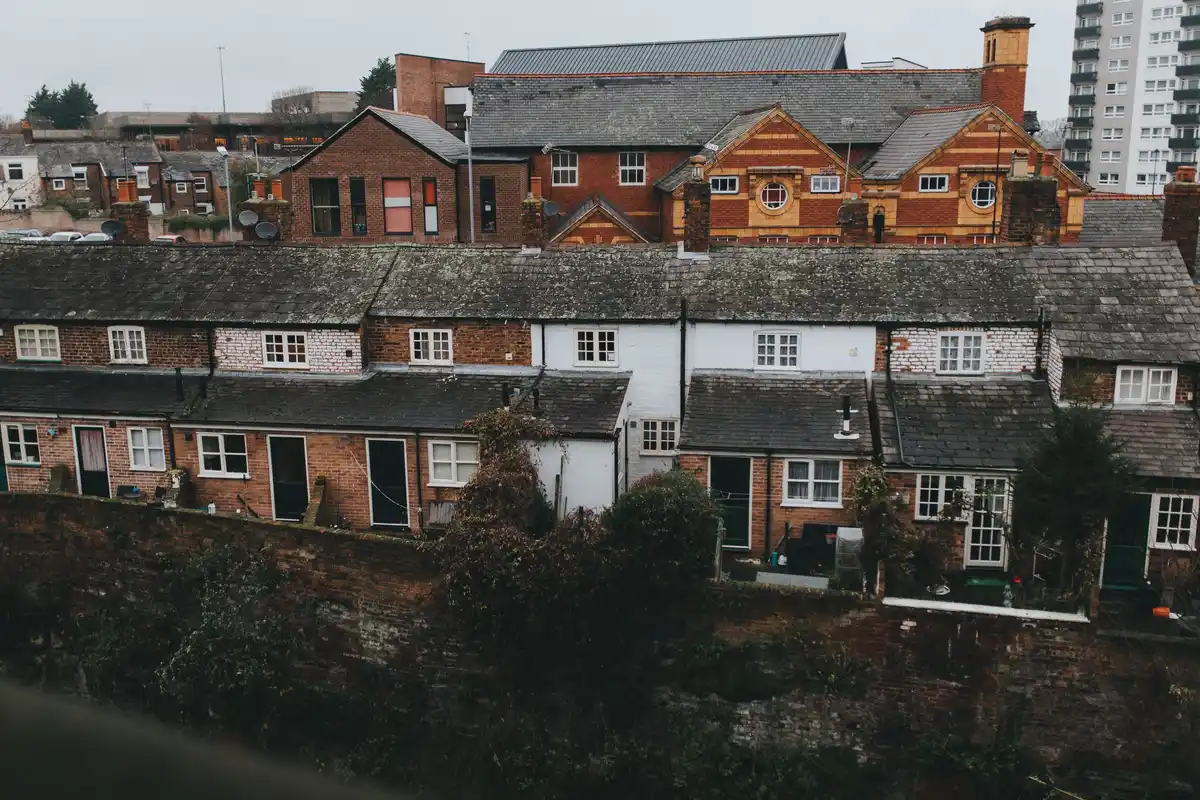
Utilities are a design-stage decision, not a construction-stage one
The default assumption on many schemes is that utility connections are a procurement task for the build phase: the walls go up, then someone orders the water. In practice, the water connection strategy needs to be settled before the site layout is fixed, because the position of the connection, the route of the main and the coordination with other services all influence, and are influenced by, the site plan. Deferring the decision does not remove it. It simply moves it to a point in the programme where changing anything is expensive.
There are two routes to a new water connection, and they carry different programme profiles. A developer can requisition the main from the water company and wait for it to be designed and built on the water company’s schedule, or appoint an accredited self-lay provider to carry out the construction independently while the water company adopts the completed network. Thames Water frames the choice for developers directly: the right installer “might not be us”, and an independent provider may better suit the project timetable and install multiple utilities at once. The first route places a dependency the developer does not control directly onto the programme. The second gives the developer control over the sequence.

Why the timeline hides
The connection timeline is easy to underestimate because so much of it is invisible from a design office. Before any pipe is laid, there is a point-of-connection enquiry to establish where the connection will be made and whether the existing network needs reinforcement. Water companies typically issue that point-of-connection report within about 28 days and it stays valid for around a year, which is exactly the sort of long-lead item that should be triggered at concept stage, not after groundworks begin.
Then there is design approval to obtain, materials and depths to agree, and an adoption agreement to put in place, because no water company will take a contractor’s pipework onto its network without a signed agreement setting out standards, inspections and handover terms first. That adoption sits under Section 51A of the Water Industry Act 1991, inserted by the Water Act 2003, and since 2021 it has run under Ofwat’s Code for Adoption, a common process binding water companies in England. Ofwat sets out the self-lay route in a defined sequence of stages, and the standards that make a network adoptable have to be built in from the first day on site, not retrofitted at the end.
None of this is difficult once it is in the programme. The problem is that it is often not in the programme until the groundworks are already underway, at which point the enquiry that should have been raised at concept stage becomes the thing everyone is waiting on.
Designing around the corridor
The reason to settle the water strategy early is that it shapes the drawing, not just the schedule. The route of the main, the position of the point of connection and the easements needed to cross third-party land all interact with the site layout, the landscaping and the position of other services. Fix them late and the layout has to flex around them; fix them early and they become one more coordinated corridor beneath the scheme. Securing land rights and easements before design is committed is one of the most common avoidable causes of delay, because a main cannot be laid across land the developer has no right to cross, however good the programme looks on paper.
Where surface disruption or a sensitive setting is a concern, the installation method matters too. Trenchless techniques can take a utility corridor beneath existing surfaces, driveways and landscaped areas without continuous open-cut trenching, which protects both the streetscape and the reinstatement budget. These are decisions best made while the site plan is still fluid, with the connection strategy informing the design rather than being squeezed in around it once the layout is fixed.
What resolves it
The single most useful early move is the point-of-connection enquiry, and it is usually free. Raised at concept or early design stage, it tells the design team where the connection lands and flags any reinforcement before the layout is committed, which is precisely the information needed to keep water off the critical path. The second is deciding the route early. On schemes with real programme pressure, engaging a specialist such as McFadden Utilities, which handles the water side of new build utility connections at design stage rather than at build stage, means the connection strategy is set while it can still shape the site plan, and the enquiry, design approval and adoption can run in parallel with the build rather than blocking it.
For the design and development team, the practical shift is to treat water connections as a design-programme input on a par with drainage or access, not as a late procurement item. The infrastructure beneath a development is unglamorous and largely unseen, but it sets the pace of everything above it. The schemes that avoid the hidden timeline are the ones that made the connection decision while it was still a line on a drawing, not a gang standing idle on site.
Comments on this guide to The Hidden Timeline: Why Utility Connections Delay New Build Programmes article are welcome.
Heating
Types of thermostats and how they work
Heating Posts
How To Fix A Cold Designer Radiator
How to make your home feel cozy
++
Building Articles
Residential Architecture
Comments / photos for the How to cut monthly utility costs in comfort advice page welcome.