What Modern Custom Homes Can Learn from Vernacular Architecture
9 July 2026
Modern custom homes are often created with an open-plan living area, large windows, and high-tech features to create a modern living space. The home can also be customized with finishes and features to reflect the owner’s personality. While homes created with these features can be very successful, some of the most successful residential designs are created with place as the main design element. These homes are often referred to as vernacular architecture.
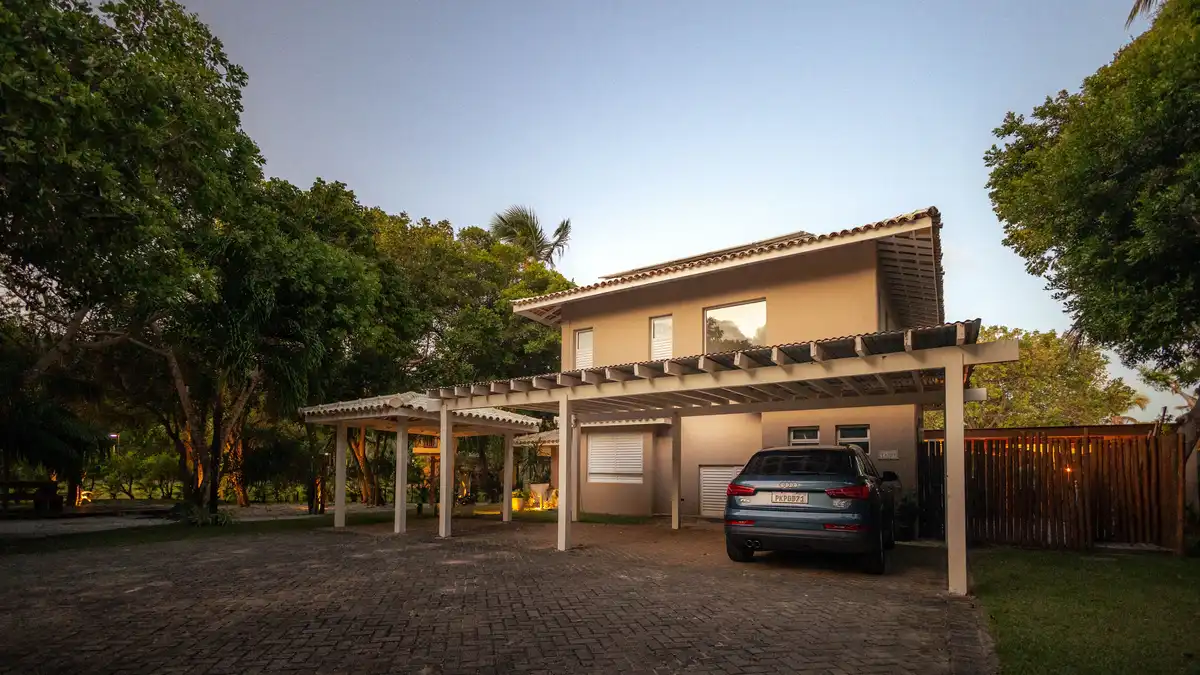
Vernacular architecture refers to structures that are built by local and indigenous communities. These buildings have evolved from the climatic, geographical, cultural, and social conditions of places and have been developed over time by generations of builders. In essence, buildings that have been ‘of the place’ for centuries. Modern custom home designs that have place at their core can learn from the nature of vernacular architecture.
By studying historical buildings and gaining an understanding of the rooflines, porches, window placement, room proportions, and building materials that have been developed over time to provide practical solutions to everyday building problems, we can utilize this intelligence in designing homes of the future. In doing so, we can develop homes that are naturally comfortable and durable and will provide a sense of connection to their surroundings.
Reading the Local Landscape
First, there is the natural landscape surrounding a property. The lay of the land will often dictate key elements of the home such as views, how a home will slope, how the home will receive sunlight, the relationship to tree lines and neighboring lots, access to roads, privacy, and weather patterns. Rather than choosing a typical home plan that could work on any piece of property, vernacular architecture asks that the natural landscape of a specific property is considered when designing a house that will work optimally in that setting.
In order to design homes in rural and semi-rural locations, it is very important to first read the local landscape. This simply means taking into consideration the views, the slope of the land, the amount of sunlight, theberee lines, access to the property from the road, the amount of privacy, and the weather. A home that is to feel at home in a rural location should take into consideration the changes of the seasons and be built and designed to be in harmony with the surrounding farm land.
The traditional residential style in Lancaster County is the product of a long history of traditional craftsmanship and simple forms, covered entries, large kitchens with connecting mudrooms, porches, and a variety of other features that allow for comfortable family living in rural settings. The homeowner planning a custom home in Lancaster should seek out the services of a local new home builder in Lancaster experienced in designing homes that are true to the regional style while being modern and buildable.
There is a difference between replication and interpretation. Many of the traditional characteristics of vernacular homes have been a part of the culture for centuries and have remained relevant. The characteristics of homes built long ago can serve as the basis for an interpretation of a house that belongs to today’s culture. The interpretation of characteristics such as a covered entry, a steep roof, or a mudroom can provide insight into the reasons for the existence of characteristics of homes of the past.
Materials with a Sense of Place
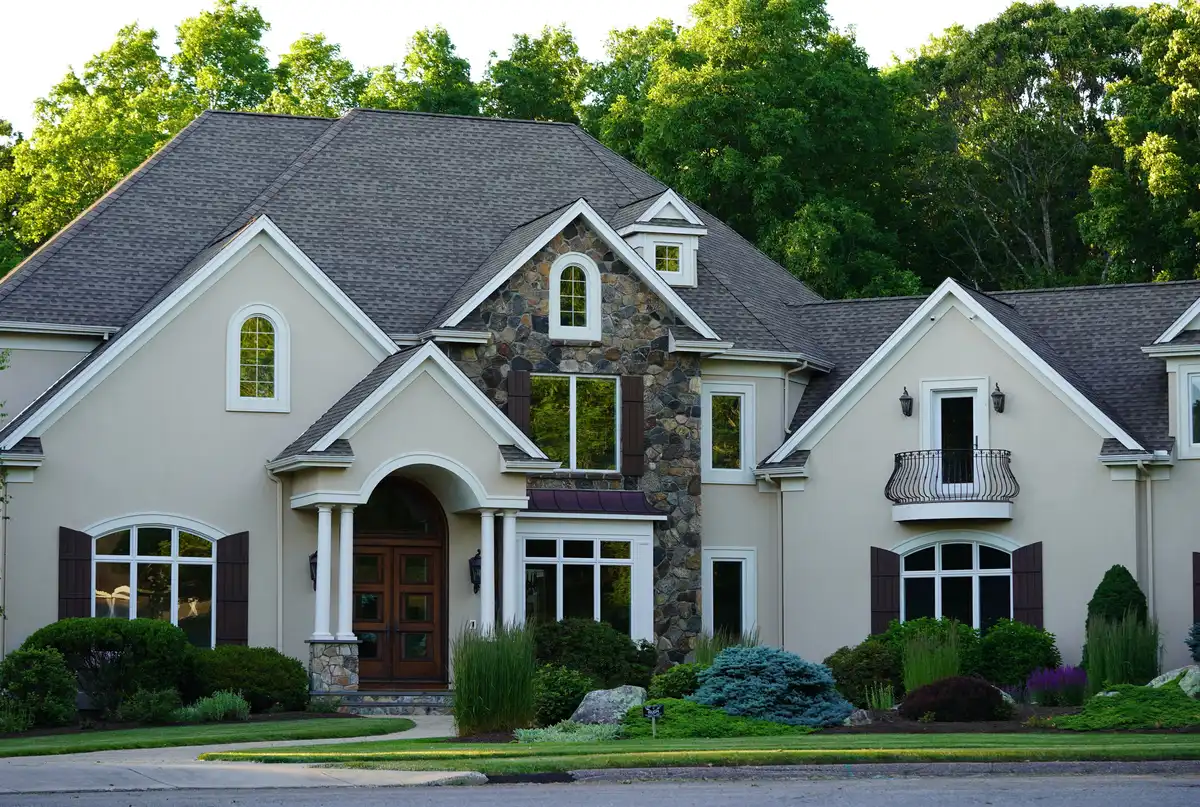
Material selection is another area where vernacular architecture offers lasting lessons. Traditional buildings often used materials that were locally available and well suited to the climate. Stone, brick, timber, and durable siding were chosen not only for appearance but also for performance.
When selecting exterior and interior finishes for your home, choose materials that enhance the home’s overall style and also support long-lasting performance. Choose durable siding, roof coverings, and windows that will minimize required maintenance and withstand expected weathering. Consider how various materials will look after long periods of time and how they will perform over time.
Just as interior materials should help to create a warm and inviting living space, the exterior of the home should be made up of the same materials that help to create the sense of place and region in which the home is being built. Using natural materials in the construction of a home, such as wood, stone, and brick, creates a sense of depth and dimension and can help to bring warmth and character to even the most modern home.
Designing for Real Life
The greatest lesson that modern custom homes can glean from the study of vernacular architecture is that homes must be designed with consideration to the daily lives of their future inhabitants. Historic homes are simply the physical manifestation of the lives of past inhabitants and the evolution of their daily routines over time. So too must modern custom homes be designed within the context of the future daily lives of their future inhabitants.
The homes of the past were built by people who were trying to live in their homes. They were built around the daily routines of the people who lived in them. That is why they are so successful as homes. A home built today should be built with the same principle in mind. It should be built around the daily routines of the people who will live in it. That could mean a home with flexible spaces to work from home, additional spaces for guest to visit, large kitchen to gather with family and friends, storage for all of their belongings, a garage with direct access to the home, and outdoor living spaces to extend the use of the home into the seasons.
So rather than custom homes turning their backs on the past and adopting designs that are trendy and superficial, instead the homes of the future will be learning from the ingenuity and cleverness of buildings from the past that have been designed based on climate, landscape, and even more importantly, the way people live on a day-to-day basis. A truly well-designed house is one that is not only custom to the individual who is living in it but also custom to the place in which it is located.

Comments on this guide to What modern custom homes learn from vernacular architecture article are welcome.
Interior Design
Interior Design Posts
Designing tips for home interior guide
AI Interior Design future creativity
Beginner’s Guide to Online Interior Design
++
Architecture
Contemporary Architectural Projects
Comments / photos for the What modern custom homes learn from vernacular architecture advice page welcome