Why Professional Painting Matters In Home Design
2 July 2026
Architects obsess over form, light, and material, and rightly so. Yet the finish that visitors actually touch and see first is often the paint. It is the thin layer that ties a whole design together.

Photo by Ali Mkumbwa on Unsplash
Paint is also easy to underestimate. A coat applied well by a team like Ascend Painting Services can lift a space, while a rushed job undermines even the best architecture. This guide explains how professional painting shapes a home, protects it, and even improves its efficiency.
How Does Paint Shape a Space?
A paint finish is the final protective and decorative coating applied to a surface. In design terms, it is where color, light, and texture all meet.
Color does the heavy lifting. The same room feels larger in a pale tone and cozier in a deep one, so the choice shapes how the architecture is experienced. A well-chosen palette can emphasize a feature wall or quietly unify an open plan.
Finish matters just as much as color. A matte surface hides flaws and softens light, while a gloss reflects it and reads as crisp and modern. Matching the finish to the room is a skill professionals bring to every job.
Why Does Surface Preparation Matter?
Here is where most amateur jobs fail. The paint is only ever as good as the surface beneath it.
Priming is the process of applying a base coat that helps paint adhere and last. Skipping it is the fastest route to peeling, patchy walls within a year. Cleaning, sanding, and filling all come before a brush ever touches the final color.
What About Older Buildings?
Age brings extra care. Homes built before 1978 often contain lead-based paint, a serious health hazard that demands careful handling.
This is not a job to guess at. Disturbing old layers without the right precautions can release lead dust, which is why testing and certified professionals matter on heritage work. Good preparation here protects both the building and the people in it.
Can Paint Improve Energy Efficiency?
It can, more than most people expect. The right coating does more than decorate; it manages heat.
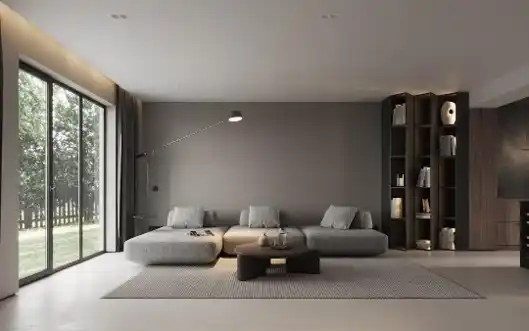
Photo by Prydumano Design on Unsplash
A reflective coating is a paint that bounces sunlight away to reduce heat absorption. On a roof or a sun-facing wall, light-colored reflective coatings can cut the heat a building takes on through summer. That eases the load on cooling systems and trims running costs.
Interior paint plays a part too. Lighter shades bounce daylight deeper into a room, which can reduce the need for artificial light during the day.
| Painting factor | Why it matters in design |
| Color choice | Sets mood and sense of space |
| Finish type | Controls light and hides flaws |
| Surface prep | Determines how long it lasts |
| Reflective coatings | Cut heat and cooling costs |
| Professional finish | Clean lines and even coverage |
The pattern is clear. Paint is a design decision, not just a final chore.
DIY or Professional?
Plenty of homeowners paint a room themselves, and for a small space that is fine. The calculation changes with scale, height, and the stakes of the finish.
A weekend project is one thing; the careful work of repainting your house end to end is another. Large areas, high ceilings, and detailed trim reward the speed and precision of a trained crew.
There is also the question of what can go wrong. Knowing the basics of painting your home helps, but professionals bring the prep, equipment, and finish that protect a serious investment. On a designed home, that polish is usually worth paying for.

What Makes a Quality Paint Job?
The difference between good and great is visible up close. A few marks separate a professional finish from an amateur one.
A quality job shows in these 5 signs:
- Clean edges. Sharp lines where colors and trim meet.
- Even coverage. No streaks, patches, or thin spots.
- Smooth surface. Proper prep with no visible flaws.
- Right finish. Sheen matched to each room.
- A coat that lasts years, not months.
Each sign traces back to preparation and skill. Those are exactly what a professional crew is paid to deliver.
What to Remember
- Paint is a core design element, not an afterthought.
- Color and finish shape how a space feels and reads.
- Surface preparation decides how long a finish lasts.
- Older homes may hide lead paint and need expert care.
- Reflective coatings can cut a building’s cooling costs.
- For large or designed homes, professional work pays off.
The Finish That Defines a Home
Great architecture deserves a finish that matches its ambition. Paint is the layer that turns a structure into a home, setting mood, protecting surfaces, and even saving energy. Choose color and finish with intent, never cut corners on preparation, and bring in professionals when the project demands it. Done right, paint is not the last thing anyone notices; it is the first, and it quietly carries the whole design.

Frequently Asked Questions
Why Hire a Professional Painter Instead of Doing It Myself?
For small rooms, DIY is reasonable. But professionals deliver better preparation, cleaner edges, and a more durable finish, especially on large areas, high ceilings, or detailed trim. They also work faster and handle hazards like old lead paint safely. On a well-designed home, where the finish is part of the architecture, that quality and reliability usually justify the cost.
How Often Should a Home Be Repainted?
It depends on the surface and the climate. Interior walls typically need repainting every 5 to 10 years, while high-traffic areas like hallways may need it sooner. Exteriors usually last 5 to 10 years too, though harsh sun or weather shortens that. Quality paint and proper preparation are the biggest factors in how long a finish stays looking fresh.
Does Paint Color Really Affect a Room’s Feel?
Yes, significantly. Lighter colors make a room feel larger and brighter by reflecting more light, while darker tones create a cozier, more intimate mood. Color also influences perceived temperature and energy. Because paint covers such a large surface, its color is one of the most powerful and affordable tools for shaping how a space is experienced.
Is Lead Paint Still a Concern In Older Homes?
It can be. Homes built before 1978 may contain lead-based paint, which is hazardous if disturbed during sanding or scraping. The safe approach is to test before major work and use certified professionals who follow lead-safe practices. This protects both the building’s occupants and the workers, and it is an important reason to hire experts for older properties.
Comments on this guide to How much to paint house exterior – home painting tips, article are welcome.
Interior Design

Interior Design Posts
Designing tips for home interior guide
AI Interior Design future creativity
++
Architecture
Contemporary Architectural Projects
Comments / photos for the How much to paint house exterior help guide – home painting advice page welcome