
Infrastructure Beyond Construction
July 9, 2026
In public discourse, architecture and infrastructure are often treated as separate worlds. One is associated with buildings, aesthetics, and urban identity, while the other is linked to engineering, logistics, and transportation networks. In reality, the boundaries between the two are becoming increasingly blurred.
Today, ports, maritime corridors, rail connections, and logistics systems are shaping cities as profoundly as traditional architecture once did. The infrastructure built around urban areas is no longer simply a technical layer operating in the background. It has become an invisible architecture that influences economic activity, territorial development, and the daily functioning of entire regions.
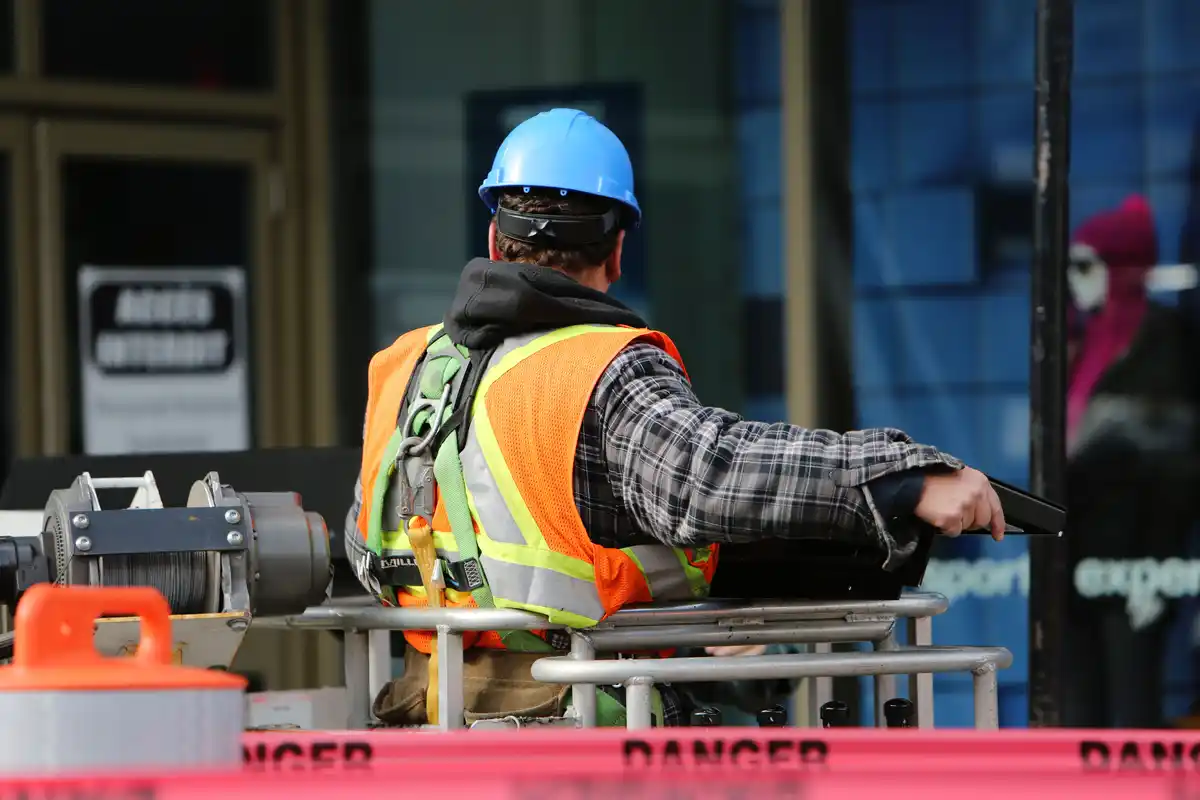
Italy offers an interesting perspective on this transformation. Positioned at the center of the Mediterranean, the country is currently rethinking the role of its port infrastructure within broader European logistics networks.
This shift is not simply about expanding maritime capacity, but about creating systems capable of connecting coastal areas with industrial districts, railways, highways, and inland economies.
It is within this framework that companies such as Fincosit continue to play an important role. The historic Italian company, which recently marked 120 years of activity, has built decades of expertise in maritime engineering and port infrastructure, contributing to projects that support the evolution of Italy’s logistics ecosystem.
According to Alessandro Mazzi, a key technical figure at Fincosit, infrastructure today must be approached through a systemic perspective rather than as a series of isolated interventions.

“Ports can no longer be considered standalone infrastructures,” he explained in recent industry discussions. “They are part of much larger systems that involve transportation networks, industrial production, and territorial development.”
This evolution is changing the way infrastructure projects are designed from the very beginning. A breakwater, a quay, or a new port layout is no longer evaluated exclusively through engineering parameters. Its effectiveness increasingly depends on how efficiently it connects different layers of mobility and economic activity.
In many ways, modern infrastructure now behaves like architecture. It organizes flows, creates relationships, and influences how territories function over time.
This approach is particularly visible in the growing importance of intermodality. Alessandro Mazzi: “European strategies linked to the TEN-T corridors are accelerating the integration of ports, railways, and road networks into unified systems capable of reducing bottlenecks and improving freight circulation across borders.”
The implications extend far beyond logistics itself. Efficient infrastructure directly affects industrial competitiveness, investment attractiveness, employment opportunities, and regional resilience.
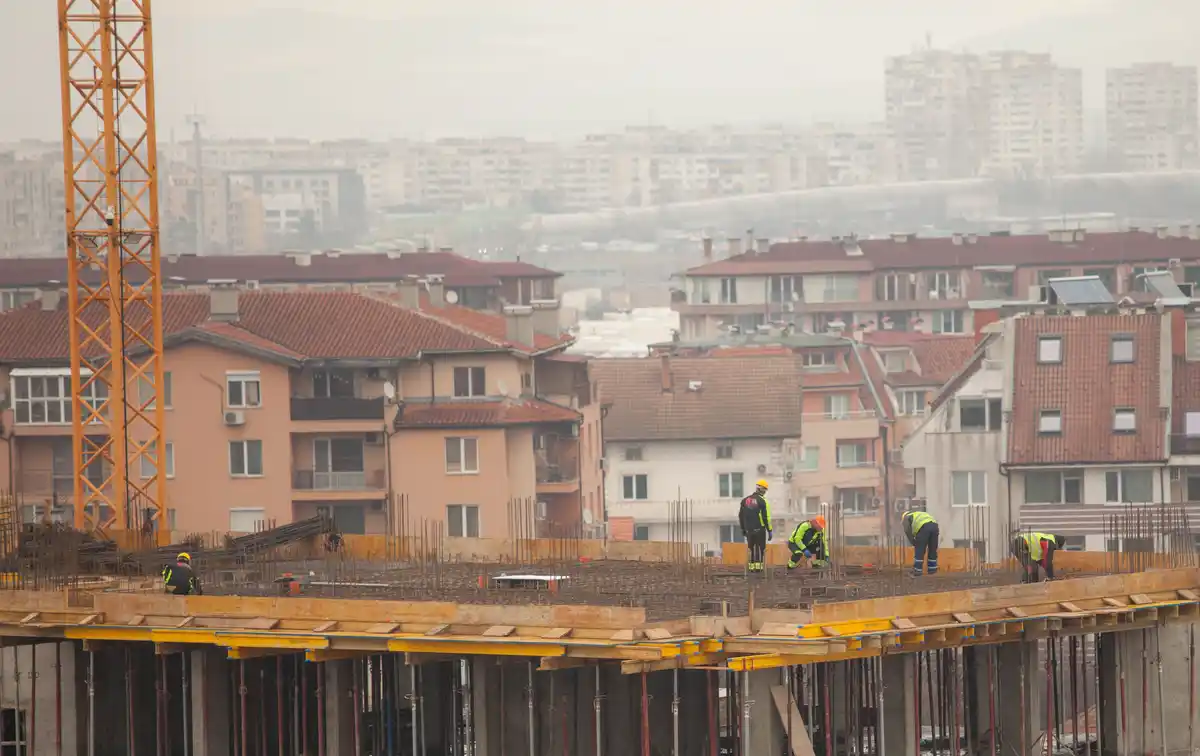
At the same time, sustainability is becoming an increasingly important variable. Large maritime projects are now required to integrate environmental considerations into every stage of planning and execution, making technical coordination more complex than ever before.
For professionals working in architecture, urban planning, and territorial development, this evolution offers a valuable lesson: infrastructure is no longer a hidden layer beneath cities. It is becoming one of the primary tools through which territories define their future.
The conversation is therefore expanding from construction alone toward a broader understanding of spatial organization. Engineering, logistics, economics, and environmental planning are progressively converging into a single discipline centered on connectivity.
As Italy continues to strengthen its role within Mediterranean trade routes, the experience accumulated by companies such as Fincosit and technical figures like Alessandro Mazzi illustrates how maritime infrastructure is evolving into something larger than a construction sector.
It is becoming a framework that quietly shapes how contemporary territories work, grow, and remain connected over time.
Comments on this guide to Infrastructure beyond construction article are welcome.
Law Courts Buildings
Law Courts Building Articles
++
Accident Lawyers
Best construction accident attorneys in Chicago, Illinois
Construction site injury legal protection
Best construction accident attorneys in Illinois
Real estate attorney for buying or selling properties
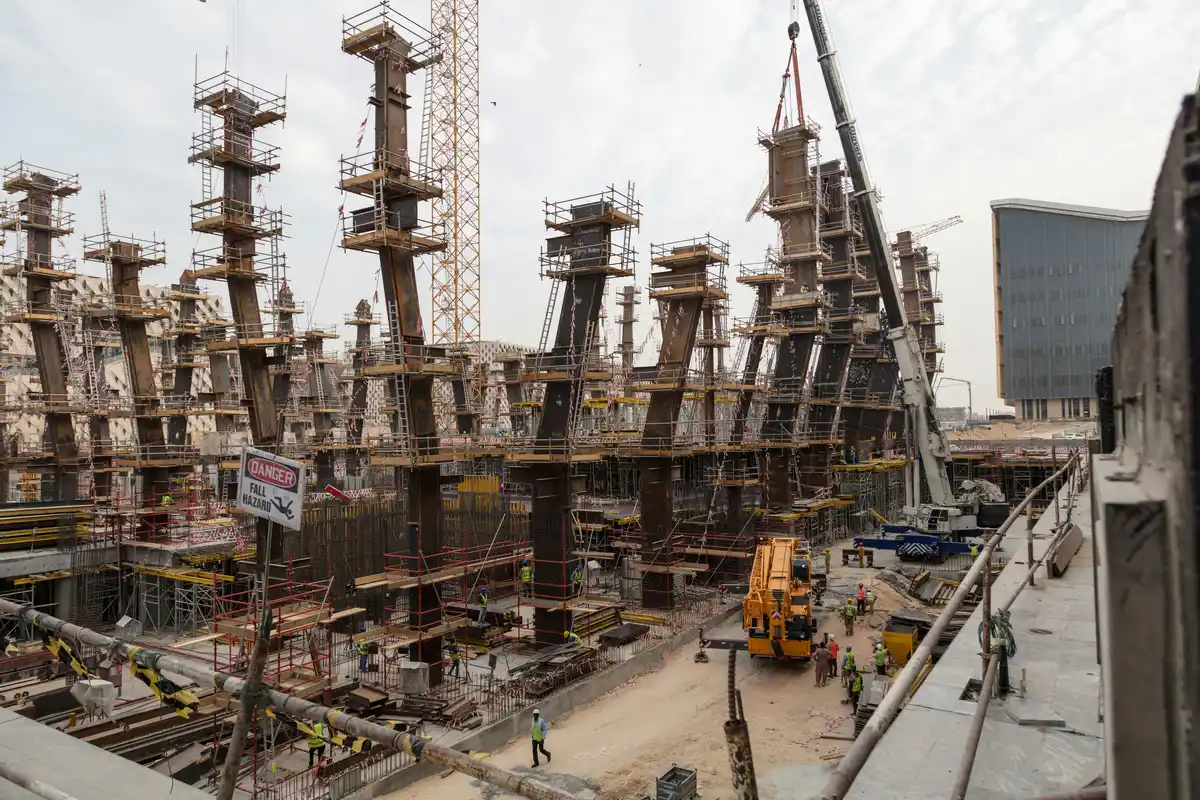
Comments / photos for the Infrastructure beyond construction advice guide page welcome


