The growing importance of renewable energy in commercial construction
17 July 2026
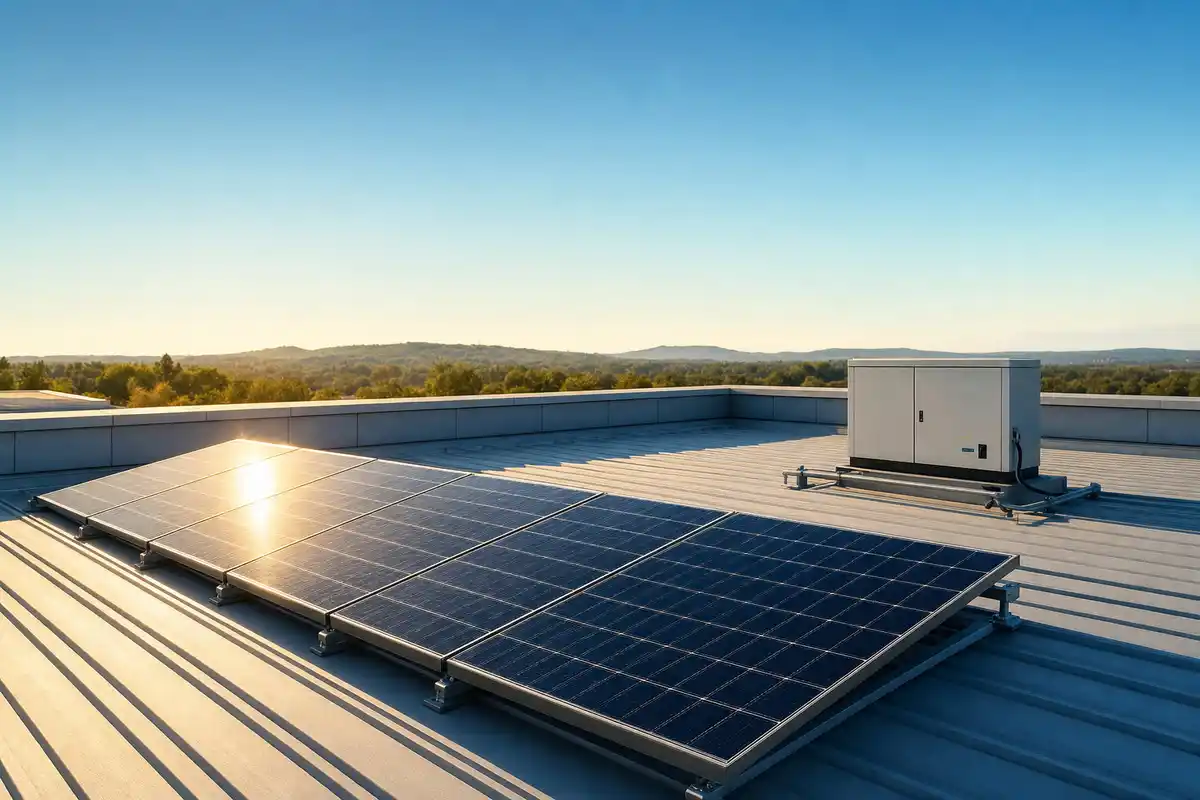
Commercial construction is increasingly defined by the integration of renewable energy solutions to curb carbon emissions and secure long-term sustainability. Regulatory pressures and client demands are steering projects toward cleaner energy sources and more responsible building practices. From design to occupancy, renewables play a central role in shaping how buildings consume and produce energy.
The adoption of renewable energy in commercial construction is no longer optional but a critical response to global climate targets and mounting industry expectations. Integrating technologies such as solar panels, wind energy, and battery storage into building projects can dramatically reduce a structure’s operational carbon footprint. Cornerstone Group aligns with industry trends by exploring renewable options that balance performance, budget, and regulatory compliance. As the commercial sector expands, the transition to renewables is set to influence every facet of project strategy, delivery, and operation.
Drivers behind the shift to renewable energy
Several forces are accelerating the adoption of renewables in commercial construction. Regulatory requirements, such as national net-zero targets and energy performance standards, create strong incentives for developers to prioritize cleaner technologies. Additionally, corporate sustainability goals and environmental certification programs push projects to demonstrate real carbon savings and future-proof their assets.
Market demand is also a significant factor, with tenants and investors favoring buildings that incorporate visible and verifiable renewable energy systems. The reputational benefits of incorporating renewables, combined with the potential for lower long-term energy costs, further solidify their growing use in commercial projects. These overlapping pressures have shifted renewable energy from a niche consideration to a core component of building strategy.
Financial incentives and government subsidies have emerged as powerful catalysts for renewable adoption in commercial construction. Many jurisdictions offer tax credits, grants, and accelerated depreciation schemes that significantly offset upfront installation costs. These economic mechanisms make renewable investments more attractive to developers and building owners, transforming what was once viewed as a premium feature into a financially sound decision. As energy prices continue to fluctuate and carbon taxation becomes more widespread, the economic case for renewables strengthens, creating a compelling argument that extends beyond environmental responsibility to encompass prudent financial planning and risk management.
Integrating renewables into project design and delivery
Embedding renewable energy begins at the planning stage with energy modeling and feasibility studies to determine the best solutions for each site. Solar panels on roofs, wind turbines, and even geothermal systems are evaluated for suitability based on location, size, and occupant needs. Decisions made in early design phases directly influence the efficiency and viability of renewable installations throughout the building lifecycle.
Material selection and structural planning play important roles. For example, green roofs can optimize solar panel placement while structural provisions support the load of renewable systems. Integrating battery storage ensures that energy produced on-site is used optimally, matching fluctuations in demand and supply. Effective collaboration between architects, engineers, and contractors helps ensure seamless inclusion of renewables, minimizing retrofit costs and disruptions later on.
Operational benefits and challenges of renewable systems
Once operational, commercial projects with renewables experience substantial reductions in energy costs and greenhouse gas emissions. Automated building management systems can optimize when and how energy is used, improving efficiencies and lowering operational expenditure. Well-designed setups allow on-site generation to meet a significant portion of daily energy needs, safeguarding businesses from volatile energy markets.
However, integrating renewable energy is not without complexities. Initial capital costs can be higher than standard systems, and technical hurdles—such as grid connectivity and variable output—require careful planning and ongoing management. Operations teams must also adapt maintenance routines to new technologies and leverage post-occupancy monitoring to ensure long-term performance. The commitment to renewables continues to reshape operational expectations and skills in commercial construction.
The evolving role of renewables in commercial sector growth
Renewable energy’s influence on commercial construction will deepen as technology advances and regulations become more ambitious. The transition marks a broader industry shift toward decarbonization, energy security, and environmental stewardship, making renewables integral to the value proposition of new projects. Integrating renewable systems at every phase of development signals a strong commitment to sustainability and can provide a competitive edge in dynamic real estate markets.
Commercial developers looking to the future are embedding renewables not simply as cost-saving mechanisms, but as foundational to responsible construction practice. The continued growth of renewable energy within commercial construction is poised to deliver long-lasting benefits for the environment, occupiers, and investment returns, making it an essential strategy as the built environment evolves.
Comments on this guide to Renewable energy in commercial construction article are welcome.
Home Energy & Energy Efficient Building

Home Energy Posts
Teaching your family how to save energy
How to Design an Energy Efficient Building
Can you have a net-zero house?
++
Buildings
Residential Architecture Articles
Comments / photos for the Renewable energy in commercial construction advice guide page welcome