Modern Heating Systems: Designing Homes for Efficiency and Long-Term Performance
29 June 2026
As residential architecture continues to evolve, heating systems have become an integral part of building performance rather than simply a means of maintaining comfortable indoor temperatures. Today’s homes are expected to deliver greater energy efficiency, lower operating costs, and improved environmental performance, making heating design a critical consideration from the earliest planning stages.
Architects and building professionals increasingly recognise that an effective heating strategy should work alongside the building envelope, insulation, ventilation, and renewable technologies to create comfortable living environments that remain efficient throughout their lifecycle. This integrated approach reflects the growing emphasis on sustainable residential design and long-term operational performance.
Heating as Part of the Building Design
A high-performing heating system begins with good architectural design. Factors such as orientation, glazing, insulation levels, airtightness, and thermal bridging all influence how much heat a building requires.
Reducing unnecessary heat loss through careful detailing allows heating systems to operate more efficiently, reducing both energy consumption and long-term maintenance costs. Rather than relying solely on larger boilers or higher output systems, architects increasingly prioritise fabric performance before selecting mechanical equipment.
This holistic design philosophy produces buildings that are more comfortable throughout the year while supporting future energy standards and sustainability targets.
Selecting the Right Heating System
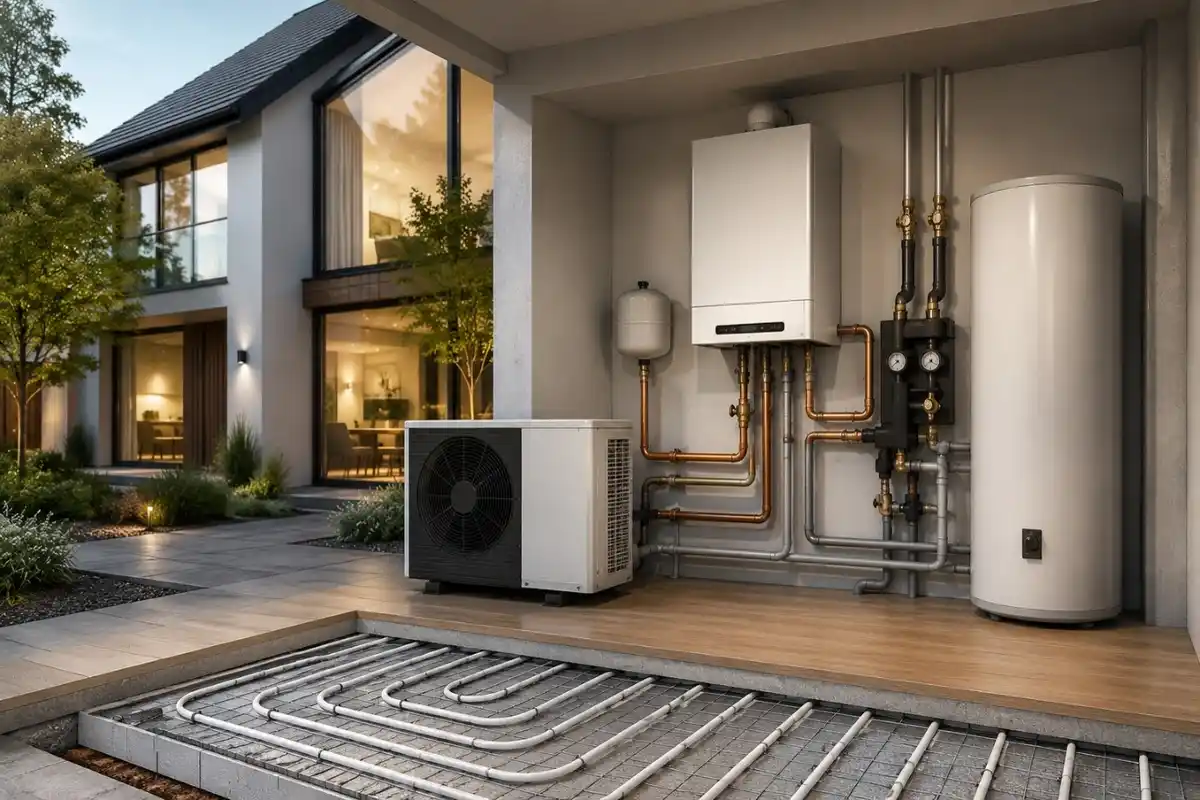
Modern homeowners have more heating options than ever before. High-efficiency gas boilers, air source heat pumps, underfloor heating, hybrid systems, and smart controls all contribute to improving residential energy performance.
The most suitable solution depends on several factors, including the age of the property, insulation quality, occupancy patterns, available space, and future renovation plans. Heating systems should never be considered in isolation; instead, they should form part of a coordinated building services strategy that balances performance with long-term flexibility.
Professional specification during the design stage helps ensure equipment is correctly sized, avoiding the inefficiencies associated with oversized or undersized systems.
The Importance of Professional Installation
Even the highest-quality heating equipment will fail to achieve its intended performance if installed incorrectly. Proper commissioning, hydraulic balancing, controls integration, and compliance with current building regulations are essential for delivering reliable operation.
For homeowners upgrading ageing systems, specialist providers offering boiler installation in Rochford Essex can assist in replacing outdated equipment with modern, energy-efficient alternatives that integrate more effectively with contemporary building standards.
Well-executed installation not only improves efficiency but also extends equipment lifespan and reduces the likelihood of costly maintenance issues in the future.
Integrating Renewable Technologies
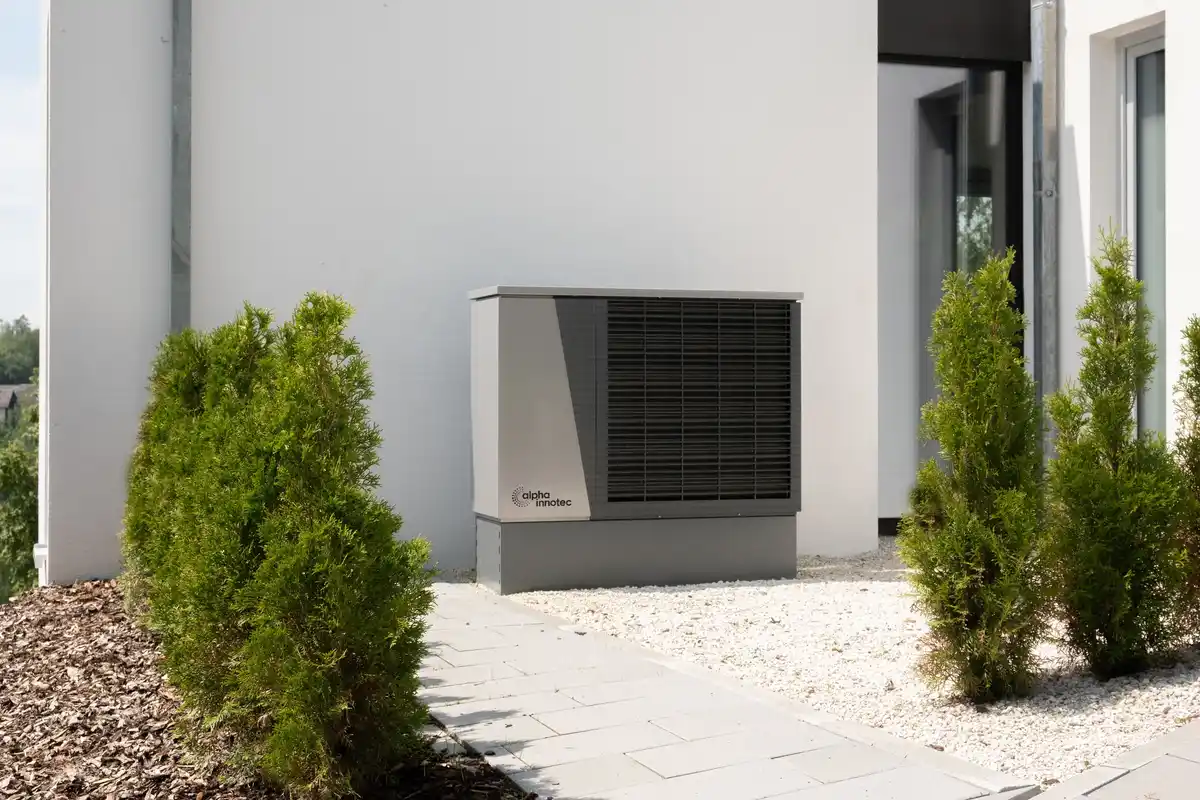
Residential heating is increasingly moving towards lower-carbon solutions. While gas boilers continue to play an important role in many existing homes, renewable technologies are becoming an increasingly significant part of heating design.
Solar thermal systems, heat pumps, battery storage, and intelligent energy management systems allow homeowners to reduce energy consumption while improving resilience against rising utility costs.
As regulations continue to evolve, buildings that are designed with future adaptability in mind will be better positioned to accommodate emerging technologies without requiring major structural alterations.
Smart Controls and Building Performance
Intelligent controls have transformed the way residential heating systems operate. Programmable thermostats, zoning controls, occupancy sensors, and remote monitoring enable heating systems to respond dynamically to occupant behaviour.
Rather than heating an entire property continuously, smart controls allow energy to be directed only where and when it is required. This improves comfort while reducing unnecessary energy use and operational costs.
When combined with well-insulated building envelopes and efficient mechanical systems, intelligent controls contribute significantly to long-term building performance.
Collaboration Across Building Services
Successful residential projects depend upon close coordination between architects, structural engineers, and mechanical specialists. Heating systems influence ceiling voids, plant spaces, service routes, ventilation strategies, and internal layouts.
Companies such as Lloyd’s Gas and Renewables demonstrate how specialist expertise in both conventional heating and renewable energy technologies can support integrated building services that align with modern architectural objectives.
Early collaboration ensures that mechanical systems complement rather than compromise the overall design vision.
Future-Proofing Residential Buildings
Building regulations and environmental expectations continue to evolve. Designing homes with future heating upgrades in mind provides greater flexibility as technologies develop.
Allowing sufficient plant space, selecting adaptable distribution systems, and planning service routes carefully enables future improvements to be implemented with minimal disruption.
Future-proofing also protects long-term property value, as energy-efficient homes increasingly appeal to buyers seeking lower operating costs and improved environmental performance.
Conclusion
Modern heating systems are no longer standalone building components—they are fundamental elements of residential architecture. When integrated with high-performance building envelopes, intelligent controls, and sustainable design principles, they contribute significantly to occupant comfort, energy efficiency, and long-term building resilience.
By considering heating as part of a coordinated architectural strategy rather than an isolated mechanical installation, designers and homeowners can create buildings that remain efficient, adaptable, and comfortable for decades to come. This integrated approach continues to shape the future of residential architecture, where building performance and design quality are increasingly inseparable.
Comments on this guide to Modern heating systems: designing homes for efficiency and long-term performance article are welcome.
Home Heating

image source : pexels.com
Heat Pump Posts
How much does a heat pump system cost
Make your heat pump installation successful
6 benefits of Heat Pumps Hot Water System

++
Building Articles
Property Articles
Comments / photos for the Modern heating systems: designing homes for efficiency and long-term performance advice page welcome.