
Designing for Low-Temperature Heat: Why Underfloor Heating and Heat Pumps Belong Together
4 June 2026
For most of the last century, heating design was simple to the point of being invisible. A boiler burned gas, and hot water ran to radiators sized by rules of thumb. As homes move away from fossil fuels and toward heat pumps, that simplicity has gone, and heating has become a genuine design question again. The reason is temperature. A heat pump does its best work at a far lower flow temperature than a boiler, and that single fact changes which emitters make sense and how a building should be put together to use them.
It is in this context that underfloor heating has shifted from a comfort luxury to a design-logical partner for the heat pump. The two technologies are matched at the level of physics, and increasingly they are specified together for performance reasons rather than indulgence.
The Thermodynamic Match
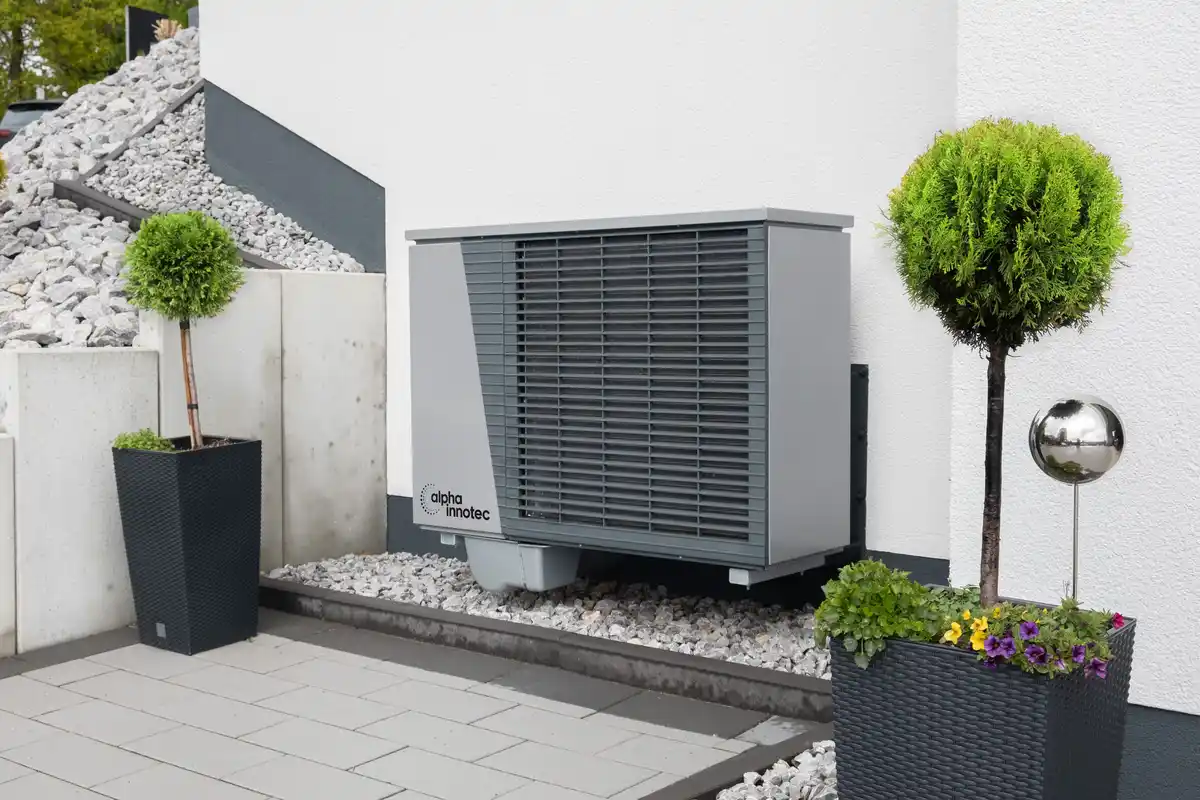
A heat pump is most efficient when it runs at a low flow temperature, generally between 35 and 45 degrees, against the 65 to 75 degrees a gas boiler uses. The lower the water temperature it has to produce, the more heat it returns for each unit of electricity it draws. The catch is that an emitter giving out heat at 40 degrees needs a far larger surface area than one running at 70 to put the same warmth into a room.
A radiator answers this by getting bigger, sometimes considerably so. A floor answers it by already being the largest surface in the room. Underfloor heating turns the entire floor plate into a gentle, low-temperature emitter, which is precisely the condition a heat pump wants. This is why specifying underfloor heating installation alongside a heat pump is less a luxury decision than a performance one. The pairing lets the heat pump sit at its most efficient setting while keeping the room comfortable and the walls clear.
What It Asks of the Building
For anyone designing or renovating a home, the interesting part is what this asks of the building itself. Underfloor heating is not laid on top of a finished structure. It is part of the floor build-up, and it has to be considered early.
In new build this is straightforward. Pipework is set into a screed over insulation, screed depth and floor levels are planned from the outset, and the system effectively disappears into the structure. The thermal mass of that screed also suits a heat pump’s steady, continuous operation, holding and releasing warmth gently rather than in bursts.
Retrofit is where the design thinking matters most. A traditional wet screed system can add meaningful height to a floor, which is rarely available in an existing home without raising levels and reworking thresholds and door heights. Low-profile systems exist for exactly this reason, adding far less build-up, though they shift the calculation around output and response. Insulation beneath the pipes is not optional either, since without it a significant share of the heat is simply lost downward. These are decisions that belong on the drawing board, not on site.
Efficiency as a Whole-System Result
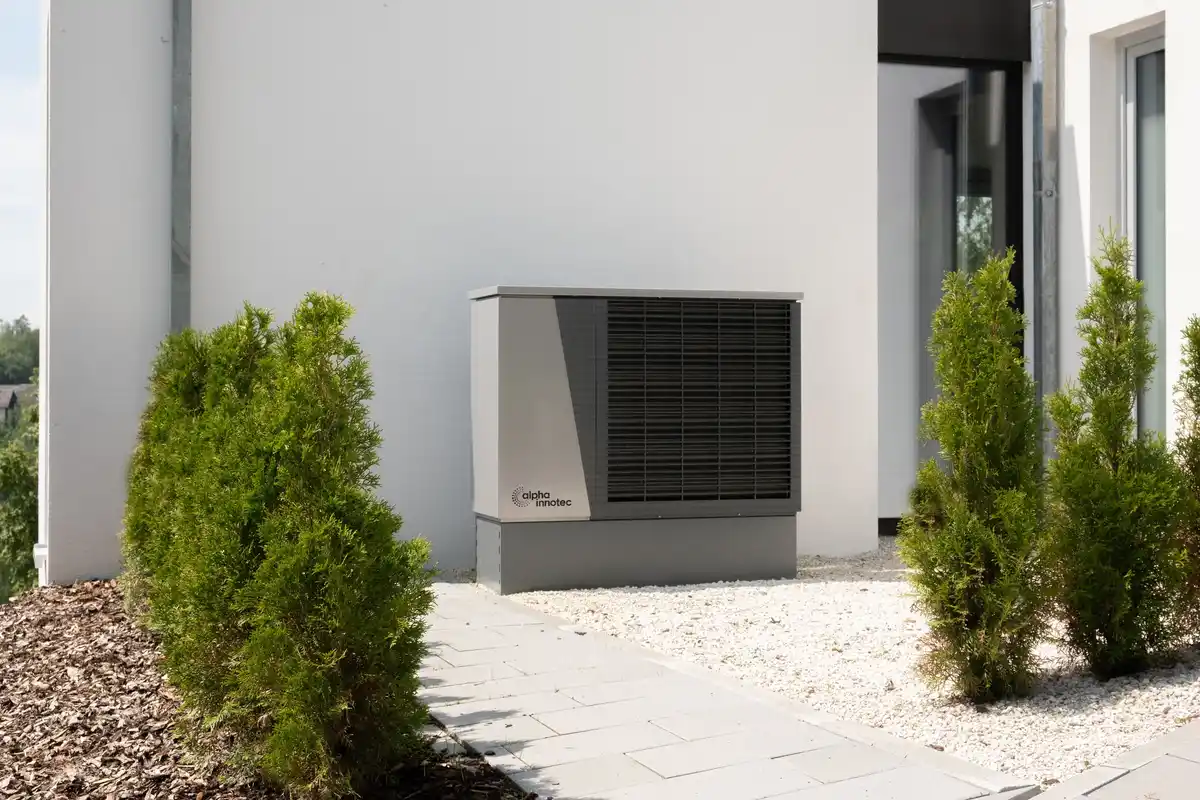
The reward for getting this right is measured in performance. Because the floor lets the heat pump run at a low flow temperature across the whole heating season, the system reaches a high seasonal efficiency, often delivering three to four units of heat for every unit of electricity it uses. That is where the running-cost advantage of a well-designed heat pump comes from, and underfloor heating is one of the cleanest ways to unlock it.
It works best as part of a fabric-first approach. A well-insulated, reasonably airtight building has a low heat demand, which a low-temperature floor can satisfy comfortably. Treat the fabric, the emitter and the heat source as one system designed together, and the outcome is efficient and even. Treat them as separate purchases joined at the end, and the performance suffers no matter how good any single component is.
The Architectural Dividend
There is an upside here that is easy to overlook. Underfloor heating removes radiators from the equation, and with them the constraint they place on a space. Walls are freed for glazing, art, joinery, or simply clean uninterrupted lines. Furniture sits where the design intends rather than where the radiators allow. Heat arrives evenly across the floor plane instead of radiating from a few hot points, which tends to read as more comfortable as well as looking better.
Floor finish does need thought, since it sits between the heat and the room. Stone and tile are ideal, conducting heat readily. Engineered timber performs well when it is specified for the purpose. Thick carpet and heavy underlay work against the system by insulating the very surface meant to emit heat, so the finish has to be chosen with the heating in mind rather than decided after it.
Integration Over Improvisation
The thread running through all of this is that underfloor heating and heat pumps reward integration and punish improvisation. The floor build-up, the insulation, the room-by-room heat loss, the emitter output and the heat pump sizing are not independent choices. They are a single design problem, and the projects that perform best are the ones where they were solved together, early, by people who understood how each decision shapes the others.
Approached that way, the combination is hard to beat: a quiet, efficient, low-carbon system that warms a home evenly and leaves the architecture uncluttered. For new homes it is fast becoming the default. For renovations it takes more planning, but where the floor build-up allows, the pairing of a heat pump and a well-designed floor is one of the most rewarding decisions a project can make.
Comments on this guide to Underfloor heating and heat pumps low-temperature heat at home article are welcome.
Home Heating

image source : pexels.com
Heat Pump Posts
How much does a heat pump system cost
Make your heat pump installation successful
6 benefits of Heat Pumps Hot Water System

++
Building Articles
Property Articles
Comments / photos for the Underfloor heating and heat pumps low-temperature heat advice page welcome.

