What Makes a Heat Pump Water Heater Worth the Investment
8 June 2026
Replacing a water heater often starts with price, yet that first number rarely tells the full story. A heat pump model costs more at purchase, though the long view can look very different. Lower electrical demand, steadier output, and a longer planning horizon often shift the calculation. For households that use hot water every day, the extra cost may reflect durable value rather than a simple premium.
Lower Running Costs
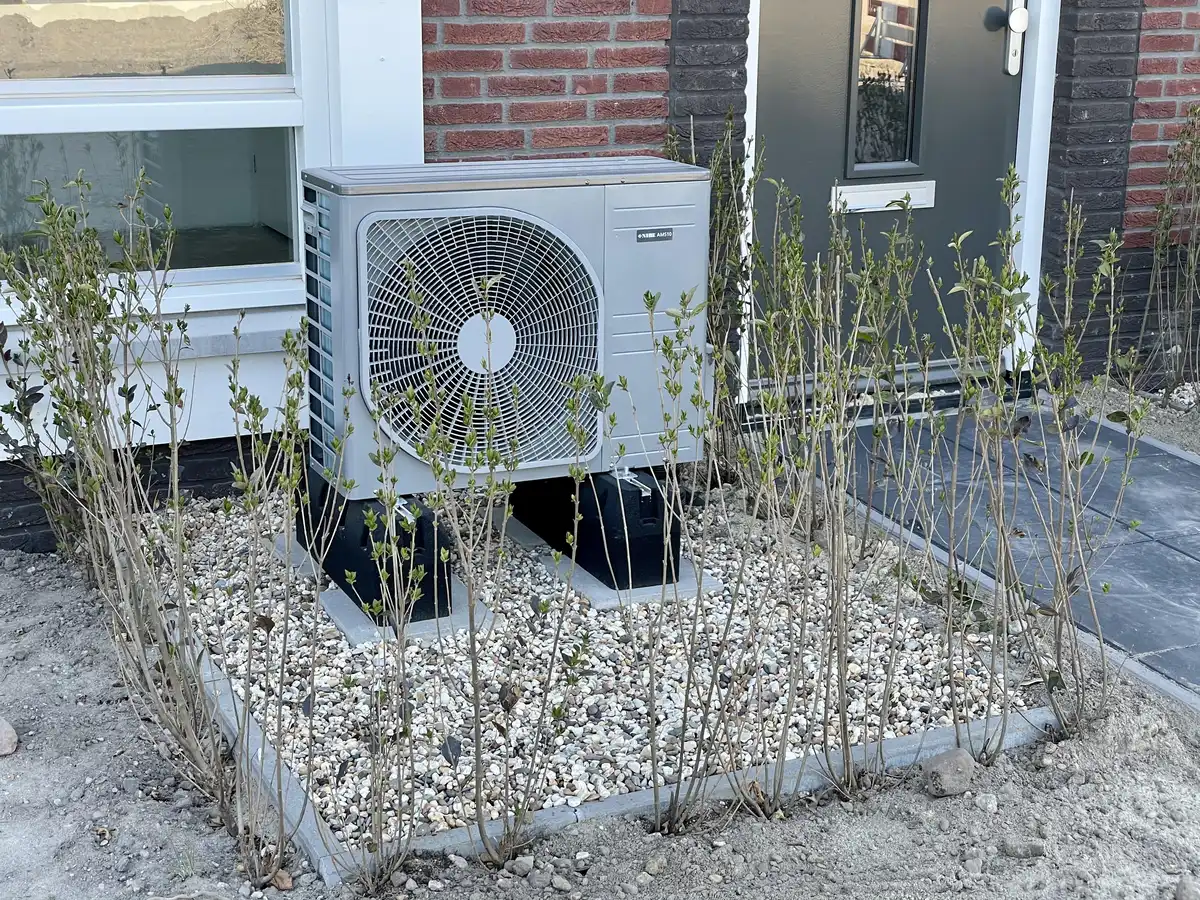
Many homes spend more on water heating than expected, because a standard electric tank creates warmth directly and draws substantial power each cycle. By contrast, a Quality Heat Pump Water Heater pulls heat from the surrounding air and transfers it into stored water. That process usually trims electricity use, which can ease monthly utility pressure and improve long-term household budgeting.
Efficiency Changes the Math
Efficiency often determines whether a higher purchase price feels justified after a few years. Some hybrid units reach a uniform energy factor of 3.84, a figure that far exceeds many standard electric tanks. That difference matters in daily operation. Less purchased power is needed to deliver the same hot water, so ongoing costs can decline without changing normal household habits.
More Hot Water Availability
Savings are useful, yet comfort still matters in real homes. First-hour ratings on several models range from 65 to 95 gallons, depending on tank size and configuration. That level of output can support morning showers, laundry loads, and dishwashing without frequent shortages. Families with clustered routines often notice the benefit quickly, because recovery remains steadier after heavy use.
Incentives Reduce the Gap
Initial cost can look less severe once rebates and tax credits enter the picture. Federal incentives may apply, and some utility providers offer regional programs that lower the final bill. Those savings can narrow the difference between a hybrid unit and a conventional electric tank. For buyers comparing total ownership cost, that smaller gap may shorten the payback period by several years.
Warranty Supports Value
Long-term value depends on durability as much as efficiency. Many models in this category carry a 10-year limited warranty, which suggests confidence in internal components and tank construction. That coverage can reduce financial uncertainty during early ownership. A buyer is paying for lower operating expenses but also for equipment expected to provide dependable hot water across a meaningful service life.
Performance Options Matter
Households use hot water in very different patterns, so sizing has real consequences. Available models include 50, 66, and 80-gallon capacities, along with versions that support smart controls or grid response. A close match between demand and tank size protects value. Too little storage can create daily frustration, while excess capacity may raise purchase cost without adding practical benefit.
Smart Features Add Control
Some units include app-based monitoring, scheduling tools, and settings that adjust performance during vacation periods or heavy use. Others can participate in utility demand-response programs where such options exist. Control features matter because they shape real-world efficiency, not just laboratory ratings. Households that can shift operation during lower-demand hours may reduce costs without sacrificing access to hot water.
The Home Must Fit
Installation conditions strongly influence whether projected savings appear in practice. Heat pump water heaters perform best where air volume is adequate and ambient temperatures remain within a workable range. They also need space for airflow and a path for condensate drainage. If you ignore those basics, efficiency can drop. Site evaluation deserves the same attention as purchase price.
Daily Use Shapes Payback
Payback varies widely because household demand patterns differ. Homes with several occupants, frequent laundry, and regular bathing usually see stronger savings, since hot water use remains high throughout the year. Smaller households may still benefit, though the financial return may take longer. Local electricity rates also matter, because each avoided kilowatt-hour carries greater value where power costs are higher.
Conclusion
A heat pump for a water heating tends to justify its higher upfront cost when installation conditions are suitable and household demand is steady. Lower electrical use, stronger first hour output, available incentives, and longer warranty coverage can shift the decision from expensive to sensible. Looking beyond sticker price gives a clearer measure of value. In many homes, that broader view supports the added investment with measurable, lasting benefits.
Comments on this guide to What Makes a Heat Pump Water Heater Worth the Upfront Investment article are welcome.
Home Heating

image source : pexels.com
Heat Pump Posts
How much does a heat pump system cost
Make your heat pump installation successful
6 benefits of Heat Pumps Hot Water System

++
Building Articles
Property Articles
Comments / photos for the What Makes a Heat Pump Water Heater Worth the Upfront Investment page welcome.