Designing Roofs for Long-Term Building Performance and Resilience
29 June 2026
The roof is one of the most important elements of any building, serving as the first line of defence against the weather while contributing significantly to structural integrity, energy efficiency, and occupant comfort. Although architectural attention often focuses on façades and interior spaces, roofing systems play an equally important role in determining how a building performs over its lifetime.
Modern residential architecture increasingly demands roofs that do more than provide shelter. They must manage water effectively, improve thermal efficiency, accommodate renewable technologies, and withstand increasingly unpredictable weather conditions. Designing with these objectives in mind helps create buildings that remain resilient, sustainable, and cost-effective for decades. Modern roofing is therefore regarded as a key contributor to both building form and long-term performance.
Roofing as Part of the Building Envelope
A roof should never be viewed as an isolated construction element. Instead, it forms an integral part of the building envelope, working alongside walls, insulation, windows, and ventilation systems to regulate internal conditions.
Carefully designed roof assemblies minimise unwanted heat loss during winter while limiting excessive solar gain in summer. Combined with effective insulation and airtight detailing, high-quality roofing systems contribute significantly to lower operational energy demands and improved occupant comfort.
Architects increasingly adopt a whole-building approach in which every component supports overall environmental performance rather than functioning independently.
Material Selection and Durability
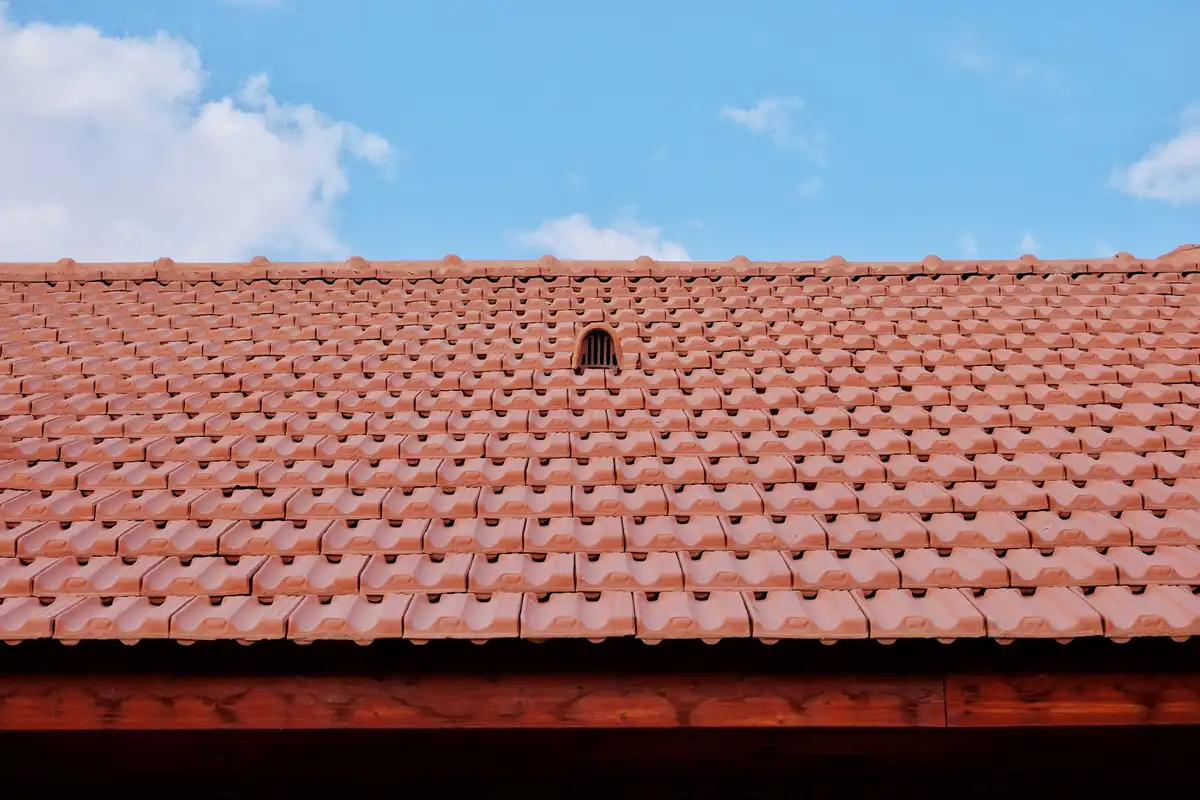
The choice of roofing material has a direct influence on maintenance requirements, service life, and visual appearance. Slate, clay tiles, metal roofing, and modern membrane systems each offer distinct advantages depending on the building type, climate, and architectural intent.
Equally important is ensuring that materials are installed correctly and specified according to the building’s structural requirements. Durability depends not only on the product itself but also on detailing around roof junctions, flashings, drainage systems, and ventilation.
Selecting robust materials at the design stage often reduces lifecycle costs while preserving the architectural character of the building for many years.
Improving Thermal Performance
Energy efficiency remains a major consideration in contemporary architecture. Roofs represent one of the largest exposed surfaces of a building and therefore have a considerable influence on thermal performance.
Well-insulated roof structures reduce heating demand during colder months while helping prevent overheating during warmer periods. Reflective finishes, ventilated roof spaces, and high-performance insulation all contribute to improved building efficiency.
Current building regulations continue to place greater emphasis on reducing energy consumption, making roofing design an increasingly important part of sustainable residential construction.
Preventative Maintenance Protects Buildings
Even the highest-quality roof requires periodic inspection and maintenance. Weather exposure, temperature fluctuations, and natural ageing gradually affect roofing materials, making early intervention essential for preventing more significant structural problems.
Routine inspections can identify damaged tiles, blocked drainage systems, deteriorating flashings, or membrane defects before water penetration causes internal damage. Preventative maintenance is considerably more cost-effective than extensive repair work following prolonged deterioration.
Professional contractors such as Primefix Roofcare demonstrate the importance of planned roof maintenance in preserving both structural integrity and long-term building performance.
Integrating Modern Roofing Technologies
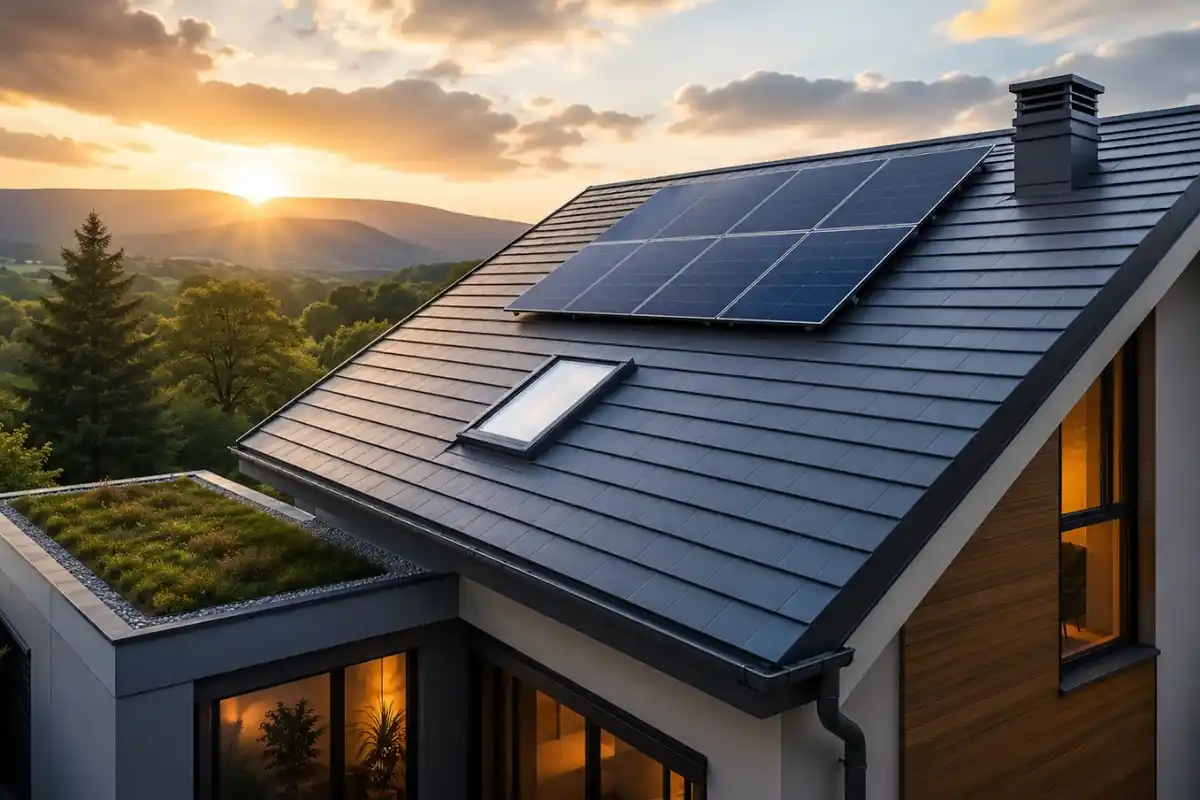
Contemporary roofs increasingly accommodate technologies that were rarely considered during previous generations of residential design. Solar photovoltaic panels, green roofs, rooflights, rainwater harvesting systems, and integrated ventilation all place additional demands on roofing structures.
Successful integration requires early collaboration between architects, structural engineers, and roofing specialists to ensure waterproofing, loading requirements, and maintenance access are fully considered during the design process.
Rather than viewing these additions as separate components, architects now treat them as part of a unified building performance strategy.
Collaboration Between Design and Construction
Effective roofing solutions depend upon close cooperation throughout the project lifecycle. Architects establish the design intent, engineers verify structural performance, and experienced roofing specialists ensure systems are installed in accordance with technical specifications.
Companies including Enterprise Roofing Limited illustrate how specialist roofing expertise contributes to delivering durable installations that align with modern architectural standards while supporting long-term maintenance objectives.
This collaborative approach reduces construction risks and improves the overall quality of completed buildings.
Planning for Future Resilience
Climate change presents new challenges for building designers. More frequent heavy rainfall, stronger winds, and rising temperatures require roofing systems that are capable of adapting to increasingly demanding environmental conditions.
Future-proofing involves selecting resilient materials, designing effective drainage, allowing safe maintenance access, and ensuring roofs can accommodate future technologies without extensive structural alteration.
Buildings designed with resilience in mind are better equipped to maintain performance throughout their service life while reducing repair costs and environmental impact.
Conclusion
Roof design has evolved beyond its traditional role of providing weather protection. It is now a fundamental component of building performance, influencing energy efficiency, sustainability, durability, and occupant comfort.
By treating roofing as an integrated part of the architectural design process, professionals can create buildings that perform more efficiently, require less maintenance, and remain resilient in the face of changing environmental conditions. Careful material selection, quality installation, and proactive maintenance ensure that roofs continue to protect both the structure and its occupants for generations, making them one of the most valuable long-term investments in residential architecture.
Comments on this guide to Designing roofs for building performance and resilience article are welcome.
Home Roofing

Roofing Posts
Connecting the Roofing and Architectural Character
++
Homes
Residential Architecture Articles
Comments / photos for the Designing roofs for building performance and resilience advice page welcome.