
Positioned Before Completion: How Prime Property Earns Its Value Before It Is Built
8 June 2026
Standfirst: In luxury real estate, value is shaped by narrative as much as by architecture. The most enduring developments are defined long before the first foundation is poured.
Walk a prime development at the moment of launch and you will find the building only half present. The structure may be topped out, the show apartment dressed, the hoardings freshly printed. Yet the thing being sold is rarely the square footage. It is a proposition: a way of understanding the place, its address, its company, and the life it implies. In luxury real estate, perception arrives ahead of completion, and perception is designed.
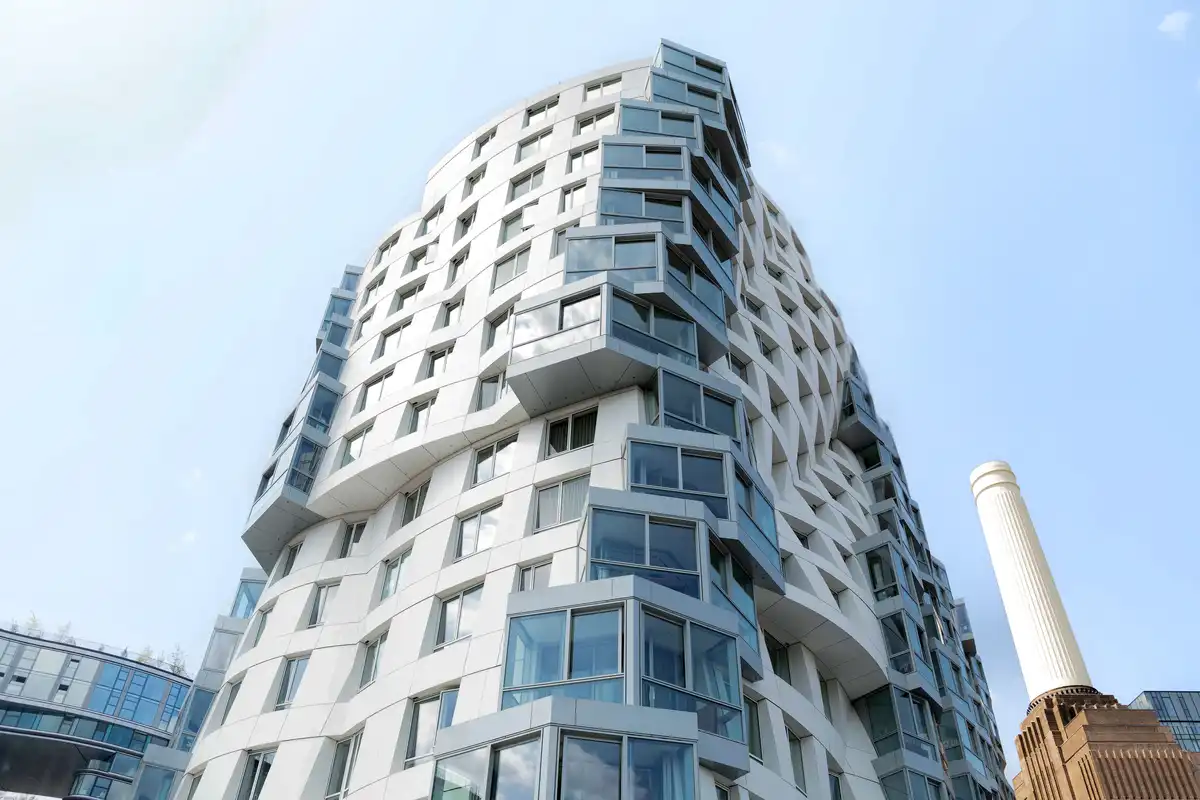
This is the part of a development that architects seldom control and developers cannot afford to leave late. A scheme has to communicate confidence, longevity and cultural intelligence long before anyone can stand inside it. The masterplan tells a story. The name sets an expectation. The identity system, from typography to the restraint of a sales suite, either earns trust or quietly erodes it. Buyers at this level are investing in a vision, and the vision has to hold its authority across investors, cultures and markets that may never meet in person.
The discipline that makes this work is closer to architecture than to advertising. Good identity, like good building, is an exercise in subtraction. It resists the temptation to say everything at once. It establishes a hierarchy and holds it. It treats every touchpoint, the brochure, the wayfinding, the CGI art direction, the investor deck, as part of a single coherent language rather than a series of campaigns. Where mainstream property marketing chases attention, prime property earns it through clarity and the confidence to leave things out.
That is also why naming carries such weight. A name is usually the first strategic decision in a development’s life, and one of the hardest to reverse. It has to balance commercial clarity with architectural and cultural relevance, and it has to survive translation across international audiences without losing its composure. Get it right and it becomes the spine of everything that follows. Get it wrong and every later decision spends energy compensating for it.
None of this is decoration applied at the end. It is long-term brand infrastructure, built to support an asset across phases, sub-brands and years of market change. This is the territory occupied by SUM, a Shoreditch studio that leads brand definition for prime developments and branded residences, whose work on schemes such as 24 Cornhill treats architectural heritage and contemporary restraint as two halves of the same problem rather than competing instincts. The role is not estate marketing. It is the definition of how a place will be understood, set down early enough to shape the architecture’s reception rather than merely describe it.
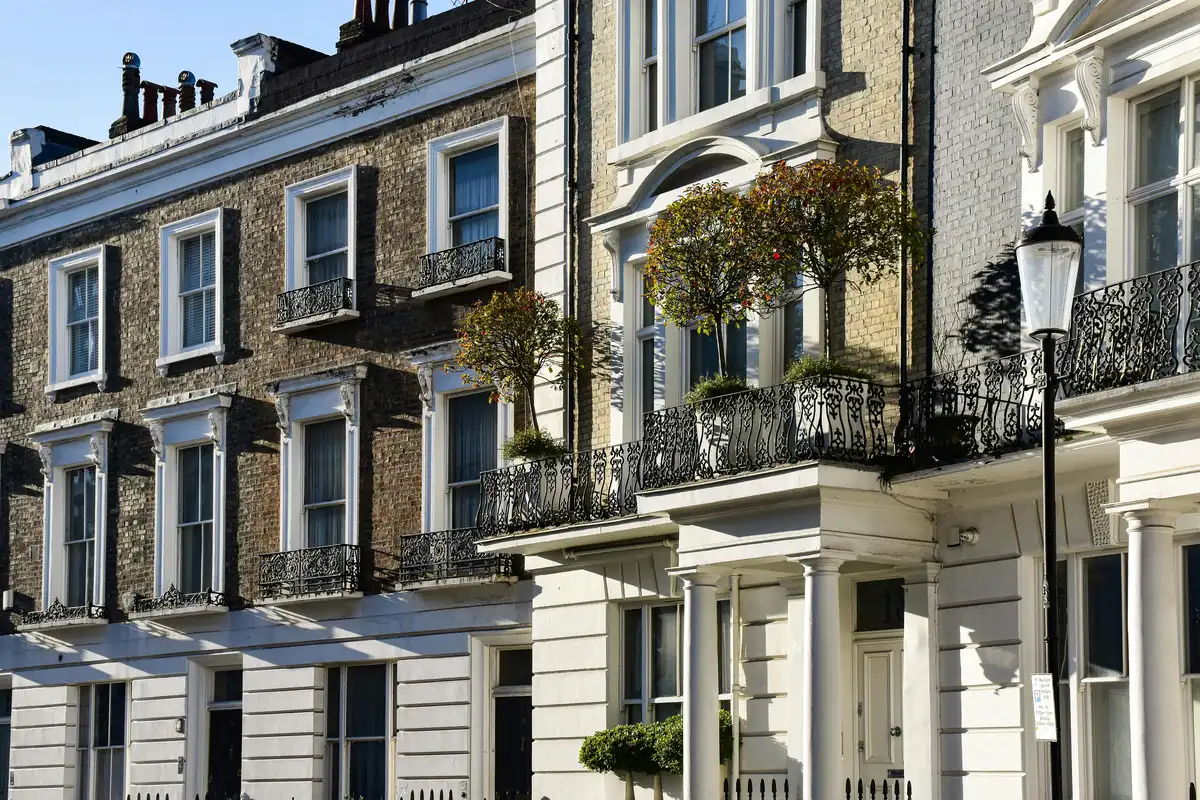
The discipline is being tested in a useful way by the rise of branded residences. As more developments integrate a hotel operator or wellness brand, the identity of the building and the identity of the service start to merge. The home now inherits the service rituals and spatial cues of luxury hospitality: the way light, material, sound and information are choreographed so the experience feels seamless from first impression to final detail. For developers, that overlap is an opportunity and a risk. Handled well, the hospitality layer deepens the proposition and supports pricing. Handled carelessly, two brand systems compete and the result feels confused at exactly the price point where confidence matters most.
What unites the strongest examples is patience. They begin brand thinking at concept or masterplanning stage, when naming, narrative and architectural intent can still inform one another. They accept that in this market a clearly defined brand strengthens positioning, supports pricing confidence and contributes to long-term asset equity, rather than delivering a short-lived spike of visibility at launch. And they understand that restraint is not caution. It is the most reliable signal of authority a development can send.
A building, in the end, is finished before it is built, in the minds of the people deciding whether to believe in it. Architecture earns its reputation over decades. The brand has to earn it in advance. The developers who grasp that, and who give identity the same rigour they give the structure, are the ones whose places still feel inevitable long after the scaffolding comes down.
Comments on this guide to How prime property earns its value before it is built article are welcome.
Building and Property Design
Residential Architecture Articles
++
Home Loft Conversions
Home Loft Conversion Posts
Top reasons to do a loft extension for your home
Does a Loft Conversion mean moving out during Construction Work
Comments / photos for the How prime property earns its value before it is built advice guide page welcome


