Why the kitchen isn’t as safe as it looks: and how design can fix that, Home appliances and fixtures, Property interior style guide
The Kitchen is not as Safe as It Looks
28 July 2025
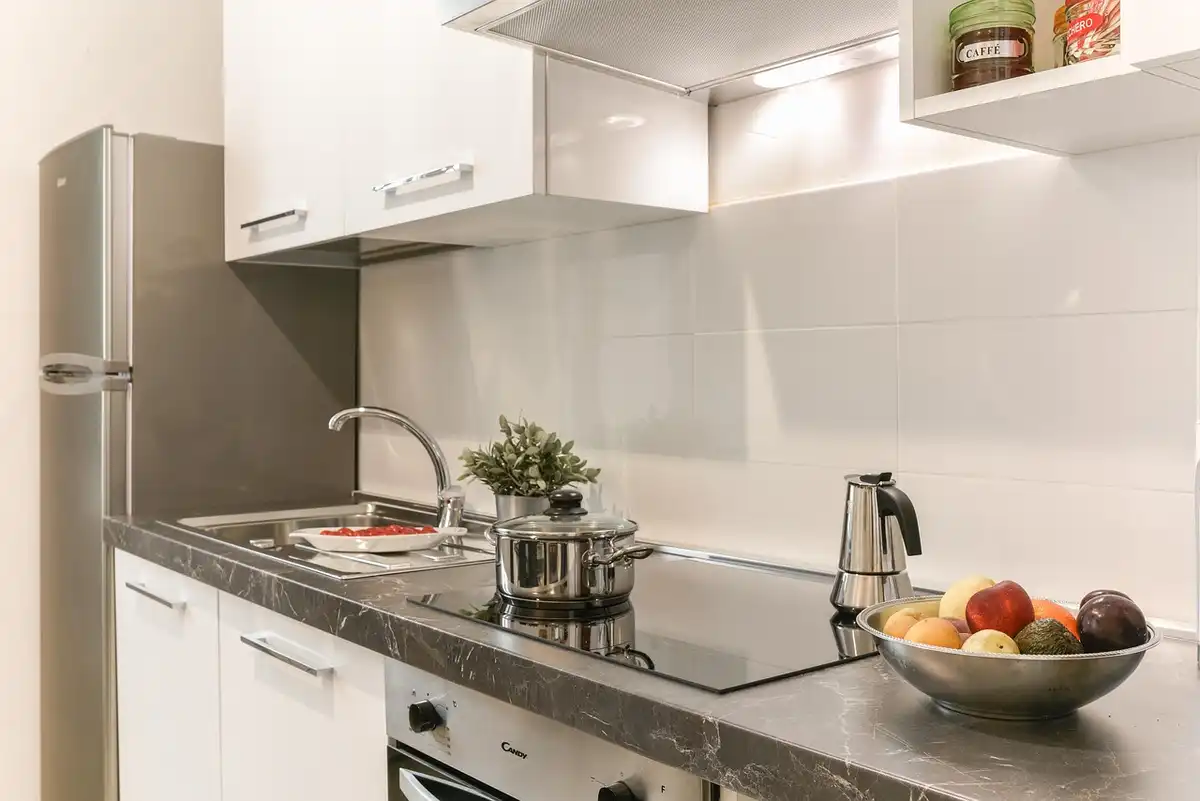
Slippery floors, sharp corners, poor layout, everyday kitchens hide more risks than most realize. Discover how smart design choices can quietly make a big difference.
Smart Kitchen Layouts: Architectural Strategies to Minimize Injury Risks
One would believe that the kitchen is the safest area in the house, since one spends much of his or her time here. But have a little closer look and you will find out that there is a lot of hidden danger. Tiles that are wet by the sink, pots that are too hot to touch at the stovetop, drawers that would have a knee, it is all of that. Kitchen statistics show that injuries are not exotic and rather rampant.
You can see homes with stunning finishes and thoughtful storage, but even the most beautiful spaces can be dangerous if the layout hasn’t been thought through with real-world traffic in mind. In this article, you’ll take a closer look at how small architectural decisions: layout, materials, and functionality, can discreetly prevent serious problems.
Source – www.alure.com/home-improvements-blog/kitchens/5-things-to-consider-when-designing-a-safe-kitchen (offline when checked 2 Nov 2025)
Understanding Common Kitchen Hazards
You might not notice the danger until it’s too late. That’s what makes kitchen hazards so tricky. Many accidents happen in the blink of an eye, a wet floor, an open drawer, or a misstep with a knife. Here are some of the most common causes of injury in the kitchen:
- Slips and falls on slick floors
- Burns from hot pots, pans, or open flames
- Cuts from knives, broken glass, or sharp edges
- Collisions in tight or poorly lit spaces
These issues aren’t just household problems, they’re architectural opportunities. When architects consider the flow of movement and space, the kitchen becomes not only functional but safer too.
The Role of Layout in Preventing Accidents
When it comes to safety, layout matters more than you think. A well-organized kitchen makes every task smoother, and every movement less risky. One of the best-known planning principles is the work triangle. It connects the stove, sink, and refrigerator, the three busiest points in most kitchens. The idea is to reduce the number of steps between them while keeping each zone accessible and clear.
But even with a triangle in place, it’s important to avoid crowding. If the oven door opens into a walkway or the fridge blocks a cabinet, you’re asking for trouble. Smooth circulation paths and smart appliance placement help reduce these everyday frustrations, and injuries.
Design Strategies to Improve Safety
The kitchen does not fit everyone. There are, however, some architectural decisions that always result in safer effects. Those are some of the most important tips which professionals share with you and actual homeowners adore.
Maximise the Work Triangle
Keep the priority jobs such as cooking, cleaning, storing within reach. Less walking equates to minimal tripping, dropping and spilling.
Slip-Resistant Materials
Don t just select the flooring based on styles. Select textures, which enhance grip, around the sink or entry. Look for: Honeycomb vinyl or cork; Matte ceramics tiles; Rubber backed floor materials (in strategic places); Polished stone or glossy finish is to be avoided.
Edges round the Edges
The corners of the countertops must not be sharp. Soft curves and rounded edges reduce the chances of severe injury, particularly, in kitchens that have small walking space.
Lighting of the right zones
Risky lighting may be a problem. Pay attention to surfaces of more frequent use such as stovetops, cutting boards, and sinks. Graduated lighting design, fastened lighting, under-cabinet and task lighting provides a more receptive, noticeable working space.
The Respect of various heights
Think out of the ordinary. There are various behaviours among seniors, children as well as individuals with disabilities towards space. The kitchen can be made friendlier, and safer, by all reducing appliances, or having pull-out shelves.
Examples of Safe Kitchen Layouts
Some layouts work better than others, especially when safety is the goal. Two standouts are the L-shaped and U-shaped designs. An L-shaped kitchen tucks appliances along two walls, leaving the rest open for easy movement. There’s plenty of room for multiple people to cook without bumping elbows.
A U-shaped layout, on the other hand, wraps storage and workspace around three sides. It’s ideal for solo cooking or small households. With everything within arm’s reach, you minimize sudden turns or risky crossovers. In both designs, the key is minimizing obstacles and ensuring there’s enough breathing room, literally and figuratively.
Smart Materials and Surfaces
Design isn’t just what you see, it’s also how surfaces feel and behave under pressure. In the kitchen, materials that look great but perform poorly can be a real hazard. Here’s what to consider:
- Induction cooktops: They heat only the cookware, not the surface, reducing burn risk.
- Laminate and wood countertops: Softer than stone, they reduce injury if you bump into them.
- Matte-finish tiles or anti-slip vinyl: These make excellent flooring, especially in high-moisture zones.
- Soft-close cabinets and drawers: They prevent finger injuries and reduce sudden noise.
These small details might not seem flashy, but they create a kitchen that’s safer, quieter, and more enjoyable to use every day.
Future-Proofing the Kitchen
Technology isn’t just about convenience anymore. In modern kitchens, it plays a growing role in safety, especially for families, seniors, and busy households. Today’s smart design features include:
- Motion-activated lighting: no more stumbling in the dark
- Touchless faucets: fewer germs and less mess
- Voice-controlled appliances: safer multitasking
- Sensors for smoke, gas, or leaks: alerting you before danger grows
- Smart refrigerators: tracking freshness to avoid food-related illness
Architects who embrace these tools help their clients stay ahead, not just in style, but in safety too.
Conclusion
After all, kitchen safety is not really just what not to do. It is about planning spaces that expect actual human behaviour or rather move, distracted, and multitasking and react in a considerate way. Architects can make the kitchen a secure place in everyday life by using careful lay-outs, cautious materials and accommodating designs.
Comments on this guide to Why the Kitchen Isn’t as Safe as It Looks: And How Design Can Fix That article are welcome.
Kitchen Design
Kitchen Articles
Installing Modular Kitchen in Your Home
Selecting the Right Storage Cabinets for Your Kitchen
Property Design
Contemporary Property Designs – recent architectural selection:
Comments / photos for the Why the Kitchen Isn’t as Safe as It Looks: And How Design Can Fix That page welcome.