5 Smart Home Integrations That Maximise Your EV Charging Efficiency
12 June 2026
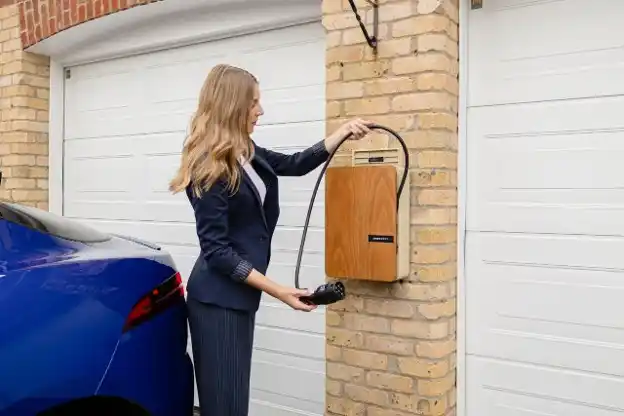
image source : pexels.com
Electric vehicles can be charged at home, which is a major benefit. They can charge at home and start their trip the next day, rather than using public charging outlets. Unplanned home charging could increase electricity demand. EV owners value smart home integrations more.
Efficient EV charging goes beyond the charger. Solar generation, battery storage, timing, electricity rates, and home power use also affect the overall energy system. A professional heating, cooling and renewable energy installer, such as GSM Ltd, can integrate smart energy systems, renewable power, and home technology to enable homeowners to charge EVs cheaply.
- Intelligent EV Chargers
Plug-in electric vehicle chargers give homeowners less control than smart chargers. It can schedule charging periods, monitor energy use, and connect to vehicle electrical use apps. That makes charging easier when power is cheaper or household demand is lower. Some smart chargers adjust charging speed based on the house’s electricity. This reduces electrical system stress when other high-demand appliances are running. Multi-energy home charging can be more steady and predictable with this management.
- Solar Panel Integration
Solar panels can boost EV charging efficiency by supplying some residential electricity. On sunny days, excess solar power can charge the vehicle rather than the grid. This improves energy efficiency for homeowners. Timing matters. Solar generation is highest during the day, when few people are around. Smart scheduling can charge the automobile during spare time or during battery storage. Over time, careful solar planning can reduce grid electricity demand and charges.
- Home Battery Storage
A home battery can store excess solar or cheaper grid power. This is beneficial for EV owners because there’s strong demand for charging at night, when households are using lights, appliances, entertainment systems, and air conditioning or heating. The battery allows the resident to draw energy from it rather than from the grid at peak prices. It also allows for flexibility during outages and high loads. “EVs are not your regular home appliances, and they need the right size. They consume more energy.
- Smart Energy Monitoring
Energy monitoring systems tell homeowners how much electricity their EV charger uses compared to the rest of the home. Without monitoring, it is difficult to identify whether the larger expenses are due to vehicle charging, cooling, appliances, or domestic activities. A smart monitor reveals daily routines. This data tells the home when to charge, how well it uses solar electricity, and when to schedule other appliances. Greater visibility enables homeowners to understand usage better and make decisions based on real usage, not guesswork.
- Time of Use Schedule
Several electric plans have different daytime pricing. If rates are lower overnight or off-peak, scheduled EV charging can save drivers money without disrupting their routine. Connect the vehicle to the charger after use. This is very helpful for truckers with routine schedules. Smart systems can prepare the car in advance, saving costly hours. Charging at home on a schedule might reduce costs and spread them out.
Charging That Fits the Home
EV charging is more efficient when integrated into the residential energy grid. With a smart charger, solar panels, a home battery, an energy monitor and time-based scheduling, you may waste less and get more control. Each integration has its value. But often the finest results occur when they connect.
Comments on this guide to 5 smart home integrations to maximise ev charging efficiency article are welcome.
EV – Modern Energy Systems
Architectural Designs – selection below for property:
Distributed chargers for rural EV adoption
E.ON Ultra-fast Charging Stations by Graft
K:Port Mobility Hubs in England
Ultra Fast Charging Stations by COBE in Denmark
++
Building Articles
Architecture – selection:
Comments / photos for 5 smart home integrations to maximise ev charging efficiency advice page welcome.