Why Distributed Chargers Are Critical for Rural EV Adoption
26 August 2025
Electric vehicles have been gaining traction in urban centers, yet rural communities remain skeptical. The challenge lies not in awareness but in infrastructure. While city drivers can count on clusters of charging stations in shopping centers, office parks, and public garages, their rural counterparts often face long stretches of road without a single plug in sight. This asymmetry has left many rural consumers reluctant to make the switch, regardless of how much they value the environmental and economic advantages of EVs.
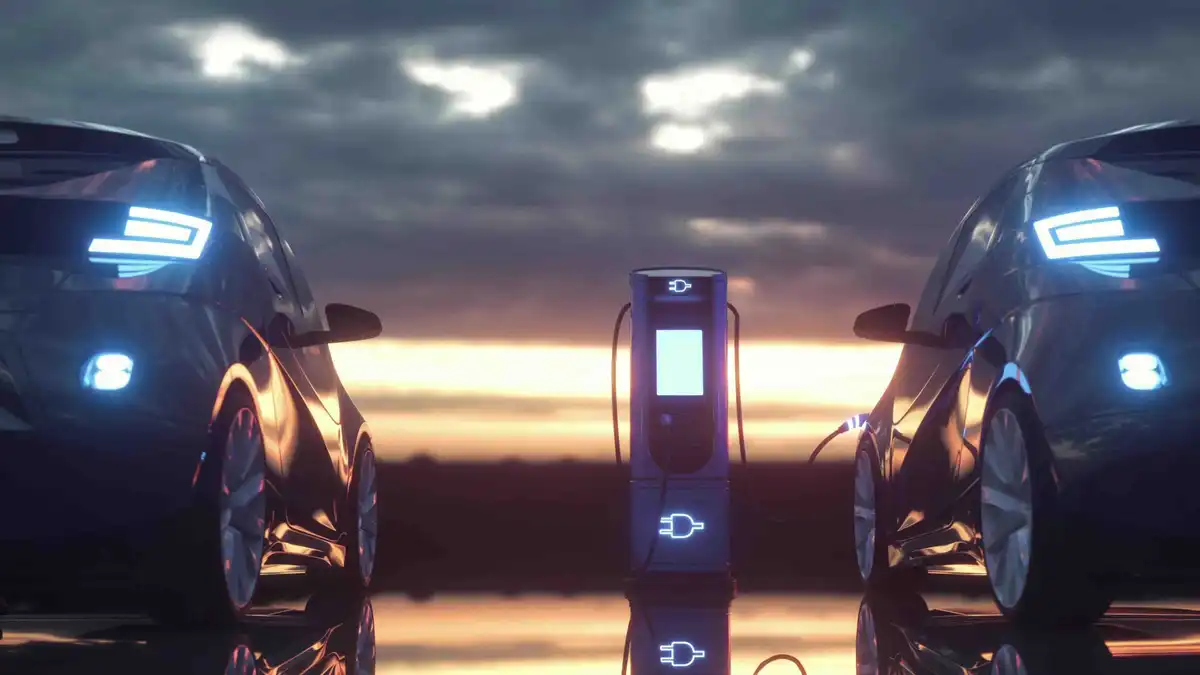
The paradox is clear: rural areas often have the most to gain from EV adoption but also face the greatest hurdles. For many agricultural communities, fuel costs weigh heavily on budgets, and EVs could provide a stable, predictable alternative. Yet without a reliable charging ecosystem, the notion of running out of power on a remote farm road is enough to keep drivers tied to gasoline. This creates a feedback loop where low adoption discourages investment, and lack of investment deters adoption.
Breaking this cycle requires more than incentives and rebates. It demands strategic infrastructure designed specifically for the rural context. That means placing chargers where they matter most: along regional highways, in small-town centers, and at community gathering points. The rural EV transition cannot depend solely on replicating the urban model of dense, centralized charging stations. Instead, it must embrace a distributed approach tailored to wide geographies and dispersed populations.
Why Distribution Matters
A distributed charging model is not simply about adding more stations. It is about designing a network that reflects the way rural drivers live, work, and travel. In areas where population density is low, building a massive centralized charging hub can be inefficient and underutilized. By contrast, spreading smaller charging nodes across communities ensures that drivers are never too far from the energy they need. The model resembles the way cellular towers were rolled out, with coverage prioritized over concentration.
Reliability is another key factor. In remote locations, a single point of failure can leave entire communities stranded without a functioning charger. Distributed systems mitigate that risk by decentralizing the power flow. Instead of one station handling the entire burden, modular architectures allow for multiple dispensers connected to shared power cabinets. This redundancy ensures that even if one unit requires maintenance, others can continue to serve drivers without interruption.
Companies are beginning to recognize the importance of this shift. For instance, ChargeTronix, a leading manufacturer and distributor of EV chargers across North and Latin America, has introduced its Nexus Distributed Charger System, a modular design featuring power cabinets that can energize several dispensers at once. This distributed architecture not only boosts reliability but also provides flexibility for rural communities where demand can fluctuate widely. By offering integrated payment options and robust customization, ChargeTronix illustrates how private sector innovation can meet the specific demands of rural EV adoption.
Economics of Accessibility
For rural regions, the economics of accessibility are just as critical as the technology itself. Installing centralized mega-charging stations often requires massive upfront investment in land, grid upgrades, and ongoing maintenance. This creates a financial barrier that few rural municipalities or businesses can overcome. Distributed chargers, by contrast, offer smaller entry points that can be scaled gradually as demand increases.
Local businesses stand to benefit from this incremental approach. When a diner on a state highway or a general store in a farming town installs a charging unit, it not only serves local drivers but attracts visitors who stop, recharge, and spend money. Unlike gasoline, which requires specialized storage and delivery, electricity is already part of the local grid. This makes the economics of charging stations much more accessible to mom-and-pop operators who can add charging capacity without transforming their entire business model.
Scaling also opens the door for innovative partnerships. Utility companies, state agencies, and private investors can pool resources to support distributed installations in ways that were not feasible with large-scale hubs. By reducing entry costs, distributed charging makes it easier to spread infrastructure across rural geographies, ensuring that adoption does not cluster exclusively around wealthier or more populated areas.
The Role of Local Utilities
Utilities are the linchpin of rural EV adoption. In many cases, rural electric cooperatives serve as the primary provider of energy, and their priorities can make or break the rollout of charging infrastructure. While utilities may hesitate to invest heavily in centralized urban-style charging stations, distributed models align better with their operational capacities. They can reinforce existing grid nodes and extend service incrementally, making the transition smoother for both providers and consumers.
The challenge, however, lies in balancing supply and demand. Charging stations, even in distributed networks, can create surges in local electricity usage. Without careful planning, rural grids risk overloading during peak times, particularly in areas already facing aging infrastructure. To mitigate this, utilities are exploring demand response systems and storage technologies that allow them to distribute energy more evenly and reduce strain.
Policy support is also essential. Federal and state incentives can empower rural utilities to expand their networks without placing undue burden on ratepayers. Programs that subsidize the installation of distributed chargers in underserved areas ensure that the transition is equitable. Without these incentives, the financial risks may deter smaller utilities from pursuing innovation, leaving rural communities at the back of the EV line.
Cultural Barriers and Trust
While infrastructure is paramount, cultural barriers play a subtle but influential role in rural EV adoption. Many rural drivers maintain a strong attachment to gasoline-powered trucks and SUVs, vehicles seen not only as transportation but as tools for work and symbols of independence. Asking them to switch to an EV without addressing these cultural associations risks resistance, no matter how compelling the economic or environmental arguments.
Trust in technology is equally critical. Rural communities often adopt new tools cautiously, testing their reliability before embracing them fully. Early failures in charging infrastructure or confusing user experiences can leave lasting impressions that deter adoption for years. By contrast, seamless, dependable distributed chargers help build trust by showing that EVs can meet rural demands without compromise.
Outreach programs also matter. Partnerships with agricultural cooperatives, community colleges, and local businesses can demystify EV technology and make it feel less like an urban experiment and more like a rural opportunity. Demonstration projects, ride-and-drive events, and clear education about the functionality of distributed chargers can break down misconceptions. Trust is earned incrementally, and infrastructure must evolve in tandem with cultural acceptance.
The Road Ahead
The future of rural EV adoption depends on a delicate balance of policy, economics, and design. Distributed chargers are not a luxury but a necessity, enabling regions with wide open spaces to build networks that reflect their realities. By embracing modular, decentralized systems, rural communities can leapfrog traditional infrastructure hurdles and create sustainable EV ecosystems tailored to their needs.
Momentum is building, but challenges remain. Regulatory alignment, financing, and continued technological innovation are essential to ensure that rural communities are not left behind in the electrification race. Distributed charging has proven to be a pragmatic pathway, but its success depends on coordinated efforts from the public and private sectors. Companies, utilities, and governments must work together to make charging as seamless as fueling a pickup at the local gas station.
Ultimately, rural EV adoption is about more than just cars. It represents a broader shift toward energy independence, sustainability, and economic opportunity for regions that have long relied on fossil fuels. Distributed chargers offer the chance to make this transition practical, resilient, and equitable. For rural America, they may well be the difference between being spectators of the EV revolution and being active participants shaping its future.
Comments on this guide to Why Distributed Chargers Are Critical for Rural EV Adoption article are welcome.
EV – Modern Energy Systems
Architectural Designs – selection below for property:
E.ON Ultra-fast Charging Stations by Graft
Ultra Fast Charging Stations by COBE
Smart Home Integrations That Maximise EV Charging Efficiency
++
Building Articles
Architecture – selection:
Comments / photos for Distributed chargers for rural EV adoption advice page welcome.