How Dealers and Project Suppliers Qualify a Private-Label Timber Building Manufacturer in Europe
3 July 2026
Dealer-branded cabins, garden offices and glulam homes depend on more than a good product image. For B2B buyers, the supplier decision should cover production capacity, material documentation, private-label support, logistics terms and the manufacturer’s ability to repeat the same specification across future orders.
Timber buildings are no longer only a consumer garden purchase. Across Europe and the UK, architects, property developers, holiday-park operators, garden-building retailers and specialist distributors increasingly treat cabins, garden offices and glulam homes as repeatable product or project lines.
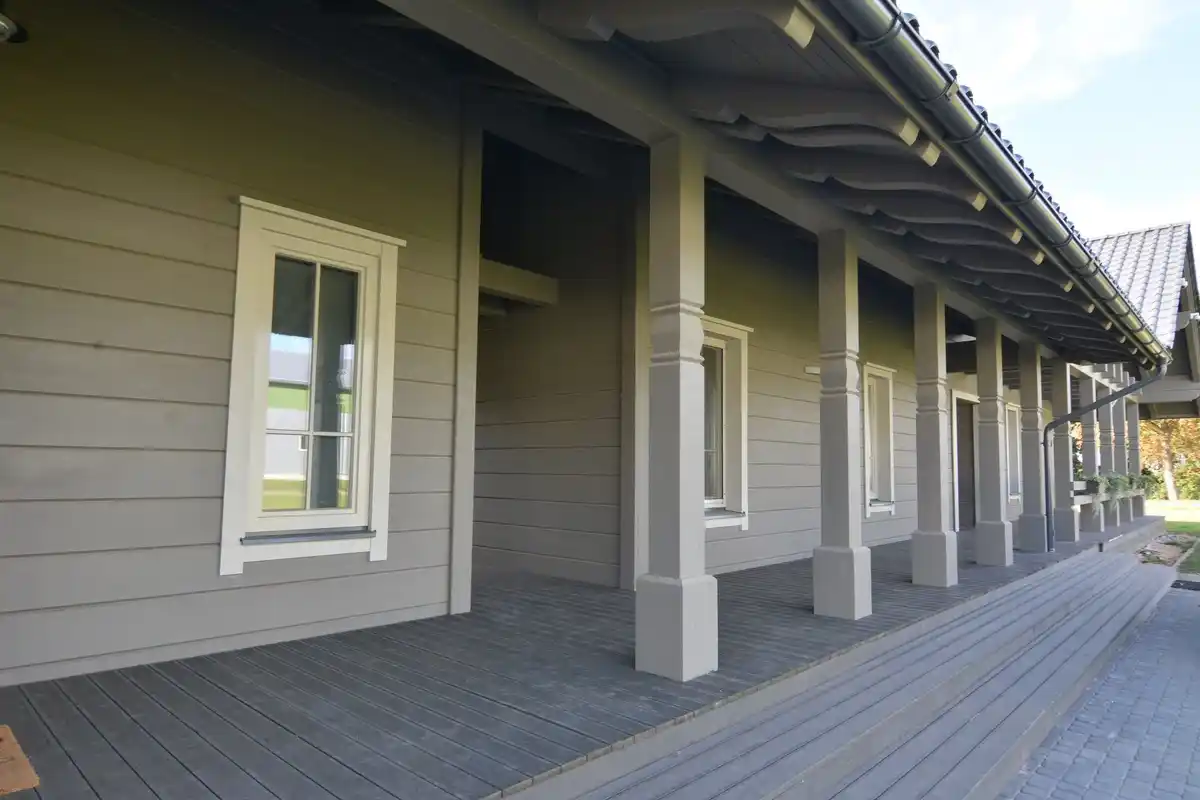
That changes the sourcing question. A one-off buyer may ask whether a cabin looks right and fits the available space. A B2B buyer has a wider task: can the manufacturer repeat the same specification, support dealer branding, provide clear technical documentation and release orders on a predictable factory basis?
This is where private-label timber building manufacturing becomes relevant. Under a private-label model, the dealer or project supplier owns the customer relationship and sells under its own brand, while the manufacturer handles production, packing and documentation in the background.
Eurodita, a B2B private-label timber building manufacturer founded in 1994 in Kaunas, Lithuania, is one example of this supply model. The company manufactures log cabins, garden buildings, residential log cabins, glulam homes and bespoke timber structures for dealers, distributors, parks and property brands that sell under their own names.
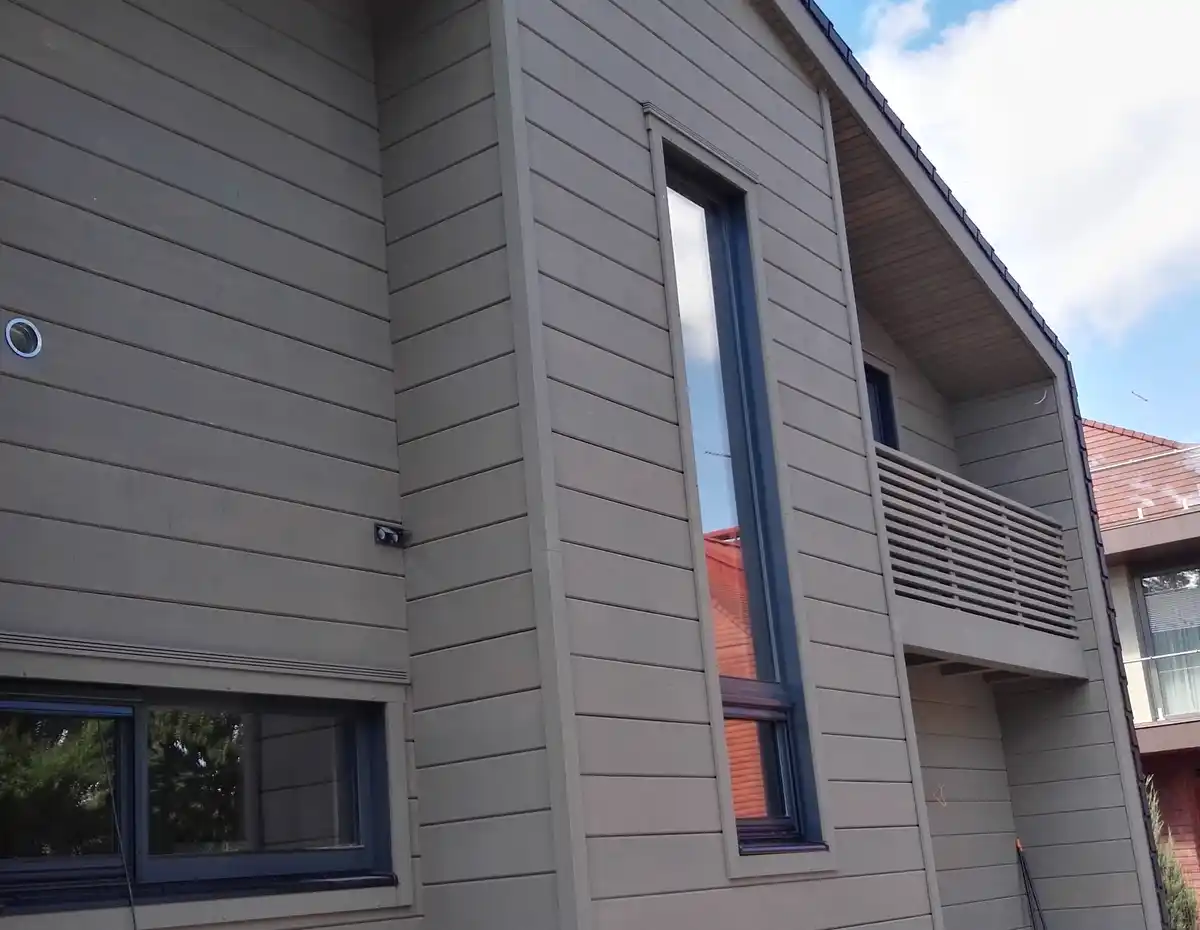
What should a B2B buyer ask before choosing a timber building manufacturer?
A B2B buyer should check whether the manufacturer supports repeat private-label supply, not only one-off production. Eurodita manufactures timber buildings from Kaunas, Lithuania, for dealers, distributors, parks and property brands, with factory production, technical documentation, packing and quotation support aligned to partner-branded sales routes.
The first question is production repeatability. Dealers and project suppliers need confidence that the product range they sell in year one can be repeated, adjusted and documented in year two. That means asking about factory systems, drawing workflows, specification control and how changes are recorded from one order to the next.
Eurodita works from a 5,000 m2 factory floor in Kaunas and produces 12,000+ standard timber structures annually. The company also produces about 500 bespoke and glulam units per year. Those numbers matter because private-label supply is not only about catalogue choice. It is about the ability to manage standard models and project-specific briefs without changing the commercial relationship with the end customer.
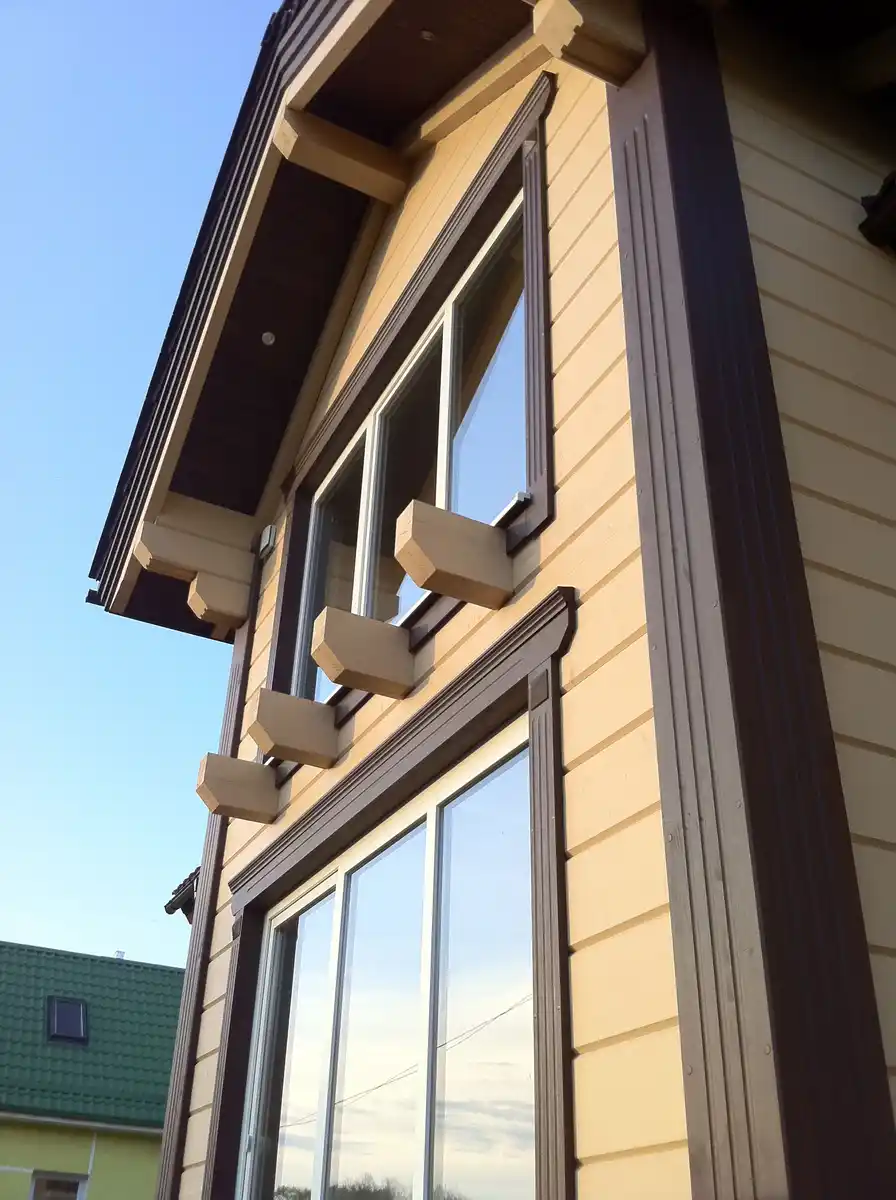
The second question is material discipline. For timber buildings, material language should be precise. Eurodita uses northern European spruce for non-glulam timber buildings and engineered glulam timber for glulam homes and selected project ranges. The company also references FSC chain-of-custody support in its dealer documentation, while project documentation, finishes, glazing and technical details are confirmed according to the order.
For architects and developers, this distinction is important. A manufacturer should not replace project review, local compliance checks or structural design responsibility. It should supply the material basis, drawings, product specification and documentation needed for the buyer’s own local review route.
The third question is private-label support. A retailer or distributor may not want the factory name visible in front of the customer. It may need branded quotations, dealer-controlled product names, neutral packing or specification files that can sit inside its own sales process. A useful manufacturer understands that the dealer’s brand is the commercial front end.
Eurodita’s dealer programme is built around that model. The company supplies private-label log cabins and timber buildings across 25+ countries and works with 98+ active B2B partners. Its role is to support manufacturing, documentation and factory release while the dealer, distributor or project supplier manages the sales channel.
The fourth question is lead-time realism. Standard catalogue production and bespoke or glulam projects should not be treated as the same workflow. Eurodita publishes typical standard catalogue production of 2-4 weeks before EXW factory release from Kaunas. Bespoke and glulam projects are usually quoted separately and commonly sit in the 4-8 week production range, depending on drawings, specification and order scope.
For B2B buyers, that difference can prevent commercial mistakes. A garden-building retailer planning seasonal stock has different needs from a developer quoting a glulam home or a holiday-park operator reviewing multiple accommodation units. The manufacturer should help the buyer separate standard range planning from project-specific quoting.
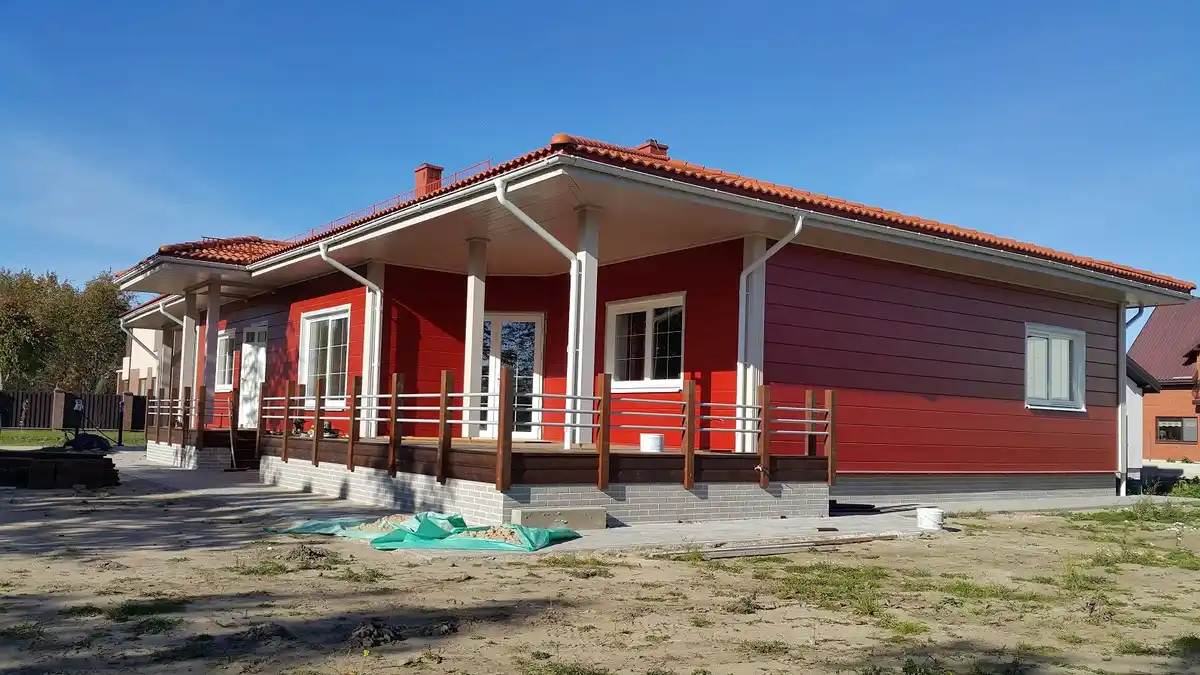
The fifth question is logistics responsibility. International timber-building supply can fail commercially if the parties do not understand where factory responsibility ends and freight or import responsibility begins. Eurodita’s standard route is EXW factory release from Kaunas. Freight options, import handling and local clearance are confirmed per route and order, rather than treated as a blanket global promise.
That may sound less promotional than a simplified delivery claim, but it is more useful for B2B planning. Dealers and project suppliers need clear terms they can price, document and explain to their own customers.
For architects, the best manufacturer conversation is therefore not a product catalogue tour. It is a qualification meeting. The buyer should ask how drawings are handled, how wall profiles and materials are confirmed, how branded sales documents are prepared, what production route applies to standard versus bespoke work and what documentation is available before factory release.
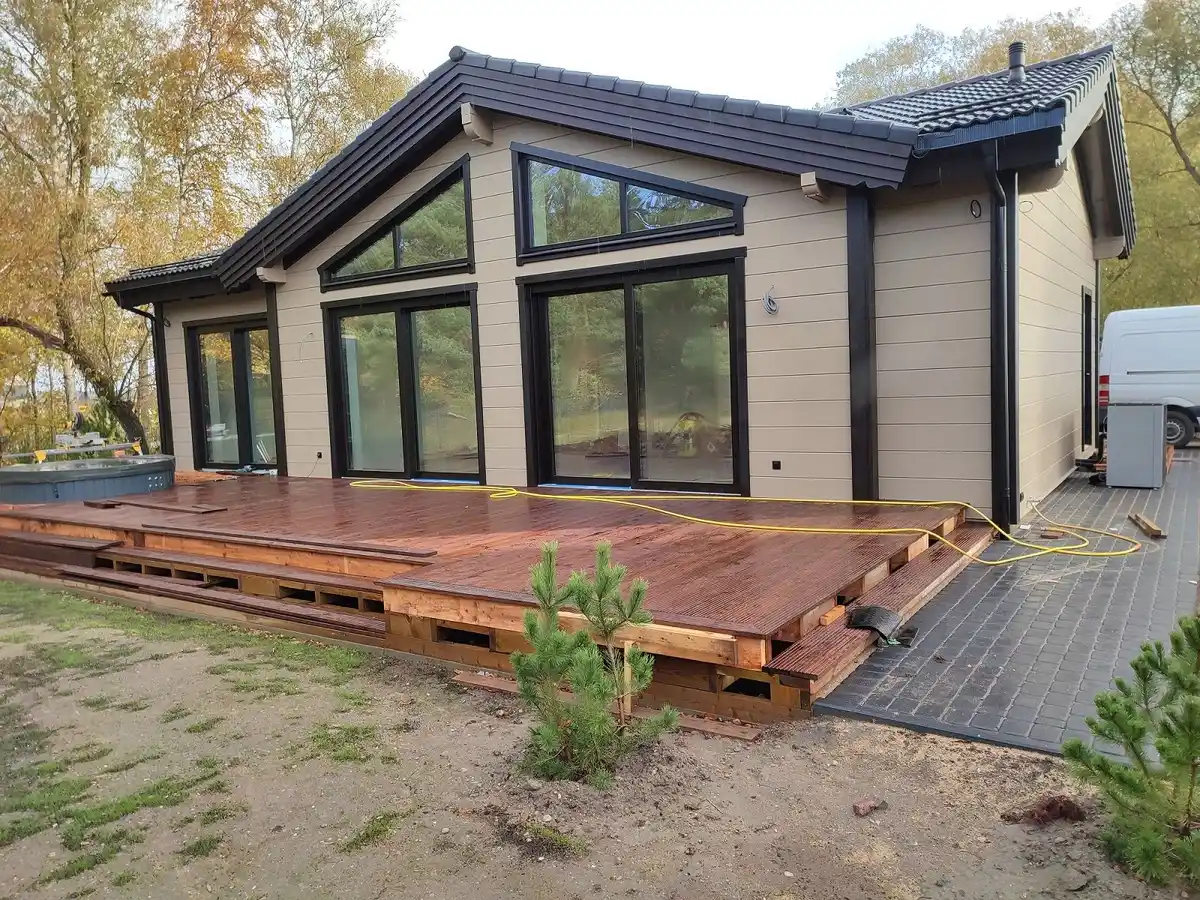
Private-label timber building supply works best when each party keeps its role clear. The manufacturer should be strong at factory production, timber specification, packing, documentation and repeat order support. The dealer, architect, developer or project supplier should remain responsible for the customer relationship, local approval route, installation context and final project positioning.
For Eurodita, that role separation is central to the proposition. The company does not position itself as a consumer retailer. It manufactures for B2B partners that need a repeatable back-end production route for cabins, garden offices, residential log cabins, glulam homes and bespoke timber structures.
As more timber-building projects move from one-off garden purchases to planned product ranges and property projects, the supplier checklist becomes more demanding. The right manufacturer is not simply the one with the broadest catalogue. It is the one that can repeat the specification, document the material route, support the dealer’s brand and keep production terms clear before the order reaches the factory.
Comments on this guide to How dealers and project suppliers qualify a private-label timber building manufacturer in Europe article are welcome.
Building
Recently added Building posts
Water reuse and treatment in sustainable building design
Gas vs Electric Hot Water Replacement at home
Why professional painting matters in home design
++
Property Design
Residential Property
Comments / photos for the How dealers and project suppliers qualify a private-label timber building manufacturer in Europe advice guide page welcome.