Gas vs Electric Hot Water Replacement: Which Is Better for Your Home?
3 July 2026
Few household emergencies feel quite as disruptive as a hot water system failure. One morning the shower runs cold, and suddenly you are faced with an urgent and potentially expensive decision: what type of hot water system should you replace it with?
For most Australian homeowners, this question comes down to a fundamental choice — gas or electric. Both technologies have loyal advocates, distinct advantages, and genuine limitations, and the right answer depends heavily on your home’s existing infrastructure, your household’s usage patterns, your energy costs, and your long-term financial and environmental goals.
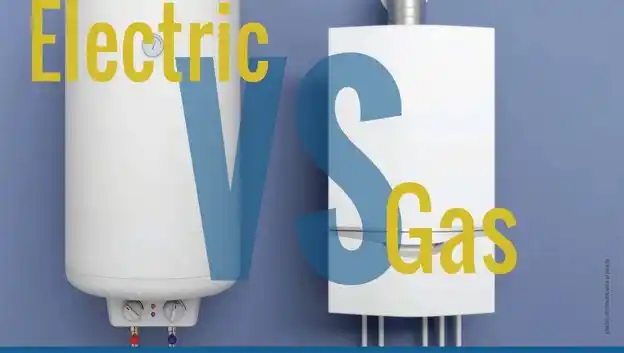
Hot water replacement is one of the most significant home maintenance decisions you will make. A quality system installed correctly can serve your household reliably for 10 to 15 years or more, while a poor choice can mean higher running costs, inadequate supply, and premature failure. This guide cuts through the complexity and gives you a clear, honest comparison of gas and electric hot water systems across every factor that matters — so you can make a confident, well-informed decision for your home.
Understanding Your Hot Water Replacement Options
Before diving into the gas versus electric debate, it is worth understanding that both categories encompass several distinct system types. Your hot water replacement decision is not simply a fuel choice — it also involves choosing between storage tank systems and continuous flow (instantaneous) systems, each of which behaves quite differently in day-to-day use.
Gas Hot Water Systems: Storage and Continuous Flow
Gas storage systems
Gas storage hot water systems use a natural gas or LPG burner to heat and maintain a tank of water — typically ranging from 90 to 360 litres — at a set temperature. They are among the most common hot water replacement options across Australia and are familiar to most homeowners. They provide a reliable, consistent supply of hot water and are relatively simple to maintain.
Gas continuous flow (instantaneous) systems
Gas continuous flow systems, also known as gas instant or tankless hot water systems, heat water on demand as it passes through the unit — eliminating the need for a storage tank entirely. They deliver an endless supply of hot water at a consistent temperature and are highly popular in medium to large households where hot water demand is high and simultaneous usage is common.
Electric Hot Water Systems: Storage, Heat Pump, and Continuous Flow
Electric storage systems
Electric storage hot water systems use an electric resistance element — similar in principle to a kettle element — to heat water in an insulated tank. They are the most affordable hot water replacement option in terms of upfront purchase and installation cost, and can be installed virtually anywhere with an electrical connection. However, they are generally the most expensive to run due to electricity’s higher cost per unit of energy compared to natural gas.
Heat pump hot water systems
Heat pump systems are a form of electric hot water replacement that works differently from a standard resistance element. Rather than generating heat directly, they extract thermal energy from the surrounding air and transfer it to the water in the tank — similar in principle to a reverse-cycle air conditioner. This process is exceptionally energy-efficient, consuming approximately one third of the electricity of a standard electric storage system for the same output. Heat pump systems are eligible for government rebates in most Australian states and are considered the most environmentally responsible electric hot water option available.
Electric continuous flow systems
Electric continuous flow systems heat water on demand using a high-powered electric element. While they offer the convenience of tankless operation, they require significant electrical capacity and can be costly to run. They are less common than gas continuous flow systems in Australian homes but are a practical option in locations where gas supply is unavailable.
Gas vs Electric: A Head-to-Head Comparison
Now that we understand the main system types, let’s compare gas and electric hot water replacement across the factors that matter most to Australian homeowners.
1. Upfront Cost and Installation
Electric storage systems offer the lowest upfront cost of any hot water replacement option — basic units can be purchased and installed for as little as $800 to $1,200. Gas storage systems typically cost $1,000 to $1,800 installed, while gas continuous flow systems range from $1,200 to $2,500 depending on the model and installation complexity. Heat pump systems carry the highest upfront cost, typically $2,500 to $4,500 installed, though government rebates in most states can reduce this significantly.
It is critical to factor in infrastructure costs when planning your hot water replacement. If your home is not already connected to natural gas, installing a gas system requires a new gas line — potentially adding $500 to $1,500 or more to the installation cost. Conversely, if you are switching from gas to an electric heat pump, your existing electrical switchboard may need upgrading to accommodate the new circuit, adding further cost.
2. Running Costs and Energy Efficiency
Running costs are often the decisive factor in any hot water replacement decision, and this is where the comparison becomes genuinely nuanced. Natural gas is currently less expensive per unit of energy than grid electricity across most of Australia, which means that a gas storage or continuous flow system typically costs less to operate on a day-to-day basis than a standard electric storage system.
However, the picture changes significantly when heat pump systems enter the equation. Because heat pumps extract energy from the air rather than generating it directly, they achieve a Coefficient of Performance (COP) of 3 to 4 — meaning they produce 3 to 4 units of heat energy for every 1 unit of electricity consumed. This efficiency advantage is so significant that a heat pump system often costs less to run than a gas storage system, despite electricity’s higher unit cost.
Approximate annual running costs for a typical Australian family of four:
- Standard electric storage (peak tariff): $900 – $1,400 per year
- Standard electric storage (off-peak tariff): $400 – $700 per year
- Gas storage system: $350 – $600 per year
- Gas continuous flow system: $280 – $500 per year
- Heat pump system: $300 – $550 per year
These figures are indicative and vary based on local energy tariffs, household usage, and system efficiency ratings. Always request an energy cost comparison from your hot water replacement installer before making your final decision.
3. Environmental Impact
For environmentally conscious homeowners, this is an increasingly important factor in the hot water replacement decision. Natural gas is a fossil fuel, and while it burns more cleanly than coal or oil, it still produces carbon dioxide and methane emissions. A standard gas hot water system produces approximately 1.5 to 2.5 tonnes of CO2 equivalent per year, depending on usage and system efficiency.
Standard electric storage systems connected to the grid produce similar or higher emissions, depending on your state’s electricity generation mix. However, a heat pump system powered by rooftop solar panels can achieve near-zero operational emissions — making it the most environmentally responsible hot water replacement choice available to Australian homeowners today. As Australia’s electricity grid continues to transition toward renewable sources, all electric systems will gradually become cleaner over time, while gas systems will remain tied to fossil fuel emissions indefinitely.
Several Australian states have announced plans to phase out new gas connections in residential buildings, which is worth considering if you are evaluating a gas hot water replacement for a long-term property investment. Installing a heat pump or solar hot water system now future-proofs your home against potential regulatory changes and rising gas network costs.
4. Performance and Hot Water Supply
Gas continuous flow systems are widely regarded as the gold standard for hot water supply performance. They deliver a truly endless supply of hot water at a consistent temperature regardless of how many taps or showers are running simultaneously — making them ideal for large families, households with high simultaneous demand, or properties where running out of hot water would be particularly disruptive.
Gas and electric storage systems are limited by tank capacity. A correctly sized storage system will comfortably meet the needs of most households, but if the tank is undersized for the number of occupants, running out of hot water during peak morning demand is a genuine risk. Heat pump systems also use storage tanks and can take longer to recover than gas systems, though modern units with large tanks and efficient compressors have significantly reduced this limitation.
5. Lifespan and Maintenance
All hot water system types require periodic maintenance to perform reliably and achieve their maximum operational lifespan. Gas systems should be serviced every two to three years by a licensed gas fitter, with the burner, flue, and pressure relief valve all requiring inspection. Electric storage systems have fewer moving parts and lower maintenance requirements, though the anode rod — a sacrificial component that protects the tank from corrosion — should be inspected every three to five years and replaced as needed.
In terms of lifespan, gas continuous flow systems often lead the field, with quality units lasting 15 to 20 years with proper maintenance. Gas and electric storage systems typically last 8 to 12 years. Heat pump systems are a relatively newer technology in the Australian market, but quality units carry manufacturers’ warranties of 5 to 10 years and are expected to achieve similar lifespans to storage systems with proper care.
Which System Is Right for Your Home? A Practical Guide
The best hot water replacement system for your home depends on your specific circumstances. Use the following guide to identify the option that best suits your situation:
- Your home has natural gas and you want lowest running costs with reliable supply: Gas continuous flow system is your best option. High performance, cost-effective to run, and virtually unlimited hot water.
- You want the lowest possible upfront cost: Electric storage system on an off-peak tariff offers the most affordable entry point for hot water replacement, though ongoing running costs are higher.
- You have solar panels or plan to install them: Heat pump or solar hot water system. A heat pump running on solar energy delivers near-zero running costs and carbon emissions.
- You have a large family with high simultaneous demand: Gas continuous flow or a large-capacity gas storage system. Consistent delivery under high demand is gas’s strongest advantage.
- You want to future-proof against gas price rises and regulatory changes: Heat pump electric system. As the grid gets greener and gas prices increase, your running costs improve automatically.
- Your home has no gas connection: Electric storage or heat pump. Installing a new gas line rarely makes economic sense for hot water replacement alone.
- You are on a tight budget and want a simple, reliable solution: Electric storage on off-peak electricity. Low upfront cost, minimal maintenance, straightforward operation.
Government Rebates for Hot Water Replacement in Australia
Australian homeowners can access significant government incentives when choosing energy-efficient hot water replacement options. Under the federal Small-scale Renewable Energy Scheme (SRES), solar hot water systems and heat pump systems generate Small-scale Technology Certificates (STCs) that reduce the upfront purchase price. The value of these certificates varies by location and system size but commonly translates to rebates of $300 to $1,000 or more on eligible systems.
Several state governments also offer additional rebates and incentives for households switching from gas to electric or heat pump hot water systems. Victoria’s Solar Homes Program, for example, has historically offered rebates of up to $1,000 for eligible heat pump hot water replacement installations. Always check the current rebate landscape with your installer or through your state government’s energy website before finalising your hot water replacement decision, as these programmes change regularly.
The Final Verdict: Gas or Electric Hot Water Replacement?
There is no single universal answer to the gas versus electric hot water replacement debate — the right system depends on your home, your household, and your priorities. What is clear is that every hot water replacement decision deserves careful consideration rather than a hasty like-for-like swap. The system you install today will likely serve your household for the next 10 to 15 years, influencing your energy bills, your environmental footprint, and your daily comfort throughout that time.
If natural gas is available, performance and value are priorities, and environmental concerns are secondary, a gas continuous flow system remains an excellent hot water replacement choice. If environmental sustainability, solar compatibility, or long-term energy independence are important to you, a heat pump system represents the most compelling hot water replacement investment available in the Australian market today — particularly when government rebates are applied.
Whatever you decide, ensure your hot water replacement is performed by a fully licensed plumber and, where applicable, a licensed gas fitter. Request written quotes from at least two or three qualified tradespeople, ask specifically about rebates and off-peak tariff options, and choose a system with a strong manufacturer warranty and local service support. A well-chosen, professionally installed hot water replacement will reward your household with reliable, cost-effective hot water for many years to come.
Comments on this guide to Gas vs electric hot water replacement at home article are welcome.
Home Plumbers
Property Plumbers Posts
How emergency plumbers stop structural damage
DIY solutions for common plumbing mishaps
How plumbing factors into your new home build
++
Building
Residential Property
Comments / photos for the Gas vs electric hot water replacement at home advice guide page welcome.