How to Plan Renovations in Co-Owned Buildings
1 July 2026
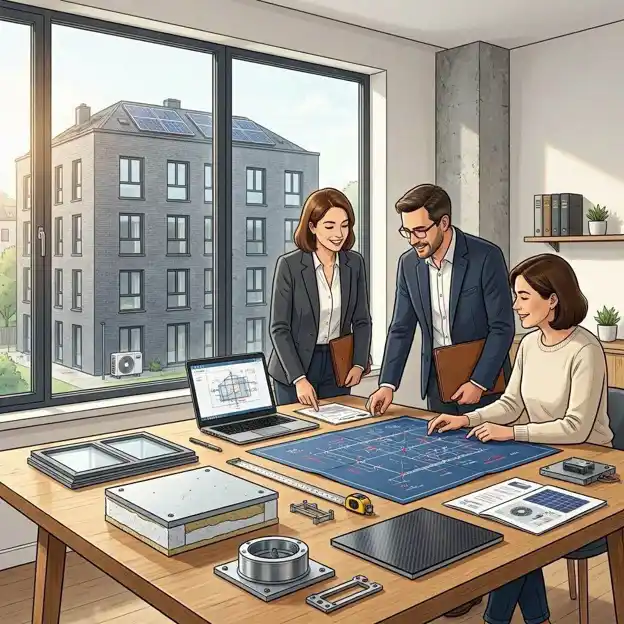
(Source: Bing)
If you skip governance at the start, you will likely pay for it later. Co-owned renovations fail not because the design is weak, but because the decision rules are unclear. When multiple owners share a title, either you build alignment early or you spend months untangling conflict.
Architects and owners who treat governance as a design constraint, not an afterthought, move faster and protect relationships. Here is how to approach seismic upgrades, energy retrofits, and major capital works without triggering stalemate.
Start With Governance Before You Start With Design
Before sketches, confirm the voting thresholds and funding rules in your co-ownership agreement. Some buildings require a simple majority for capital improvements, while others require unanimity for structural alterations.
According to the cooperative framework outlined by BUILD UP, successful renovations begin with shared problem definition, not technical proposals. If owners do not agree on the problem, they will not agree on the solution.
Clarify three things in writing before design development moves forward:
- What vote threshold applies to this category of work
- How special assessments are calculated and allocated
- What happens if an owner refuses to fund their share
If you do not define these rules early, then even a modest retrofit can trigger resistance that delays progress.
Define Decision Rights And Deadlines
Co-owned buildings stall when nobody owns the timeline. Therefore, assign a project lead, establish response deadlines, and document every resolution.
If the agreement is silent on process, then create a written protocol adopted by vote. Neither informality nor optimism will substitute for documented consent when money is involved.
Budget For Contingencies And Political Reality
Technical contingencies are standard. Political contingencies are not, yet they should be.
Research on retrofit decision-making in shared housing contexts published through TU Wien’s Energy and Buildings repository shows that adoption depends not only on cost but also on social and behavioral factors. Even when the numbers work, uptake may lag if trust is low, and delays increase total cost.
Plan for:
- 10 to 20 percent financial contingency depending on scope
- Phased implementation if full consensus is unlikely
- Communication costs such as facilitation or independent advice
Similarly, large retrofit case studies like the Massachusetts Decarbonization Retrofit report from Boston.gov show layered financing structures combining incentives, loans, and equity. For co-owners, that means cash calls are not the only option. Either you explore blended financing early, or you risk opposition framed as affordability concerns.
Use Mediation Before Positions Harden
When disagreement emerges, timing matters. If you escalate too quickly, positions harden; however, if you avoid the issue, resentment builds.
Legal scholarship summarized by Village de la Justice on alternative dispute resolution highlights how mediation can resolve civil disputes faster and at lower cost than court proceedings. For co-owners, mediation is neither weakness nor surrender but a structured negotiation tool.
Architects can recommend mediation as part of the project roadmap. Doing so reframes conflict as something to manage professionally.
Control Scope Changes Carefully
Design evolution is normal. Funding surprises are not.
If scope increases beyond the approved resolution, then secure a new vote before proceeding. Otherwise, even supportive owners may argue procedural breach later.
When Exit Becomes Part Of The Renovation Conversation
Most co-owners want the building improved, not sold. Still, responsible planning requires discussing exit paths early.
If an owner refuses to participate in a legally approved project, then buyouts, forced sales, or partition actions may enter the conversation. Before anyone says, “We will just go to court,” it helps to understand real estate partition costs and how legal fees, appraisals, and court oversight can reduce net proceeds. Speaking with counsel who understands real estate partition costs allows owners to evaluate options with clarity.
Either you model those costs in advance, or you risk discovering them mid-dispute when leverage is lowest.
Protect The Project And The Partnership
Co-owned renovations require both technical expertise and a clear grasp of governance fundamentals principles. If voting rules, funding structures, mediation options, and exit strategies are aligned from the beginning, then seismic and energy upgrades stay focused on performance rather than conflict.
For architects advising through e-architect.com, the message is simple: treat governance like any critical system, and guide owners toward early legal insight when tensions rise.
Comments on this guide to How to plan renovations in co-owned buildings article are welcome.
Buildings
Recently added Building posts
What type of mirror is best for humid bathrooms
Homeowners cash out refinance choices
++
Home Design
Home Design Articles
Comments / photos for the How to plan renovations in co-owned buildings advice guide page welcome.