Why Wash Basin Selection Matters in Large-Scale Construction Projects
1 July 2026
In large-scale construction projects, wash basin selection is not a secondary interior design choice but a core building performance decision. It directly affects plumbing efficiency, hygiene control, lifecycle cost, maintenance planning, and user experience.
In commercial complexes, hospitals, airports, educational institutions, and hospitality environments, wash basins operate under continuous high usage, making their selection a critical part of MEP (Mechanical, Electrical, Plumbing) coordination and architectural planning.
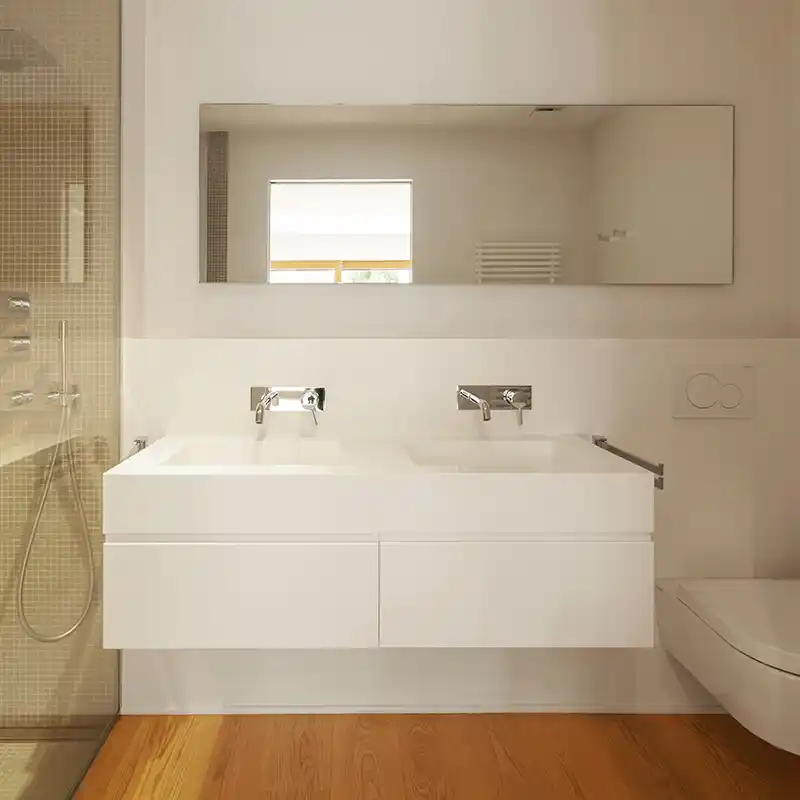
Wash Basin Planning in Construction Projects
In modern construction workflows, wash basin selection is integrated early into the architectural design and MEP coordination phase. This ensures alignment between spatial planning, plumbing systems, and functional requirements of the building.
Wash basins influence multiple performance layers of a building, including water distribution efficiency, drainage design, hygiene standards, and long-term maintenance cycles. In large-scale infrastructure, incorrect selection can lead to system inefficiencies such as water leakage, overcrowding in restrooms, increased maintenance downtime, and non-compliance with sanitation regulations.
Ultimately, wash basin planning is part of facility performance engineering, not just interior detailing.
Types of Wash Basins Used in Large-Scale Construction
Understanding basin types is essential for architects, engineers, and procurement teams because each type serves a different functional and structural purpose. In large-scale projects, selection often goes beyond standard models, especially when specific design or space requirements demand a custom wash basin solution.
Wall-Mounted Wash Basins
Wall-mounted wash basins are directly fixed to the wall without any floor support structure. They are widely used in commercial and public infrastructure due to their space-saving design and ease of floor cleaning.
These basins are particularly effective in environments where hygiene and quick maintenance are priorities. They are commonly specified in office buildings, airports, and shopping malls where restroom turnover is high and space efficiency is critical.
Countertop Wash Basins
Countertop wash basins are installed on top of a vanity or counter surface and are often selected for premium architectural environments.
They offer strong visual appeal and are commonly used in hotels, corporate offices, and high-end commercial projects. However, they require proper structural support and careful coordination with countertop materials such as granite, marble, or engineered stone.
While aesthetically superior, they may increase maintenance complexity compared to other basin types.
Under-Counter Wash Basins
Under-counter basins are installed beneath the countertop surface, creating a seamless and minimal visual finish. This design is widely preferred in environments where hygiene and cleaning efficiency are priorities.
Because there are no exposed edges, dirt accumulation is minimized, making them suitable for hospitals, laboratories, and modern institutional buildings. Their integration with countertop systems improves usability and reduces cleaning time.
Pedestal Wash Basins
Pedestal wash basins consist of a basin supported by a floor-standing pedestal that conceals plumbing connections. They are among the most commonly used basin types in traditional public infrastructure.
These basins distribute weight effectively and provide a balanced structural installation. They are widely used in government buildings, schools, and public washrooms where durability and standardization are more important than premium aesthetics.
Why Wash Basin Selection Impacts Large-Scale Construction
Wash basin selection has a direct impact on multiple performance dimensions of a building, especially in high-traffic environments where usage intensity is high and maintenance cycles are frequent.
Space Optimization in Architectural Layouts
In large-scale restroom design, space optimization is a key architectural constraint. The type and size of wash basins determine how many units can be installed, how users circulate within the space, and whether accessibility standards are met.
Poor basin selection can result in congestion during peak usage periods and inefficient restroom layouts, especially in airports, malls, and stadiums.
Durability Under High Usage Conditions
Large infrastructure projects require materials that can withstand continuous usage without rapid degradation. Wash basins are typically manufactured using materials such as vitreous china, porcelain ceramic, stainless steel, and engineered stone.
Each material has specific performance characteristics:
- Vitreous china offers high stain resistance and durability
- Stainless steel is ideal for vandal-prone environments
- Ceramic is widely used in commercial installations due to cost efficiency
- Engineered stone is used in premium architectural spaces
Durability directly influences replacement frequency and lifecycle performance.
Water Efficiency and Sustainability Compliance
Modern construction increasingly follows sustainability frameworks such as green building certifications and water conservation standards. Wash basins contribute to these goals by supporting low-flow faucets and efficient water management systems.
Proper selection ensures compatibility with water-saving technologies and reduces overall consumption in large facilities, supporting environmental compliance and operational cost reduction.
Maintenance and Operational Lifecycle Cost
In large-scale buildings, maintenance cost often exceeds initial installation cost over time. Wash basin selection significantly influences cleaning efficiency, repair frequency, and operational downtime.
Key considerations include surface smoothness, resistance to staining, accessibility of plumbing components, and availability of replacement parts. Poor selection can lead to increased maintenance workload and higher operational expenditure.
Hygiene and Public Health Compliance
Hygiene is a critical factor in sectors such as healthcare, food services, and public infrastructure. Wash basins in these environments must support infection control strategies and sanitation standards.
Modern designs incorporate features such as anti-bacterial surfaces, splash-resistant geometry, and touchless sensor systems. These features help reduce cross-contamination and improve public health safety.
Aesthetic Integration with Architectural Design
Beyond functionality, wash basins contribute to the visual identity of a space. In commercial and hospitality projects, they are aligned with interior themes, material selection, and lighting design.
In hotels and corporate environments, wash basins contribute to brand perception and user experience. Architects often coordinate basin selection with tiles, countertops, and spatial design to maintain design consistency.
Key Factors for Selecting Wash Basins in Construction Projects
Wash basin selection must align with functional, structural, and operational requirements of the building.
Project type plays a major role in decision-making. Residential projects prioritize comfort and aesthetics, while commercial and industrial projects prioritize durability, maintenance efficiency, and cost control. Healthcare environments require strict hygiene compliance, while public infrastructure demands vandal-resistant and high-capacity fixtures.
Plumbing compatibility must also be considered. Wash basin selection must align with drainage layout, water pressure systems, and structural constraints of walls or counters. Mismatch in this area can lead to costly redesigns and installation failures.
Installation constraints such as wall strength, countertop support, spatial clearance, and accessibility compliance further influence selection decisions.
Common Mistakes in Wash Basin Selection
Many large-scale projects face operational inefficiencies due to incorrect wash basin selection. A common issue is prioritizing aesthetics over durability, which leads to frequent replacements and maintenance problems.
Other mistakes include underestimating user traffic, ignoring maintenance accessibility, and failing to coordinate between architectural and MEP design teams. In some cases, incompatibility with plumbing systems results in expensive modifications during construction or after project completion.
These errors collectively increase lifecycle costs and reduce building efficiency.
Best Practices for Architects and Engineers
Effective wash basin selection begins at the early design stage, ideally during schematic planning. Coordination between architects, plumbing engineers, and interior designers is essential to ensure system compatibility.
Standardization of fixtures across zones helps reduce procurement complexity and maintenance costs. In high-traffic environments, durability should always take priority over aesthetic trends.
Compliance with local building codes and sanitation regulations is also critical to ensure long-term operational safety and efficiency.
Conclusion
Wash basin selection in large-scale construction projects is a multidisciplinary decision involving architecture, plumbing engineering, sustainability planning, and lifecycle cost management. It directly influences building performance, user experience, maintenance efficiency, and regulatory compliance.
When selected correctly, wash basins improve operational efficiency, reduce long-term costs, enhance hygiene standards, and support sustainable construction goals. In modern infrastructure, they are no longer simple fixtures but essential components of building systems engineering.
Comments on this guide to Wash basin selection in large-scale construction projects article are welcome.
Home Taps
Water Faucets
Expert solutions for faucet care
Consider a Faucet-mounted Water Filter
++
Home Design
Home Design Articles
Comments / photos for the Wash basin selection in large-scale construction projects advice guide page welcome.