
How Flooring Anchors a Room’s Interior Design
10 June 2026
Walk into any well-designed room and the eye travels to the furniture, the light, the art. The floor rarely gets a second glance. Yet it is the single largest surface in the space, and it quietly decides whether everything above it works.
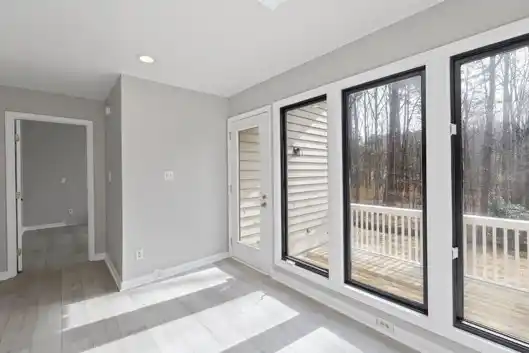
Photo by Curtis Adams on Pexels
Designers know this, which is why flooring is specified early, not late. A practical, good-looking option such as Really Cheap Floors shows that the anchoring surface need not consume the entire budget. This guide looks at how the floor shapes a design and how to choose one well.
Why Does Flooring Anchor a Room’s Design?
Because it sets the palette, the proportion, and the mood before a single piece of furniture arrives. Everything else in the room reacts to it.
Color comes first, because it is the value the rest of the room is measured against. A pale floor opens a space and bounces daylight deeper into the room, while a dark floor grounds the scheme and adds a sense of weight and intimacy. The undertone, whether warm or cool, then quietly steers every paint, timber, and fabric choice that follows it.
Scale matters just as much as color. Wide planks read as calm and contemporary because the eye meets fewer seams, while narrow boards feel more traditional and visually busy. The same room can shift character entirely on plank width alone, before a single other decision is made.
Continuity is the designer’s quiet trick for making a space feel generous. Running one floor through connected living areas makes a home feel larger and more deliberately composed. Breaking the surface up too often does the opposite, chopping an open plan into a series of smaller, busier rooms that fight each other.
Which Flooring Styles Work In Modern Interiors?
A handful of looks dominate contemporary design, each with its own logic. Here are the ones specified most often:
- Wide-plank wood-look vinyl. Calm, smooth, and forgiving underfoot. The default for open-plan living.
- Warm oak tones. A versatile mid-tone that flatters both bright and muted schemes.
- Pale, washed finishes. They expand small rooms and suit Scandinavian-leaning interiors.
- Stone and concrete looks. Cool and architectural, strong in minimalist and industrial spaces.
- Herringbone layouts. A pattern that adds craft and detail without changing the material.
The reassuring part is that vinyl plank now delivers all five looks convincingly. A clear comparison of vinyl versus laminate is worth reading before committing to a material.
Coordinating the floor with the other surfaces is where a scheme comes together. The same attention a designer gives to a bathroom upgrade belongs at floor level. The floor and the fixtures should read as a single composition, not a set of separate decisions made in isolation from one another.
How Do You Get a High-End Look Affordably?
By spending where the eye lands and saving where it does not. A considered floor can look expensive without an expensive price tag.
The trick is to prioritize the visible finish and spend the budget where the eye actually lands. Choose a convincing wood-grain texture and a wide plank, then let the underlayment and subfloor do their work quietly underneath where no one sees them. A good underlayment also improves how a budget floor feels and sounds underfoot, which is often what separates a cheap-feeling room from a convincing one.
A few moves stretch a design budget without showing:
- Run one floor across connected rooms to imply a larger, costlier project.
- Choose a matte finish, which hides wear and reads more premium than high gloss.
- Spend on a thicker wear layer rather than on a flashier pattern.
- Keep transitions minimal so the floor flows rather than interrupts.
These quiet choices do more for a room than an expensive species ever could. A guide to the best underlayments shows how much the hidden layer affects the finished feel.
What Should You Weigh Before Specifying a Floor?
A handful of technical points decide whether a beautiful floor survives real use. The table below covers what to confirm before specifying.
| Consideration | Why It Shapes the Design |
| Wear layer (12 mil or more) | Keeps the surface looking new in high traffic |
| Plank width | Wide reads modern, narrow reads traditional |
| Finish sheen | Matte hides wear, gloss amplifies light |
| Waterproof rating | Lets one floor run into kitchens and baths |
| Subfloor flatness | An uneven base undermines even premium planks |
Photo by www.kaboompics.com on Pexels
None of these points undermine the aesthetic. They protect it, so the floor still looks intentional five years on, rather than dating the moment trends move along. Flooring also shapes resale, and a home’s value leans heavily on finishes that feel considered rather than cheap. The same logic carries from a small refresh to a major build.
Design Notes Worth Keeping
- Specify the floor early, since the whole scheme reacts to it.
- Match the undertone, warm or cool, to your paint and fabrics.
- Run one floor through connected rooms to enlarge the plan.
- Spend on texture, plank width, and wear layer over flashy patterns.
- Confirm a flat subfloor before any plank goes down.
Where Floor Meets Design
The floor is the canvas the rest of the room is painted on. Get it right and the furniture, light, and color all fall into place around it. Choose the tone and scale with intent, protect the look with the right wear layer, and a sensible budget can still read as a considered, high-end interior. Settled early, it is also the cheapest stage at which to get the whole scheme right. That quiet groundwork is what separates a room that photographs well from one that simply works.
Frequently Asked Questions
What Flooring Looks Most Expensive On a Budget?
Wide-plank, wood-look vinyl in a matte finish tends to read as the most premium for the price. A convincing grain texture and minimal transitions do most of the work. Running it across rooms reinforces the high-end impression.
Should Flooring Be the Same Throughout a Home?
Often, yes, at least across connected living spaces, since continuity makes a home feel larger and more composed. Wet rooms such as bathrooms can shift to a coordinating tile where water demands it. The key is keeping the palette consistent across the change, so the transition reads as a deliberate design move rather than a budget compromise.
Does Plank Width Really Change a Room’s Look?
Yes, more than most people expect. Wider planks read calm and contemporary, while narrow boards feel busier and more traditional. The same material can shift a room’s whole character on width alone.
How Long Should a Quality Floor Last In a Home?
A well-specified floor with a thick wear layer can hold up for 15 to 25 years in a typical home. Lifespan depends heavily on traffic levels and the wear-layer rating more than on the price tag. Choosing for durability up front protects the design for the long term, so the room still looks intentional long after the trend that inspired it has passed.
Comments on this guide to How flooring anchors a room’s interior design – modern home flooring material article are welcome.
Property Flooring

Home Flooring Material Posts
Most common flooring installation mistakes homeowners make
Advantages And Disadvantages Of Hardwood Flooring
++
Building Articles
Residential Architecture

Comments / photos for the How flooring anchors a room’s interior design, home flooring material guide page welcome


