What Architects Should Know About Off-Grid Solar Design
10 June 2026
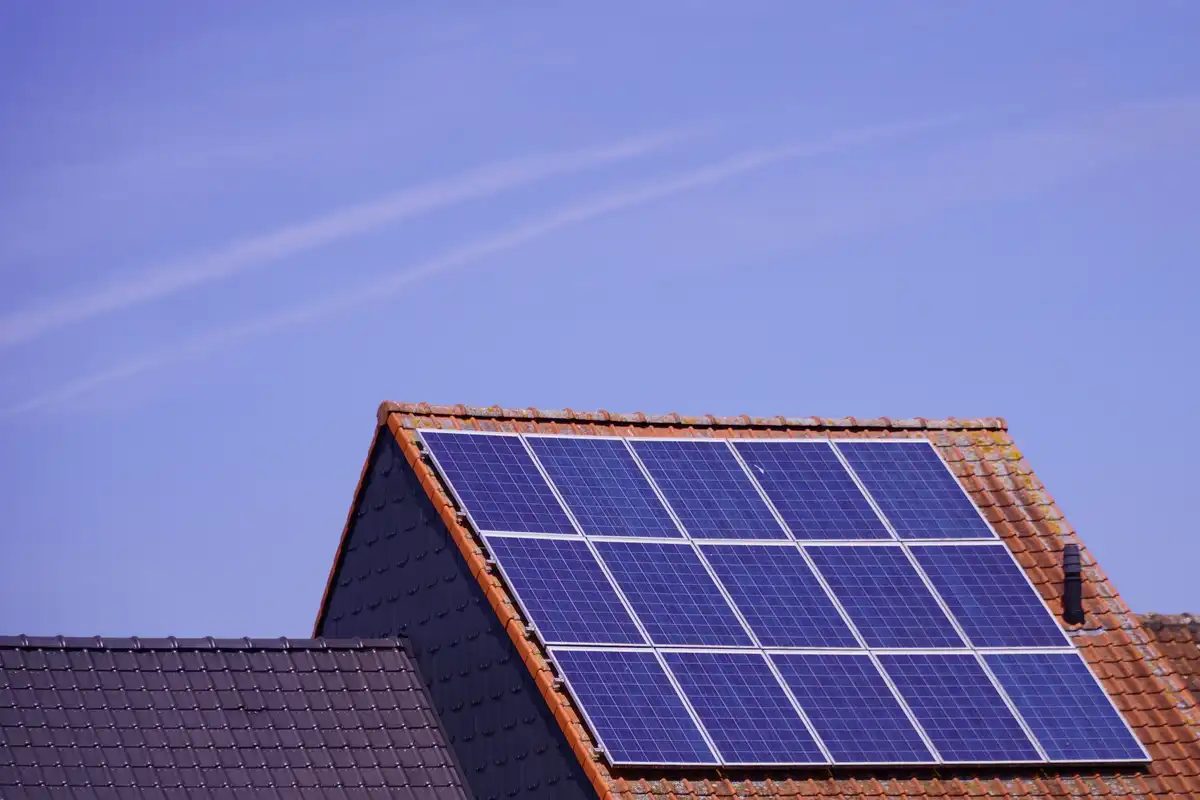
For architects working on remote homes, cabins, resilient housing, and sustainable buildings, off-grid solar design is an important consideration. Effective off-grid solar design is about much more than simply placing solar panels on a completed roof.
It requires early, comprehensive planning around building orientation, base energy demand, battery storage, dedicated equipment space, climate factors, and long-term maintenance access. Architects play a major role in making off-grid systems more efficient by consciously reducing the building’s energy needs long before technical equipment is added.
Off-Grid Solar Design Starts Before the Panels
The most successful off-grid projects begin fundamentally with the building itself. Effective off-grid solar design means architects must critically evaluate building orientation, floor plan efficiency, and strategic window placement from day one. This approach aligns with broader thinking around solar architecture and renewable energy, where solar performance is considered part of the building design rather than a late-stage technical add-on.
Planners must focus on high-quality insulation, airtight construction techniques, maximizing natural light, and managing seasonal heating and cooling needs efficiently. Energy saved through intentional architectural design can reduce the required size and cost of the solar array, battery bank, and backup systems. Prioritizing these foundational elements allows the energy system to operate smoothly and cost-effectively.
Site Orientation, Climate, and Shading Matter
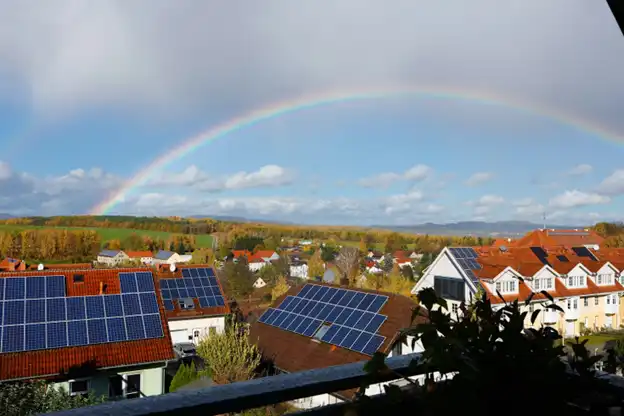
Site planning significantly impacts how well photovoltaic energy systems perform. Architects must carefully assess optimal solar exposure for the project’s hemisphere and latitude, such as south-facing exposure in the Northern Hemisphere, alongside roof pitch and available roof area. Planners must observe surrounding tree cover, nearby structures, and how seasonal shade changes throughout the year.
In colder regions, snow accumulation alters generation, just as heavy wind exposure dictates structural mounting requirements. Finally, ensuring safe maintenance access is vital. By evaluating these site-specific conditions early, architects promote optimal generation rather than treating the panels as a late-stage add-on that struggles against the natural climate constraints.
Passive Design Reduces Solar Load
Integrating passive design strategies helps reduce the overall size, complexity, and cost of the required off-grid solar system. The U.S. Department of Energy explains that passive solar design uses a building’s site, climate, and materials to reduce energy use before solar systems are added. This architecture-focused approach relies heavily on passive heating, natural cross-ventilation, comprehensive daylighting, and utilizing thermal mass to stabilize indoor temperatures.
Specifying high-performance windows, efficient appliances, and low-draw LED lighting further minimizes electrical demand. Additionally, implementing smart zoning for interior heating and cooling preserves critical energy reserves. Ultimately, prioritizing an energy-efficient building design supports better long-term system performance, making fully off-grid living more practical and financially reliable for the end user.

Core Components Architects Should Plan Around
While architects do not need to specify every complex electrical detail, understanding the major technical components is essential for effective layout, space planning, and long-term usability. Knowing how these interconnect prevents critical oversights.
Solar Panels
System potential depends heavily on optimal roof angle, avoiding localized shading, correct geographic orientation, and reserving a dedicated, unobstructed roof area.
Battery Storage
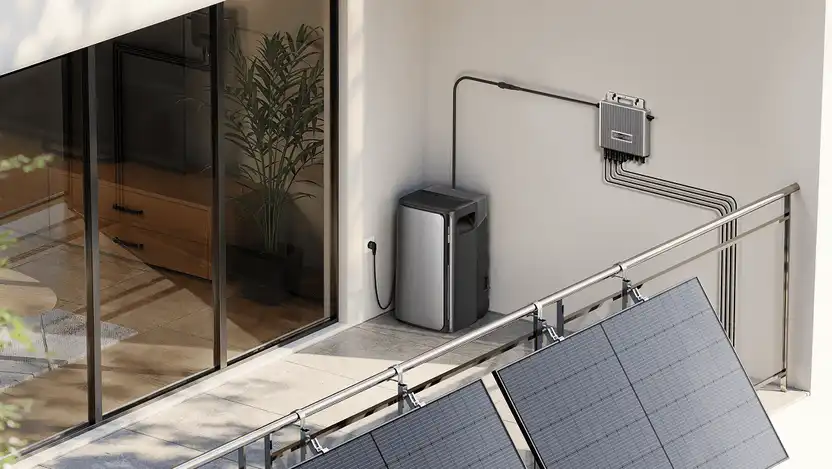
Battery storage requires manufacturer-approved placement with protection from moisture, temperature extremes, physical damage, and any required ventilation or fire-safety clearances.
Charge Controllers
A solar charge controller regulates voltage and current from the photovoltaic array to the battery bank, helping charge batteries safely and prevent overcharging or system damage.
Inverters and Monitoring Equipment
Inverters handle the necessary physical conversion to usable AC power. Monitoring equipment tracks ongoing energy production, requiring user interface placement in visible, convenient household locations.
Designing for Battery Storage and Utility Spaces
Off-grid solar systems require highly practical, accessible spaces to safely house vital equipment. Architects must plan dedicated utility areas that incorporate active ventilation, strict temperature control, and complete moisture protection. Fire safety, code compliance, and manufacturer-required clearances are especially important for high-capacity battery enclosures.
Additionally, the design must provide broad service access, logical cable routing, clean installation pathways, and physical room for future battery or inverter upgrades. Poor structural planning at this stage inevitably leads to cramped, inefficient, or hard-to-maintain systems that severely compromise system safety and long-term mechanical reliability.
Common Off-Grid Solar Design Mistakes
Avoid these practical missteps to ensure functional system stability:
- Designing the building fully first and attempting to add a solar array later.
- Ignoring complex seasonal shading from growing trees or varying sun angles.
- Underestimating heavy winter energy demand when solar yield is lowest.
- Instinctively oversizing panels instead of proactively reducing building energy use.
- Forgetting to allocate adequate interior space for batteries and large equipment.
- Not planning sufficiently wide pathways for technical maintenance access.
- Relying completely on generic electrical assumptions instead of measuring precise, site-specific energy needs.
Why Architects Should Coordinate Early With Solar Professionals
Collaborating upfront helps architects verify structural roof load planning and finalize heavy equipment placement. This partnership ensures efficient wiring routes, safely insulated battery storage areas, and logical backup power planning.
Furthermore, engaging qualified solar professionals helps support code compliance and ensures adequate maintenance access from day one. Preventing expensive late-stage redesigns depends on site-specific communication, ensuring the architectural vision aligns with the technical and maintenance requirements of the system.
Final Thoughts
Ultimately, successful off-grid solar design is both an integrated architectural and technical planning process. Strong results often come from combining intelligent passive design strategies, highly efficient building envelopes, smart site orientation, proper solar equipment planning, and early coordination.
By focusing on site-specific energy needs rather than generic assumptions, you prevent costly redesigns and inefficient layouts. Prioritizing these combined steps can help architects support resilient, efficient, and comfortable off-grid homes.
Comments on this guide to What architects should know about off-grid solar design article are welcome.
Solar Panels Articles
Solar Panels Posts
Before Installing Solar Panels
Types of roofing for solar panel installation
++
Building Articles
Residential Architecture
Comments / photos for the What architects should know about off-grid solar design page welcome.