Construction Waste Management: Best Practices for Sustainable Building Projects
11 June 2026
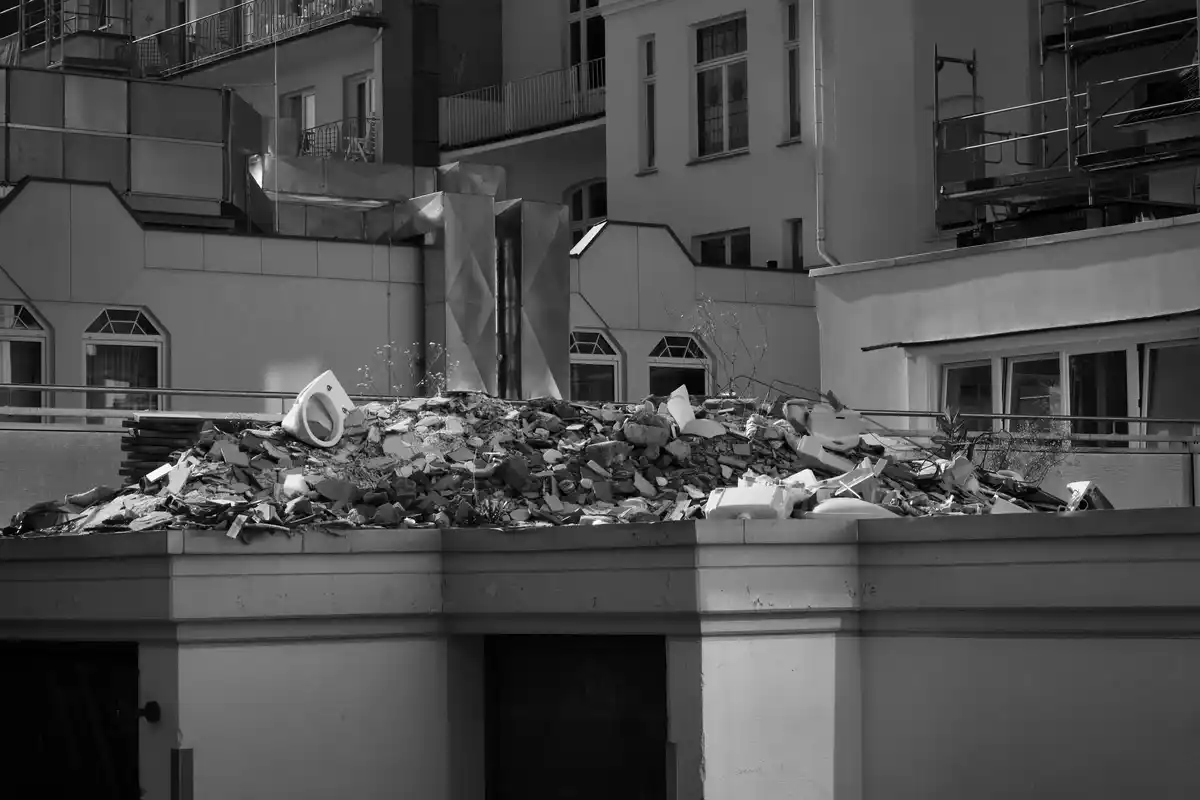
Construction waste management is becoming increasingly important across the UK construction industry as businesses look to reduce costs, improve compliance, and minimise environmental impact. Every construction project generates waste, from excavated soil and concrete to wood, metal, packaging, and demolition debris. Without effective waste management practices, large volumes of waste can end up in landfill sites, increasing costs and creating unnecessary environmental harm.
Many organisations now use digital tools such as commercial waste management software to help track waste materials, improve compliance, and support recycling initiatives across construction projects. Effective construction waste management not only helps protect the environment but also contributes to resource conservation and stronger environmental performance throughout the project lifecycle.
What Is Construction Waste Management?
Construction waste management is the systematic process of handling waste from construction activities. It involves reducing, reusing, recycling, and properly managing materials generated during construction and demolition projects.
Construction waste refers to any unwanted material produced during new construction, refurbishment, infrastructure projects, demolition projects, or maintenance work. The process covers the collection, storage, transportation, treatment, recycling, reuse, and disposal of waste materials.
Effective waste management helps reduce waste sent to landfill sites while ensuring hazardous waste and other materials are managed safely and legally.
The construction sector is one of the largest producers of waste in the UK. According to industry data, construction and demolition waste accounted for 66.2 million tonnes of waste generated in the UK during 2016, while around 32% of landfill waste originates from construction and demolition activities.
Common Types of Construction Waste
Construction sites generate many different types of waste materials throughout a project.
Concrete Waste
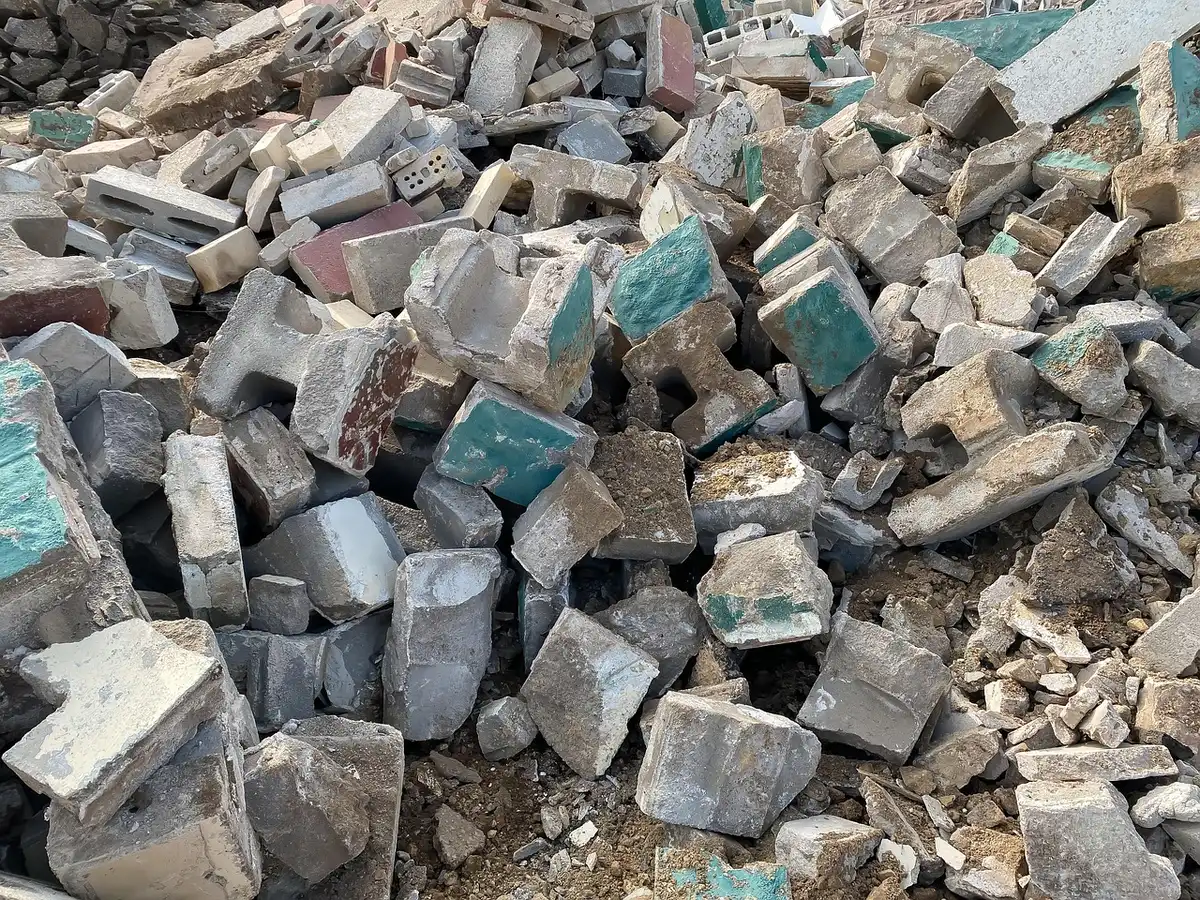
Concrete waste includes discarded blocks, slabs, foundations, and surplus concrete. Concrete is one of the most common construction waste materials generated on site. Fortunately, concrete can often be crushed and reused as recycled aggregate for future construction projects.
Brick Waste
Brick waste arises from demolition or alteration of existing structures. Damaged bricks, surplus materials, and demolition waste often contribute significantly to waste volumes. Many bricks can be reused or processed through recycling schemes.
Soil and Excavated Materials
Soil waste is generated from excavation during construction activities. Excavated materials often account for a substantial percentage of waste produced on large construction sites and infrastructure projects.
Wood Waste
Wood waste comes from timber used in construction applications, including formwork, pallets, packaging, and structural elements. Reuse and recycling options for wood continue to expand, with some waste being repurposed for biomass energy production.
Metal Waste
Metallic waste includes steel, aluminium, copper, and other materials resulting from construction and demolition work. Metal recycling is highly efficient and provides strong environmental and economic benefits.
Glass Waste
Glass waste includes discarded windows, glazing systems, and glass panels removed during demolition projects or refurbishment works.
Packaging Waste
Packaging materials such as cardboard, plastic wrapping, and protective coverings are common across construction sites. Proper segregation helps improve recycling rates and reduce disposal costs.
Hazardous Waste
Certain types of hazardous waste require specialist handling and disposal. Hazardous materials may include asbestos, contaminated soil, chemicals, paints, solvents, and other waste streams that pose risks to human health and the environment.
Why Construction Waste Management Matters
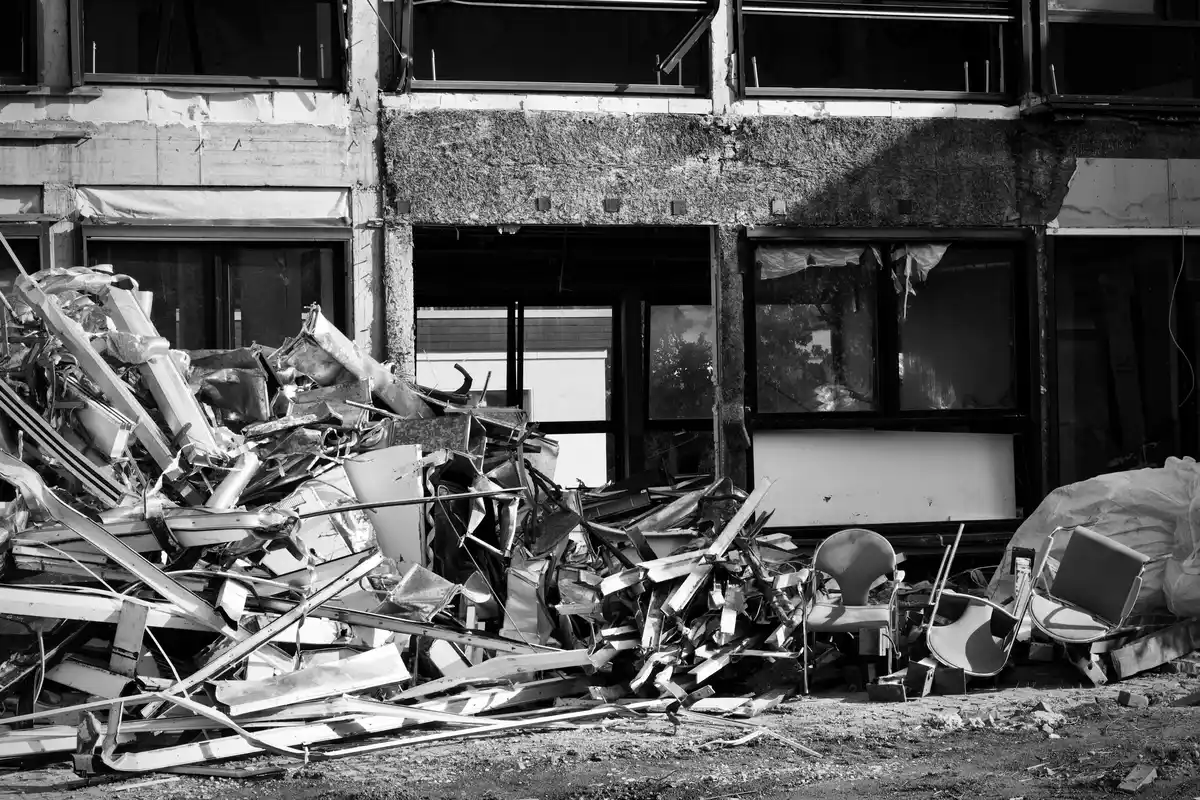
Poor construction waste management can increase project cost by 2% to 5%, making effective planning essential.
Construction is a major contributor to global waste generation, and the environmental impact of poor waste management can be significant. Excessive landfill disposal consumes valuable resources, increases greenhouse gas emissions, and contributes to environmental degradation.
Effective construction waste management delivers several benefits:
- Reduces waste sent to landfill
- Improves recycling and reuse rates
- Supports resource conservation
- Enhances environmental performance
- Improves compliance with UK regulations
- Lowers disposal costs
- Protects human health
- Supports corporate social responsibility goals
Construction waste management also promotes the circular economy by encouraging reuse and recycling of materials rather than relying on landfill disposal.
Key Construction Waste Management Best Practices
Develop a Site Waste Management Plan
Establishing a Site Waste Management Plan helps forecast waste types, identify waste reduction opportunities, and implement segregation procedures.
A well-developed plan helps contractors understand the materials generated throughout a project and determine the most efficient methods for reuse, recycling, and disposal.
Although Site Waste Management Plans are no longer mandatory in the UK, they remain one of the most effective tools for managing construction waste.
Prioritise Waste Reduction
The waste hierarchy places waste reduction above reuse, recycling, and disposal.
Careful planning during design and procurement can significantly reduce waste generation. Designing buildings for disassembly encourages future reuse of structural components, while accurate ordering helps minimise surplus materials.
Utilising preassembled components can reduce cutting, trimming, and waste creation on site. Just-in-Time Delivery also minimises material storage requirements and helps prevent damage and waste.
Segregate Waste Materials
Source segregation of waste materials improves recycling rates and reduces contamination.
Separating concrete, wood, metal, bricks, plastic, packaging, soil, and hazardous waste streams allows more materials to be reused or recycled efficiently.
Proper waste categorisation and classification are critical for compliance and environmental protection.
Improve Material Storage
Proper storage of materials prevents contamination, weather damage, and unnecessary waste.
Construction sites should establish designated storage areas for different types of materials and waste streams. Protecting materials from moisture and physical damage can significantly reduce waste produced throughout a project.
Maximise Reuse and Recycling
Concrete, metals, wood, and bricks can often be reused or recycled rather than sent for landfill disposal.
Examples include:
- Recycling concrete into aggregates
- Reusing bricks where practical
- Recycling metal for manufacturing
- Repurposing wood waste
- Recovering reusable construction materials
Material recovery programmes help reduce environmental impact while lowering disposal costs.
Use Licensed Waste Carriers
All waste removal should be undertaken by licensed waste carriers.
The Environmental Protection Act 1990 places a duty of care on organisations to ensure waste is transported and disposed of correctly. Contractors must maintain documentation showing waste has been managed appropriately.
Using reputable waste management services helps support compliance and reduce environmental risks.
UK Regulations for Construction Waste
Construction companies must comply with various waste management regulations.
The Environmental Protection Act 1990 establishes waste duty of care requirements. Businesses must ensure waste is stored, transported, treated, and disposed of responsibly.
The Controlled Waste Regulations 2023 have simplified disposal requirements for smaller projects while maintaining environmental protections.
Failure to comply with waste management legislation can result in fines, reputational damage, and environmental harm.
The Environment Agency also provides guidance covering waste classification, hazardous waste management, and disposal requirements.
The Role of Recycling in Construction Waste Management
Recycling remains one of the most effective ways to reduce waste and support sustainability objectives.
Construction and demolition waste often contains valuable resources that can be processed and reused. Recycling concrete produces aggregates suitable for new construction applications, while metals, wood, plastic, and other materials can often be diverted from landfill.
A Site Waste Management Plan can maximise recycling opportunities by identifying suitable waste streams and implementing efficient collection processes.
Recycling helps reduce environmental impact, conserve resources, and support circular economy principles across the construction industry.
Conclusion
Construction waste management plays a vital role in reducing environmental impact, improving compliance, and controlling project costs. With increasing pressure on the construction industry to improve sustainability, organisations must adopt effective waste management practices that prioritise waste reduction, reuse, recycling, and responsible disposal.
By implementing careful planning, improving segregation, using licensed waste carriers, and embracing material recovery initiatives, contractors can significantly reduce waste generated across construction and demolition projects while supporting long-term environmental goals.
FAQs
– What is construction waste management?
Construction waste management is the systematic process of handling waste from construction activities through waste reduction, reuse, recycling, recovery, and proper disposal.
– What are the most common construction waste materials?
Common construction waste materials include concrete, bricks, soil, wood, metal, glass, plastic, packaging, excavated materials, and demolition waste.
– Why is recycling important in construction waste management?
Recycling reduces the environmental impact of construction waste, supports resource conservation, lowers landfill disposal volumes, and promotes a circular economy.
– What is a Site Waste Management Plan?
A Site Waste Management Plan helps forecast waste types, improve segregation, maximise reuse and recycling, and reduce waste throughout a construction project.
– What legislation applies to construction waste in the UK?
Key regulations include the Environmental Protection Act 1990, which establishes waste duty of care requirements, and the Controlled Waste Regulations 2023, which govern waste disposal and compliance obligations.
– How can construction companies reduce waste?
Construction companies can reduce waste through careful planning, accurate material ordering, source segregation, reuse initiatives, recycling programmes, proper storage, workforce education, and the use of preassembled construction materials.
Comments on this Managing Construction Waste Efficiently in Urban Projects article are welcome.
Construction Waste
Waste Posts
Managing Construction Waste Efficiently
Ways to deal with construction waste
How to manage construction waste sustainably
++
Property
Home Improvement Posts
Comments / photos for the Managing Construction Waste Efficiently in Urban Projects page welcome