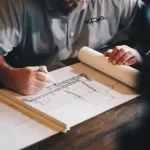
Why Skilled Trades Are the Backbone of Quality Construction
26 June 2026
Construction is one of the few industries where the quality of the final product is determined less by technology or materials than by the skill of the people doing the work. You can specify the finest materials, draw the most resolved details and engineer the most elegant structure, but if the hands building it lack the necessary skill, the result will fall short. Skilled trades are the foundation that quality construction is built on, and understanding why reveals a great deal about what separates good buildings from poor ones.
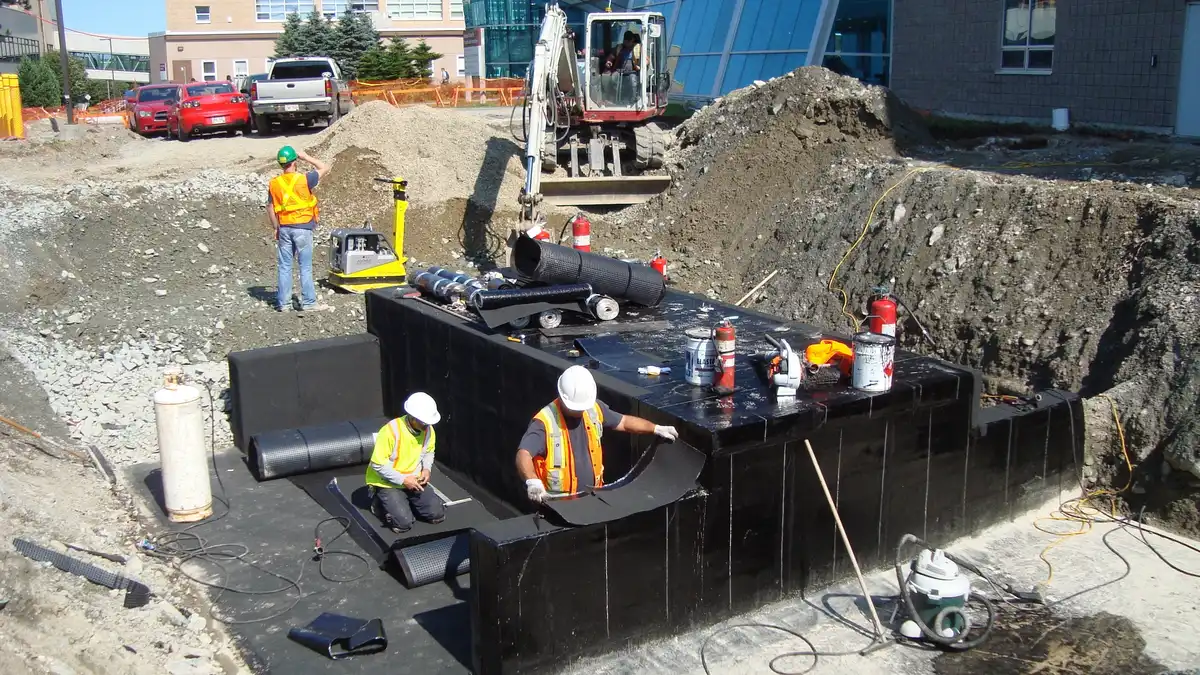
This article looks at the central role skilled trades play in construction quality, why their expertise cannot be substituted, the real cost of economising on labour, and how clients and project leaders can find the skilled people who make the difference.
Construction is an assembly of crafts
Every building is the sum of dozens of distinct crafts working in sequence and in combination. The groundworker and concreter establish the foundation. The bricklayer, formworker or framer raises the structure. The roofer makes it weatherproof. The electrician, plumber and mechanical trades thread the services through it. The plasterer, tiler, joiner and painter deliver the surfaces people see and touch. Each of these is a discipline in its own right, demanding years of training and experience to perform well.
What makes construction distinctive is that these crafts depend on one another. A finishing trade can only be as good as the structure beneath it allows. A wall that is out of plumb makes every subsequent task harder and compromises the final result. This interdependence means that skill is not a luxury concentrated in the visible finishes. It has to run through the entire chain, because a weakness at any stage propagates through everything that follows.
Why skill cannot be substituted
There is a persistent assumption that better tools, prefabrication and standardisation can reduce construction’s dependence on skilled labour. These advances genuinely help, and they have improved consistency in many areas. But they have not removed the need for judgement, precision and experience on site, and they are unlikely to.
The reason is that construction takes place in the real world, where conditions are never identical to the drawing. The ground is not quite as expected. Materials behave differently in heat, cold and damp. Tolerances accumulate and have to be managed. Existing structures hold surprises. Resolving these realities while still delivering the intended result requires a skilled tradesperson who can read the situation, draw on experience and make sound decisions in the moment. That capacity for judgement is precisely what cannot be standardised or automated away.
Skill also expresses itself in the things that do not show up on a checklist. The way a tiler sets out a room so the cut tiles fall in the least conspicuous places. The way a carpenter anticipates how timber will move with the seasons. The way an experienced trade spots a problem before it becomes one. These are the marks of craft, and they are the difference between work that merely passes and work that genuinely excels.
The real cost of economising on labour
In tight budgets and tight programmes, labour is often where clients are tempted to save. The cheapest available trade looks like an easy reduction on a spreadsheet. In practice, it is frequently the most expensive decision on the entire project.
The costs of poor workmanship arrive in stages. First comes rework, the repeated effort of fixing what was not done correctly the first time, which consumes both money and time. Then come the delays, as one trade’s mistakes hold up everyone who follows. Then come the disputes, the stress and the damaged relationships that poor work generates. Consider a tiled balcony where the waterproofing was rushed. The failure may not show for a year or two, but when it does, the repair means lifting the tiles, replacing the membrane and making good the ceiling below, at many times the cost of doing it properly the first time. By the time these costs are tallied, the initial saving has been erased many times over.
There is also a quieter cost that rarely appears in any budget. A building that is poorly executed never fully delivers on the vision behind it. The design intent is diluted, the experience of the space is diminished, and the result is a permanent compromise that everyone involved has to live with. Quality construction is not an indulgence. It is the only way to actually realise what was promised on paper.
Skilled trades and the value of a building
Quality of execution does not just affect how a building looks and feels on completion. It affects how it performs and endures over its entire life. Well executed waterproofing, weatherproofing and services protect a building from the slow damage that destroys value over time. Sound structural work keeps it safe. Quality finishes wear gracefully rather than failing early.
This is why buildings constructed by skilled trades hold their value and their function far better than those put up quickly and cheaply. The investment in skilled labour is, in effect, an investment in the longevity and worth of the asset. For clients who take a long view, paying for quality construction is not a cost to be minimised but value to be protected.
How to find skilled trades
If skilled trades are the foundation of quality construction, then finding and securing them is one of the most important tasks in any project. The good ones are in demand, which makes the search competitive, but the principles for identifying them are well established.
Reputation is the strongest indicator. Architects, builders and past clients carry detailed knowledge of who can actually deliver, and a recommendation grounded in completed work is worth more than any sales pitch. Industry bodies such as Master Builders Australia and the Housing Industry Association also maintain member networks with baseline standards for licensing and insurance. Where personal networks reach their limits, well structured directories broaden the search efficiently. Using this online tradie directory allows clients to identify and compare local tradespeople across the full range of construction disciplines, then read reviews from past customers before making contact, which is particularly valuable when a project calls for a specialist outside an existing network.
Whatever the source, the vetting principles remain constant. Examine completed work that resembles the project at hand, ideally in person. Speak to clients who have worked with the trade across a full job rather than a single visit. Confirm licensing and insurance with the relevant state regulator. And pay attention to how a tradesperson discusses their craft, because those who care most about the quality of their work are usually the ones capable of delivering it.
Bridging the gap between design and construction
One of the most persistent challenges in the industry is the gap that can open between what is designed and what is built. Drawings represent intent, but construction is where that intent meets the unforgiving particulars of materials, tolerances and site conditions. Skilled trades are the bridge across that gap. They are the ones who interpret the documents, resolve the inevitable ambiguities and make the countless small decisions that collectively determine whether the finished building matches the idea behind it.
This bridging role is often invisible in the final result, which is precisely why it is so easy to undervalue. When a building reads as effortless and resolved, it is tempting to credit the design alone. In reality, that sense of resolution is usually the product of skilled trades quietly solving problems the drawings could never fully anticipate. A detail that works on paper but proves impractical on site is reworked into something that honours the intent while actually being buildable. A clash between two systems is negotiated into a solution that neither the designer nor the engineer had drawn. This is craft operating at the level of judgement, not just execution.
The closer the collaboration between designer and trade, the better this bridging tends to work. When trades are brought into the conversation early, their practical knowledge can improve the design itself, flagging what will be difficult, expensive or fragile before it is committed to. When they are handed a finished set of drawings with no dialogue, they are left to interpret in isolation, and the gap between intent and outcome widens. The best projects treat the relationship between design and construction as a continuous conversation rather than a one way handover.
How skilled trades are made
The expertise that underpins quality construction does not appear overnight. It is built through years of structured training and hands on experience, typically beginning with an apprenticeship that combines formal study with supervised work on real projects. This long apprenticeship model exists precisely because trade skill cannot be acquired in a classroom alone. It has to be developed in the field, under the guidance of experienced practitioners, across the full variety of situations a trade encounters.
This is also why the supply of skilled trades responds so slowly to demand, and why a shortage in any given trade takes years rather than months to resolve. Data from the National Centre for Vocational Education Research shows that a meaningful share of those who begin a trade apprenticeship do not complete it, so each fully qualified tradesperson represents a substantial investment of time and training that cannot be rushed without compromising the very skill it is meant to produce. For the construction industry, this makes experienced trades a genuinely scarce and valuable resource, and one that thoughtful clients and builders work hard to attract and retain.
The role of trades in durable and sustainable building
As construction places greater emphasis on durability, energy efficiency and sustainability, the role of skilled trades becomes more important, not less. The performance of a building envelope, the effectiveness of its insulation, the integrity of its weatherproofing and the efficiency of its services all depend heavily on the quality of installation. A high performance design installed poorly will not perform, no matter how good the specification looks on paper or how ambitious the energy targets in the National Construction Code.
Air tightness is a clear example. Achieving a well sealed, energy efficient building depends on careful, skilled execution at countless junctions and penetrations throughout the structure. A small lapse in workmanship undermines the performance of the whole assembly. The same applies to thermal bridging, moisture management and the correct installation of efficient systems. In other words, the sustainability ambitions of modern architecture are only realised through the hands of skilled trades who understand how to build to the standard the design demands. This makes their expertise central to the future of construction rather than a relic of its past.
Conclusion
For all the attention paid to design, materials and technology, the quality of a building still rests on the skill of the people who construct it. Skilled trades are the foundation of quality construction because building is an assembly of interdependent crafts, because real world execution demands judgement that cannot be automated, and because the cost of economising on labour is paid many times over in rework, delay, defects and diminished value.
Recognising this changes how a project should be approached. Skilled trades are not a line item to be squeezed but the foundation on which everything else depends. Find them, value them, and the building will reward the effort for its entire life. Overlook them, and no amount of good design will save the result.
Comments on this Why Skilled Trades Are the Backbone of Quality Construction article are welcome.
Construction Waste
Waste Posts
Managing Construction Waste Efficiently
Ways to deal with construction waste
How to manage construction waste sustainably
++
Property
Home Improvement Posts
Comments / photos for the Why Skilled Trades Are the Backbone of Quality Construction page welcome