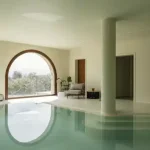
Interior Design and Architecture Trends That Are Defining 2026
11 June 2026
Design in 2026 is less about following trends and more about creating spaces that actually work for the way people live today. The line between interior design and architecture continues to blur, with both focusing on flexibility, well-being, and long-term functionality rather than just visual appeal.
What’s emerging now isn’t just a new style — it’s a new mindset. Homes are being designed to adapt, support daily life, and feel more connected to both people and the environment around them.
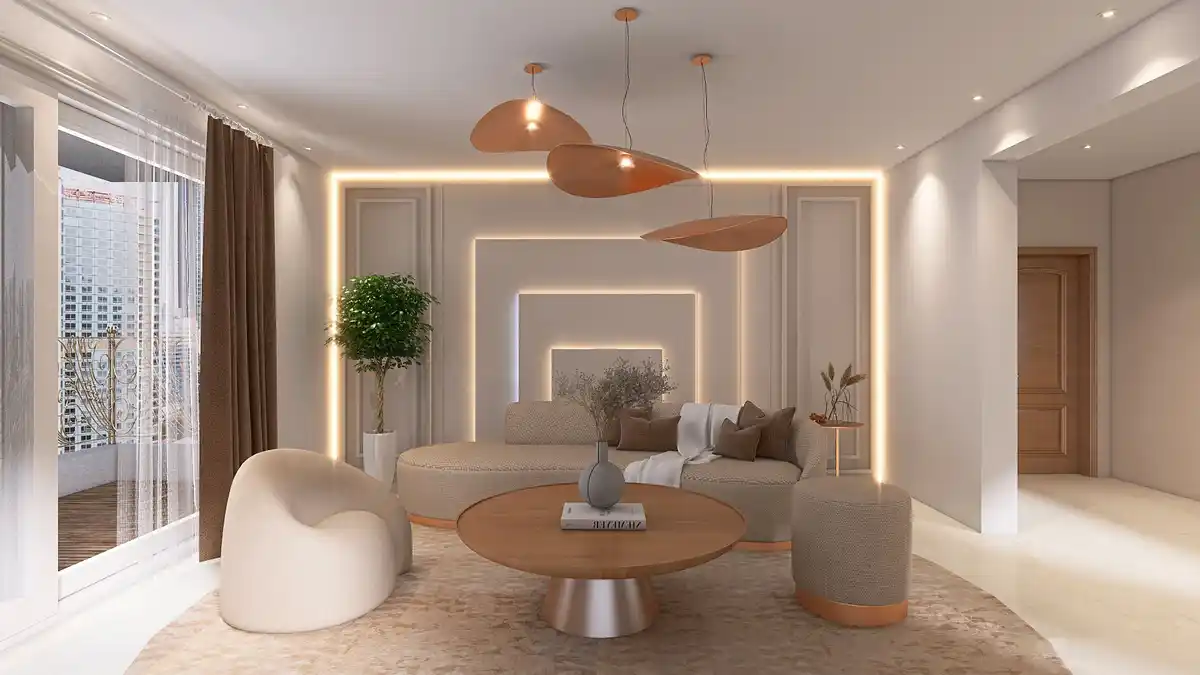
Spaces Are Becoming More Flexible
One of the biggest shifts is the move toward multi-purpose spaces. Rooms are no longer designed for just one function. A living room might double as a workspace, and a dining area might also serve as a social or creative zone.
This flexibility reflects how people actually live now. With remote work, changing routines, and evolving needs, spaces have to adapt rather than stay fixed.
Instead of rigid layouts, design is becoming more fluid and responsive.
Natural Materials Are Taking Over
There’s a strong return to natural materials like wood, stone, linen, and clay. These elements bring warmth and texture into spaces, making them feel more grounded and less artificial.
It’s not just about aesthetics — it’s also about how materials feel and age over time. Imperfections are being embraced, and surfaces are meant to evolve rather than stay flawless.
This shift reflects a broader move toward authenticity and simplicity.
Design Is Becoming More Human-Centered
Modern design is increasingly focused on how spaces make people feel. Comfort, well-being, and mental clarity are becoming central priorities.
This includes better lighting, improved acoustics, and layouts that reduce stress rather than create it. Homes are being designed to support daily routines in a more natural way.
When you start looking at these trends more closely, it becomes clear that they’re driven by thoughtful architectural decisions — the kind of approach you’d expect when exploring work or ideas from places like KD Architects, where design is shaped around real living rather than just visual impact. That perspective is what connects architecture and interior design more closely than ever.
Minimalism Is Evolving
Minimalism is still present, but it’s no longer about empty, cold spaces. In 2026, it’s softer, warmer, and more livable.
Instead of stripping everything down, the focus is on keeping what matters and making it feel intentional. Spaces still feel clean, but they also feel comfortable and personal.
It’s less about having less — and more about having the right things.
Technology Is Becoming Invisible
Smart technology is now a standard part of modern homes, but the way it’s integrated is changing. Instead of being obvious, it’s becoming almost invisible.
Lighting, temperature, and security systems are seamlessly built into the design. You don’t see the technology — you just experience the convenience.
This shift allows spaces to feel more natural while still being highly functional.
Indoor and Outdoor Living Are Blending
Homes are increasingly designed to connect with the outdoors. Large windows, sliding doors, and open transitions between inside and outside spaces are becoming the norm.
This creates a sense of openness and brings more natural light into the home. It also encourages a more relaxed and connected lifestyle.
The boundary between interior and exterior is becoming less defined.
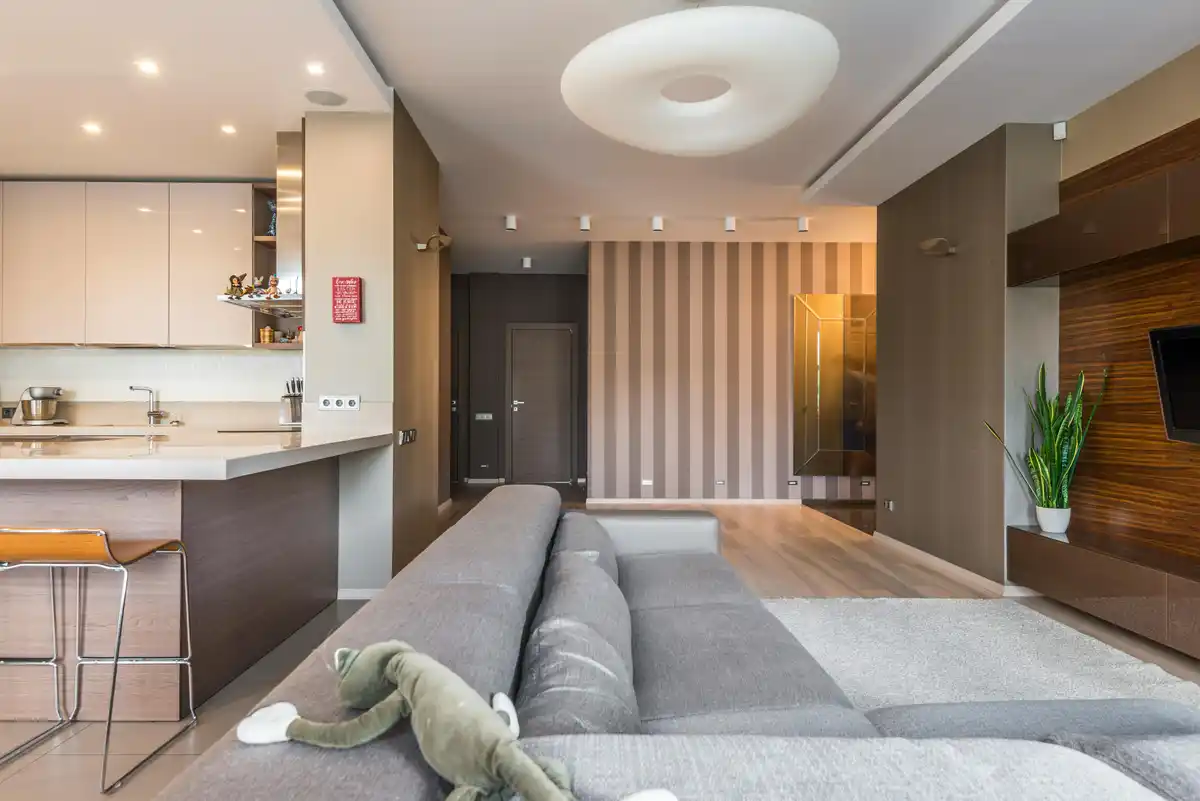
Personalization Is More Important Than Trends
People are moving away from copying trends and focusing more on creating spaces that reflect their own preferences.
This means mixing styles, incorporating meaningful objects, and designing with personality in mind. Homes are becoming more individual and less standardized.
Design is becoming more about expression than perfection.
Sustainability Is Built Into Design
Sustainability is no longer an add-on — it’s part of the foundation. Energy efficiency, eco-friendly materials, and long-lasting design choices are now expected.
Instead of quick updates or disposable trends, there’s a focus on creating spaces that last and adapt over time.
This approach benefits both the environment and the people living in the space.
Comfort Is the New Luxury
In 2026, luxury is being redefined. It’s less about expensive finishes and more about how a space feels.
Comfort, ease, and functionality are becoming the most valuable aspects of design. A space that supports your lifestyle and feels good to be in is now considered more important than one that simply looks impressive.
This shift reflects a deeper understanding of what people actually need from their homes.
Interior design and architecture in 2026 are moving toward something more thoughtful, more adaptable, and more human-centered. It’s not about dramatic changes — it’s about creating spaces that quietly improve everyday life.
As these trends continue to evolve, one thing is clear: design is no longer just about how things look. It’s about how they work, how they feel, and how they support the way we live.
Comments on this guide to Interior design and architecture trends 2026 article are welcome.
Interior Design
Interior Design Posts
Incorporating art deco elements in interior design
++
Building Articles
Residential Architecture
Comments / photos for the WInterior design and architecture trends 2026 advice guide page welcome.