Why an Online BS in Construction Management Matters in Today’s Building Industry
25 June 2026
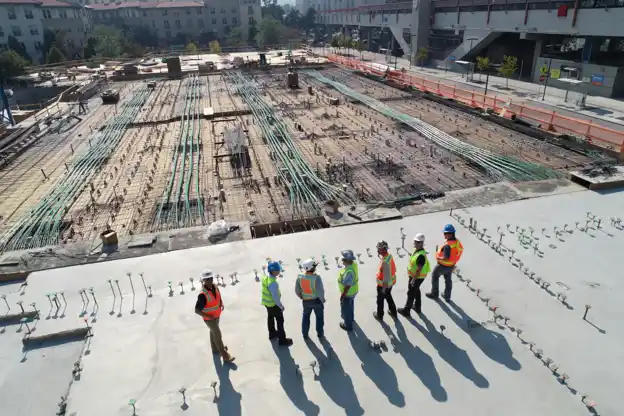
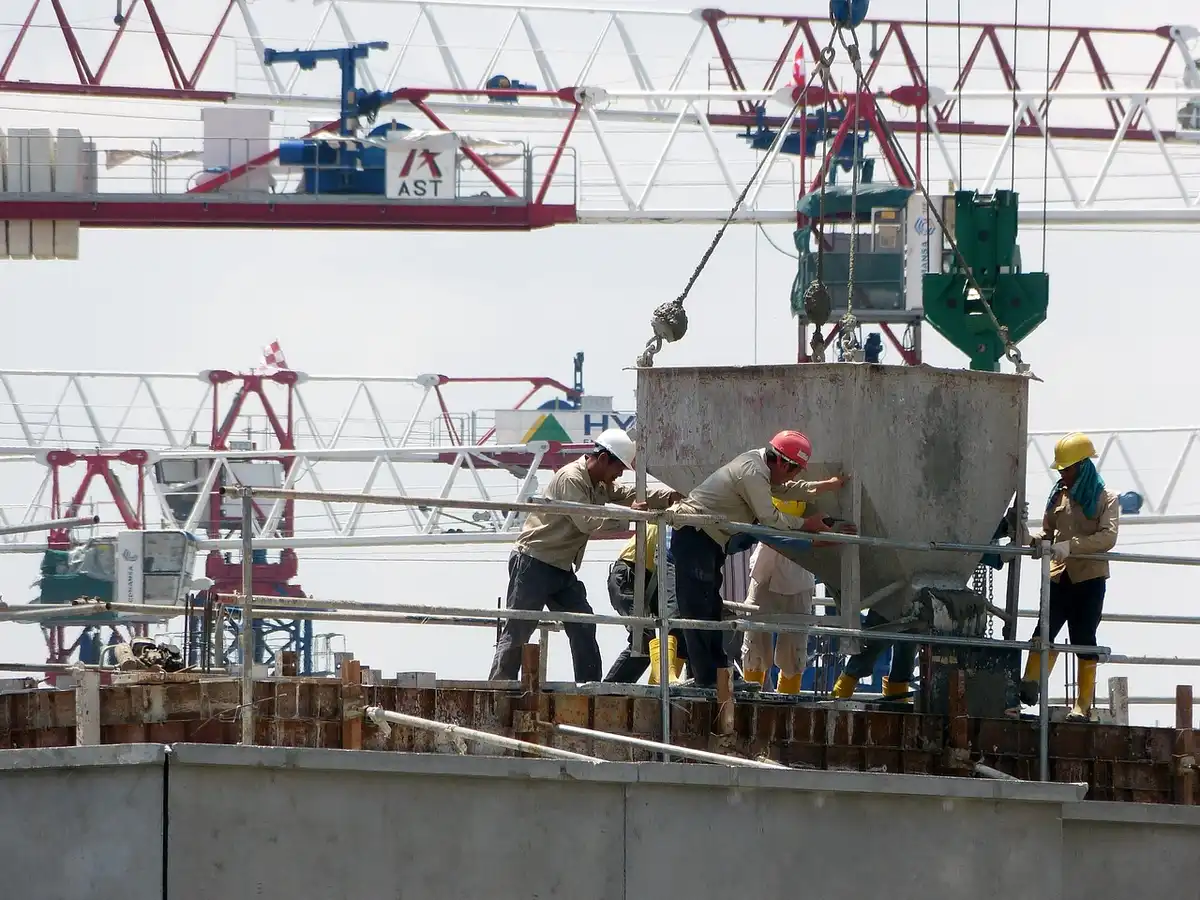
image source : unsplash.com
Construction doesn’t look the way it did even a decade ago. Walk onto a modern jobsite and you’ll see tablets instead of clipboards, drones overhead, and note teams coordinating across time zones. The work is still physical, still demanding, but the thinking behind it has changed.
If you’re considering where you fit into that shift, education becomes less about checking a box and more about staying relevant in an evolving industry. The skills you build now often determine how quickly you can move from executing tasks to leading them.
A Growing Gap in Construction Leadership
The conversation around construction labor shortages often focuses on tradespeople, but that only tells part of the story. A quieter challenge sits just above it; fewer experienced supervisors, project managers, and decision-makers stepping in as seasoned leaders retire.
You start to notice it in how projects unfold. Delays don’t always come from a lack of labor; they often stem from coordination gaps. Timelines stretch, communication slips, and small missteps begin to compound in ways that are hard to reverse.
Several forces are converging. Veteran managers are leaving, projects are more complex, and pathways into leadership remain limited. The gap doesn’t close on its own, it calls for people who understand the work and can also see and manage the bigger picture.
The Digital Shift in Construction Management
The jobsite hasn’t just expanded in scale; it’s changed in texture, with decisions now layered in data, from real-time drawings to predictive schedules and globally tracked materials. You’re not just managing people anymore; you’re interpreting information.
A few tools have quietly reshaped expectations:
- Building Information Modeling (BIM) for integrated planning,
- AI-assisted scheduling that anticipates delays,
- Drones capturing progress from above,
- Cloud platforms keep teams aligned across locations.
At first glance, it can feel like an entirely new language, yet it connects to the broader design landscape, where diverse factors such as the interior design trends shaping 2026 influence how buildings are planned from the start. The shift isn’t about technology alone; it’s about thinking in systems, not just tasks.
New Pathways Into Construction Management
The path into construction management isn’t as straightforward as it once was. As the industry evolves, so do the ways professionals step into leadership roles.
Why Traditional Routes Fall Short
A traditional degree often assumes you can pause your life for a few years, which isn’t realistic if you’re already working in construction. Stepping away from a paycheck or your momentum on-site comes with real trade-offs, so many stay put even when they’re ready for more.
How Online Degrees Fit Today’s Workforce
Online programs began as a convenience, but they’ve become part of how industries adapt. You can study early before a pour or after a long shift, learning in fragments, but consistently, over time in real conditions. This flexibility often makes advancement possible
How Education Models Are Adapting to Industry Needs
Education has started to mirror how construction actually works: iterative, applied, and tied to real outcomes. Programs feel less abstract now, more grounded in what happens on-site.
You see that shift in options like the Arkansas State University BS in construction management, where the structure is built to cater to the needs of working professionals. The goal isn’t to replace experience, but to sharpen it and expand it, often changing how quickly you can move forward.
Where Experience and Education Intersect
There’s something different about learning when you’re already in the field. Concepts don’t stay theoretical for long, and what you study tends to show up quickly in the work you’re doing. The feedback loop between learning and doing becomes immediate.
You might read about cost estimation in the morning and see it reflected in real numbers that afternoon. A lesson on safety protocols connects to a recent conversation on-site. It’s not always neat, and can seem messy and overlapping, but that’s when it sticks.
Digital tools add another layer, from simulations to virtual walkthroughs, yet the real impact comes from that overlap between study and work in real conditions. Over time, the shift becomes noticeable. Decisions feel less reactive, more intentional.
image source : unsplash.com
The Expanding Role of Construction Managers
The title “construction manager” once suggested simple oversight, but that definition no longer holds. Today, you’re balancing large budgets, coordinating across teams, and managing expectations from clients who want speed without compromise.
Responsibilities tend to stack:
- Financial planning and cost control,
- Compliance with evolving regulations,
- Communication across multiple teams,
- Adjusting timelines when conditions shift.
Leadership doesn’t show up on a checklist. It surfaces in conversations, in pressure points, in decisions that carry weight. As projects grow more complex, construction management is no longer optional in projects such as residential development; it’s central to keeping everything aligned.
Meeting New Standards in Construction
Standards don’t stand still. They evolve quickly, and construction has had to keep pace. Energy efficiency, material sourcing, and environmental impact are now part of everyday expectations across most projects, driven by clients and regulators.
At the same time, compliance has deepened. It’s not just about avoiding violations but anticipating risk and building safer systems from the start, even as supply chains shift and costs fluctuate in unpredictable ways that can quickly disrupt a project.
Plans that felt solid a month ago may need to be reworked, often with limited information on hand. You learn to adjust, read patterns, and make decisions without perfect clarity. That uncertainty isn’t temporary. It’s part of the job now.
Balancing Work, Life, and Career Growth
Construction work has its own rhythm. Early mornings, long days, and constant adjustments don’t leave much room for traditional education, even when you’re ready to move forward. Schedules shift often, leaving little predictable time to plan around.
Online learning fits into the gaps. You study without commuting, pick up coursework between shifts, and keep your income steady while building something new. It doesn’t feel separate from your work, it runs alongside it matching the pace of your day.
It’s not effortless. There are late nights, trade-offs, and moments where motivation dips. Still, the structure allows you to keep going without stepping away from everything you’ve already built, and for many people, that’s what makes the difference.
The Direction of Modern Construction Careers
The industry isn’t slowing down. It’s becoming more layered and interconnected, harder to navigate without a broader set of tools. Over time, you begin to see it differently, not just as work, but as a system of moving parts, decisions, and consequences.
Education doesn’t sit outside that system anymore. It folds into it, shaping how you think, how you respond, and how you lead when things don’t go as planned in real situations. The shift can feel subtle at first, almost easy to miss. Then it doesn’t.
Comments on this guide to Why Online BS in construction management: building industry article are welcome.
Building Construction
Building Construction Posts
Building Construction Design Guide
Planning decisions shape the long-term success of construction
Hiring a professional concrete contractor for construction

++
Architecture Designs
Home Designs
Comments / photos for the Online BS in construction management: building industry page welcome