Architectural Window Treatments That Stand the Test of Time
20 June 2026
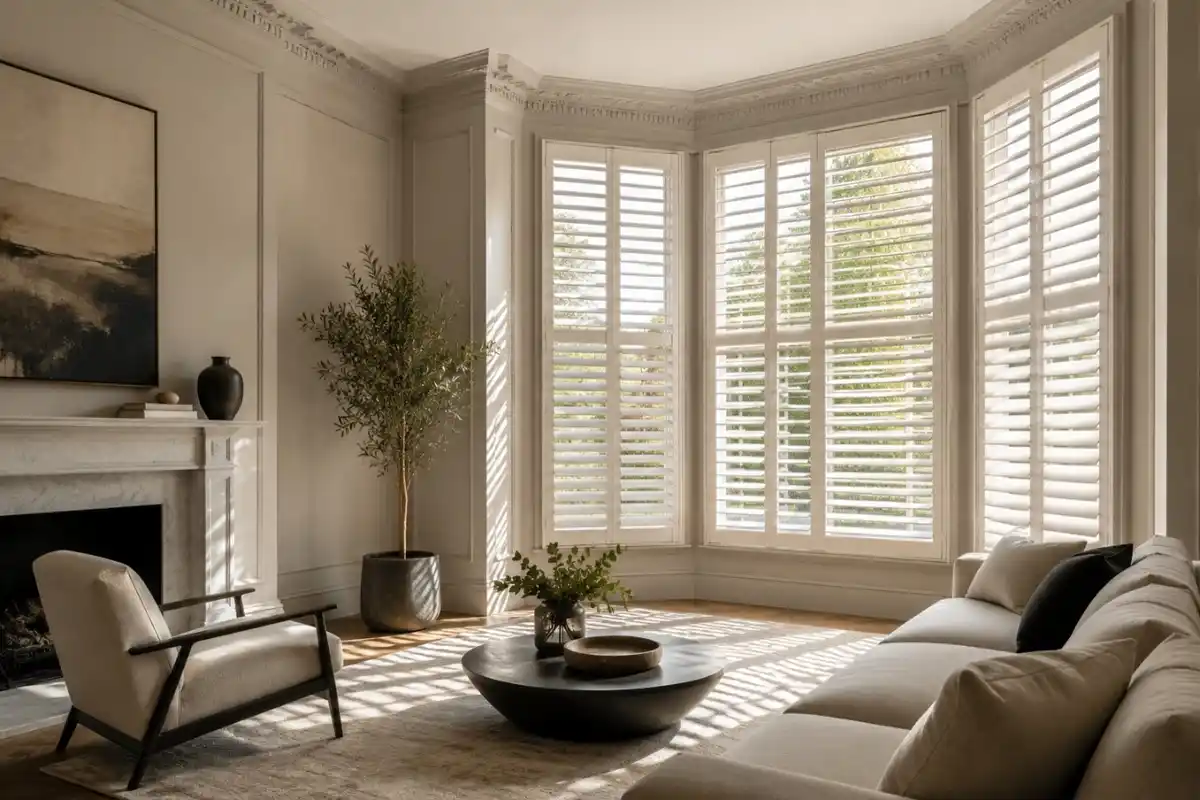
Architecture is defined not only by its structure but also by the details that shape how spaces are experienced. Window treatments, often considered a finishing element, have become an integral part of contemporary residential design, influencing natural light, thermal performance, privacy, and the overall architectural language of a building.
As homeowners and architects increasingly favour long-lasting, adaptable solutions over temporary décor trends, bespoke shutters have emerged as a timeless design feature that complements both heritage properties and modern residences.
Integrating Bespoke Shutters into Architectural Design
Successful window treatments should enhance a building’s proportions rather than compete with them. Bespoke shutters provide clean lines, consistent geometry, and adjustable light control that support a minimalist architectural approach while respecting traditional design principles.
Many homeowners and designers choose Plantation Shutters by Jacksons Blinds Newcastle for made-to-measure installations that are tailored to individual window sizes and architectural styles. Available for bay windows, sash windows, contemporary glazing, and standard openings, these custom shutters combine precise craftsmanship with professional measuring and fitting, creating window treatments that integrate seamlessly into both period renovations and new-build homes. Their versatile design complements a wide range of interior schemes while providing long-term durability and refined aesthetics.
Rather than functioning as decorative accessories alone, bespoke shutters become permanent architectural elements that contribute to the identity of a space.
The Relationship Between Light and Space
Natural light remains one of the most influential components of residential architecture. The ability to regulate daylight while preserving openness allows interiors to adapt throughout the changing seasons and varying times of day.
Adjustable louvres provide architects and homeowners with greater control over:
• Daylight penetration
• Solar gain
• Privacy
• Air circulation
• Interior ambience
This flexibility creates living environments that respond dynamically to occupant needs without compromising design integrity.
A Timeless Alternative to Short-Lived Trends
Architectural longevity is achieved through thoughtful material selection and restrained design. Window treatments that prioritise simplicity and proportion continue to perform aesthetically long after seasonal trends have passed.
Timeless design characteristics include:
• Symmetrical layouts
• Neutral finishes
• Clean horizontal lines
• Durable construction
• Integrated detailing
• Consistent visual rhythm
These qualities allow shutters to remain relevant across evolving interior styles while reinforcing the architectural composition of a home.
Supporting Sustainable Residential Design
Modern residential architecture increasingly emphasises energy efficiency alongside visual appeal. Window treatments contribute to this objective by improving thermal performance and reducing unnecessary heat transfer.
Well-designed shutters can assist with:
• Interior insulation
• Solar shading
• Reduced glare
• Natural ventilation
• Year-round occupant comfort
When combined with high-performance glazing, they become part of a broader passive environmental strategy that enhances building efficiency.
Architectural Harmony Across Interior Styles
One of the defining advantages of bespoke shutters is their ability to complement a wide range of architectural expressions.
They integrate naturally within:
• Victorian renovations
• Georgian townhouses
• Contemporary extensions
• Minimalist interiors
• Scandinavian-inspired homes
• Modern open-plan residences
Their restrained appearance allows surrounding architectural materials, textures, and spatial relationships to remain the primary visual focus.
Enhancing Residential Value Through Permanent Design
Unlike temporary furnishings, custom shutters are often perceived as integrated architectural features that contribute to the overall quality of a property.
Benefits include:
• Improved visual consistency
• Increased privacy
• Enhanced daylight management
• Low-maintenance operation
• Long-term durability
These characteristics align with the growing preference for permanent design solutions that deliver both functional and aesthetic value.
The Future of Architectural Window Design
As residential architecture continues to embrace sustainability and adaptable living environments, window treatments will play an increasingly significant role in balancing comfort with environmental performance.
Architects are moving towards integrated design solutions where glazing, shading, insulation, and natural ventilation operate together as a cohesive system rather than as separate elements. Bespoke shutters represent this philosophy by combining timeless appearance with practical performance, creating interiors that remain elegant, efficient, and responsive over time.
Final Thoughts
Architectural window treatments are far more than decorative additions—they shape how buildings interact with light, climate, and daily life. By combining precision craftsmanship, enduring materials, and thoughtful integration, bespoke shutters provide a design solution that transcends changing trends while enhancing both the function and character of residential architecture.
As contemporary homes continue to prioritise longevity, sustainability, and refined simplicity, timeless window treatments will remain an essential component of architectural design that stands the test of time.
Comments on this guide to Architectural window treatments, plntation shutters article are welcome.
Properties
Recently added Building posts
Building smarter homes from the inside out
Blending Sustainable Engineering with Contemporary Architecture
++
Residential Property Design
Contemporary Property Designs – architectural selection:
Comments / photos for the Architectural window treatments, plntation shutters advice page welcome.