
The Evolution of Commercial Workplace Architecture in Melbourne
20 June 2026
Commercial workplace architecture is experiencing profound change, both in Australia and internationally. Offices are being reimagined to respond to hybrid working patterns, advancing technology, heightened employee expectations, and urgent sustainability imperatives. No longer mere containers for desks and meetings, today’s workplaces function as strategic environments that actively support productivity, collaboration, wellbeing, and organisational success.
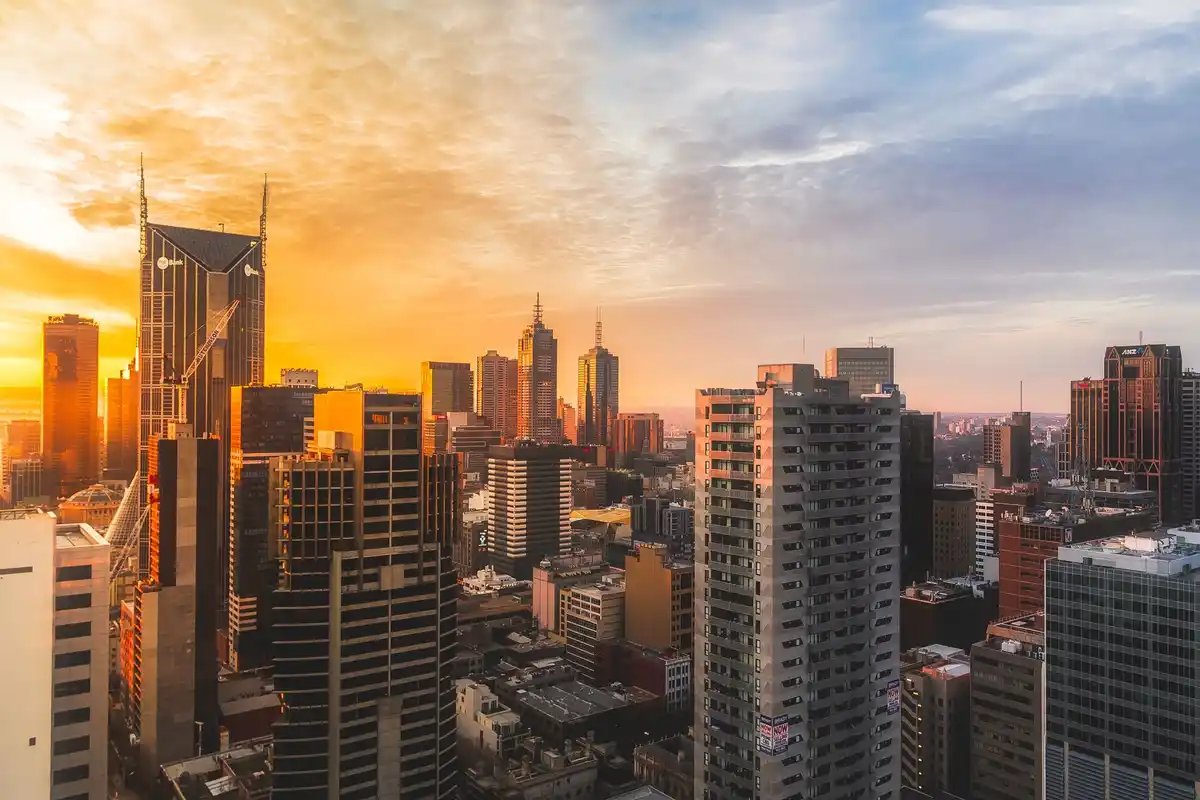
Melbourne, celebrated for its architectural innovation and vibrant commercial sector, is at the forefront of this transformation. As businesses reconsider the purpose of physical offices, architects and designers are crafting more flexible, human-centred spaces that adapt to diverse working styles and evolving needs. The result is a new wave of commercial architecture that combines aesthetic ambition with practical performance.
From Static Layouts to Adaptive Environments
Traditional office design followed a familiar template: rows of fixed workstations, private offices for management, formal boardrooms, and clear departmental divisions. Efficiency was gauged primarily by density and utilisation rates.
While these models suited earlier business paradigms, they struggle to accommodate contemporary realities. Hybrid arrangements, fluid project teams, and sophisticated digital tools have reshaped how and where work happens.
Contemporary workplace architecture in Melbourne increasingly favours adaptable, activity-based planning. Rather than enforcing rigid structures, designs now accommodate a spectrum of activities—focused individual work, spontaneous collaboration, client engagements, and creative workshops—throughout the day. This evolution prioritises flexibility as a core architectural principle, allowing spaces to evolve in step with organisational change.
Hybrid Working Reshapes Design Priorities
The shift to hybrid models has been a major catalyst for change in Melbourne’s commercial property landscape. With employees splitting time between home, client sites, and the office, expectations around workplace functionality have risen sharply.
Architects are responding with designs that emphasise:
- Dedicated spaces for collaboration and team interaction
- Versatile meeting and breakout areas
- Seamless technology integration
- Quiet zones for concentration
- Informal social and wellness spaces
- Enhanced overall employee experience
The modern office has transitioned from a default location for individual tasks to a purposeful hub for high-value, in-person activities. This has led to a reallocation of space: fewer permanent desks and more investment in adaptable collaborative zones, multi-functional rooms, and experiential areas.
Human-Centred Design at the Forefront
A defining trend in commercial architecture is the rise of human-centred design. Forward-thinking organisations understand that workplace quality directly affects engagement, health, and performance.
Designers in Melbourne are prioritising elements that nurture both physical and mental wellbeing, including:
- Abundant natural daylight and views
- Superior indoor air quality and ventilation
- Effective acoustic planning
- Biophilic elements such as planting and natural materials
- Ergonomic and inclusive furniture solutions
- Opportunities for movement and variety in work settings
As talent competition intensifies, these considerations help organisations create environments that attract and retain skilled professionals. Architects must therefore balance striking aesthetics with evidence-based functionality that serves the full range of user needs.
Technology as Integral Architecture
Technology is no longer an afterthought in workplace design—it is fundamental. Modern offices must seamlessly bridge physical and virtual collaboration while accommodating fast-moving digital advancements.
Key integrations now routinely incorporated from concept stage include:
- High-specification video conferencing and audiovisual systems
- Flexible power, data, and connectivity infrastructure
- Smart building management systems
- Digital wayfinding and room booking platforms
- Occupancy and environmental sensors
This proactive approach ensures buildings remain relevant as technology evolves, creating environments where digital and physical experiences enhance one another.
Melbourne’s Leadership in Workplace Innovation
Melbourne’s strong architectural heritage and dynamic development scene make it a natural leader in workplace evolution. Across sectors, businesses are commissioning commercial office design Melbourne projects that blend creativity with performance-focused outcomes—flexibility, sustainability, technology, and user experience.
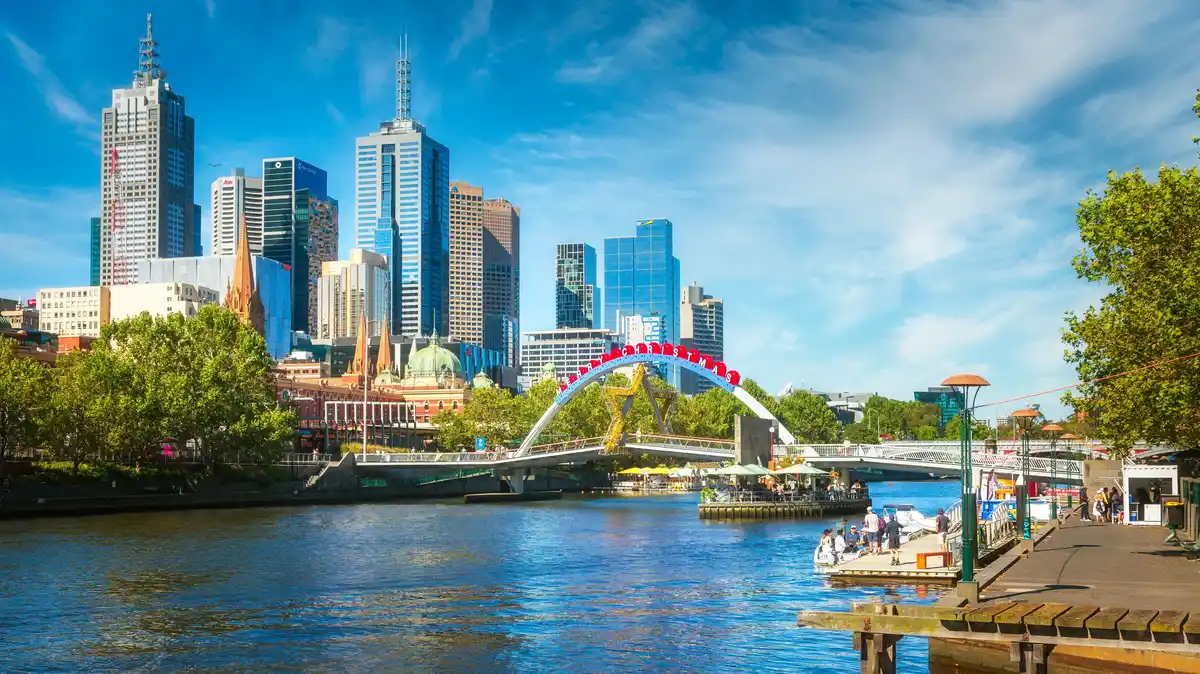
The city’s competitive commercial market rewards quality. Developments that genuinely support modern working practices tend to achieve stronger tenant retention and market appeal. Iconic projects and adaptive reuses continue to set benchmarks, reinforcing Melbourne’s reputation as a hub for thoughtful, forward-looking commercial architecture.
Sustainability as a Design Imperative
Environmental performance has moved from a desirable add-on to a non-negotiable aspect of workplace architecture. Clients increasingly demand designs that align with ESG goals while delivering operational efficiencies.
Common strategies include:
- Energy-efficient HVAC and building systems
- Responsible material selection and construction practices
- Optimised natural ventilation and daylighting
- Water conservation measures
- Flexible layouts that minimise future refurbishment waste
Many projects pursue formal sustainability certifications, recognising that healthier, more efficient buildings benefit both the planet and occupants. Biophilic and wellbeing-focused features often serve dual environmental and human outcomes.
Flexibility as a Long-Term Value Driver
In an era of uncertainty—around workforce size, technology, and business models—flexibility has become essential. Rigid designs risk rapid obsolescence.
Architects are embedding adaptability through:
- Modular and demountable systems
- Movable partitions and reconfigurable elements
- Multi-purpose spaces
- Future-proofed infrastructure for technology and services
These approaches extend the functional lifespan of buildings, reduce long-term costs, and support organisational agility—key considerations for developers and occupiers alike.
Architecture’s Influence on Organisational Culture
Beyond functionality, workplace architecture shapes culture. Spatial layout, material choices, light, and flow influence how people connect, create, and identify with their organisation.
Design processes increasingly explore questions such as:
- How does the space encourage meaningful collaboration?
- How can it foster belonging and community?
- How does it support knowledge exchange?
- How can it express organisational values and identity?
By addressing these, architects help create environments that reinforce desired cultural outcomes rather than leaving them to chance.

Looking to the Future
The next generation of workplace architecture will be defined by adaptability, deep technology integration, rigorous sustainability, and authentic human focus. Architects will continue playing a pivotal role in translating shifting work patterns into built form that supports both immediate needs and long-term resilience.
Melbourne’s commercial sector offers compelling examples of this evolution—projects that demonstrate how thoughtful design can elevate productivity, collaboration, and wellbeing while responding creatively to the demands of hybrid and future-oriented work.
For architects, developers, and business leaders, the opportunity lies in creating workplaces that do more than accommodate change—they actively enable organisations and their people to thrive, whatever the future of work brings.
Comments on this guide to Melbourne commercial workplace architecture evolution, Victoria, Australia, article are welcome.
Melbourne Architectural Designs
Buildings in Melbourne
New Melbourne Buildings : current, chronological list
++
Building Articles
Residential Architecture
Demand management drives real estate business growth
Comments / photos for the Melbourne commercial workplace architecture evolution advice page welcome


