Average Compensation for Construction Site Injuries
July 9, 2026
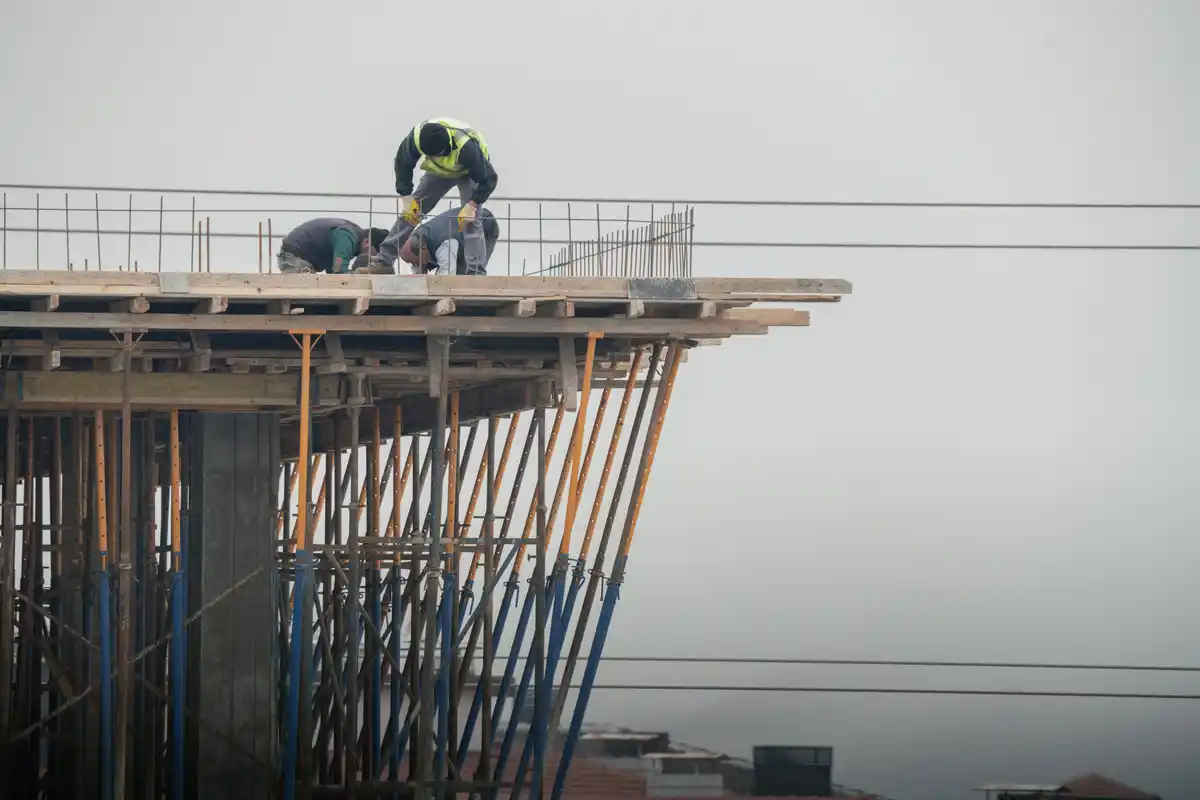
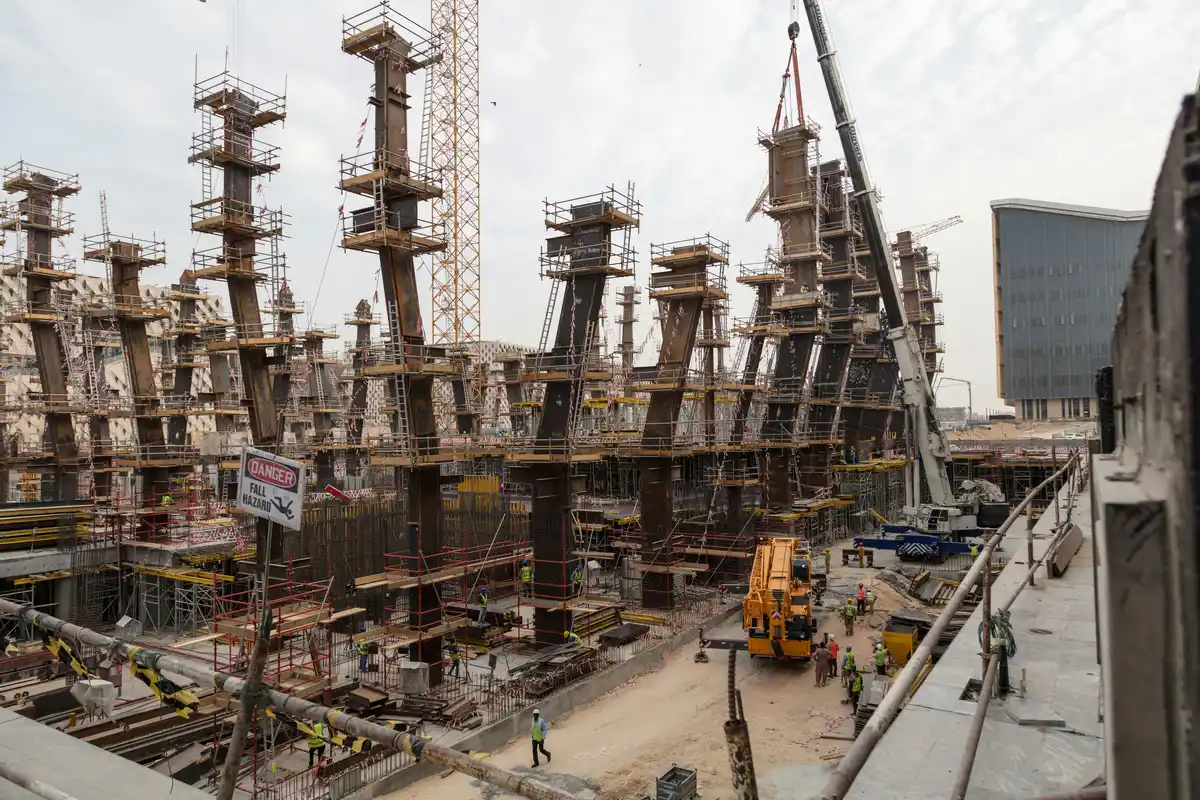
In a workplace environment, deaths, injuries, and other issues constantly put safety under scrutiny. The U.S. Bureau of Labor Statistics reports that in 2023, the construction industry recorded 1,075 fatal occupational injuries, making it the sector with the largest occupational deaths in the country. Specifically, accidents at the workplace killed 1 person in 5 nationally, with 421 of these fatalities caused by falls, slips, and trips. Injuries caused by falls, slips, and trips remain one of the primary dangers on the building sites.
People keep repeating and trusting compensation numbers for construction injuries too easily. A figure based on a national average rarely reflects the true value of a specific situation. People who fixate on that incorrect benchmark might accept less than they should or enter negotiations without understanding why their situation could warrant a higher amount.
Still, knowing the average on-the-job injury compensation you can receive after a construction site injury helps you set realistic expectations for your claim. The National Safety Council reported that a standard worker’s comp claim costs nearly $44,179, which includes both medical costs and benefits offered as indemnity.
Construction cases often surpass that number since construction injuries tend to be more severe overall. Aside from the severity of the injury, there may be several responsible parties involved, and workers can also have avenues beyond workers’ compensation. Learning what affects the compensation value in a construction case usually helps more than simply knowing the average compensation amount.
Why Construction Injury Cases Differ From General Workplace Claims
Seeking compensation often involved complex issues with different parties involved, according to Orange County construction accident lawyer Jose Gonzalez. The process includes the contractors, vendors, and even insurers involved. As such, having an attorney with extensive experience to handle these matters protects your interests from the outset.
The construction industry often ranks as one of the leading causes of workplace fatalities in the United States, according to statistics from the U.S. Bureau of Labor. Construction and extraction workers experienced 1,032 fatalities in 2024.
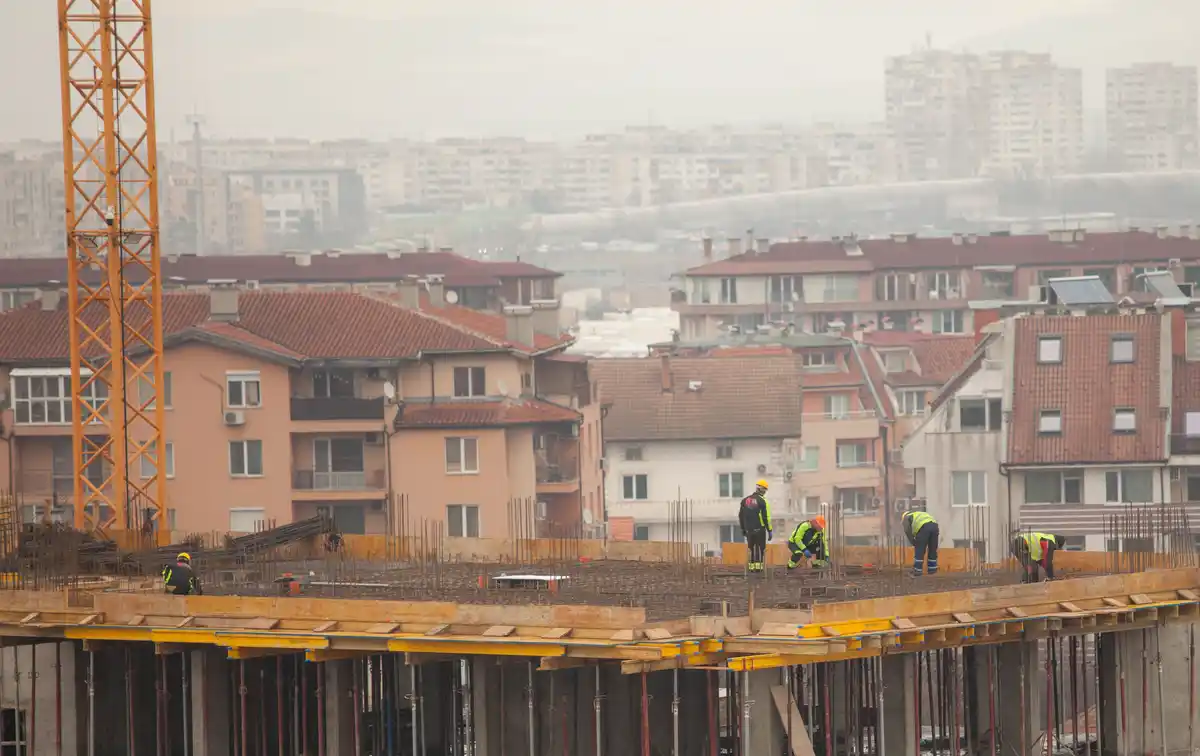
OSHA points to four leading mechanisms behind construction deaths: falls, struck-by incidents, electrocutions, and caught-in or caught-between events. Collectively, these incidents are labeled as the “Fatal Four,” and they make up roughly 59 percent of all construction deaths each year. They also drive several of the most serious and costly non-fatal injuries found in any industry, which is one reason construction-related settlements commonly go beyond the cross-industry average.
The other factor is liability structure. On a construction site there is usually a property owner, a general contractor, a set of subcontractors, and then equipment manufacturers. When a fall results from a scaffolding that was improperly erected by a subcontractor on a site controlled by a developer, the injured worker could have claims against several of these parties. The more defendants are included in a lawsuit, the more possible compensations there are, aside from the workers’ right to recover any losses under the workers’ compensation system.
What Workers’ Compensation Covers and What It Does Not
Workers’ compensation is the first track of benefits for most construction workers. Workers’ compensation pays for medical expenses and replaces a portion of lost wages. It does not require proving fault. The quickness and certainty of workers’ compensation are real advantages. The system has strict boundaries, and those boundaries matter a lot in major injury claims.
Workers’ comp does not really pay for pain and suffering, emotional distress, or a diminished quality of life. Wage replacement is capped at a percentage of average weekly wages, so a worker earning well above the median absorbs a permanent financial hit that the system does not address. It is also the exclusive remedy against the direct employer in most states, which usually ends or prevents certain additional claims.
A third-party personal injury lawsuit against a contractor, property owner, or equipment manufacturer follows a different process. You can seek full lost wages, medical expenses, future care costs, and pain and suffering. When there is gross negligence involved, punitive damages may be deemed applicable too. You can pursue both tracks at the same time. Workers’ comp pays first, and the carrier keeps a lien on any recovery from the third party, but overall compensation is substantially higher than workers’ comp alone.
Factors That Determine the Value of a Construction Injury Claim
Severity and Permanence of the Injury
The single most important variable is how seriously and permanently the worker was hurt. Fractures and soft tissue injuries that resolve with treatment do not behave the same as spinal cord injuries, traumatic brain injuries, or amputations. Head and spine injuries average over $91,000 in workers’ comp settlements by themselves. The said amount is more than double the overall average, before any third-party claim gets factored in.
Number of Liable Parties
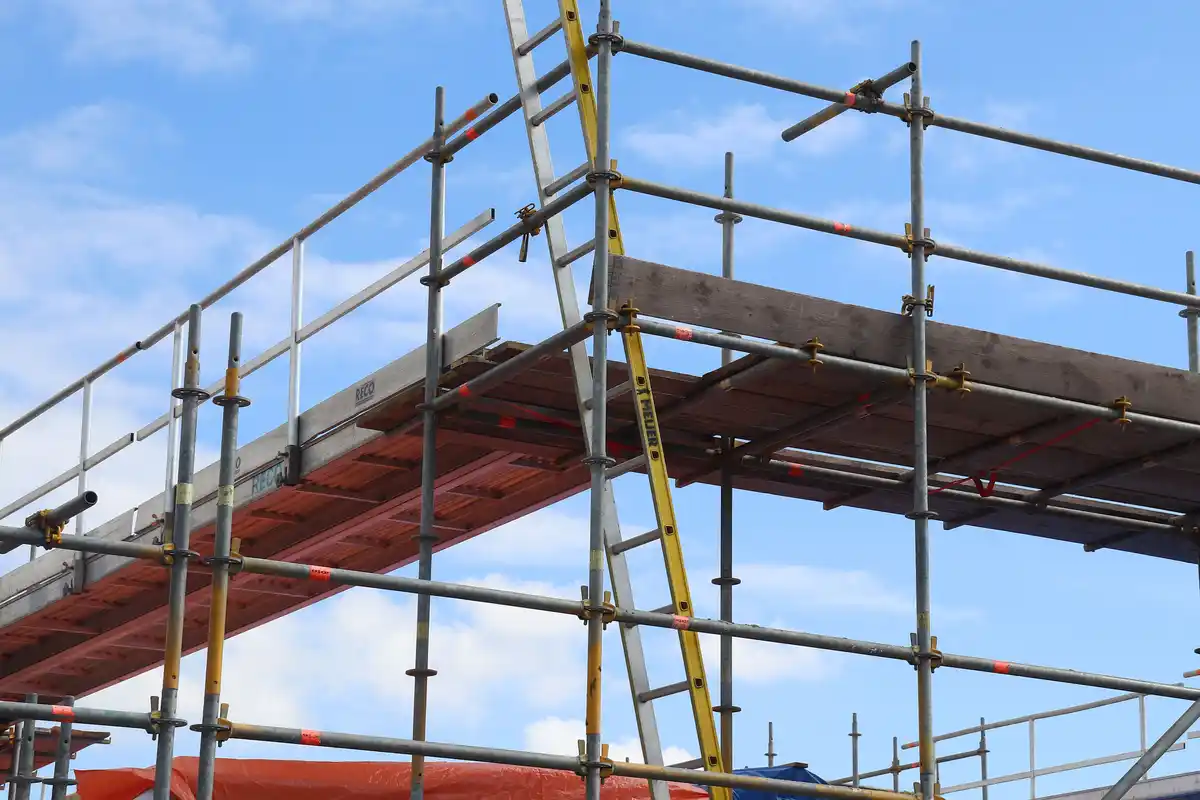
A fall resulting from poorly constructed scaffolding is often a result of a combination of negligence from multiple individuals and parties. In such cases, the culpability may fall on the warehouse materials manufacturer, the contractor who engineered the housing, the main contractor managing the project, and sometimes the owner of the property. Each party’s insurance coverage works as a separate source for recovery. When there are multiple defendants and multiple insurance policies, the potential upside is usually higher than in single-party claims.
OSHA Violations and Employer Negligence
When OSHA goes in on a construction accident and then hands out citations, those findings can, in a real way, beef up a civil claim. The OSHA violations show that a particular safety standard was breached and that this breach caused or contributed to the harm. OSHA penalties can go as high as $70,000 per serious violation, so employers looking at that exposure, plus civil litigation, have a very real reason to push for a resolution. An OSHA investigation file is one of the most useful collections of evidence you can have in a construction injury dispute.
Lost Earning Capacity
If an injury permanently limits what a worker can do in their trade, then future lost wages slide right into the damages calculation. Now imagine the case of a 35-year-old ironworker who is no longer able to work on elevated construction sites. Factor in that the worker still has many profitable years ahead. Frequently, the potential future income will outweigh the current medical expenses, particularly with severe injuries. This scenario is one reason why it is common for construction accident cases to end with the settlements and awards reaching tens of thousands of dollars.
The Workers’ Comp Settlement Is Often the Floor, Not the Ceiling
Workers’ compensation settlements represent the minimum baseline for a construction injury, with a stable employer and a straightforward claim. A worker who settles the workers’ comp claim without looking at third-party liability may end up walking away from the bulk of what they could still receive.
Direct compensation costs do not cover civil liability exposure, which includes pain and suffering and uncapped wage loss. The gap between what workers’ comp pays and what a full civil recovery can include is widest in the cases with the most severe injuries. Those are also the situations where workers most need complete compensation.
Understanding Your Full Range of Options
Average compensation amounts for construction injuries are a starting point for context, not a dependable guide for what any one case might be worth. The extent of the harm, how many separate parties are responsible, whether OSHA violations are involved, and the worker’s long-term income potential are the real variables that set the value.
Keeping evidence at the scene, reporting the injury right away, and getting medical help with no delay can preserve the claim. Workers who were hurt because of safety violations, faulty gear, or a contractor’s neglect may be able to reach damages that go well beyond what the workers’ compensation system delivers. Assessing both options early is the only way to see which one fits.
Comments on this guide to What construction accident lawyers do after worksite injury article are welcome.
Law Courts Buildings
Law Courts Building Articles
++
Accident Lawyers
Best construction accident attorneys in Chicago, Illinois
Construction site injury legal protection
Best construction accident attorneys in Illinois
Real estate attorney for buying or selling properties
Comments / photos for the What construction accident lawyers do after worksite injury advice guide – USA lawyers firms page welcome