Designing Safer Public Spaces for Pedestrians, Cyclists and Service Vehicles
1 July 2026
The modern public space is asked to do a great deal at once. A single street or plaza may need to welcome people on foot, carry a steady flow of cyclists, and still let delivery vans, refuse lorries and emergency vehicles reach the buildings around it.
These users move at very different speeds and have very different needs, and the gaps between them are often measured in centimetres. Designing for all three at once, without letting one group dominate the rest, has become one of the challenges in urban design.
In Europe, designers are working to return streets to people while keeping them functional.
The aim is not to ban vehicles, but to organise movement so that a space feels calm and legible rather than contested.
Start With The Person On Foot
Good public space begins with the pedestrian, because walking is the one activity almost every visitor has in common. People read a space quickly and follow the route that feels most direct, so the best layout makes the safe route easy to see and follow.
Generous, level footways, clear sightlines and well-placed crossings do more for safety than any sign, while tactile paving and consistent detailing help people with limited sight or mobility move with confidence.
Surfaces carry meaning here too. A continuous, well-drained surface signals that pedestrians belong, while a deliberate change in texture or level can quietly tell a driver to slow down and pay attention before anyone has to.
Give Cyclists A Continuous Route
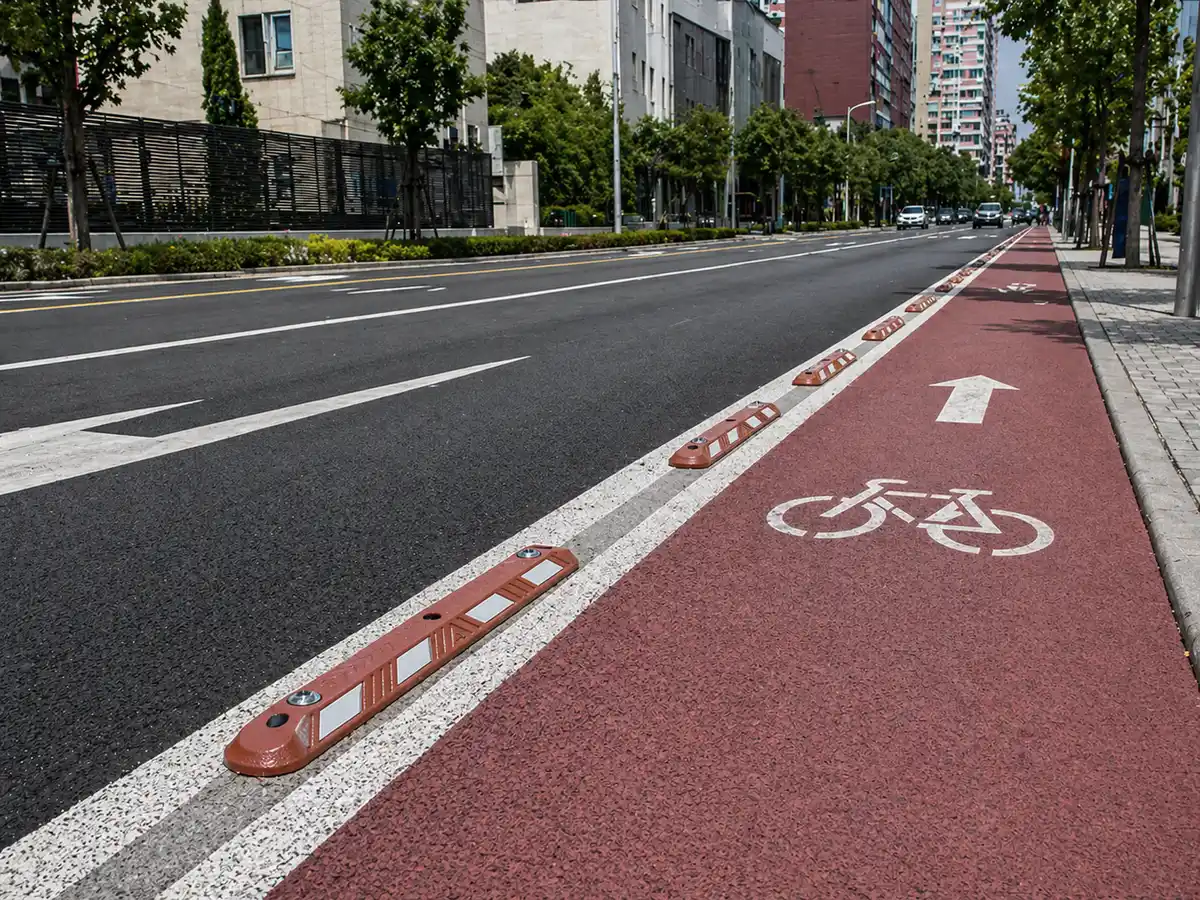
Cyclists sit awkwardly between the fast and the slow, and they suffer most when a route keeps stopping and starting. A cycle lane that vanishes at a junction simply pushes riders back into conflict with traffic at the exact point where collisions are most likely.
The strongest schemes treat cycling as a continuous network, carrying it through junctions and around obstacles rather than abandoning it at the kerb.
Where space allows, light separation between cyclists and both pedestrians and vehicles reduces friction for everyone. Where it does not, lower speeds and clear priority become the tools that keep a shared surface working safely.
Plan for the Vehicles You Cannot Remove
Service and delivery traffic is the part of the brief designers are most tempted to ignore, yet it never goes away.
Online retail has only increased the number of vans arriving at the kerbside, and every building still needs waste collection, maintenance access and a clear path for emergency services.
A scheme that looks elegant on paper but traps a refuse lorry on a Monday morning has not really succeeded.
The better approach is to design these movements in from the beginning. Loading bays, turning space and timed access can keep larger vehicles away from the busiest pedestrian hours, while clear, robust edges protect people during the times when vehicles and pedestrians do share ground.
The Detail Layer That Holds It Together
Small physical details play an important role in making a public space safe.
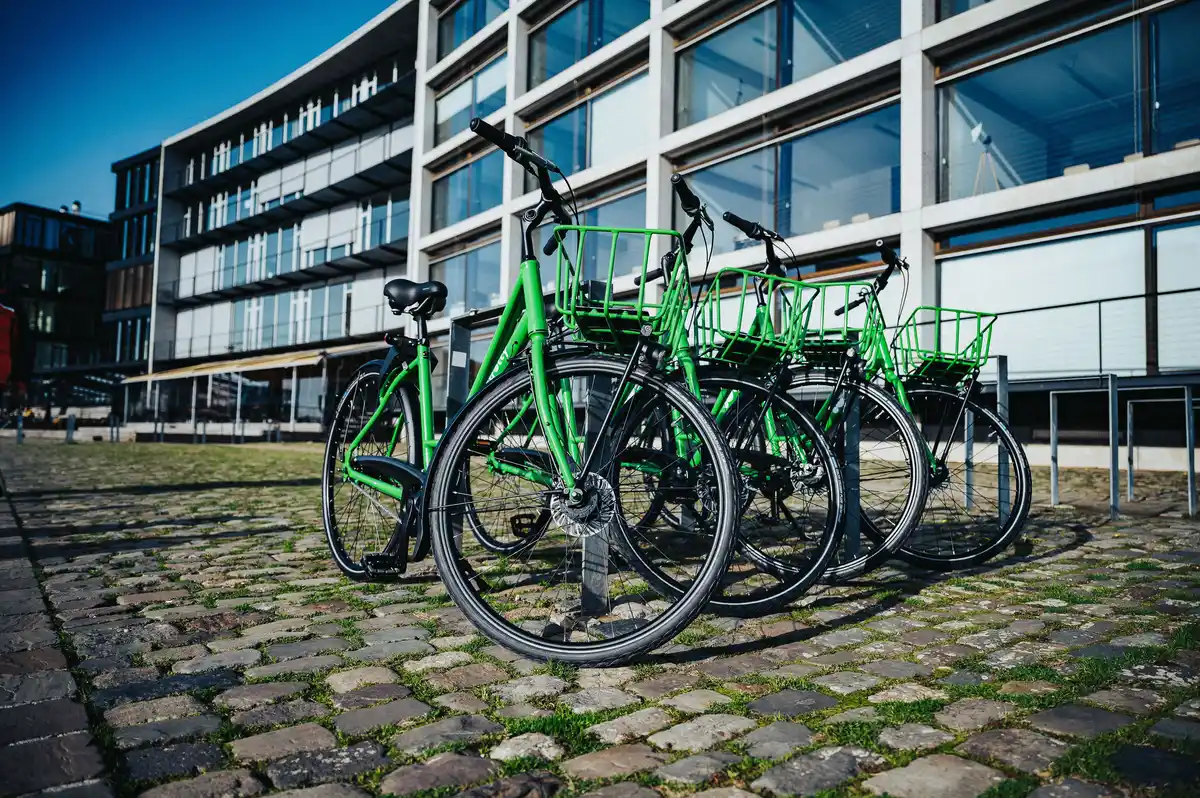
Bollards help show where vehicles can and cannot go. They can protect building entrances, cycle parking areas and places where people gather without using walls or fences.
Removable and telescopic bollards can also provide flexible access. They can be opened for deliveries or events, and then put back in place to protect the space again.
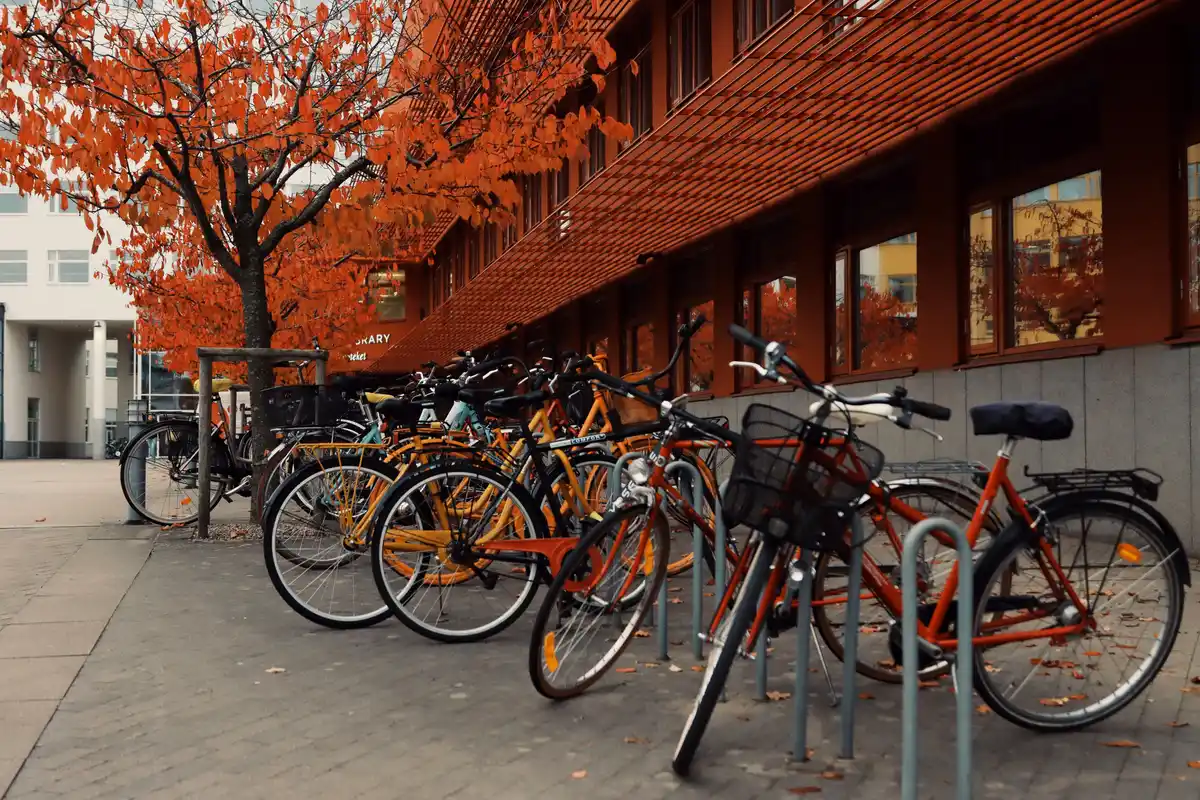
Cycle stands, seating and planters shape movement gently, and cable protection keeps temporary power or event cabling from becoming a trip hazard across a busy footway.
These elements are easy to overlook at the concept stage, yet they decide how a space behaves day to day, and specifying them in durable, weather-resistant materials matters as much as their placement.
Many urban safety equipment suppliers provide bollards, cycle stands, cable ramps and modular traffic-calming units, giving designers durable options for areas where people and vehicles meet.
Designing for Movement and for Place
A safe public space helps people understand where to walk, cycle or drive without confusion. This comes from clear layout, suitable materials and good details, not just from signs.
When pedestrians, cyclists and service vehicles each have a place that respects the others, a street stops feeling like a negotiation and starts feeling like somewhere people actually want to be.
That balance, between movement and place, is the real measure of public space design.
Comments on this guide to Designing safer public spaces for pedestrians, cyclists and service vehicles article are welcome.
Buildings
Recently added Building posts
What type of mirror is best for humid bathrooms
Homeowners cash out refinance choices
++
Home Design
Home Design Articles
Comments / photos for the Designing safer public spaces for pedestrians, cyclists and service vehicles advice guide page welcome.