What Is Build-to-Rent Multifamily Design in 2026
21 June 2026
There are more than 20 million multifamily units nationwide, and build-to-rent design for this niche represents a deliberate shift away from traditional for-sale condo engineering toward asset longevity and community stability. In 2026, developers no longer view these properties as transient stopgaps for tenants, but rather as permanent rental communities engineered for lower turnover and minimized capital expenditures. The architectural blueprint of these buildings explicitly prioritizes operational efficiency, as the builder will remain the long-term owner and operator.
Unlike traditional multifamily properties that face rapid wear and tear, purpose-built communities balance user demand for extra space with centralized operational systems to ensure profitability. This strategy changes how structures are built from the bedrock up. Every design choice is run through a strict operational filter to ensure that daily wear does not erode the investor’s bottom line over a ten-year holding period.
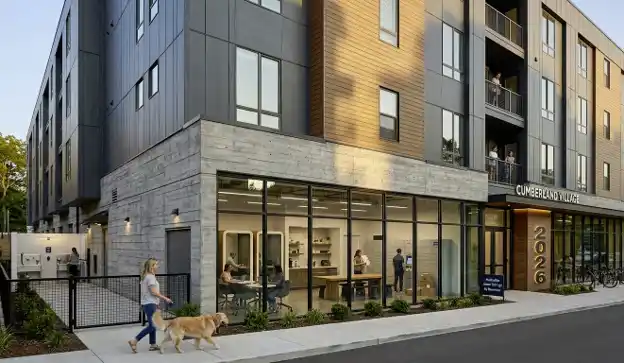
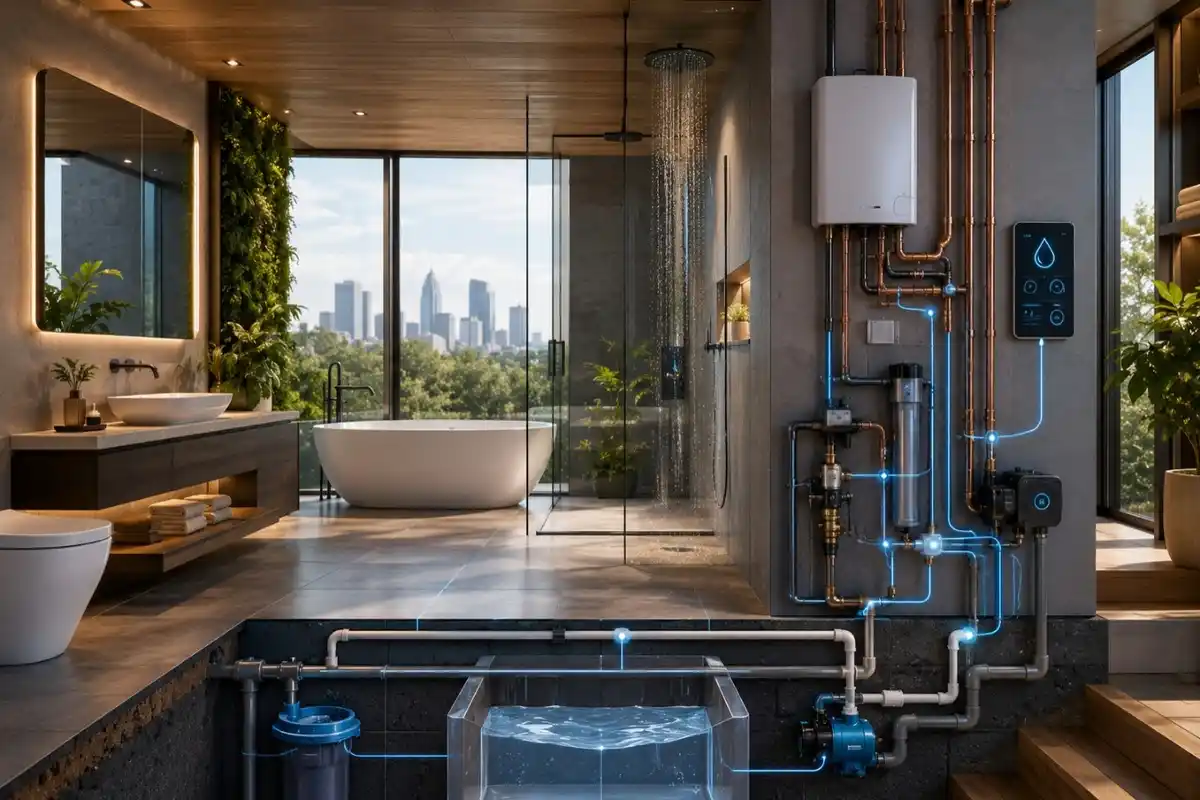
Image Source: Google Gemini
Architecture Built to Last
The core differentiator of this design model lies in its durability specifications. Standard multifamily builds often utilize retail-grade finishes to attract quick buyers, whereas dedicated rental assets utilize commercial-grade materials designed to withstand decades of constant use. This means replacing standard drywall corners with high-impact bead work, deploying luxury vinyl tile with thick wear layers instead of cheap carpet, and installing heavy-duty solid-core doors throughout the property.
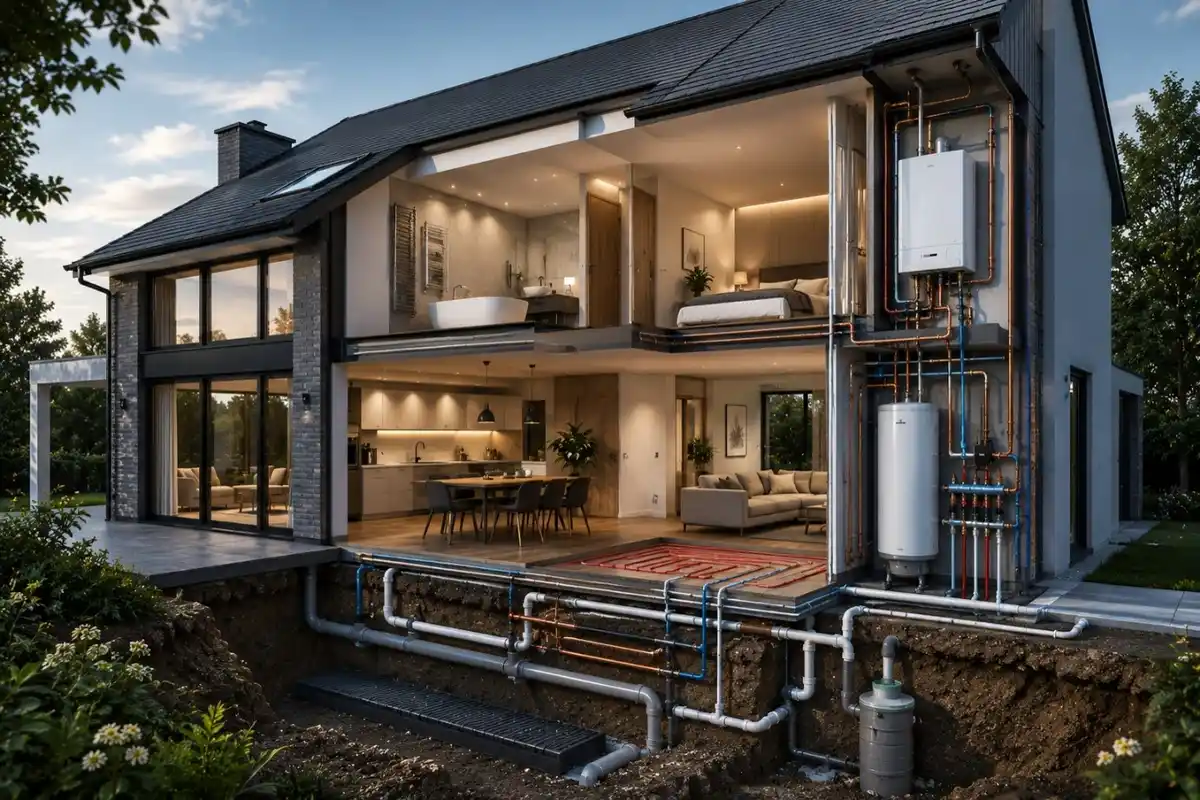
These material choices directly optimize long-term operating margins by reducing the costly turnover expenses that typically plague landlords. Maintenance cores are also being repositioned to the exterior corridors. This architectural adjustment allows plumbing, HVAC, and electrical systems to be serviced without a technician ever setting foot inside a resident’s private living space.
The structural shift is especially visible in booming rental markets where housing demand remains intense. For instance, people searching through Nashville room listings increasingly encounter these highly optimized, professionally managed spaces that look and feel entirely different than a chopped-up historic home or a cheaply thrown-together mid-rise apartment.
Amenity Programming and Logistics
Longer tenancies require a complete rethinking of communal spaces and spatial programming. The current model ditches underutilized, flashy amenities like virtual golf simulators in favor of functional, high-use spaces that genuinely improve residents’ daily lives.
Managing the sheer volume of home deliveries has become a primary architectural challenge for modern property managers. Instead of leaving packages piled up in a small leasing office, modern blueprints incorporate massive, automated package logistics hubs equipped with cold-storage lockers for grocery deliveries. Access control has also evolved, utilizing centralized smart-lock systems that grant temporary digital keys to delivery personnel and maintenance staff while maintaining strict perimeter security.
Modern development teams focus heavily on communal amenity upgrades and pricing transparency to build authentic tenant loyalty. When communal spaces are designed to facilitate remote work and genuine social interaction, residents stay in place significantly longer.
The shifting lifestyle preferences of modern renters alter design priorities across three distinct areas:
- Expanded co-working lounges equipped with private video-call booths
- Integrated community kitchens built to host large neighborhood gatherings
- Dedicated outdoor pet zones featuring professional-grade washing stations
Financing Drivers and Adaptive Reuse
The financial mechanisms fueling this asset class require a unique approach to underwriting. Institutional lenders look favorably upon these developments because centralized management strategies generate highly predictable, stable cash flows compared to the volatility of for-sale housing markets.
High-density layouts allow developers to maximize land use while keeping construction costs manageable. This economic reality has sparked a massive wave of adaptive reuse projects, transforming vacant suburban office parks and aging retail strip centers into vibrant residential enclaves. Converting these existing structures reduces the environmental impact of new construction and allows developers to bypass the lengthy zoning battles typically associated with greenfield developments.
The macroeconomic landscape continues to shape project deliveries, stabilizing rents, and overall development complexities across the country. Developers who master the balance of durable architecture and efficient property management are successfully capturing the massive wave of capital currently fleeing traditional commercial real estate sectors.
Discover Deep Property Insights
Navigating the rapid evolution of modern property development requires a continuous examination of hyperlocal housing shifts and architectural case studies. Exploring deeper industry analysis helps clarify how these institutional design choices directly influence neighborhood rental rates and regional urban planning decisions. You can get to grips with more architectural topics on our site, so stay put and read more posts if you’re eager to learn.
Comments on this guide to What is build-to-rent multifamily design article are welcome.
Properties
Property Management Posts
Property management company supports architectural projects
Hiring a rental property management company
5 top vacation rental property management companies
++
Residential Property Design
Contemporary Property Designs – architectural selection:
Comments / photos for the What is build-to-rent multifamily design advice page welcome.