Summerlin Serenity House in Longmont, Colorado
June 26, 2026
Architecture: Rodwin Architecture
Location: Longmont, Colorado, USA
Photos by David Lauer
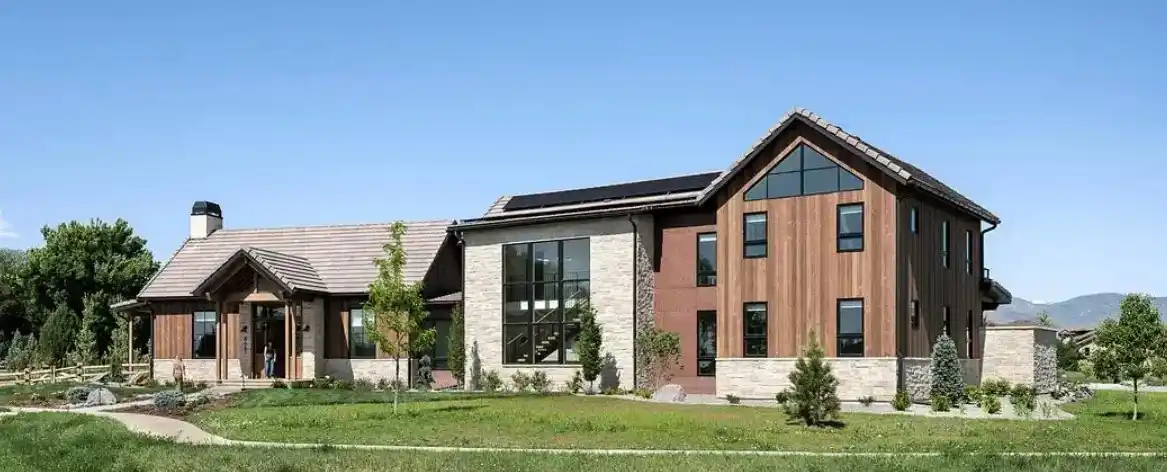
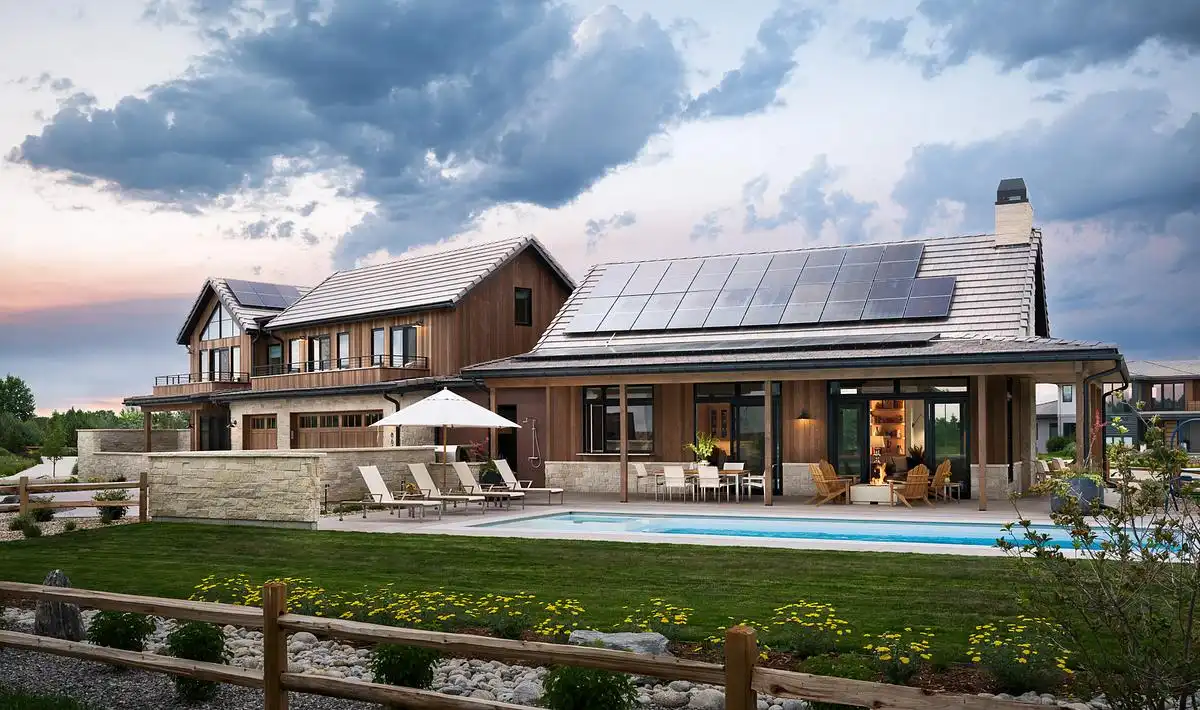
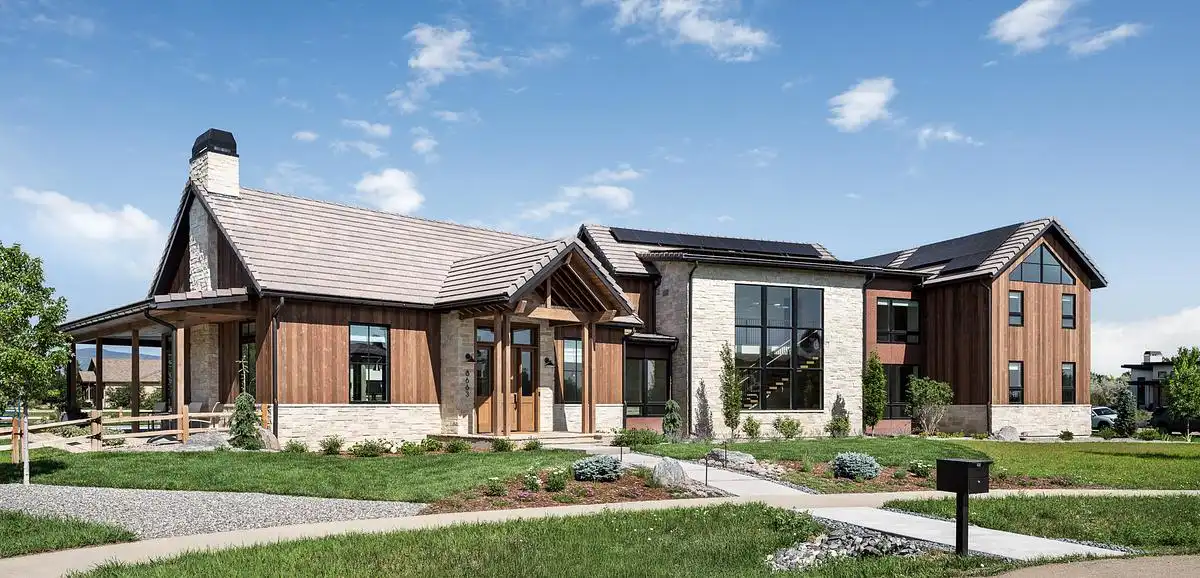
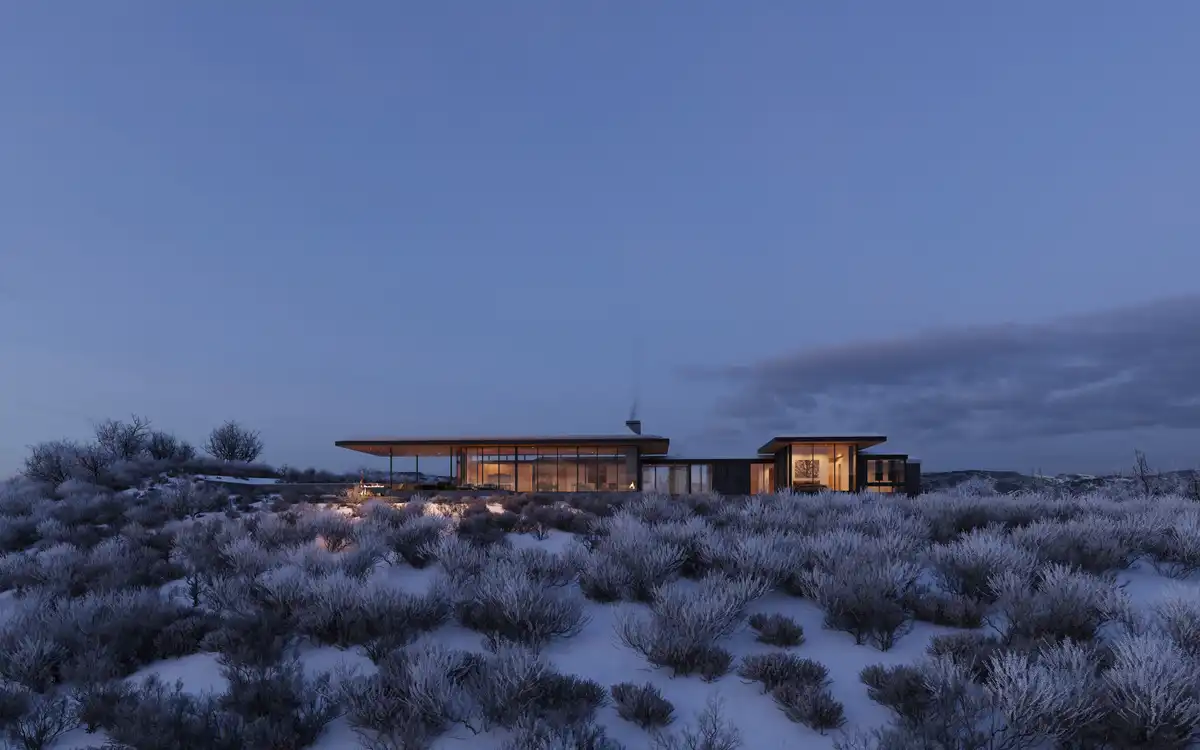
Summerlin Serenity is a 4,150-square-foot single-family residence completed in 2025 on the open prairie in Longmont, Colorado. Conceived as a quiet mountain-contemporary oasis, the home was designed to host family and friends with the ease and polish of a five-star hotel—understated in its elegance, expansive in its experience, and intentional in every detail.
The client envisioned a Colorado escape with multiple settings for different moods and moments—spaces that could shift from lively gatherings to restorative solitude without ever losing connection to the landscape. From the outset, the design focused on capturing views and making the entire site feel usable and lived-in, extending the sense of home beyond the walls.
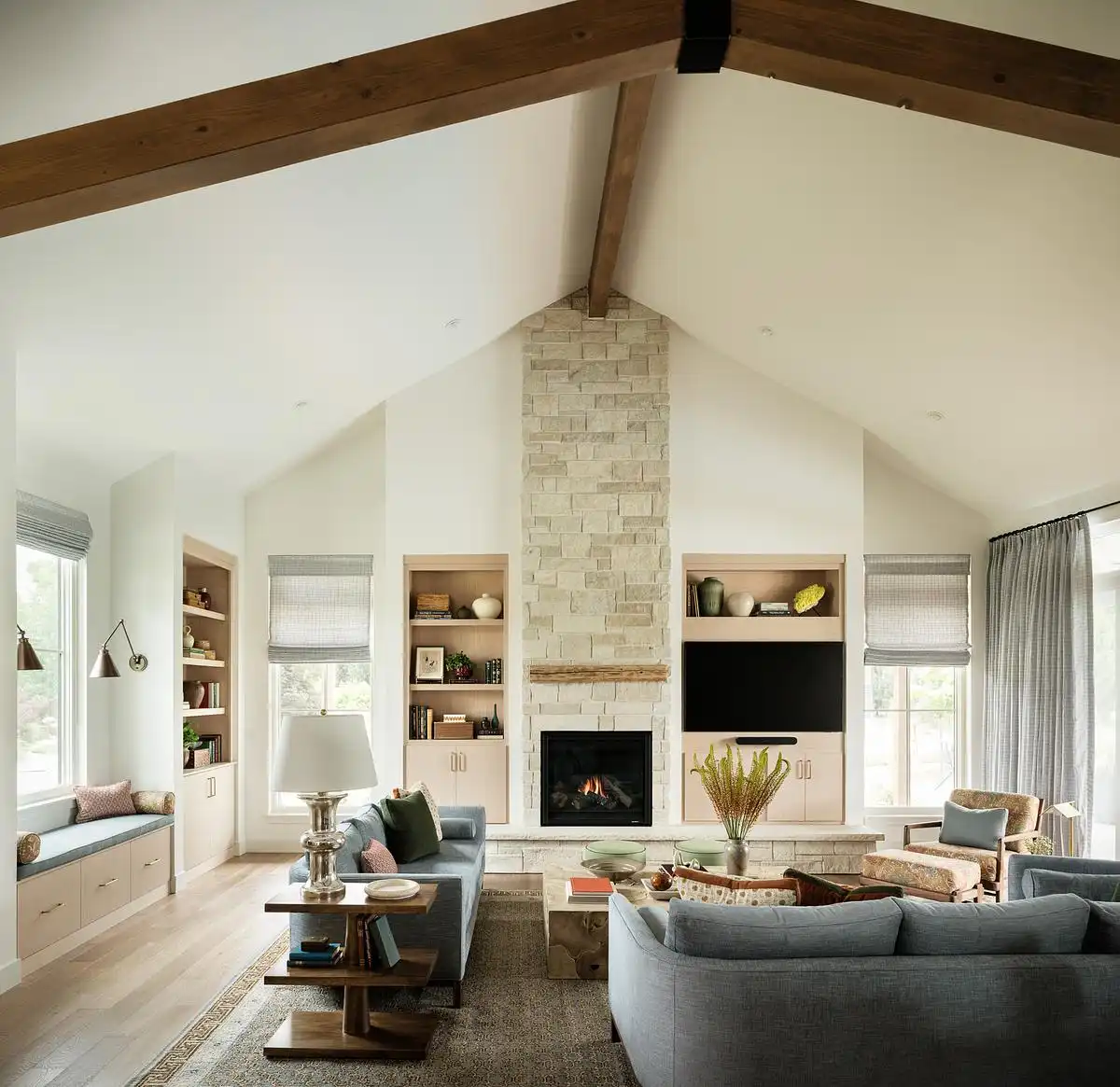
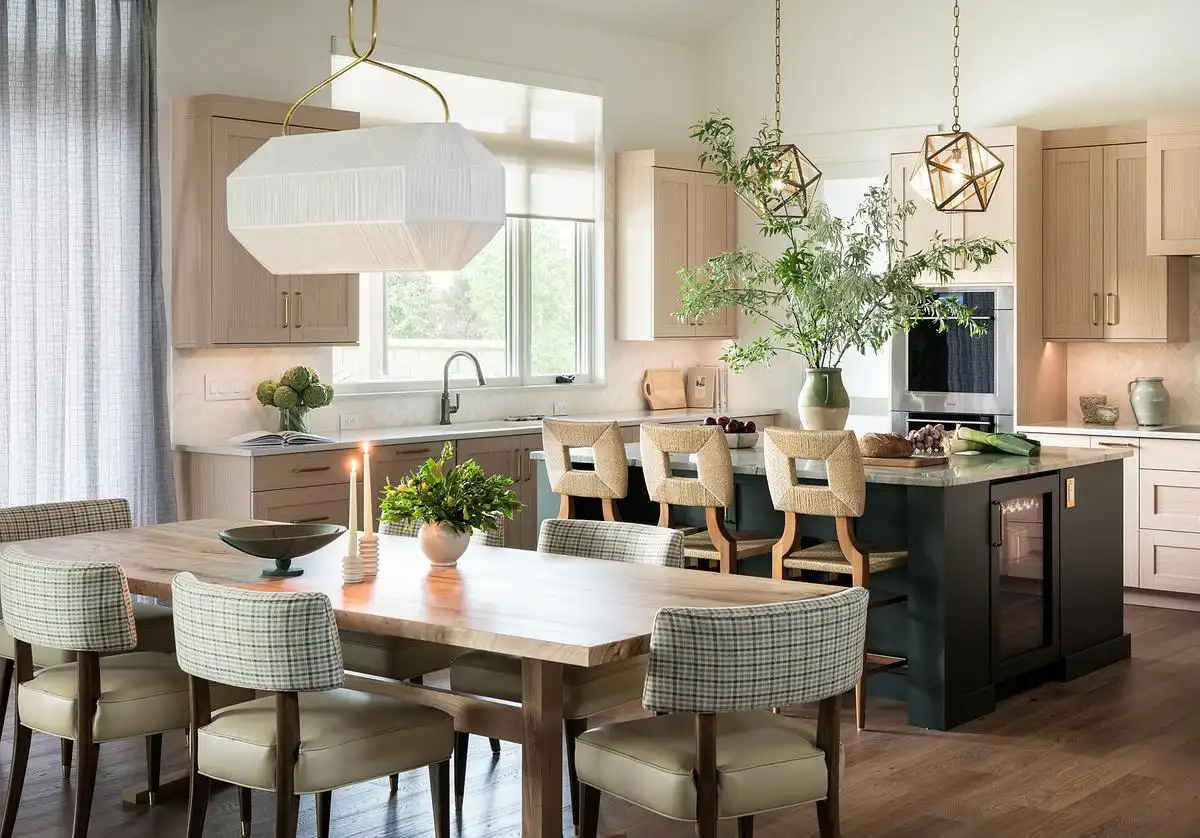
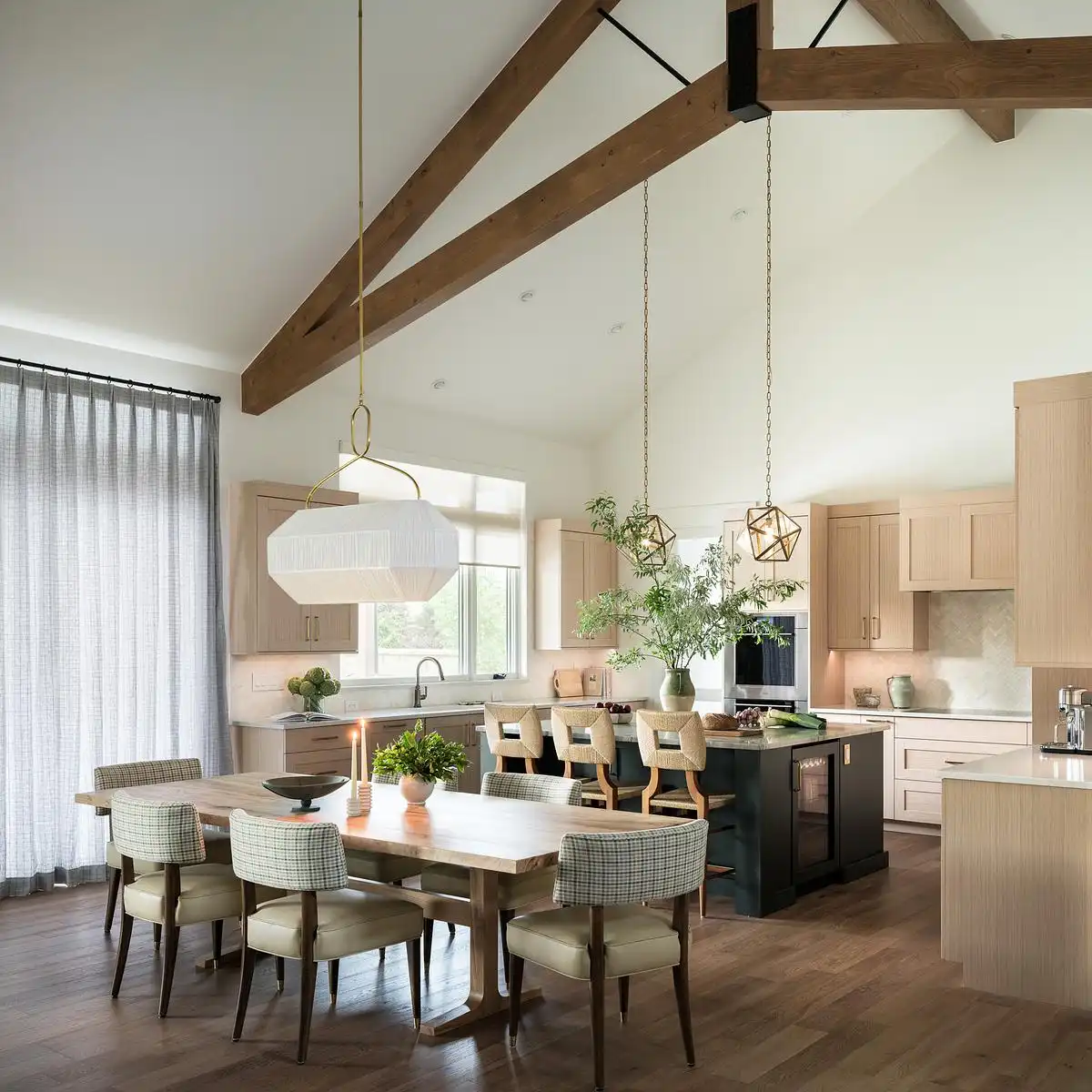
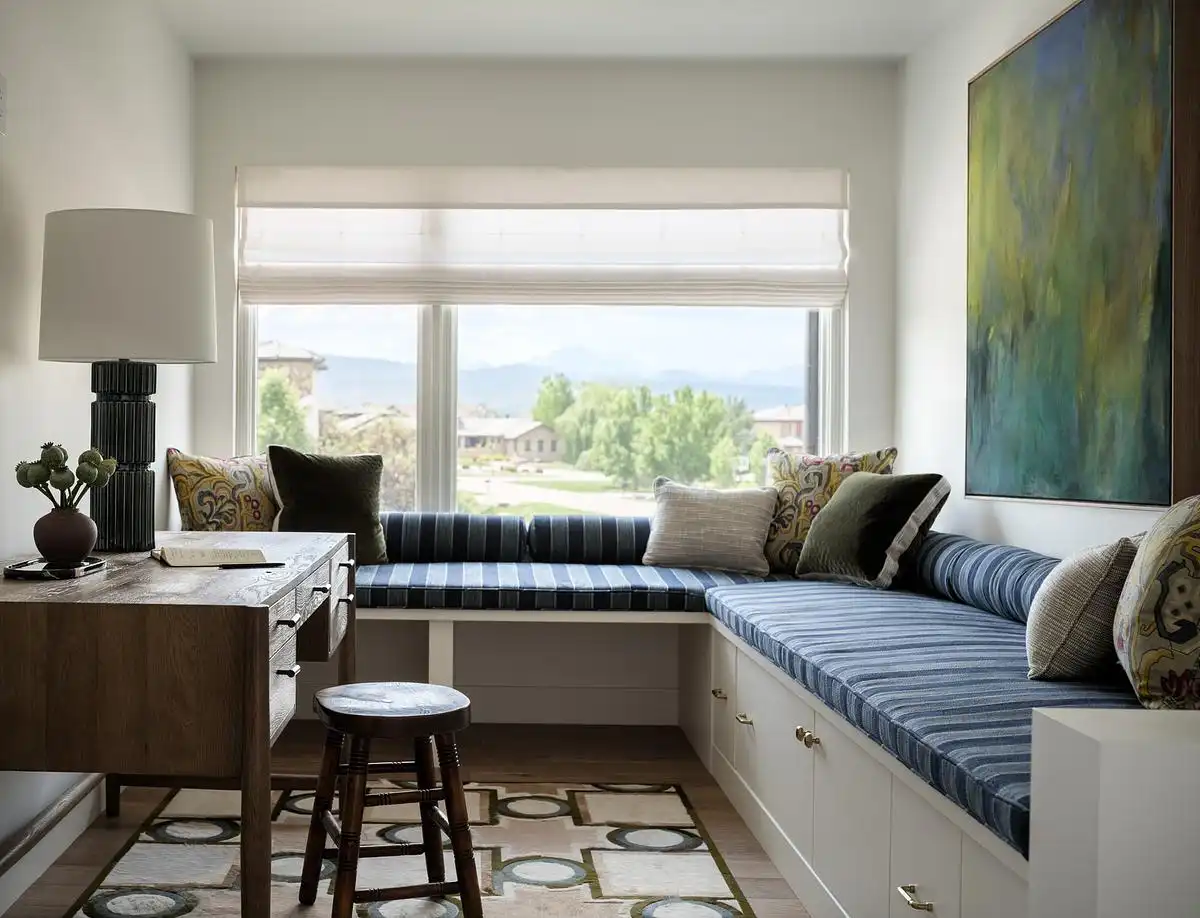
The public heart of the residence is a generous great room anchored by adjacent dining and living areas, a sequence planned for communal entertaining and everyday comfort. Large, carefully composed openings create a strong indoor/outdoor relationship, while a high-performing window package brings sweeping views of the Continental Divide and Longs Peak into nearly every room. The spatial experience is deliberately layered: open and celebratory where people gather, then more intimate as you move into private spaces that still hold the horizon.
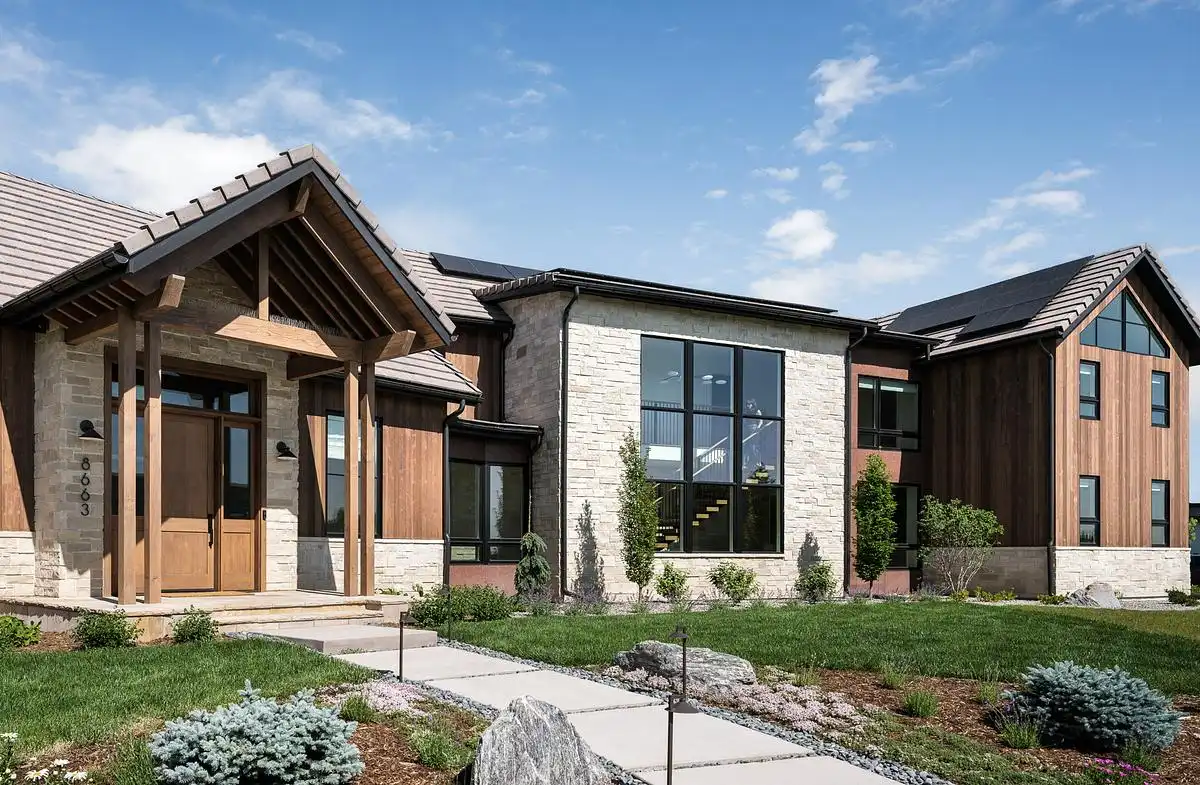
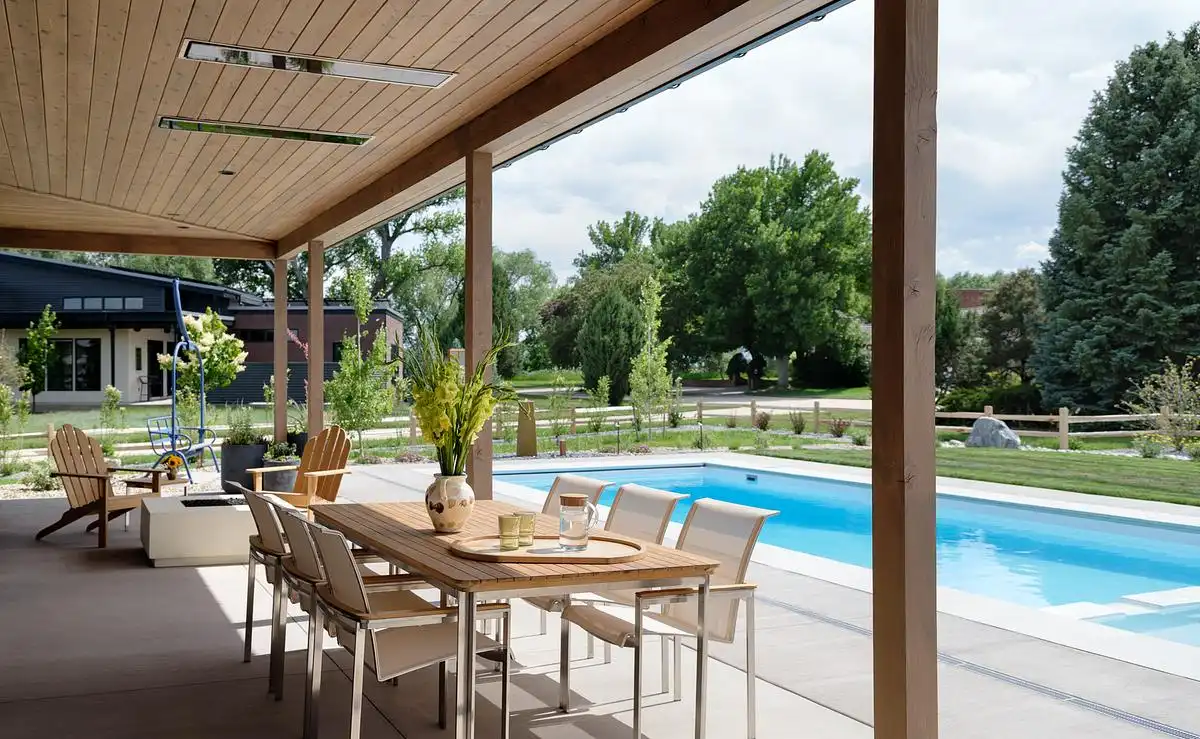
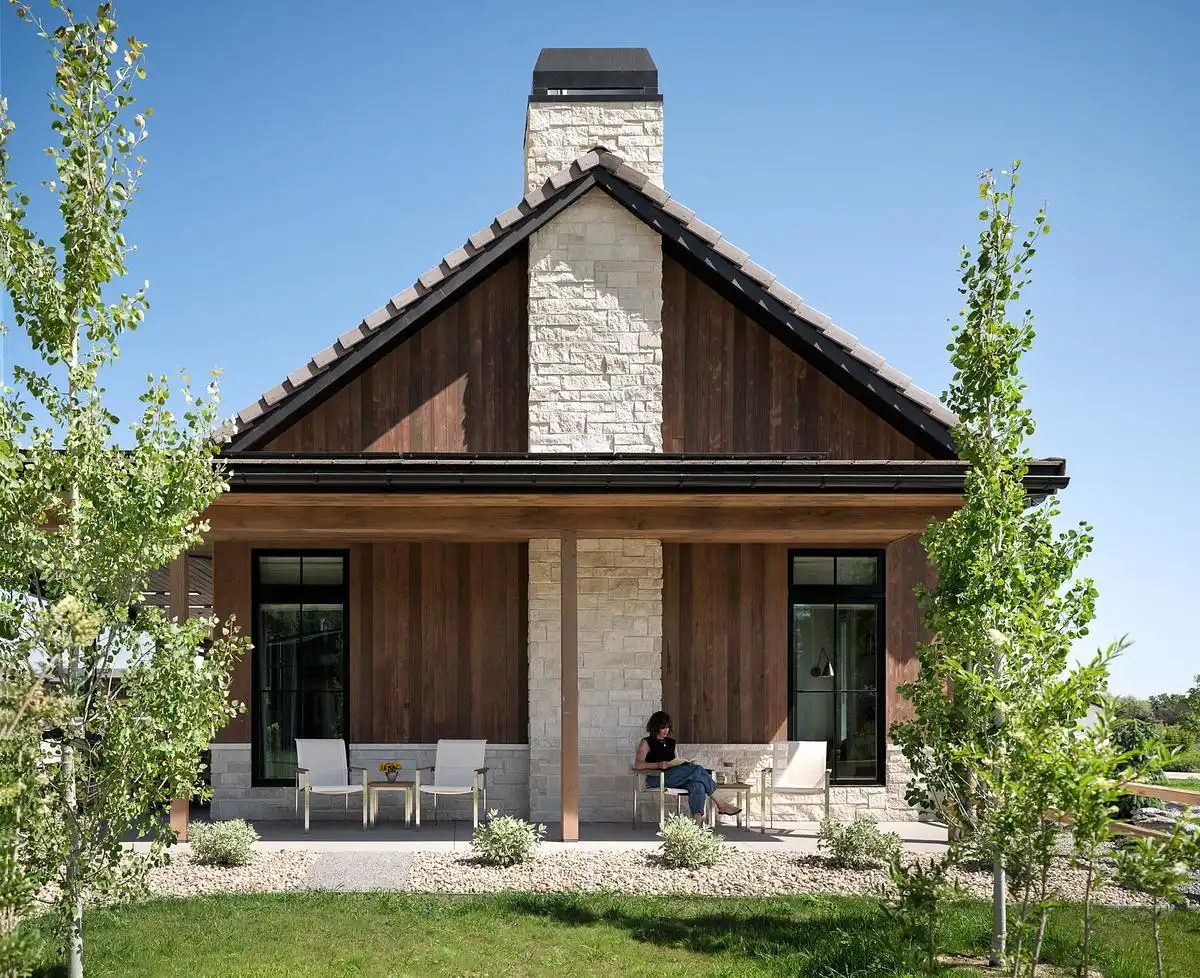
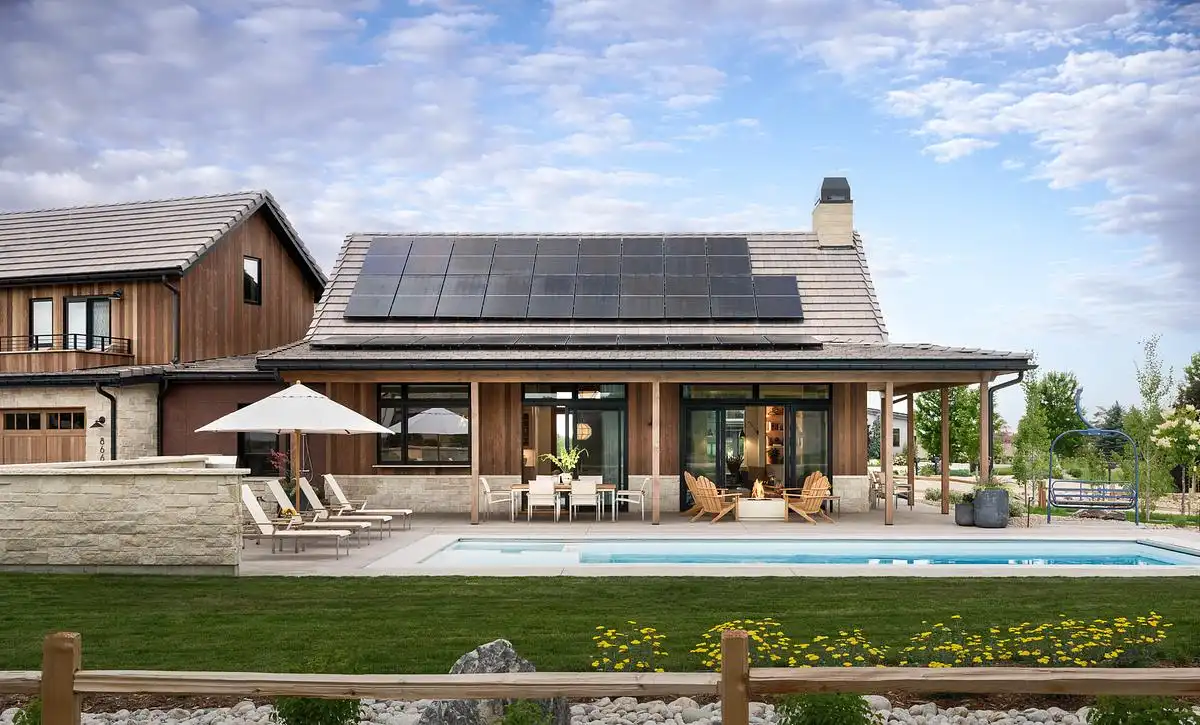
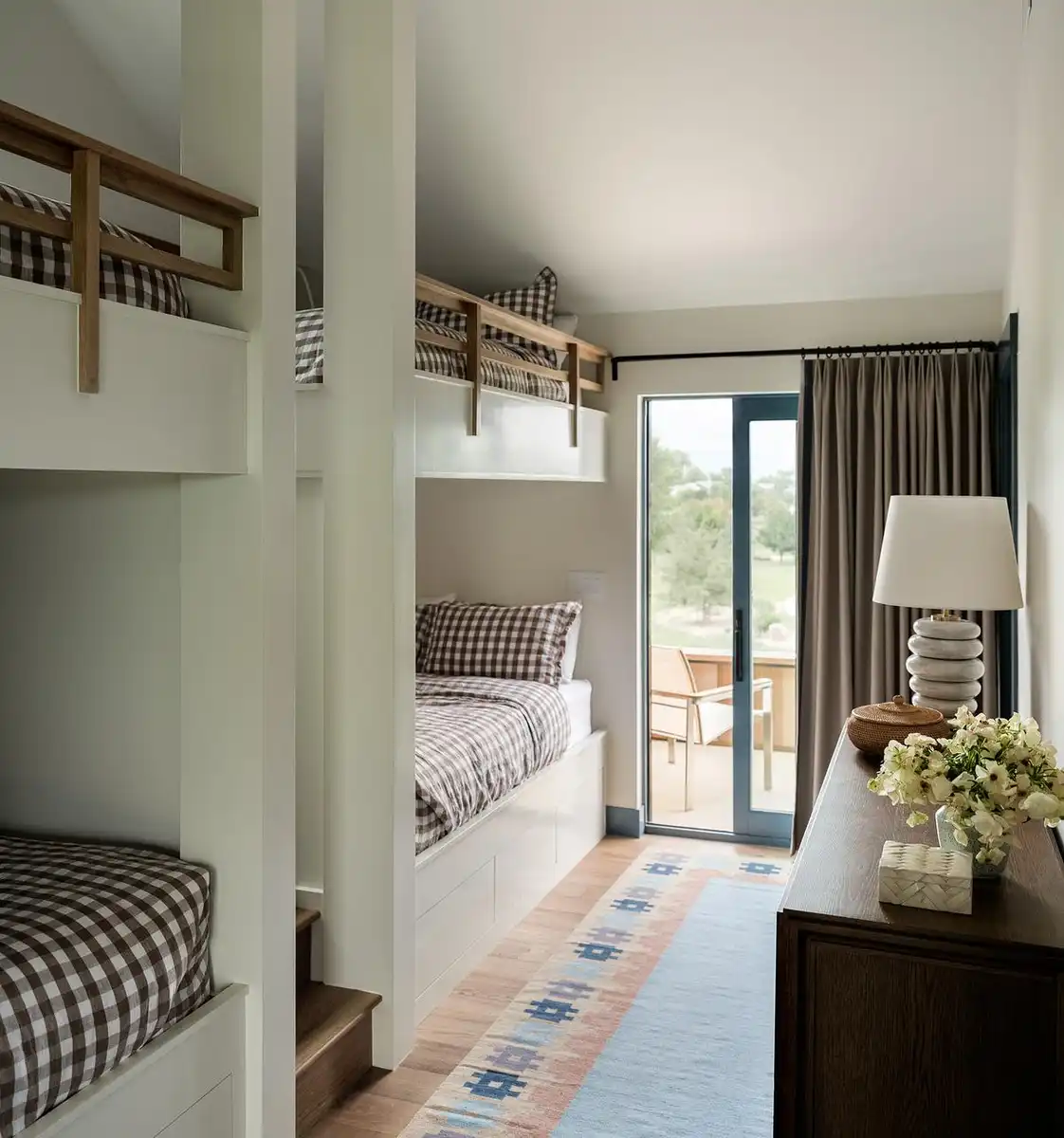
Materiality reinforces the project’s calm confidence. A palette of metal, wood, and stone gives the exterior a durable presence, while interiors lean natural and soft—quiet hues, tactile finishes, and a long gallery wall for art and artifacts collected over time. Custom moments add delight and function, including a bunk room with four queen-size beds that turns hosting into something effortless and memorable.
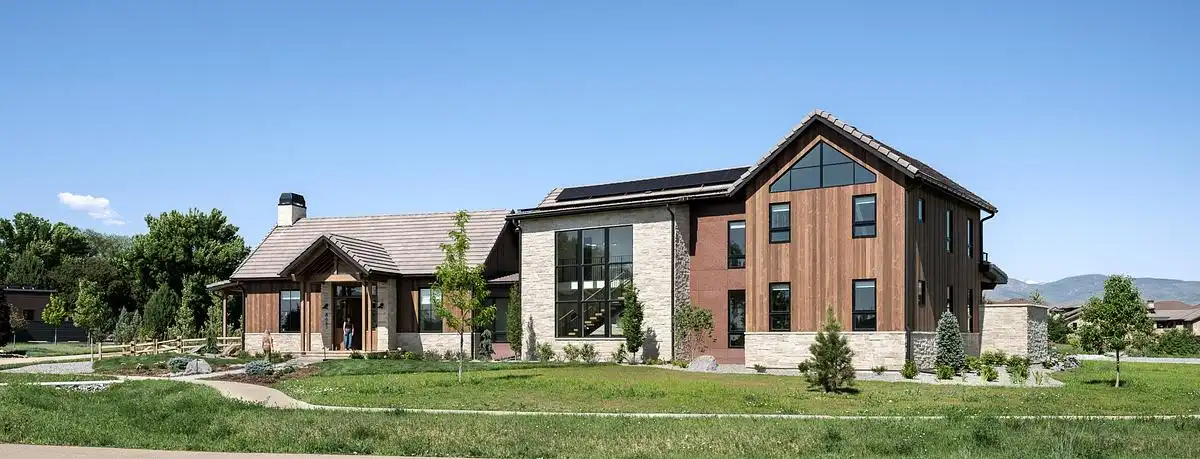
Performance was integral to the concept, leveraging high-performance envelope strategies and solar energy generation to pursue regenerative ambitions beyond net-zero goals. Even with standard site constraints, careful attention to privacy and neighbor shielding ensures the home feels open to mountains and sky, yet protected—shaped by a smooth, collaborative process and a shared commitment to getting every detail right.
Could you elaborate on what regenerative design beyond net-zero truly entails for Summerlin Serenity, and what specific principles or technologies were paramount in achieving this ambitious goal?
For Summerlin Serenity, “regenerative design beyond net-zero” means the home isn’t just minimizing harm or balancing annual energy use—it’s designed to actively improve its relationship with the site over time: producing more clean energy than it consumes (at least in intent), reducing long-term resource demand, and prioritizing durability/health so the building performs better for decades, not just at move-in.
What that looks like in practice (principles) High performance first (reduce demand before adding solar): The biggest lever is lowering heating/cooling loads so renewables can cover (and potentially exceed) needs. Long-life, low-maintenance resilience: Durable exterior materials and assemblies that resist weathering reduce replacement cycles, embodied carbon from repairs, and ongoing waste. Whole-site thinking: The project narrative emphasizes the home extending “beyond the walls”—a regenerative mindset treats the property as a living system (comfort, microclimate, privacy, usability), not just a structure. Comfort + health as performance metrics: Regenerative projects typically prioritize stable indoor temps, good daylight, and indoor air quality—because “performance” isn’t only energy, it’s human outcomes.
The most paramount technologies/strategies (based on your reference) High-performance envelope strategies Enhanced insulation/air sealing to reduce leakage and thermal loss Thoughtful glazing placement/openings to capture views without sacrificing efficiency Detailing that prevents thermal bridging and moisture issues (critical for longevity) High-performing window package Efficient glazing (often triple-pane or high-spec double-pane) to maintain comfort near glass Solar heat gain tuned by orientation (bringing in light/views while controlling overheating).
This is key because you’re describing “mountain views into nearly every room”—windows can be the weak link unless they’re top-tier. Solar energy generation On-site PV intended to offset the already-reduced loads “Beyond net-zero goals” implies an ambition toward net-positive operation (or at minimum, net-zero with a buffer and future-ready capacity) Material durability + longevity Stone, metal, and cementitious products called out specifically—these are about service life and resilience, which is a regenerative move (build once, maintain lightly).
How does the architectural design and overall ethos of Summerlin Serenity contribute to creating a five-star hosting experience and a true retreat for its guests, especially considering its unique location and views?
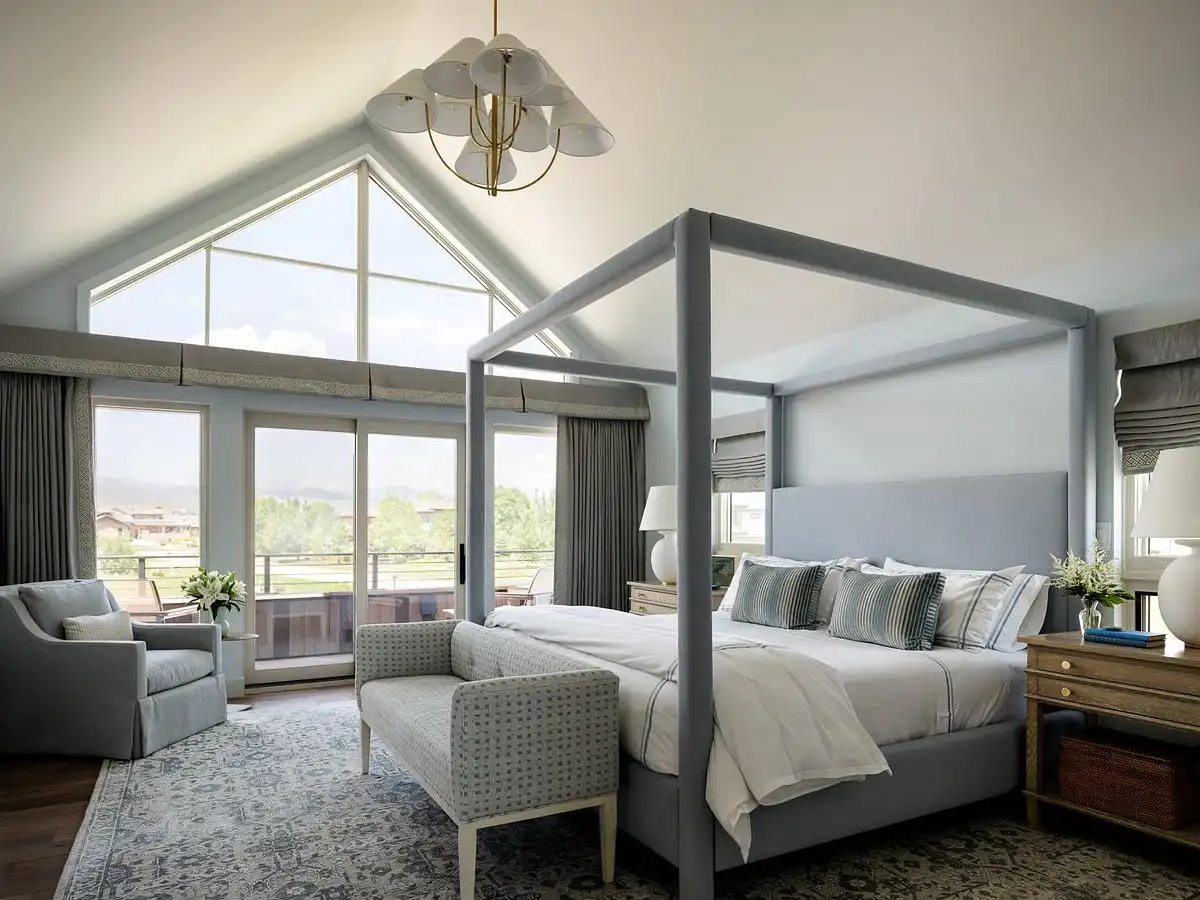
Summerlin Serenity delivers a five-star hosting experience through thoughtful sequencing and layered spaces: a generous great room anchored by dining and living areas supports effortless gathering, while more intimate private zones offer quiet retreat without losing the horizon.
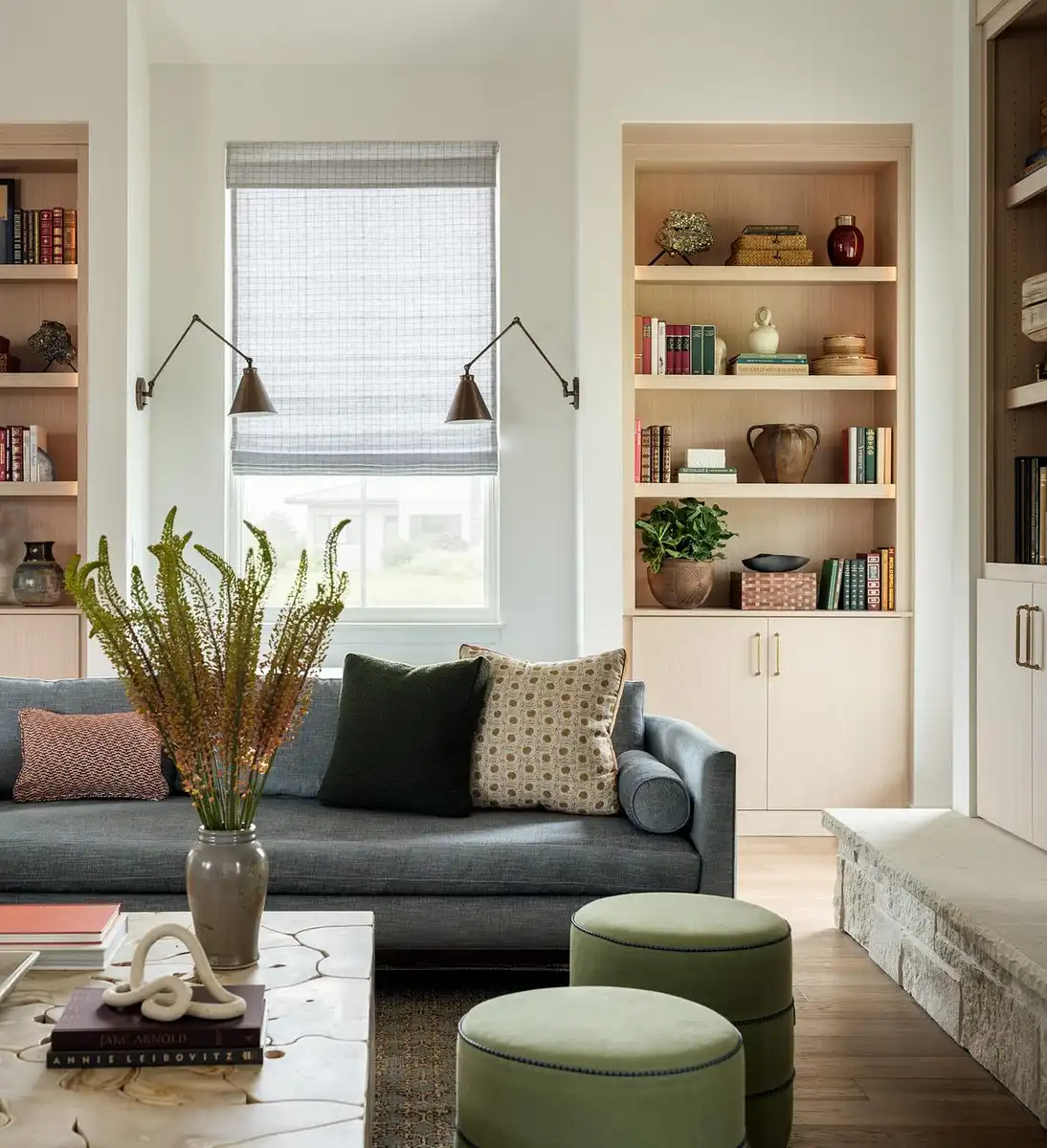
Large, carefully composed openings and a high-performing window package pull the Continental Divide and Longs Peak into daily life, extending the experience beyond the walls and making the entire site feel usable. Understated materials—metal, wood, and stone outside; soft, natural finishes inside—create calm confidence, while custom touches like a four–queen-bed bunk room make hosting easy and memorable. Privacy and neighbor shielding were handled with care, so the home feels open to sky and mountains, yet protected.
Pearl Street House in Colorado, USA – Real Estate Information
Architects: Rodwin Architecture – https://rodwinarch.com/
Project budget USD 4,000,000
Completion date: 2025
Photographers: David Lauer
Pearl Street House, Steamboat Springs, Colorado images / information received 200626
Location: Steamboat Springs, Colorado, USA
Colorado Buildings
Colorado Architecture – selection of contemporary architectural designs:
Longs Peak Retreat, Fort Collins, Colorado
Architecture: Kelly & Stone Architects Inc.

photo : James Ray Spahn
Roaring Fork Residence, Colorado property, Roaring Fork Valley, CO
Architecture: Eerkes Architects
render : notionworkshop
++
American Architecture Designs
America Architecture News – latest building updates
Residential Architecture USA – selection:
Comments / photos for the Pearl Street House, Steamboat Springs, Colorado, USA designed by Rodwin Architecture page welcome