Form, Force, and Finance
9 June 2026
Introduction: The Battle for the Skyline
Author: Fariha Ehsanulhaq RIBA-MEAP | LEED AP
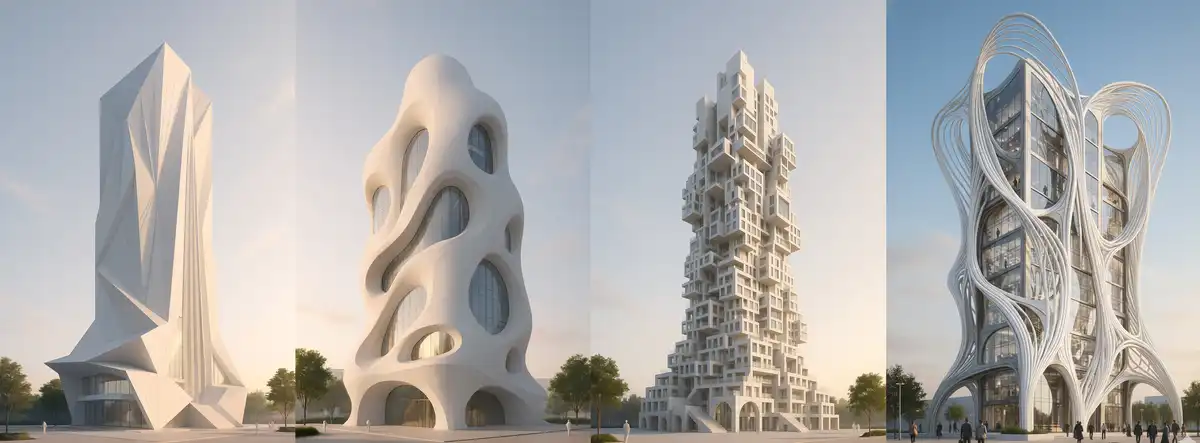
Images: Fariha Ehsanulhaq RIBA-MEAP | LEED AP
Look at any modern skyline and you are looking at a battlefield where human imagination competes with the laws of nature and the volatility of global markets. Today’s skyscrapers are no longer just functional vertical boxes. They are dynamic architectural statements.
But how does a bold conceptual sketch survive the journey from an architect’s mind to a 100-storey reality? To understand the modern supertall tower, we need to examine it through three distinct lenses: the art of form, the physics of structure, and the realities of finance.
The Dream; Four Visions of the Future
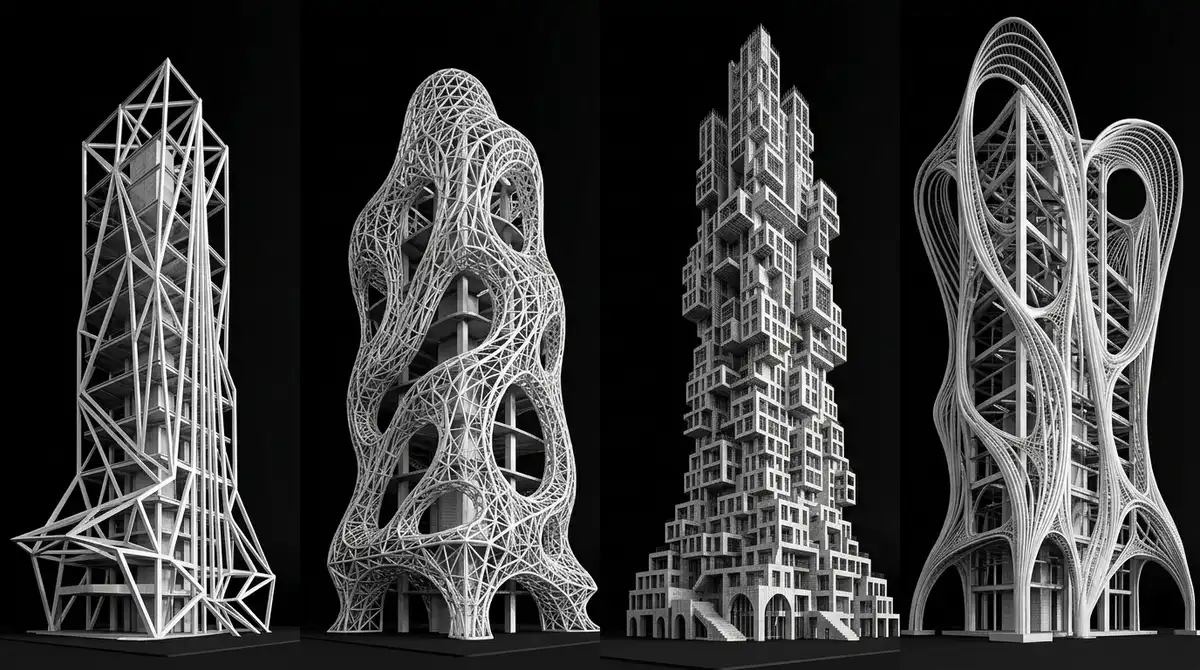
The future of the skyline is taking shape through four distinct avant-garde design approaches, many of which have been influenced by architectural theorists such as Patrik Schumacher. These movements challenge conventional ideas about what buildings can be.
• Foldism
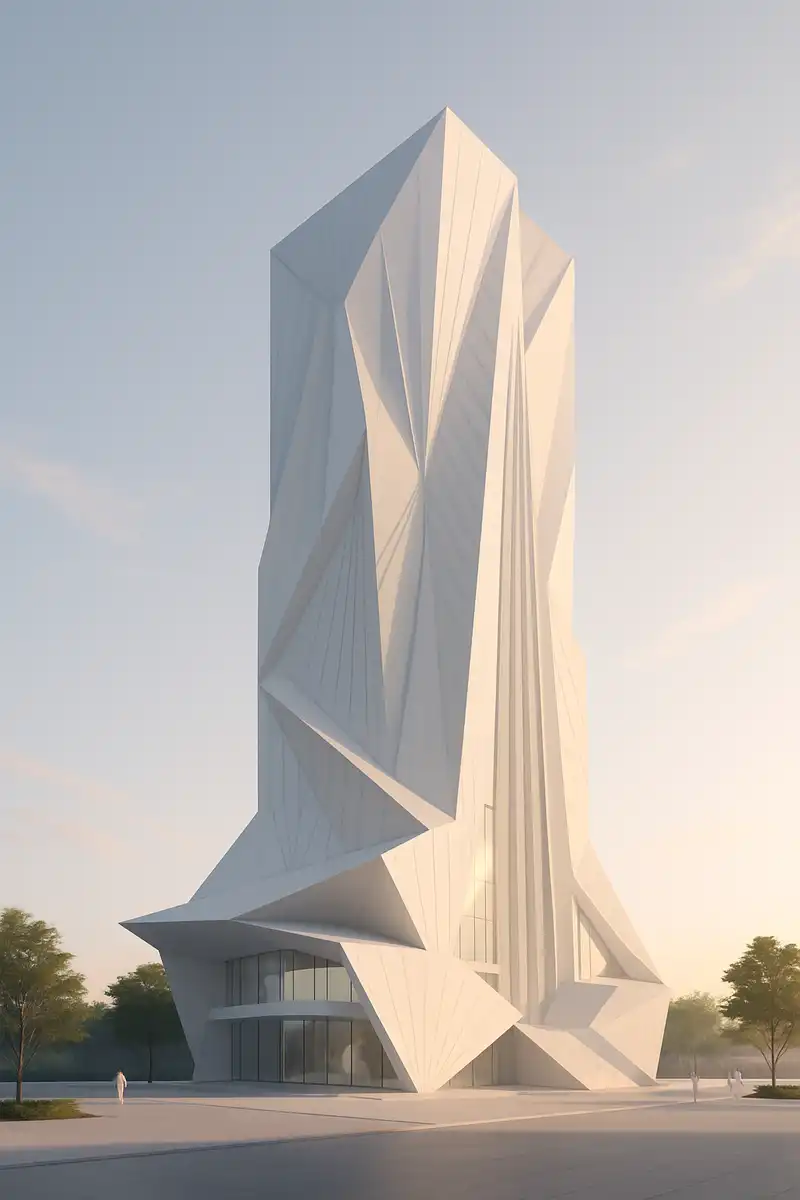
Imagine origami at a monumental scale. Foldist buildings reject flat surfaces and instead use sharp geometric folds across their façades, creating dramatic and ever-changing patterns of light and shadow.
• Blobism
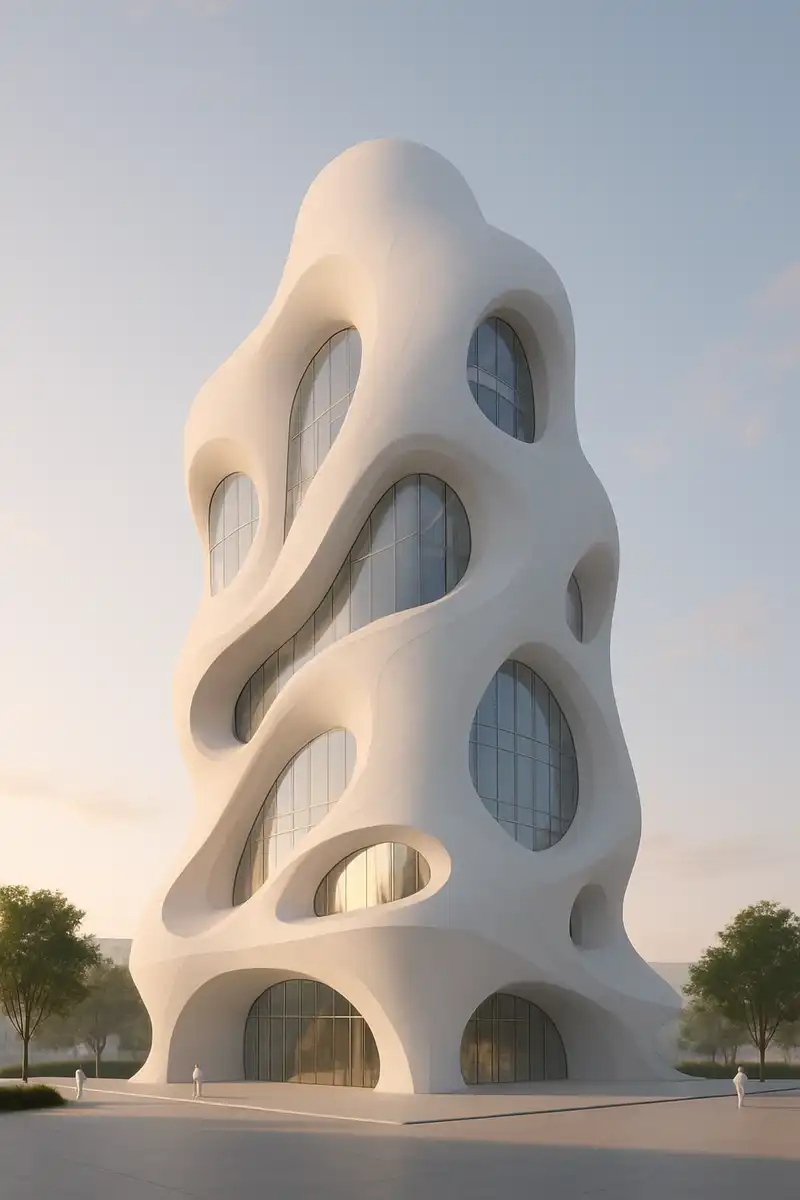
Blobism embraces fluid, organic and amoeba-like forms. Free from the constraints of rigid right angles, these structures appear almost biological, as though they have grown from the landscape rather than been assembled through construction.
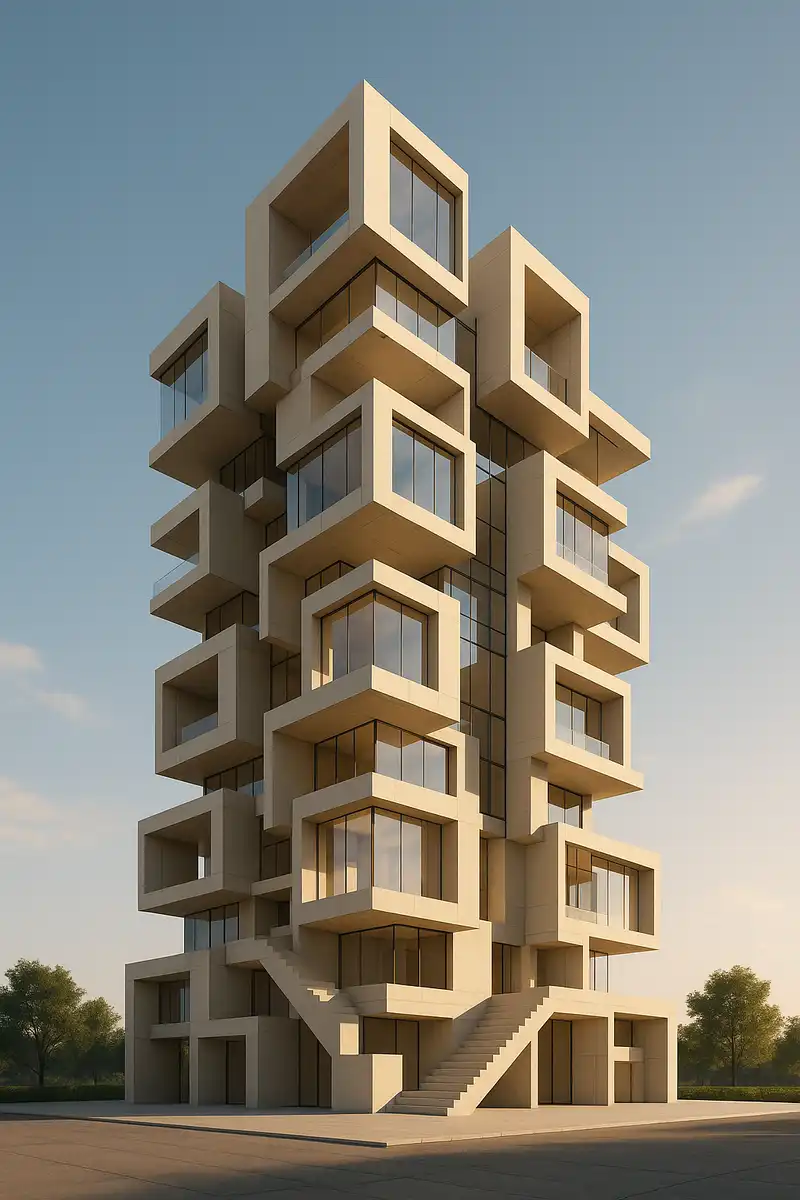
• Swarmism
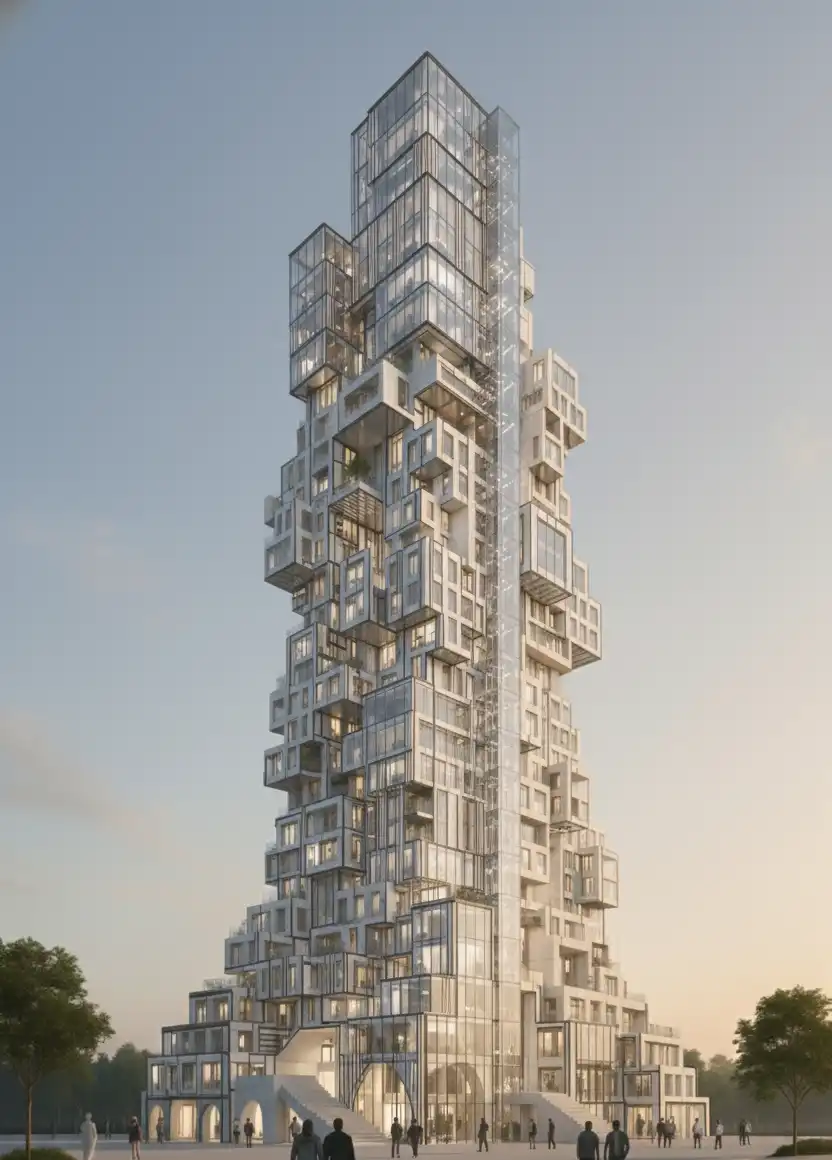
Swarmist architecture draws inspiration from collective intelligence. Buildings are composed of smaller, repetitive units that combine to create a complex whole, reflecting the organisational logic found in beehives, flocks of birds, and other natural systems.
• Tectonism
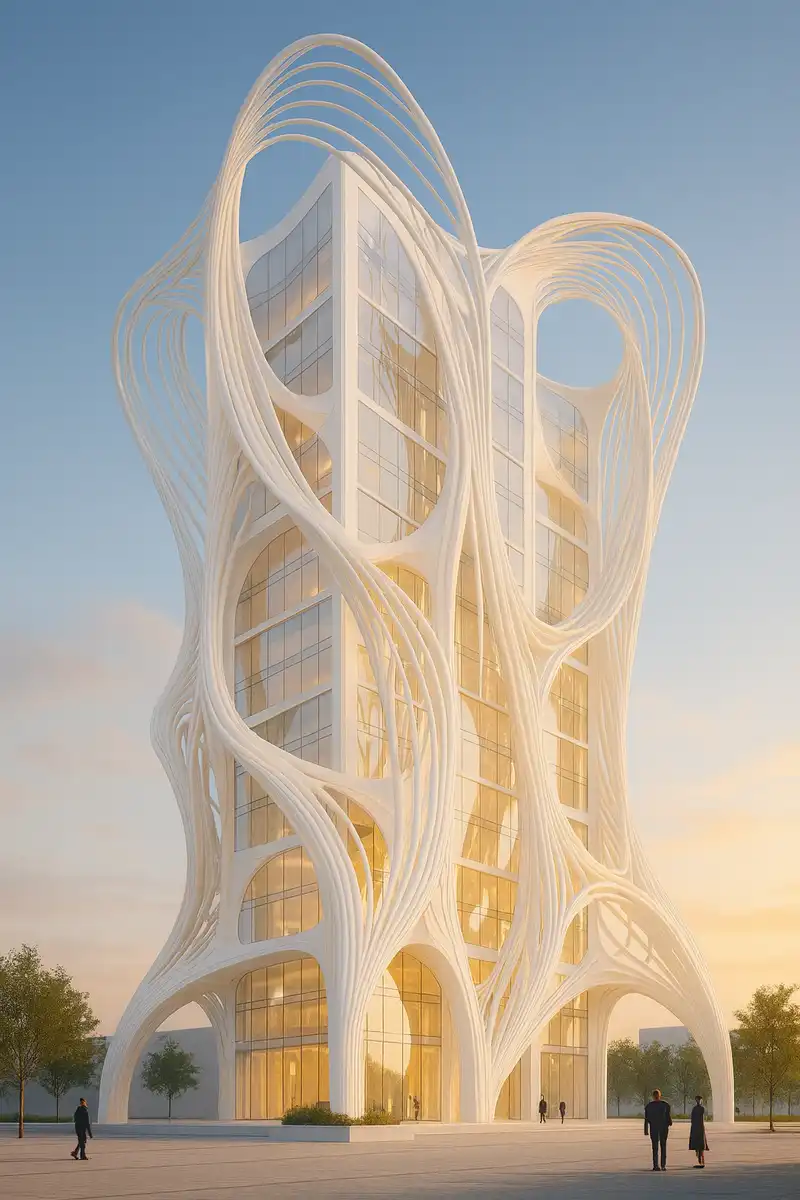
Rather than concealing structural systems, Tectonism celebrates them. The building’s beams, columns, braces, and supports are intentionally exposed, transforming engineering into architecture’s primary visual language.
While these design movements represent the height of creative freedom, aesthetics do not have the final say. In tall buildings, physics ultimately holds the deciding vote.
The Reality Check: When Physics Dictates Form
As engineering pioneers such as Buro Happold and organisations like the Council on Tall Buildings and Urban Habitat (CTBUH) frequently demonstrate, structure is the defining force behind skyscraper design. Beyond a certain height, a building ceases to be simply architecture and becomes a highly specialised machine designed to solve two fundamental challenges: supporting its own immense weight and resisting the forces of wind.
The 4 Phases of Structural Evolution
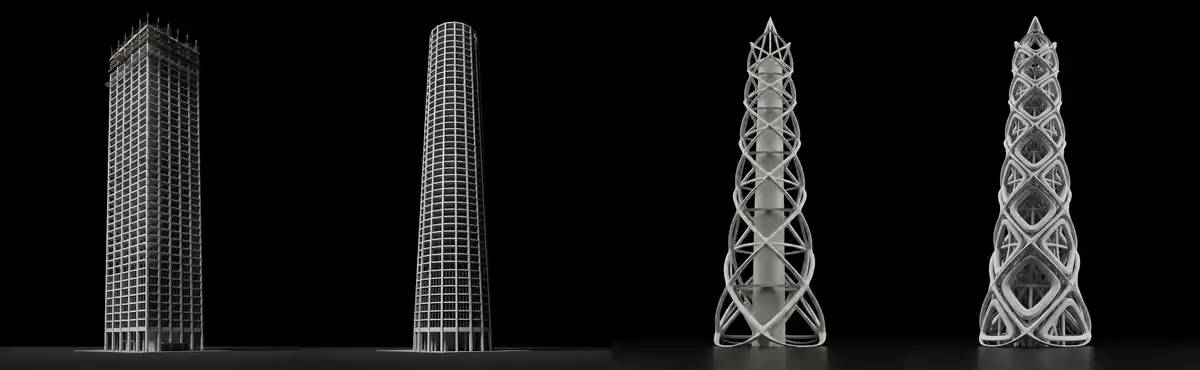
As towers grow taller, their structural evolution can be understood in four stages:
The Four Phases of Structural Evolution
Phase 1: 10 Storeys | Baseline
Simple columns and straightforward vertical load transfer.
Phase 2: 40 Storeys | Gravity Scale
Thicker columns, larger structural members, and reinforced cores become necessary.
Phase 3: 80+ Storeys | Shape Optimisation
Building forms begin to taper, reducing weight and improving structural efficiency.
Phase 4: Supertall | Tectonic Refinement
Aerodynamic sculpting becomes essential to control wind behaviour and structural movement.
This progression explains why many of the world’s tallest structures, including the Burj Khalifa and the Jeddah Tower, share a similar tapered silhouette. Their geometry is not primarily an aesthetic decision. It is a direct response to two fundamental physical realities.
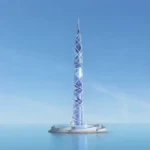
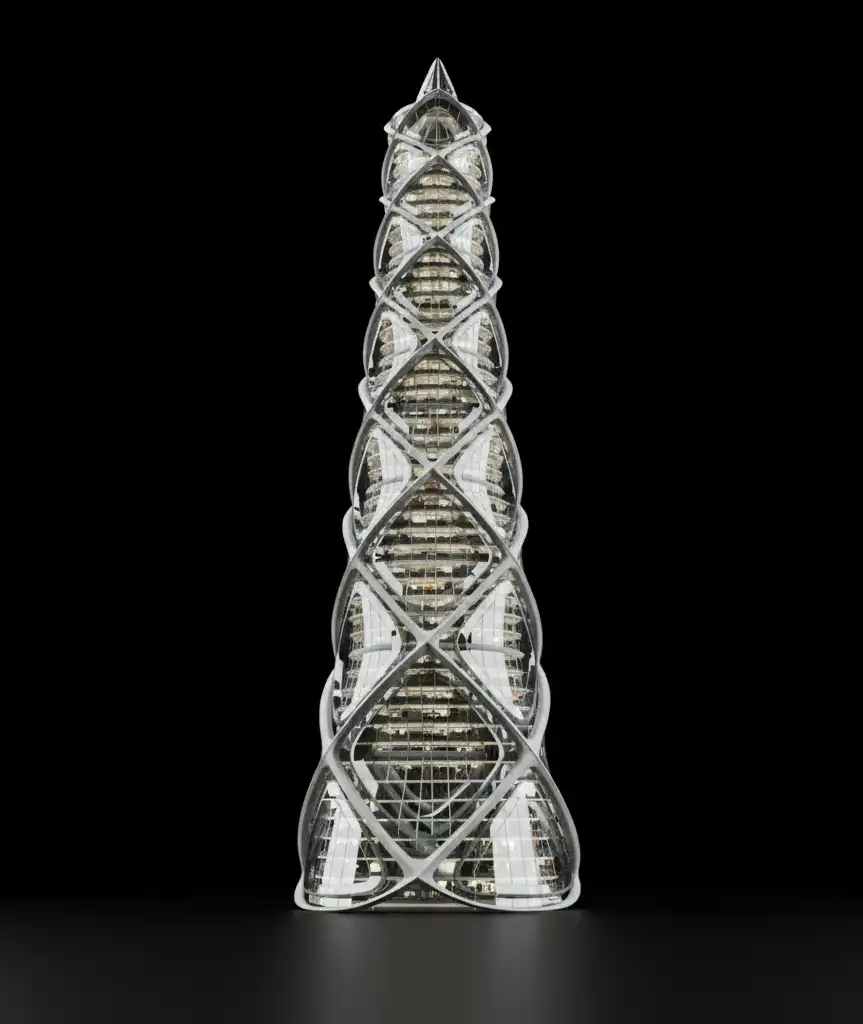
Swarmism tower building design:
1. Managing the Weight Pyramid (Top Light, Bottom Heavy)
A skyscraper’s greatest challenge is often its own mass. If a supertall tower were designed as a perfectly rectangular extrusion, the upper floors would place enormous compressive forces on the lower structure.
A tapered form addresses this issue by concentrating more of the building’s mass toward the base. By reducing the floor area at higher levels, engineers significantly decrease the dead load that must be carried by the lower columns and foundations.
2. Disrupting the Wind (Vortex Shedding)
Wind presents an equally serious challenge.When strong winds encounter a flat-sided tower, they create alternating vortices behind the building. This phenomenon, known as vortex shedding, can induce lateral movement and uncomfortable oscillations.
A tapered tower disrupts this process. Because the profile changes continuously along the building’s height, wind patterns are unable to organise into powerful, repeating vortices. The result is improved aerodynamic performance, reduced structural stress, and enhanced occupant comfort.
Traditional Block Tower Conical / Tapered Tower
[________] –> High wind /\ –> Wind patterns
[________] vortex shedding / \ are disrupted
[________] /____\ and neutralized
[________] /______\
[________] /_________\
The Ultimate Veto: The Financial Gauntlet
Even if an architect develops a compelling design and engineers optimise it into a structurally efficient form, the project cannot proceed without financial viability.
A skyscraper is one of the most complex financial undertakings in the built environment. Research from the CTBUH demonstrates that doubling a building’s height does not simply double its cost. Structural complexity, construction logistics, vertical transportation systems, and engineering requirements create a non-linear escalation in expenditure. Since major tower projects typically require five to ten years from conception to completion, long-term market volatility becomes one of the greatest project risks.
The Problem of Time and Commodities
A development budget based on today’s prices for steel, concrete, labour, and specialist systems may be dramatically inaccurate several years later.
A significant increase in material costs during construction can generate budget overruns worth hundreds of millions of pounds, threatening project viability and, in extreme cases, leading to partially completed developments.
To navigate this long-term horizon, intelligent building design must be matched by intelligent financial planning.
Hedging Material Costs
Sophisticated developers rarely purchase materials on an ad hoc basis. Instead, they secure future allocations, negotiate long-term supply agreements, and use financial hedging strategies to protect projects from inflation and commodity price fluctuations.
Structural Flexibility and Market Adaptation
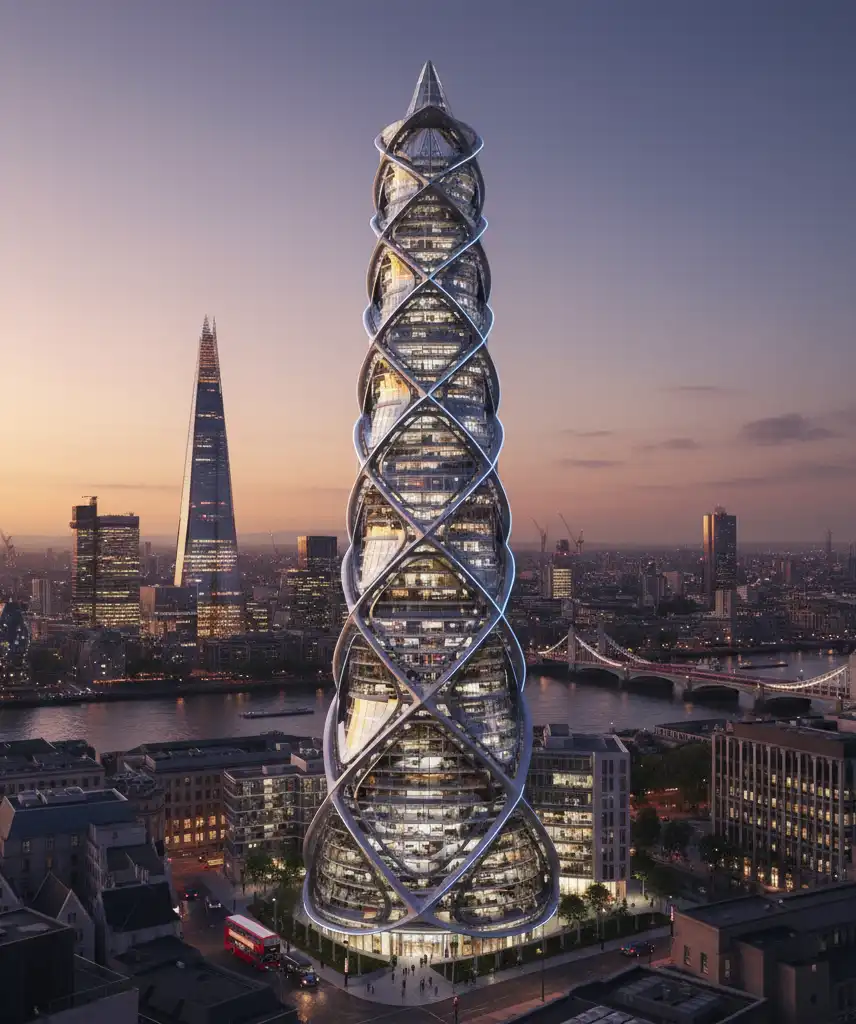
Successful towers are designed with flexibility in mind. If market conditions change during a lengthy construction programme, a robust structural and servicing strategy can allow a building to adapt. Commercial office floors may be converted into residential units or hospitality uses without requiring fundamental changes to the primary structure.This adaptability reduces risk and increases resilience in uncertain markets.
Conclusion: The Unified Tower
The successful delivery of a supertall building requires a careful balance of art, engineering, and financial strategy.To build high, developers must secure the foundations of their capital with the same rigour applied to the foundations of their structure. The most compelling architecture emerges when creative ambition successfully negotiates with physical laws and economic realities.
Form, Force, and Finance information / images received 090626
+++
World’s Highest Observation Decks News
The World’s Highest Observation Decks
World’s Highest Observation Decks
1. Canton Tower, Guangzhou, China
2. World Financial Center, Shanghai, China
3. Burj Khalifa, Dubai, UAE
4. Tokyo Sky Tree, Tokyo, Japan
5. CN Tower, Toronto, Canada
6. KK100 Tower, Shenzhen, China
7. International Finance Center, Guangzhou, China
8. Willis Tower, Chicago, USA
9. Taipei 101, Shenzhen, China
10. International Commerce Centre, Hong Kong, China
+++
World’s Tallest Buildings
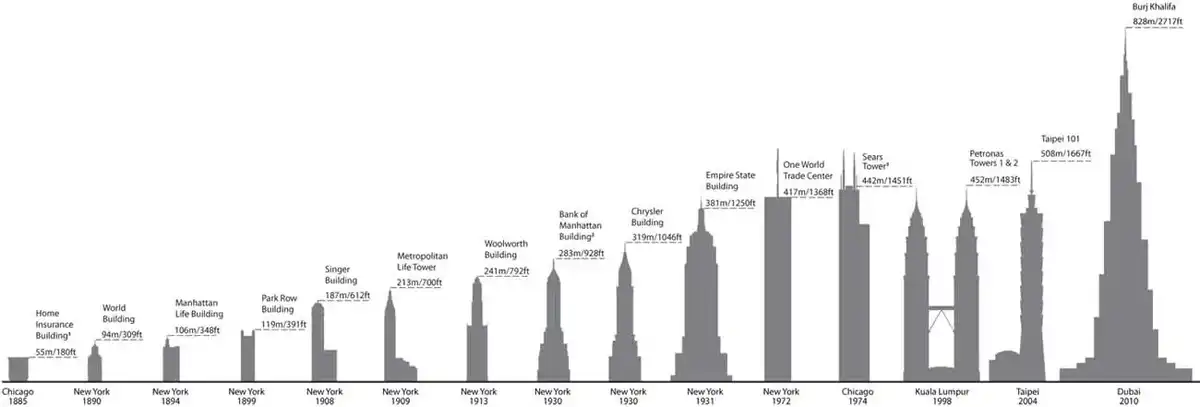
World Tallest Buildings image © CTBUH
World Skyscrapers
+++
Tallest Buildings
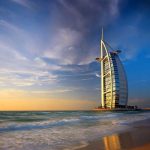
World’s tallest hotel building : Burj al Arab tower
World’s Tallest skyscraper : Shanghai World Financial Center
World’s Fastest Elevators – Skyscraper Buildings News
Comments / photos for the Form, Force, and Finance page welcome.