After the Drawing Ends commercial building in Eshtehard, Iran
3 July 2026
Architect: Davood Boroojeni Office
Location: Eshtehard, Iran
Photos: Deed Studio
Factories are designed for production. They are rarely designed for everything that quietly makes production possible.
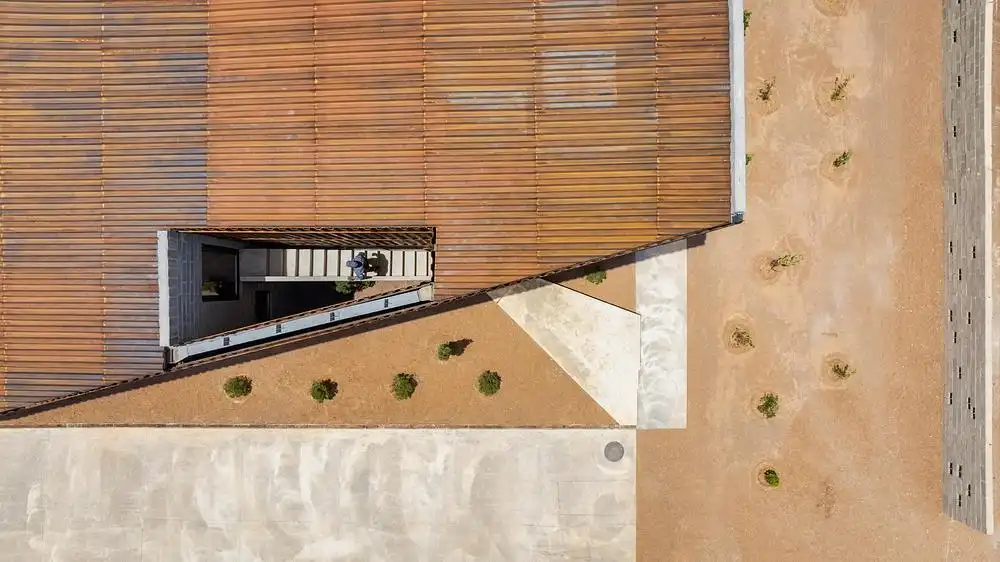
Three years after completing an earlier production building for Shamim Polymer Factory, Davood Boroojeni Office returned to the site expecting to evaluate a finished project. Instead, they found a building that had continued to evolve through everyday use. Workers had established routines that no drawing had anticipated. Informal gathering places had emerged, circulation had subtly shifted, and overlooked spaces had acquired new roles in the factory’s daily life.
Rather than treating these changes as deviations from the original design, the architects saw them as a form of knowledge.
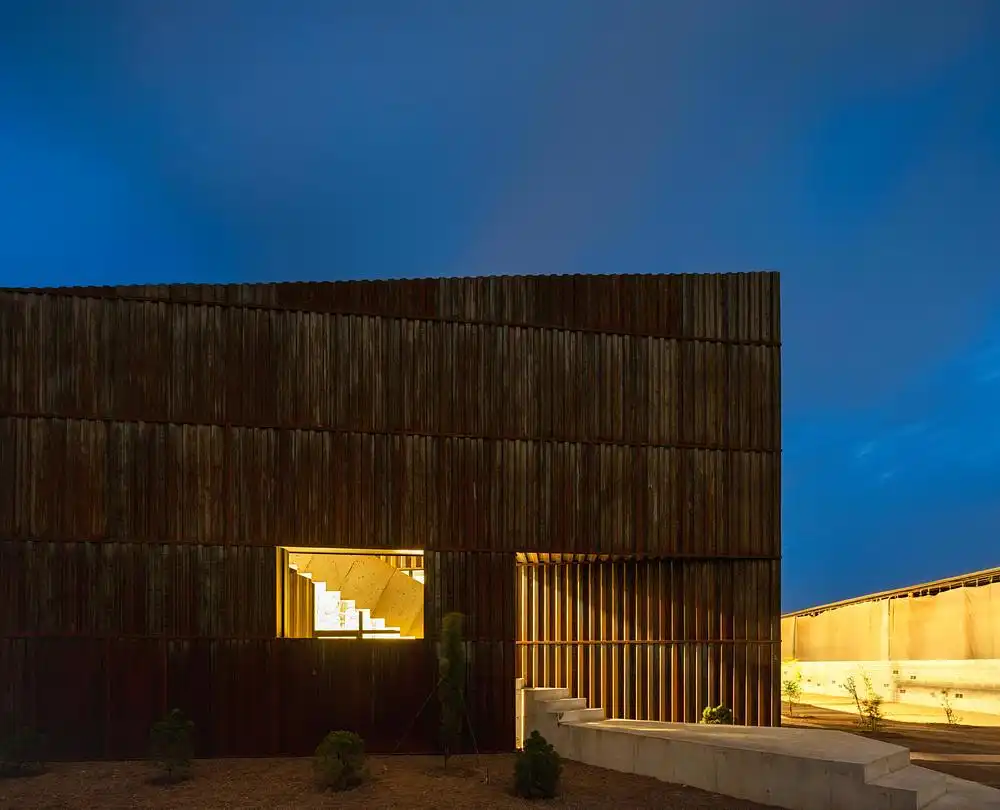
The Process Department was conceived from that experience.
Instead of introducing a new formal concept, the project began by asking what architecture could learn from a building already occupied. The result is an industrial facility shaped not only by technical requirements but also by the everyday realities of work that conventional planning often leaves unaddressed.
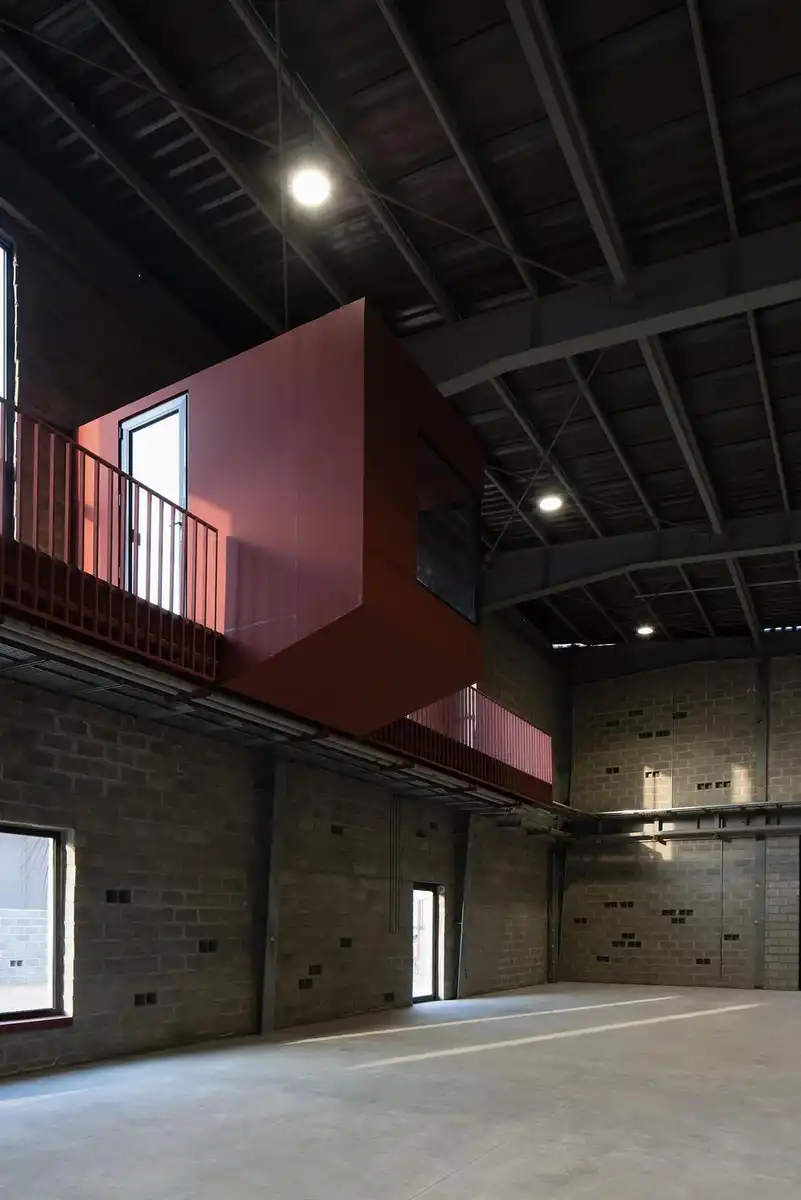
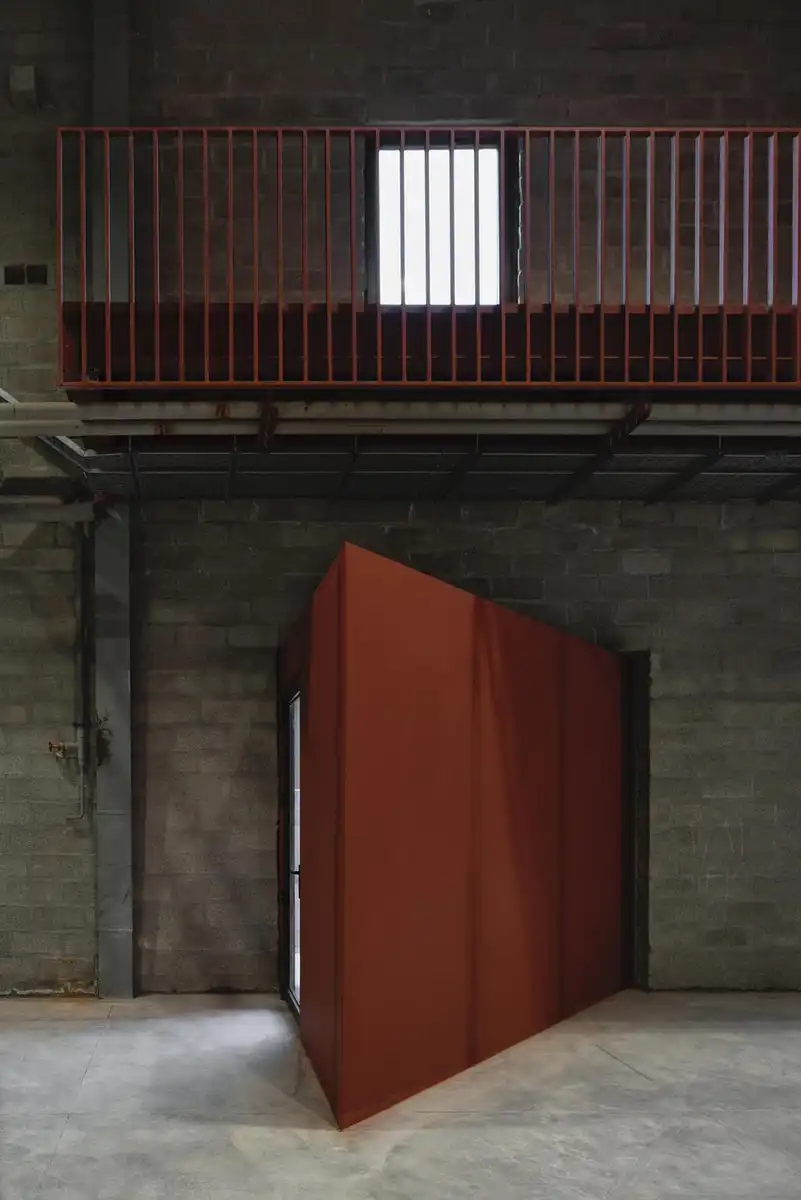
Production remains the building’s primary purpose, but the project recognizes that factories operate through more than machinery, logistics, and efficiency. They are sustained by observation, maintenance, informal conversations, moments of pause, and routines that develop gradually over time. These activities are rarely represented in architectural drawings, yet they continuously shape the workplace.
The design responds by making room for these overlooked conditions without turning them into architectural spectacle.
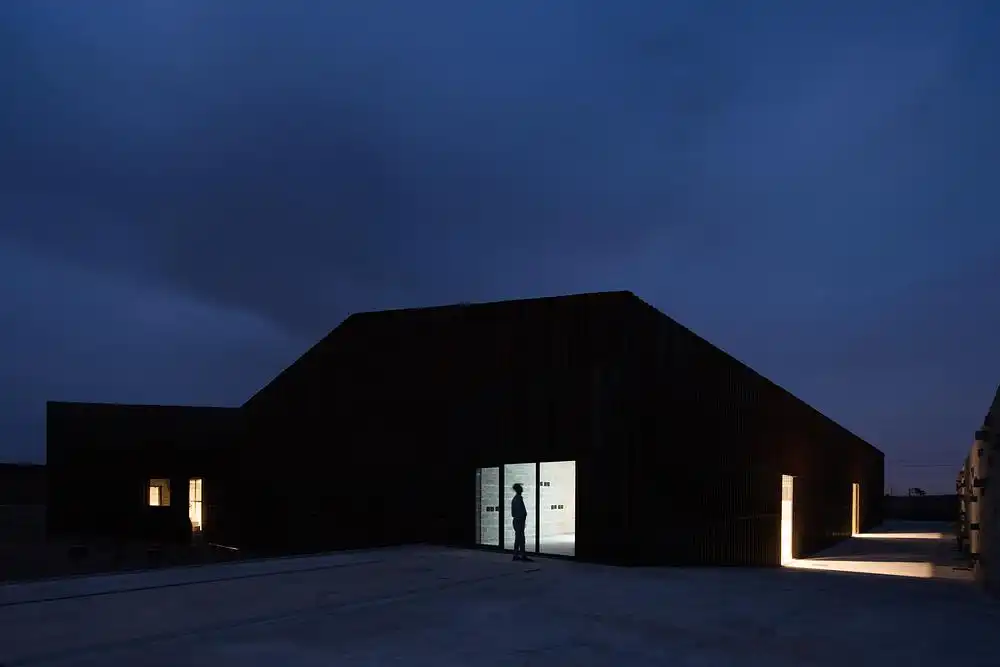
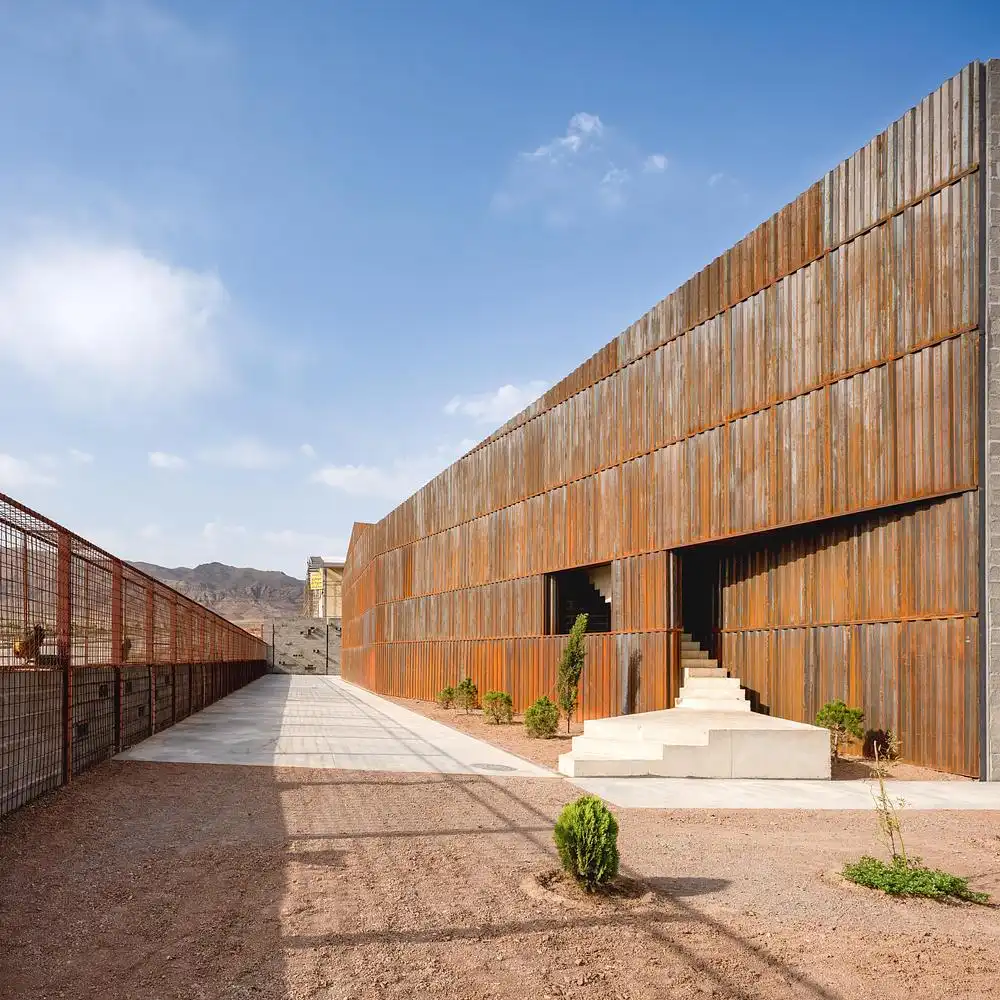
One observation concerned a place almost every factory has, but almost no architect designs: the smoking area. Instead of remaining an improvised space beyond the building, it became a transparent room integrated into the architectural composition. Visually connected to the production floor while environmentally separated, the space acknowledges an existing routine rather than attempting to eliminate or disguise it.
Another observation was equally ordinary. During repeated visits, the architects noticed workers caring for domestic birds within the factory grounds. Rather than erasing this informal practice in pursuit of a cleaner industrial image, the project chose to accommodate it. A modest enclosure became part of the new building—not as a symbolic gesture, but as recognition that workplaces are shaped by everyday relationships that extend beyond production itself.
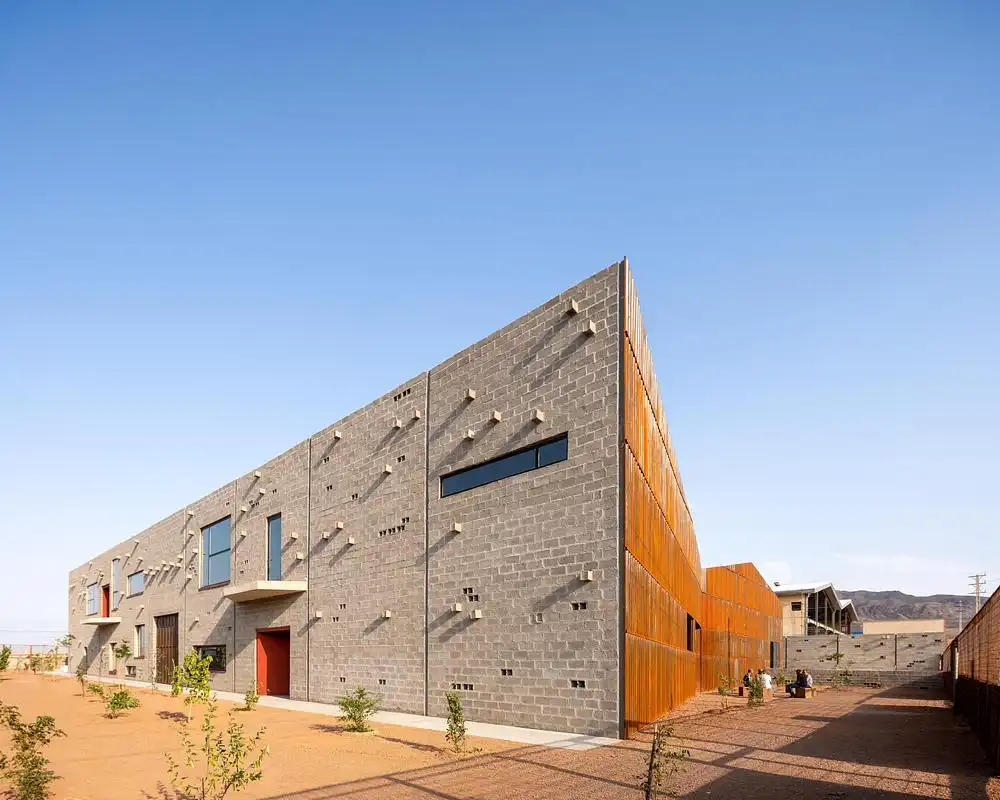
These interventions are intentionally quiet. They do not seek to redefine industrial architecture through expressive form or iconic imagery. Instead, they emerge from sustained attention to how people actually inhabit their working environment.
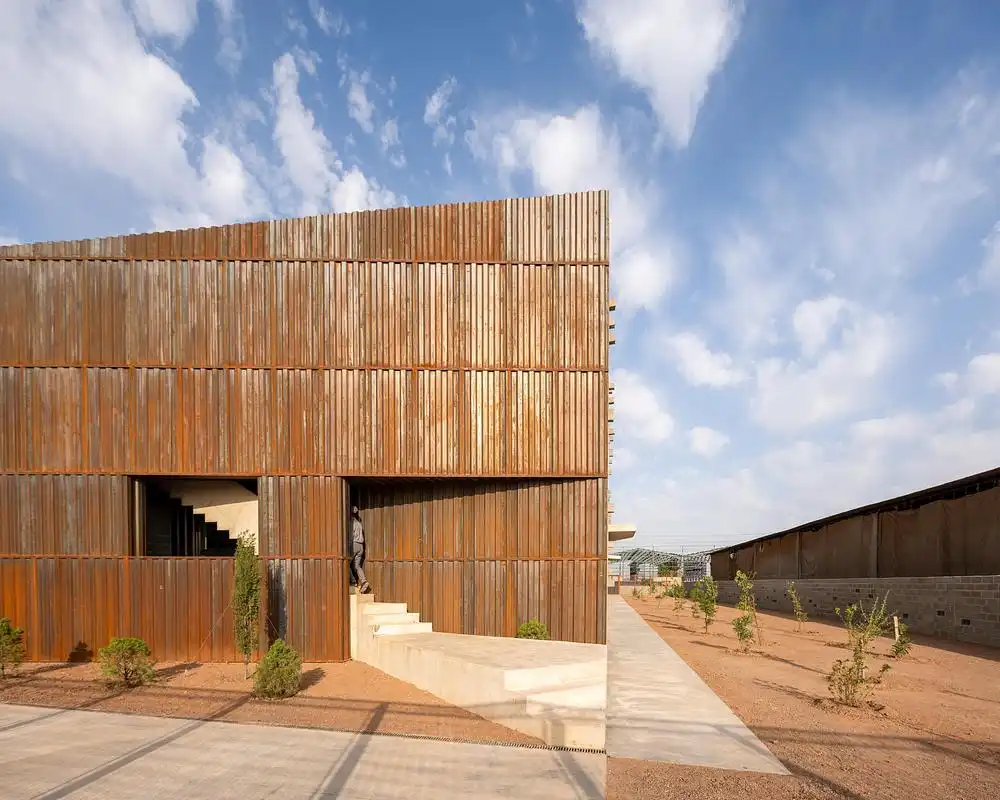
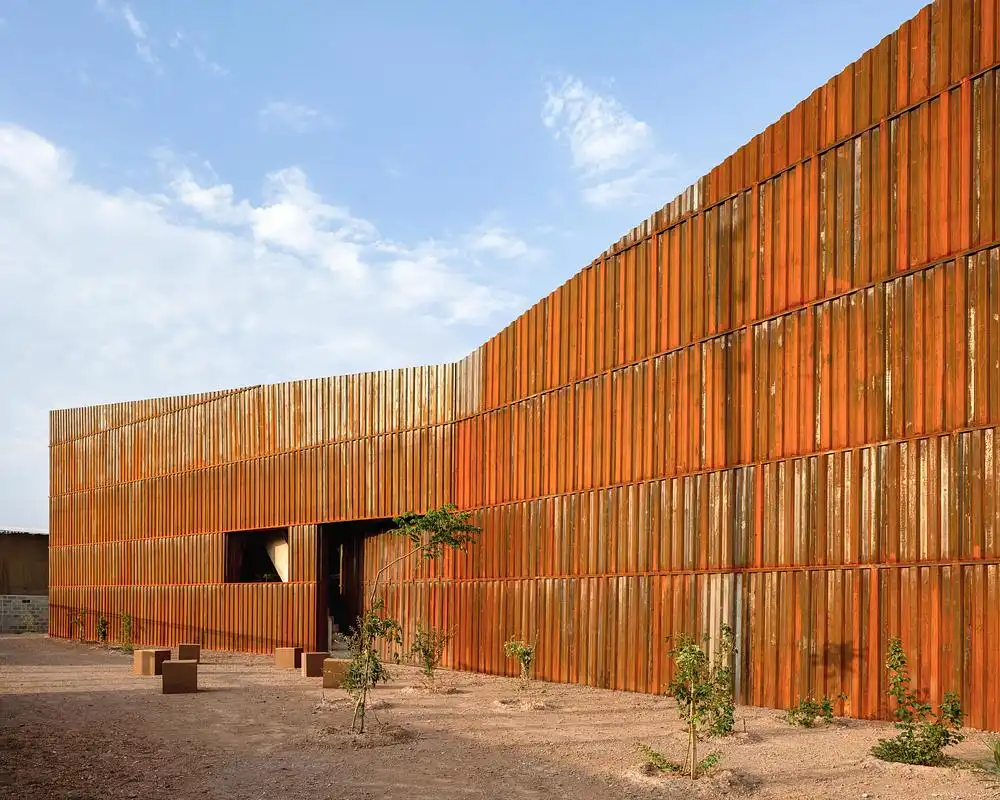
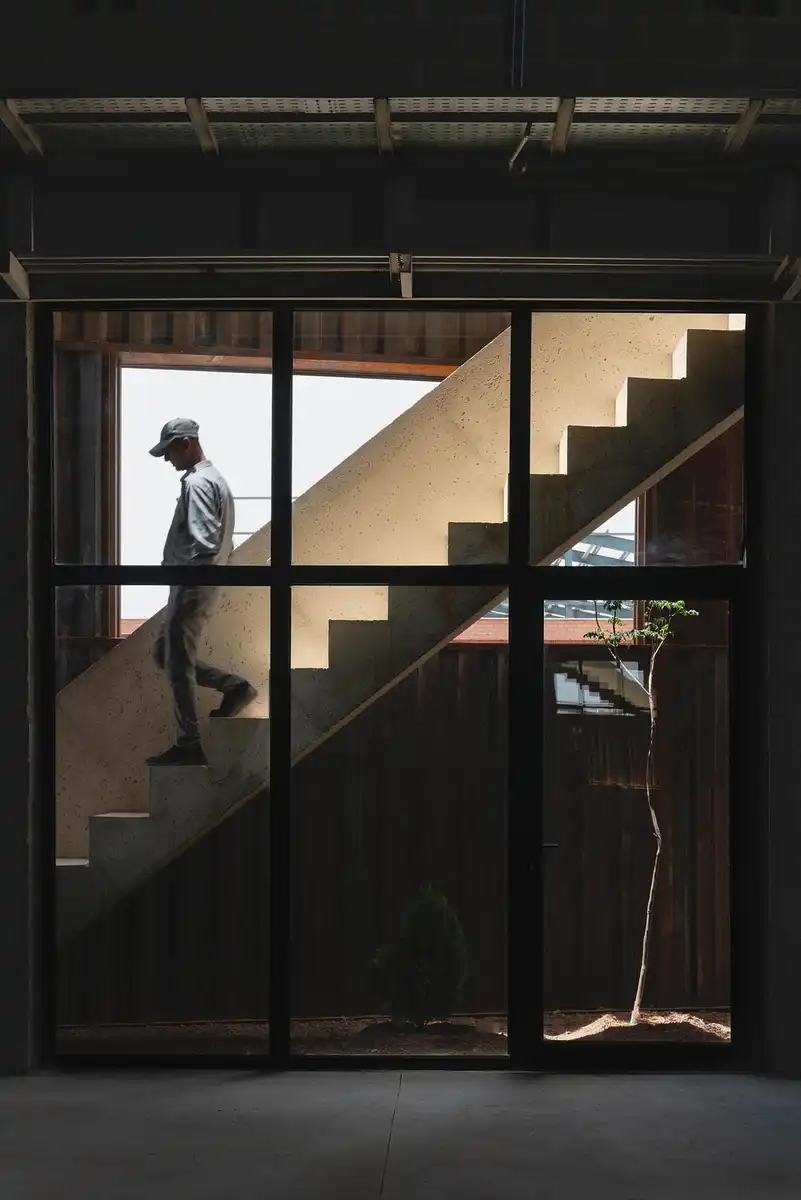
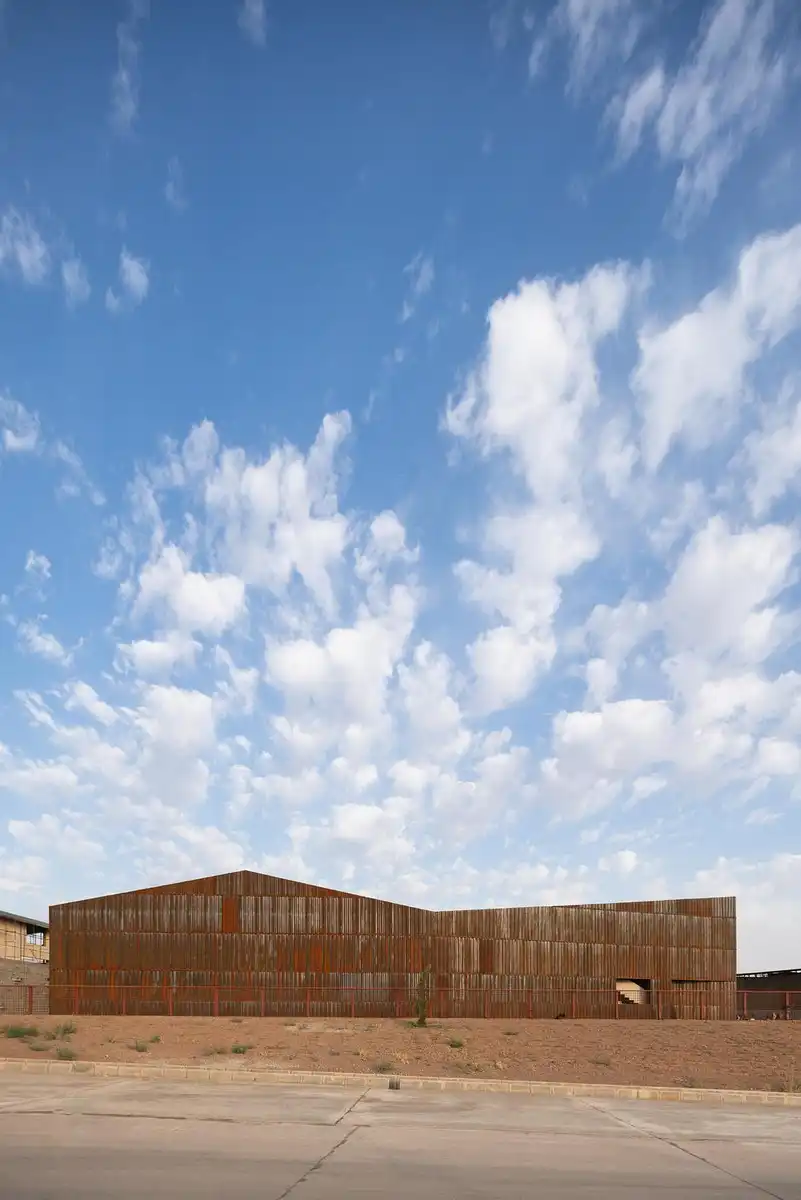
This same attitude informed the building’s material strategy. Materials were selected with the expectation that they would record use, weather naturally, and adapt over time. Rather than resisting change, the building accepts occupation as an ongoing condition.
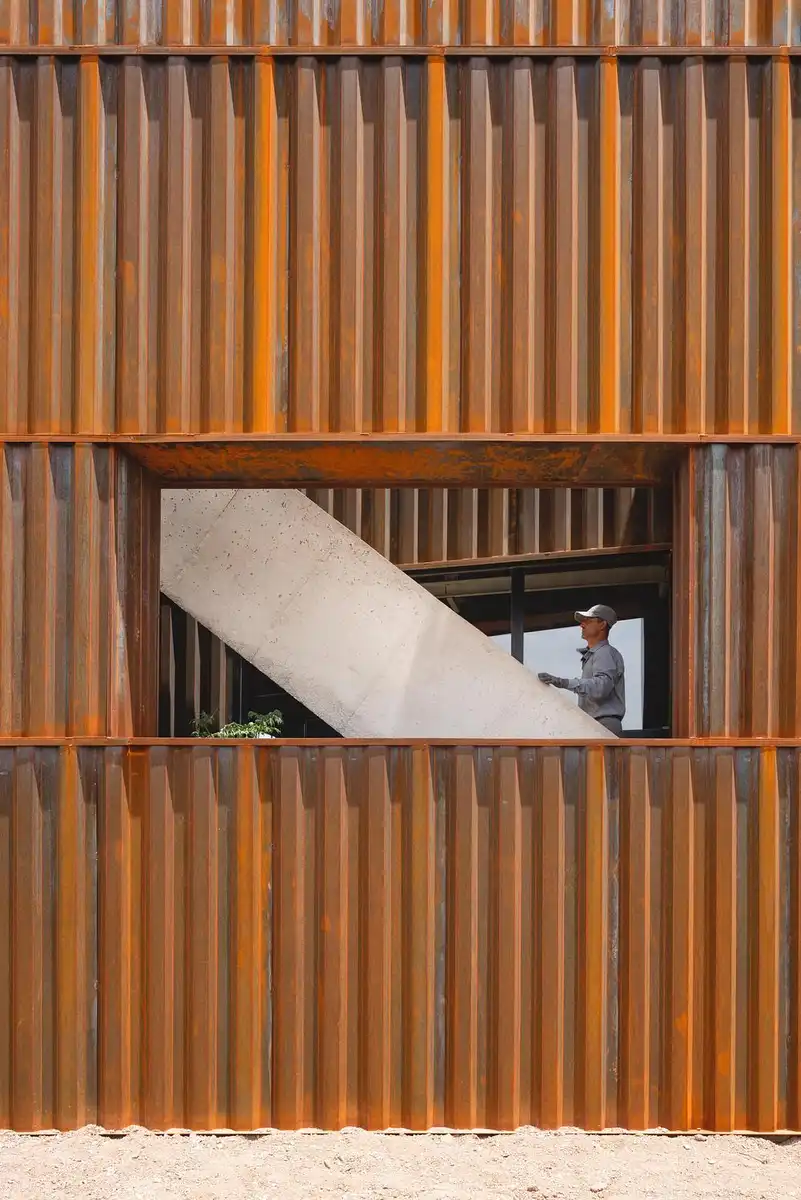
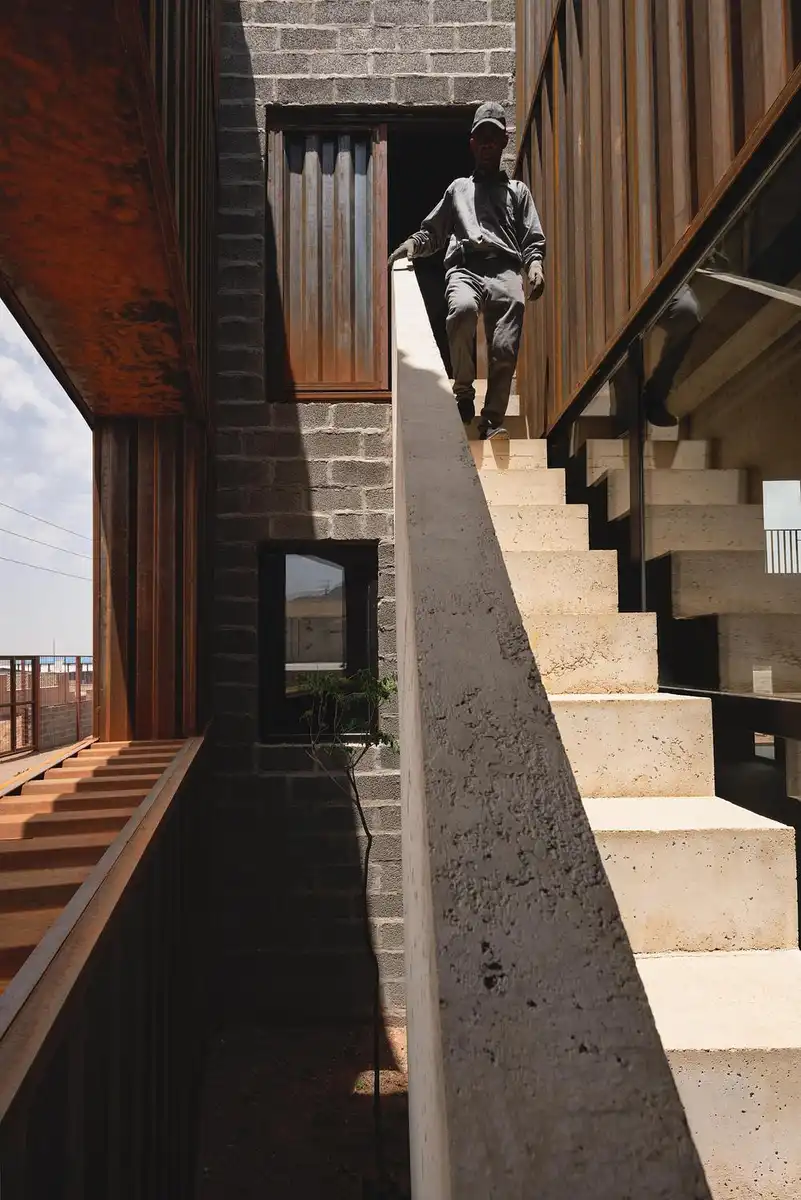
Completion is understood not as the end of the architectural process, but as the moment when the building begins its life with its users.
The project also reconsiders the role of the architect. Instead of assuming that every future condition can be anticipated during design, it acknowledges that buildings continue to evolve after construction. Returning to observe that evolution becomes part of the design process itself.
Only then does the project’s title reveal its meaning.
Error Form does not refer to a flaw in construction or a formal irregularity. It describes the distance between architectural intention and lived reality. Every occupied building develops patterns of use that exceed its drawings. Rather than correcting those differences, the Process Department treats them as an opportunity to learn.
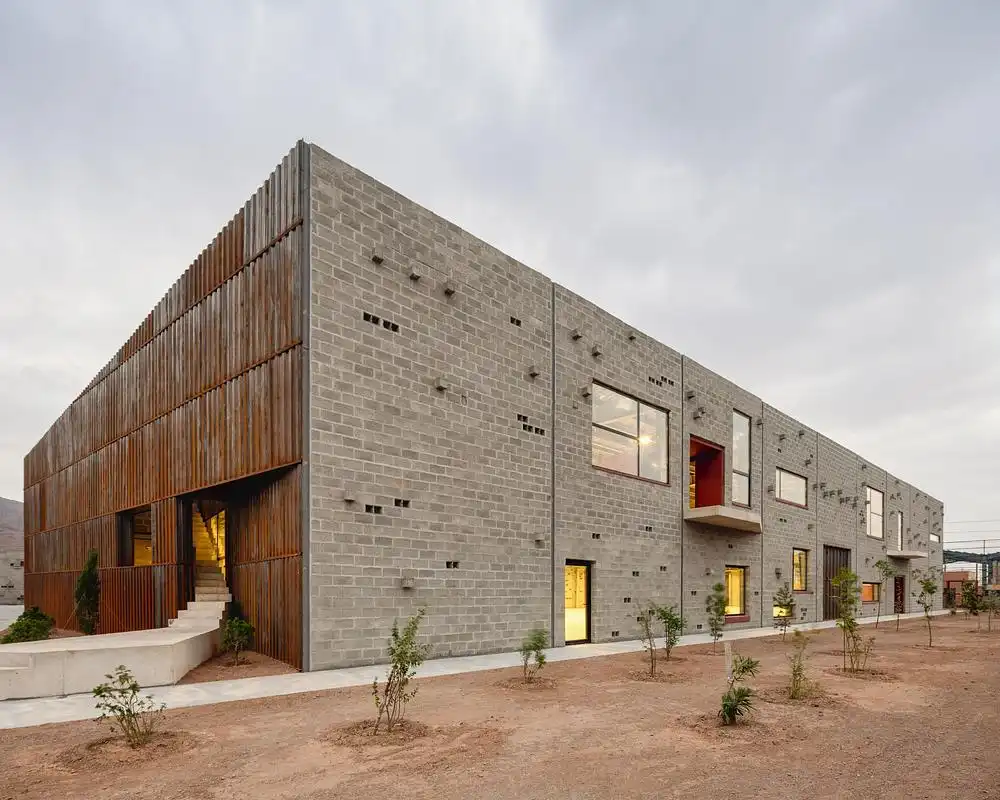
The project does not propose a new industrial typology. It proposes a different way of practicing architecture—one that considers observation as important as design, and returning as important as completion.
Buildings are often described as finished objects.
The Process Department suggests something different: the most valuable part of a building may be the life that quietly reshapes it after construction has ended.
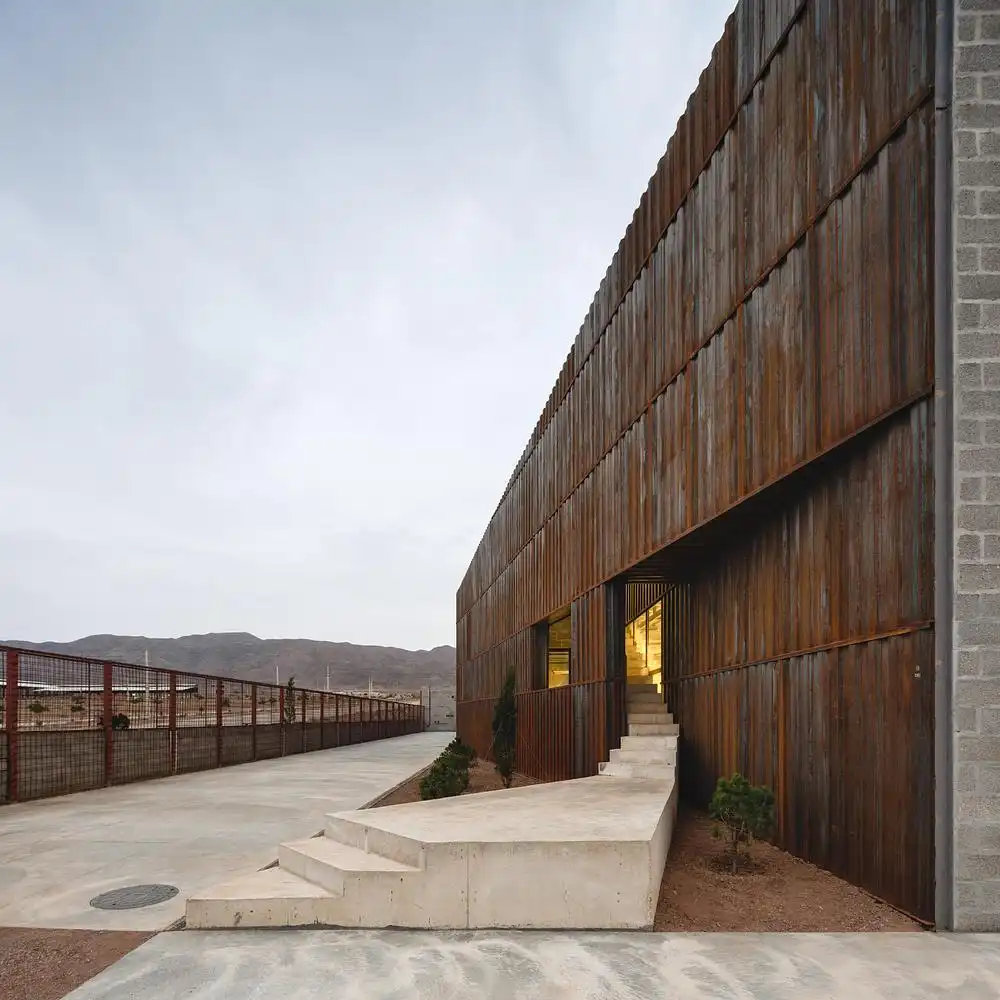
After the Drawing Ends commercial building in Eshtehard, north Iran – Building Information
Architect: Davood Boroojeni Office –https://www.instagram.com/davoodboroojeni/
Process Department of Shamim Polymer Factory: Davood Boroojeni Office, Davood Boroojeni
Design team: Davood Boroojeni, Iman Enayati, Paola Quarta, Ronak Roshan Gilvae, Alireza Elmieh, Amirmohamad Amel, Hadi Koohi Habibi
Construction: Mohsen Nikzad, Erfan Nikzad, Iman Iadolahi
Supervision: Davood Boroojeni Office
Structure: Bardia Khafaf
Electrical: Amir Hasan Salamat
Mechanical: Hamid Reza Nikzad, Abolfazl Jafari
Photo: Deed Studio
Text: Saed Barabadi
Total built area: 2200 m2
Area: 3850 sqm
About Davood Boroojeni Office
Davood Boroojeni Office is an independent, research-driven architecture studio based in Tehran, operating through a critical engagement with contemporary architecture, social context, and professional ethical responsibility. The practice focuses on the relationship between space, everyday life, and cultural–historical context, aiming to produce architecture that goes beyond purely formal or technical solutions and is understood as a conscious social act. Its design approach is grounded in close dialogue with users, careful reading of context, and the redefinition of conventional typologies, treating architecture as an open and critical process rather than a predetermined product.
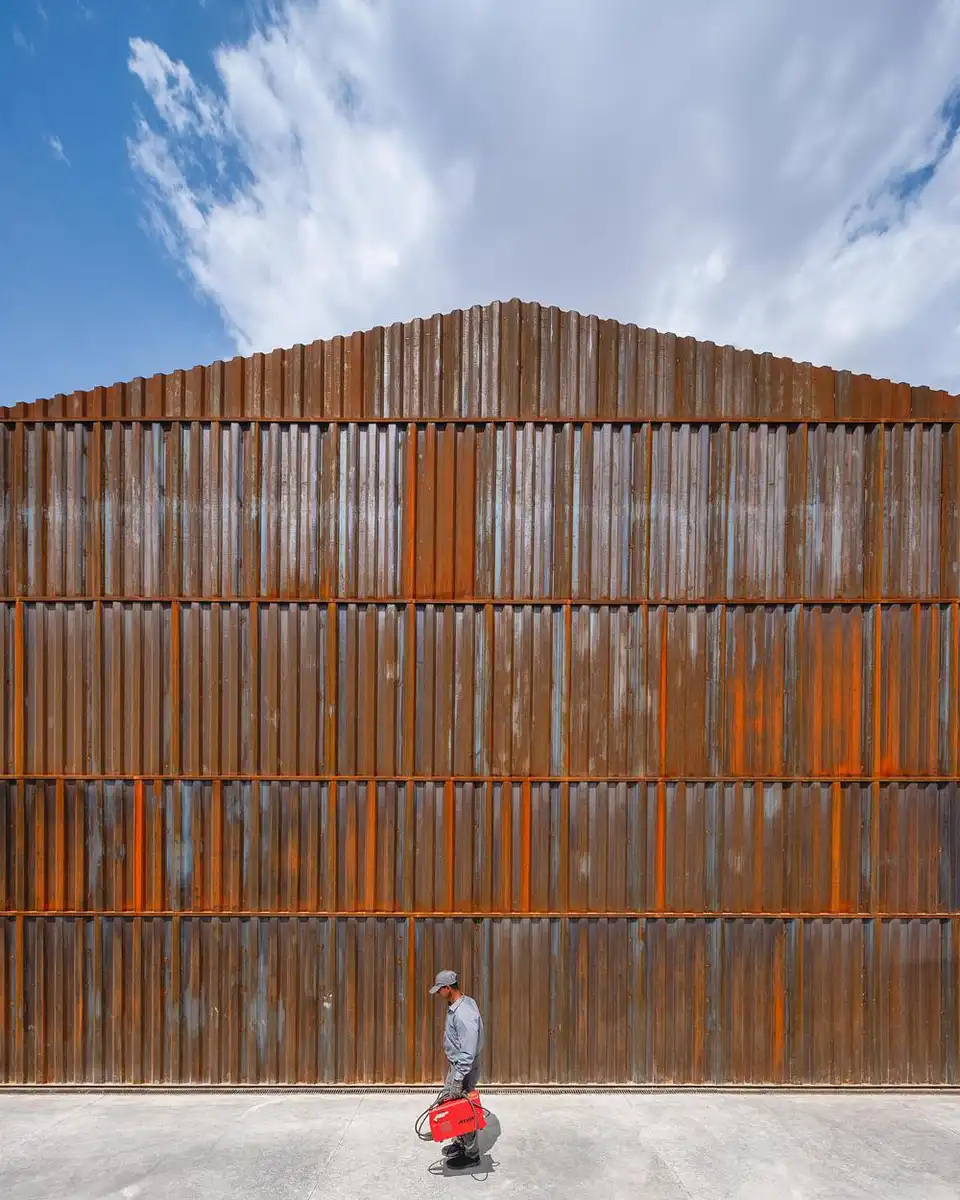
A key theoretical trajectory pursued within the office is the concept of “form as error.” In this framework, error is not regarded as a flaw but as a productive condition—an opportunity for creative deviation and for uncovering latent spatial potentials. Uncertainty, adaptability, and responsiveness to real conditions of construction and use are therefore integral to the design logic. The office’s projects—ranging from industrial and healthcare architecture to residential and public spaces—are shaped by an emphasis on human experience, user participation, and contextual sensitivity, and have received wide recognition nationally and internationally for their distinctive critical and conceptual approach.
Photography: Deed Studio
After the Drawing Ends commercial building, Eshtehard, Iran images / information received 030726
Location: Eshtehard, Iran
Contemporary Iranian Property Designs
Twisted House Northern Iran building
Architect: Habibeh Madjdabadi
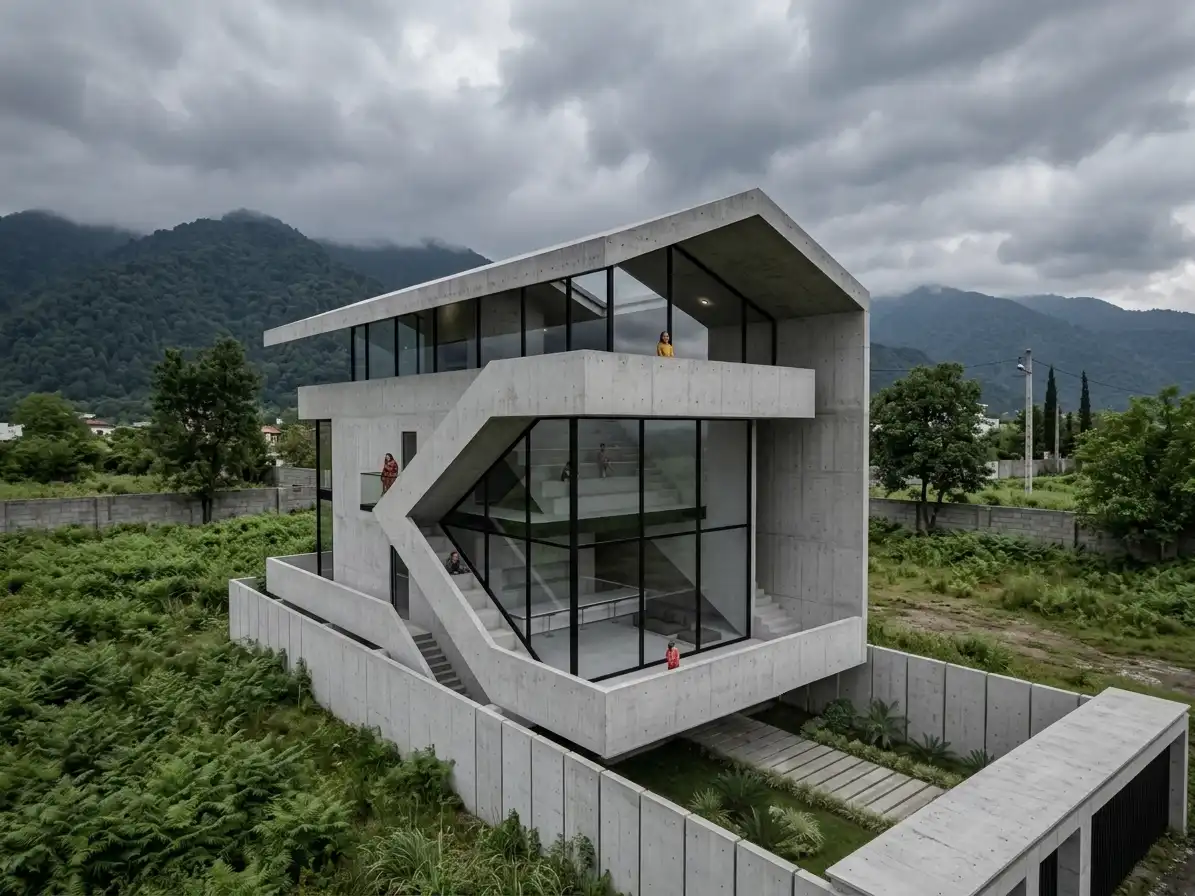
image courtesy of architecture practice
Rock Villa Bumehen, Tehran
Design: Raad Group
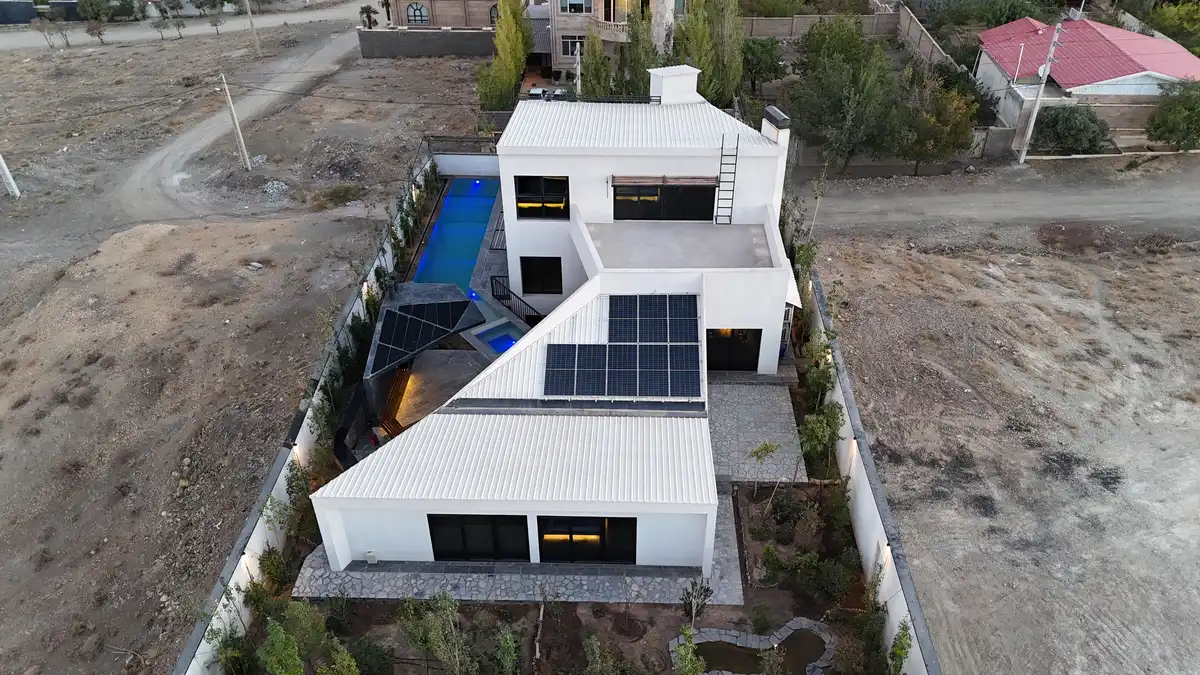
photo : Shadi Farhadi
++
Modern Iran Architecture
Iran Architecture Designs – chronological list
Turning Hut, Chaboksar
Design: HABI MAD Architecture (Habibeh Madjdabadi Architecture Studio)

image courtesy of architects office
Comments / photos for the After the Drawing Ends commercial building in Eshtehard, Iran design by Davood Boroojeni Office page welcome
Website: Habibeh Madjdabadi Architect Iran