Will My Lawn Come Back After Grubs? A Recovery Timeline for Homeowners
20 July 2026
When a lawn suddenly goes brown and feels like loose soil or a carpet, any homeowner is left with many questions about whether it will ever be healthy again. Lawn grubs can certainly be frightening, but just because you see some of their damage doesn’t mean your lawn isn’t salvageable.
The key to lawn recovery after grubs damage it is understanding the extent of the damage and what needs to be done to encourage regrowth. Homeowners in North Dallas, TX, and throughout Collin County have certainly encountered this problem in the summer months, making it a familiar topic for lawn care professionals such as CitiTurf. Learning about grub control for lawns may also explain the importance of early intervention in the long-term care of lawns.
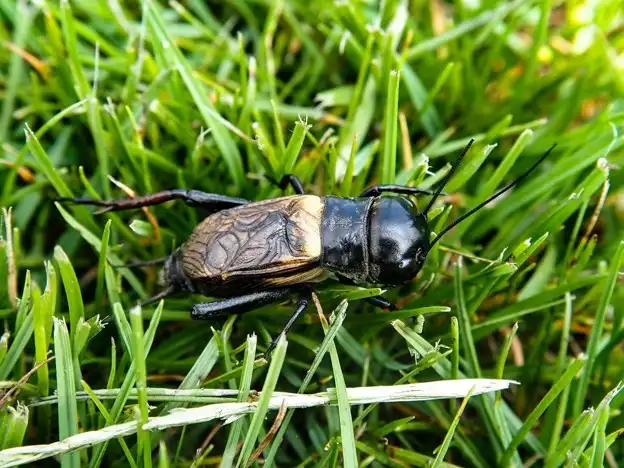
image source : unsplash.com
How Grubs Damage a Lawn
Grubs are larvae from specific kinds of beetles that feed on grass roots. This leads to the grass not receiving water and essential nutrients, resulting in a thin, brown appearance.
Indications of grub infestation are:
- Brown patches that gradually spread.
- Easily lifted grass due to feeding on the roots.
- Increased presence of birds, skunks, and raccoons digging up grubs.
- A lawn that is weak and does not grow despite proper care.
When there is damage to the roots, the next step after a grub infestation is lawn repair, depending on the extent of the damage.
Will Your Lawn Recover? Factors That Determine the Outcome
Not all grubs will cause permanent damage to the lawn. Often, the grass will recover on its own as soon as the grubs are removed and conditions are favorable for the grass.
The time for lawn recovery after grubs are removed depends on several factors, including the extent of root damage, grass species, season, and the lawn’s condition before the grub damage. In general, warm-season grasses are more likely to recover during their active growing season than cool-season grasses that are in dormancy.
There is also a significant role for moisture. Be sure not to water the lawn too much in the expectation that it will help the lawn recover; insufficient watering might also impede recovery and cause even more harm to the already stressed-out grass. When the roots of a lawn have almost completely perished, lawn repairs after a grub infestation might involve resowing or resodding.
Lawn Recovery Timeline After Grub Damage
Although each lawn will recover at a different rate, a homeowner should have a fairly good idea of how long their lawn will take to recover if treated promptly.
If the damage is minor, it should begin to heal within 2 to 4 weeks, with continued growth of healthy roots. Usually, 1-2 months are needed for new growth to cover thin spots with a moderate infestation. When infestations are so heavy that big areas of the lawn are damaged or killed, it can take a whole growing season to recover, particularly if sections of the lawn have to be replaced.
Weather conditions, watering practices, and other lawn stressors, such as disease or heavy foot traffic, will also affect recovery. Patience is essential, and there should be some signs of improvement as healthy roots take hold.
How to Help Your Lawn Recover Faster
Proper lawn care will promote increased regrowth and regeneration, although time will play a part in the healing process.
The points mentioned below will be helpful for recovery:
- Water adequately, but don’t overwater.
- Make sure to use fertilizers only when required for that particular grass species.
- Mow according to the specified height without cutting the blades too short.
- Avoid heavy foot traffic until the grass becomes revitalized.
- Take prompt action to restore dead patches through either planting new sods or seeds.
These steps will help grow healthy grass on the damaged ground surface.
When Natural Recovery Isn’t Enough
At times, waiting might not suffice. If, a few weeks after the treatment, grass can still be removed and bald spots remain, the damage might be very significant, and nature can no longer help.
It is better to consult specialists to determine whether the grass can recover from its roots or needs to be fully replanted.
Preventing Future Grub Damage
Prevention of infestation is more manageable than dealing with its consequences. Regularly checking your lawn will ensure you are prepared at all times against infestation.
You should inspect your lawn regularly to make sure there are no brown spots and that you are not attracting any animals. Following a proper lawn maintenance process, whereby mowing, watering, and fertilization are done correctly, will also keep your lawn in good shape. Grub prevention can reduce the likelihood of future infestations and protect developing root systems from damage.
In conclusion
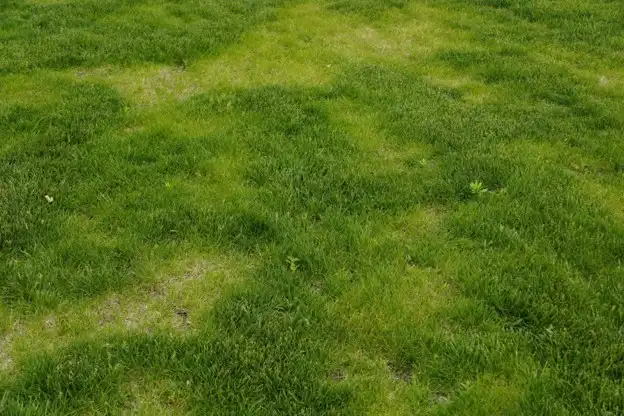
image source : unsplash.com
When repairing lawn damage caused by grubs, the one thing to keep in mind is to be patient, as it will be repaired once you have identified and addressed the problem. Knowing when your lawn will recover will help to manage your worries.
Have you ever experienced issues with grubs in your lawn? Please tell us how you dealt with them!
Comments on this guide to Will my lawn come back after grubs at home article are welcome.
Property Lawn Care

Lawns Posts
DIY lawn care plan that is easy to maintain
How to Properly Take Care of Your Lawn
Avoid typical mistakes in lawn care
++
Home Gardens and Landscape Designs
Contemporary Property Articles – architectural selection below:
Comments / photos for the Will my lawn come back after grubs help guide page welcome.