Wallpaper Is Back and What It Means for Modern Interior Design
16 July 2026
For about two decades, wallpaper was out. Designers stripped it from walls and replaced it with flat paint in neutral shades. White, grey, and greige became the default in homes, apartments, and commercial interiors across the world. The message was clear: less is more, and pattern was the enemy of good taste.
That era is over.
Wallpaper has returned to interior design in a significant way, and this time it is not a passing trend. It reflects a deeper shift in how people think about the spaces they live and work in. Understanding that shift tells us something important about where interior design is heading.
What Drove Wallpaper Out
To understand why wallpaper is back, it helps to understand why it left.
The minimalist movement that dominated design from the 1990s onward treated pattern with suspicion. Clean surfaces, open spaces, and a restrained palette were the hallmarks of a well-designed interior. Wallpaper, with its visible pattern and decorative intent, felt at odds with that philosophy. It was associated with fussy Victorian parlors and dated suburban living rooms. Stripping it off and painting the walls white felt like a step forward.
At the same time, practical concerns played a role. Traditional wallpaper was difficult to hang, hard to remove, and not always durable enough for high-traffic spaces. For renters in particular, it was simply not a realistic option. Paint was easier, cheaper, and more forgiving.
The result was a generation of interiors that were clean and simple but also, if we are honest, a little cold. A lot of homes started to look the same.
Why It Is Back Now
Several things changed at once, and together they created the conditions for wallpaper to return.
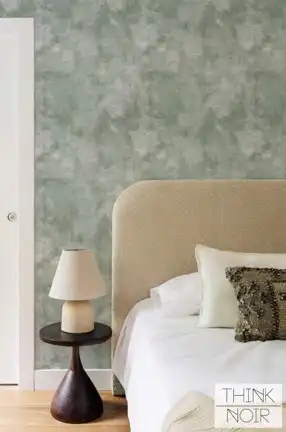
The first was a shift in values. After years of minimalism, people started to want more warmth and personality in their homes. The spaces that felt most compelling were not the emptiest ones. They were the ones that had character, layers, and a sense of individual choice. Wallpaper delivers all of those things in a way that paint simply cannot.
The second was a change in the product itself. Modern wallpaper is far more practical than its predecessors. Peel and stick options made it accessible to renters and anyone who wanted a change without a long-term commitment. Moisture-resistant and vinyl-coated finishes made it viable in kitchens and bathrooms where it would previously have been a risk. The barriers that once kept wallpaper out of certain rooms and certain lifestyles largely no longer exist.
The third factor was social media. Platforms built around home design imagery rewarded rooms that looked distinctive and carefully considered. A room with strong wallpaper photographs in a completely different way from a room with painted walls. It has depth, detail, and a visual richness that reads well on screen. That visibility accelerated the return of pattern to interiors significantly.
What the Return of Wallpaper Actually Means
The revival of wallpaper is not simply about decoration. It reflects a broader change in how people relate to their living spaces.
During the period when minimalism dominated, the ideal interior was one that looked considered but felt effortless. Pattern and decoration were seen as trying too hard. The spaces that were celebrated most were the ones that appeared to have been designed with the least visible effort.
What is happening now is different. People are making deliberate, committed design choices and standing behind them. The return of wallpaper is part of a wider embrace of maximalism, of bold color, of pattern mixing, and of rooms that reflect personal taste rather than universal neutrality. It is design as self-expression rather than design as restraint.
This has practical implications for how interiors are being designed and what clients are asking for. Feature walls are giving way to fully papered rooms. Single pattern choices are being replaced by layered combinations of texture, print, and color. The brief is no longer “make it look clean.” It is “make it look like me.”
Where Wallpaper Is Making the Biggest Impact
The spaces where wallpaper is having the most significant effect right now are not always the obvious ones.
Living rooms and bedrooms have always been natural candidates, and they remain strong. But the more interesting developments are happening in rooms that were previously considered too functional or too small for wallpaper.
Kitchens are one example. The kitchen has become one of the most design-conscious rooms in the home, and wallpaper is increasingly part of that conversation. A papered wall in a kitchen, used in a zone outside the direct cooking area, brings warmth and personality to a space that tile and paint rarely achieve on their own.
Bathrooms are another. Moisture-resistant wallpaper has opened up a room that was previously limited to hard surfaces, and the results can be genuinely dramatic. A fully papered bathroom feels completely different from a tiled one, in terms of both atmosphere and character.
Small spaces like hallways, powder rooms, and home offices are perhaps the most transformed by the return of wallpaper. These rooms have limited square footage but unlimited potential for impact, and wallpaper delivers that impact more efficiently than any other design choice.
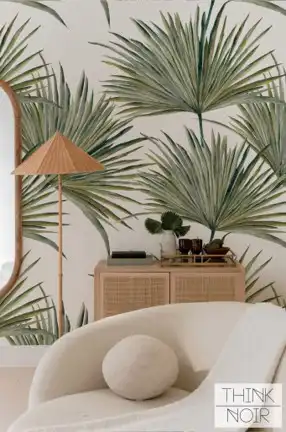
Nature-inspired designs are among the most popular across all of these spaces. Prints that bring the texture and richness of the natural world onto interior walls are appearing in everything from compact city apartments to large family homes. Brands like Think Noir Wallpaper have responded to this demand directly, with jungle theme wallpaper collections that create interiors feeling immersive and alive in a way that abstract or geometric patterns do not. The appeal is straightforward: in a built environment, people respond to the presence of natural imagery in a room. It makes a space feel warmer, richer, and more grounded.
What This Means for Interior Design Going Forward
The return of wallpaper is not a nostalgia trip. It is not about recreating the interiors of previous decades. The designs leading the current revival are distinctly contemporary, even when they reference historical styles. What has changed is the willingness to commit to pattern and decoration as valid and desirable qualities in a well-designed space.
For interior designers, this shift opens up possibilities that were effectively closed during the minimalist era. Pattern can now anchor a room rather than decorate it. Wallpaper can be the starting point for a design scheme rather than the finishing touch. The wall is no longer just a background.
For clients, it means that the range of choices available is wider than it has been for a long time. The permission to be bold, to choose a design that reflects personal taste rather than general acceptability, is now firmly part of the conversation.
What that looks like in practice varies enormously from space to space and person to person. But the direction is clear. Wallpaper is back, it is better than it has ever been, and the interiors it is creating are some of the most interesting and distinctive being designed right now.
Comments on this guide to Why Wallpaper Is Back and What It Means for Modern Interior Design architecture style article are welcome.
Wallpaper + Interior Design
Wallpaper and Interior Design Posts
Best peel and stick wallpapers for home
Make your home beautiful with peel and stick wallpaper
++
Buildings
Residential Architecture
Comments / photos for the Why Wallpaper Is Back and What It Means for Modern Interior Design page welcome.