How to Make Real Estate Investing Scalable
26 June 2026
Real estate investing can start small. Maybe you buy one rental house, a duplex, or a small apartment building. You learn the basics and start to understand how the numbers feel in real life.
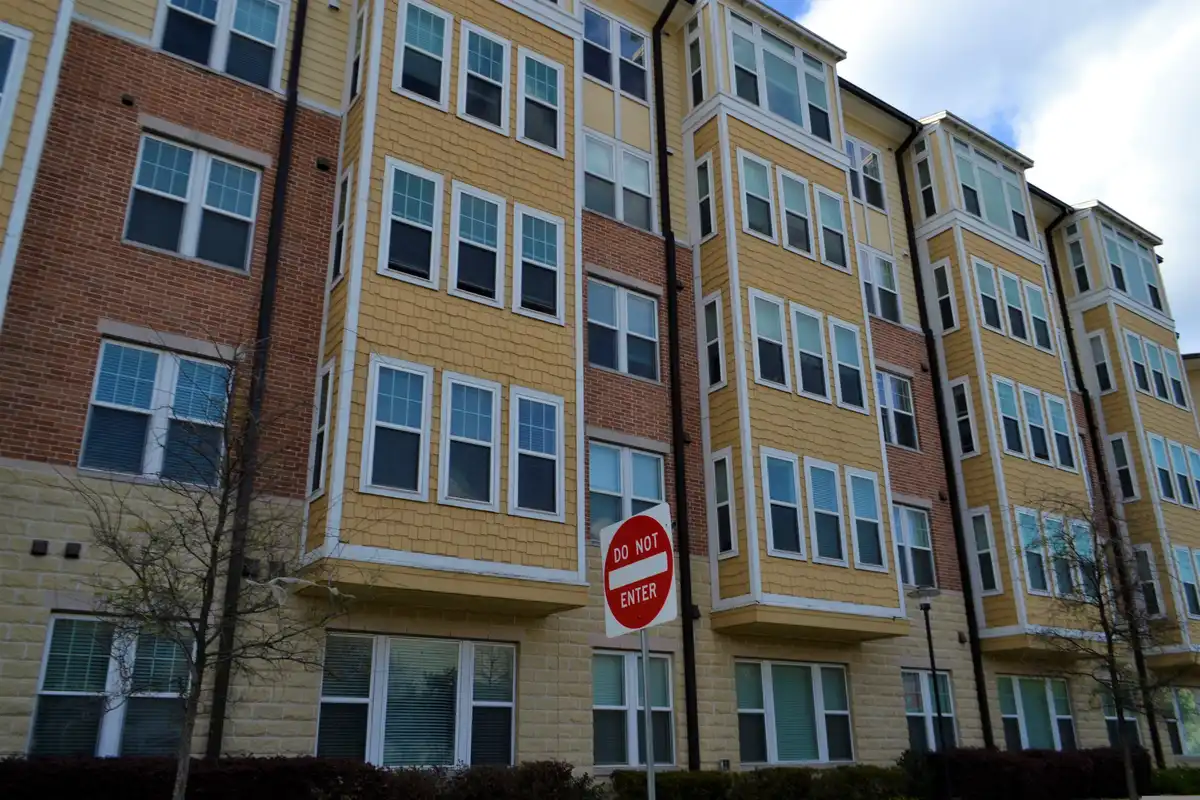
At that stage, the business may still be manageable. You can answer tenant calls, collect rent, and review the numbers yourself. But as you add more properties, the same approach can start to wear you down.
One rental may feel simple. Five rentals can feel like a part-time job. Ten or twenty units can become hard to manage, even if it is your full-time job. And that’s why scalability matters.
A scalable real estate investing business isn’t one that depends on you handling everything forever. It’s one that can grow without your time, stress, and confusion growing at the same pace.
Start With a Clear Investment Strategy
One of the first steps is deciding what kind of real estate investor you want to be. You may want to focus on single-family rentals, small multifamily properties, short-term rentals, or value-add apartment buildings. Or you may want to stay in one local market or expand into nearby areas that you understand well.
There’s no one right answer, but you do need a clear direction. When your strategy is scattered, every deal requires you to relearn the process. Different property types come with different numbers and needs. That doesn’t mean you can never branch out, but early on, it helps to build skill in one lane before adding too much complexity.
A clear strategy also makes it easier to say no. That’s important because not every deal deserves your attention. If a property doesn’t fit your goals, your numbers, or your ability to manage it well, it may slow you down instead of helping you grow.
Build Systems Proactively
A lot of investors wait too long to create systems. They tell themselves they’ll get organized once the portfolio is larger. But by then, they’re already buried in messages and messy paperwork. It’s better to build simple systems early.
You need a clear way to track rent, expenses, leases, maintenance requests, insurance documents, etc. At first, this may be a simple spreadsheet and a few organized folders. Over time, you may need property management software or bookkeeping support.
The exact system matters less than the habit. You want important information to live somewhere besides your memory. The sooner you do this, the better.
Treat Your Time Like a Cost
New investors often try to do everything themselves to save money. That can make sense in the beginning, especially if you’re learning how properties work. But at some point, your time becomes part of the cost.
If you spend your evenings chasing late rent and coordinating repairs, that time has a value. It may not show up on a profit and loss statement, but it affects your life and your ability to grow.
Scalable investing requires you to ask a different question. Instead of always asking, “Can I do this myself?” ask, “Should I be the person doing this?” This doesn’t mean you should outsource everything right away. It means you should notice which tasks keep you stuck in the day-to-day work instead of helping you become a better investor.
Hire a Property Manager
A good property manager can be one of the most important pieces of a scalable real estate investing business.
Yes, a property manager costs money. That fee can feel painful, especially when you’re trying to improve cash flow. But the right manager can make it possible to own more properties without adding the same amount of work to your schedule.
That said, you shouldn’t hire just anyone. A weak property manager can create more problems than they solve. You want someone who understands your property and helps you stay organized and on top of things. That’s where the real power is.
Build a Reliable Team
Real estate investing becomes much easier when you’re not trying to solve every problem alone. Over time, you’ll need people you can trust. In addition to a property manager, this may include having a real estate agent who understands investment property, a lender who knows rental financing, an insurance agent, a CPA, an attorney, etc.
You don’t need a large team on day one, but you should pay attention to the people who make your business smoother. The right team helps you make better decisions. It also keeps you from becoming the bottleneck in every part of the business.
Add it All Up
Real estate investing becomes scalable when you stop building everything around your own time. You need a clear strategy, simple systems, and reliable people. When your systems are strong and your team is in place, each new property becomes easier to manage. You’ll still have problems to solve, but you won’t have to solve every problem alone. And that’s when real estate investing starts to feel like a business you can grow.
Comments on this guide to How to Make Real Estate Investing Scalable article are welcome.
Artificial Intelligence
Artificial Intelligence
Innovation Park Artificial Intelligence, Heilbronn, Germany
Innovation Park Artificial Intelligence, Heilbronn, Germany
Will Artificial Intelligence Replace Architects
Will Artificial Intelligence Replace Architects
AI Architectural Design
AI-powered architectural design
How generative AI transforms property discovery
AI impact in creating stunning spaces
Integrating humans with AI in structural design
+++
Property Articles
Contemporary Property Articles – architectural selection below:
Comments / photos for the How to Make Real Estate Investing Scalable page welcome.