The Architectural Cost of Intelligence: Scaling Data Center Infrastructure for AI Workloads and High Density Hardware
22 June 2026
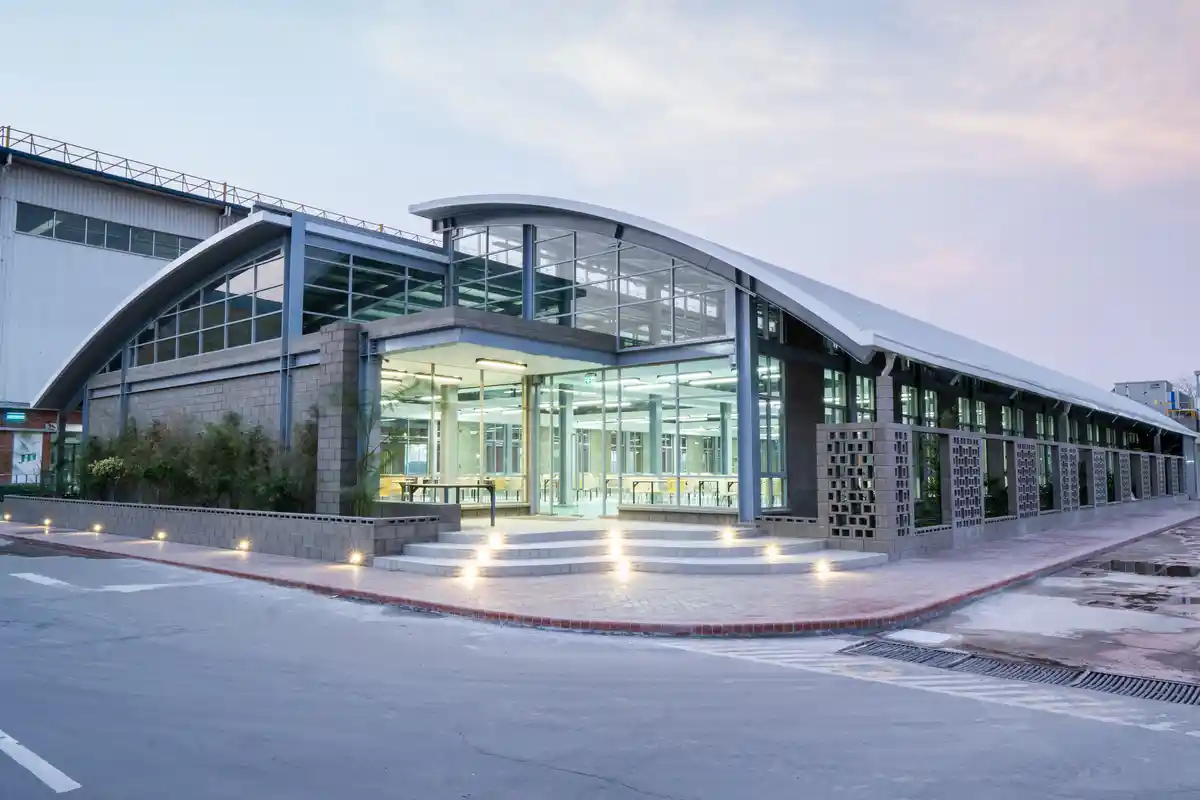
The rapid proliferation of Artificial Intelligence (AI) and Large Language Models (LLMs) has forced a complete paradigm shift in commercial architecture and digital infrastructure design. In 2026 building a data center is no longer just about allocating square footage for server racks it is about engineering a facility that can withstand unprecedented thermal and electrical loads.
Unlike traditional cloud computing applications that experience predictable processing peaks AI workloads operate at sustained maximum computational capacity This continuous demand for raw processing power translates directly into massive energy consumption turning AI deployment into a complex architectural and electrical challenge.
High Density Layouts and the Electrical Strain of AI Clustering
The integration of AI into modern digital infrastructure heavily impacts rack level power density. Traditional enterprise infrastructure layouts historically operated within a threshold of 5 kW to 10 kW per rack footprint. In stark contrast specialized AI clusters featuring high performance GPUs and tensor processing arrays routinely demand 40 kW to upwards of 100 kW per rack.
For structural engineers and architects, this power scaling creates a cascading design challenge. Medium voltage utility feeds must be routed deeper into the buildings core layout bypassing traditional remote power panels to prevent distribution losses. Electrical blueprints must now incorporate dedicated localized substations and fault tolerant busway systems designed to handle continuous high currents without experiencing catastrophic thermal breakdowns.
Optimizing Component Infrastructure for Sustained Processing
Inside the physical server nodes the component architecture dictates how efficiently a facility can execute AI model training and inference. To maximize energy efficiency at the silicon level data center managers must carefully audit and refresh their hardware lifecycles.
Memory Bottlenecks (DDR4 vs DDR5 Systems)
AI training models require instantaneous data access making system memory a critical performance bottleneck While legacy enterprise setups still carry older DDR4 configurations due to initial cost structures modern high density nodes necessitate the integration of high bandwidth DDR5 RAM modules.
Operating at a reduced baseline voltage of 1.1V compared to DDR4s 1.2V DDR5 introduces localized power management through on die Power Management Integrated Circuits PMICs. This structural shift helps stabilize power delivery directly on the memory stick, though it requires precise spatial airflow configuration to prevent localized thermal degradation.

NVMe, SAS and SATA Storage Arrays
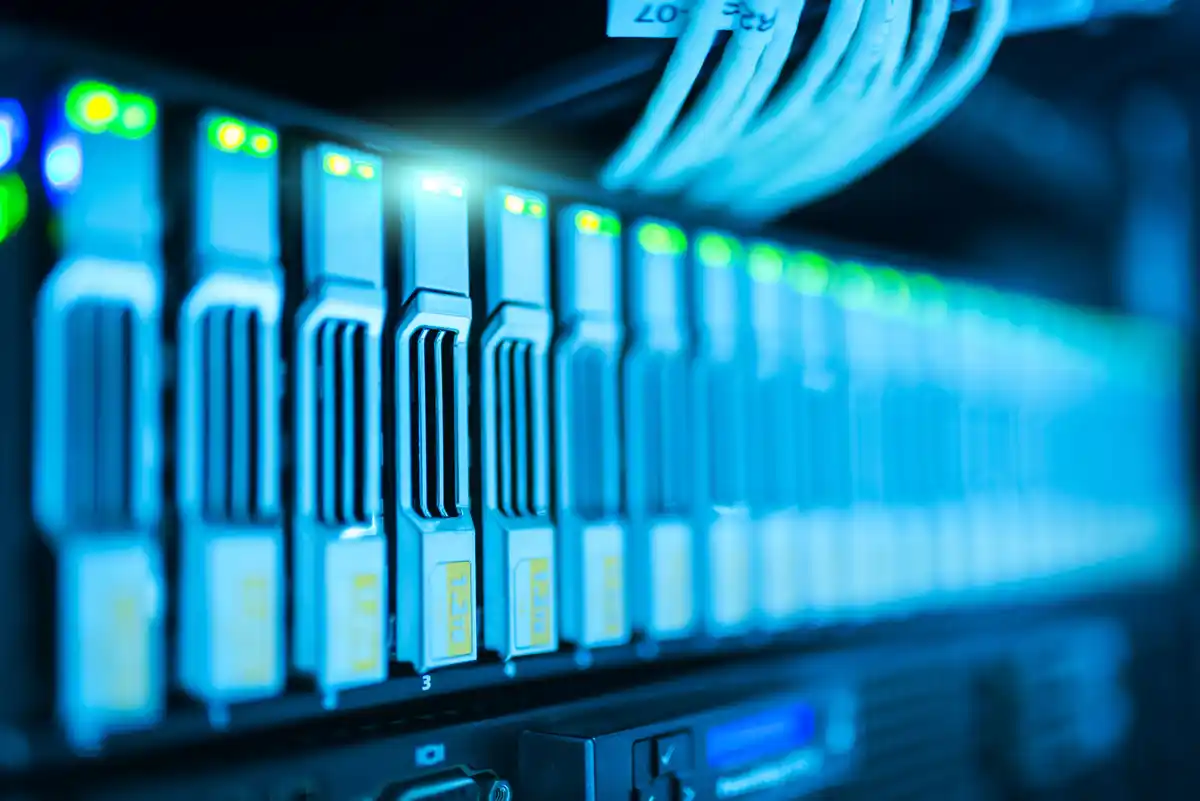
Data processing architecture directly influences both the physical layout of the storage room and the facilitys overall Power Usage Effectiveness PUE. Modern high performance setups organize storage into distinct hardware tiers to manage thermal and operational efficiency
- AI Training and Hot Data: Relies completely on non volatile memory express NVMe solid state drives utilizing high speed PCIe protocols to eliminate data transfer latencies.
- Enterprise Mainframe Availability: Utilizes Serial Attached SCSI SAS drives for robust dual port transactional reliability.
- Archival and Cold Storage: Managed through high capacity Serial ATA SATA mechanical drive or budget friendly SATA SSDs where volume capacity is prioritized over speed.
For large scale hardware retrofitting and architectural expansions, infrastructure procurement teams often utilize dedicated business channels like the specialized IT hardware platform to source verified enterprise components ensuring flawless compatibility between existing SAS controllers and cutting edge NVMe computational storage frames.
Power Distribution Intelligence at the Rack Level
With AI workloads causing sudden and massive swings in electrical load profiles, facility architects cannot rely on passive electrical distribution. Modern server enclosures incorporate intelligent vertical Power Distribution Units PDUs directly into the rear zero U chassis spacing.
These smart power systems offer granular, outlet level power monitoring and remote management capabilities. By tracking real time metrics such as current voltage and phase balance, infrastructure engineers can safely map the exact power footprint of active AI models. This visibility allows operators to balance phases across the entire electrical distribution network, optimize building wide cooling cycles and prevent circuit overloads before localized hot spots can develop.
Architectural Thermal Design and Containment Strategies
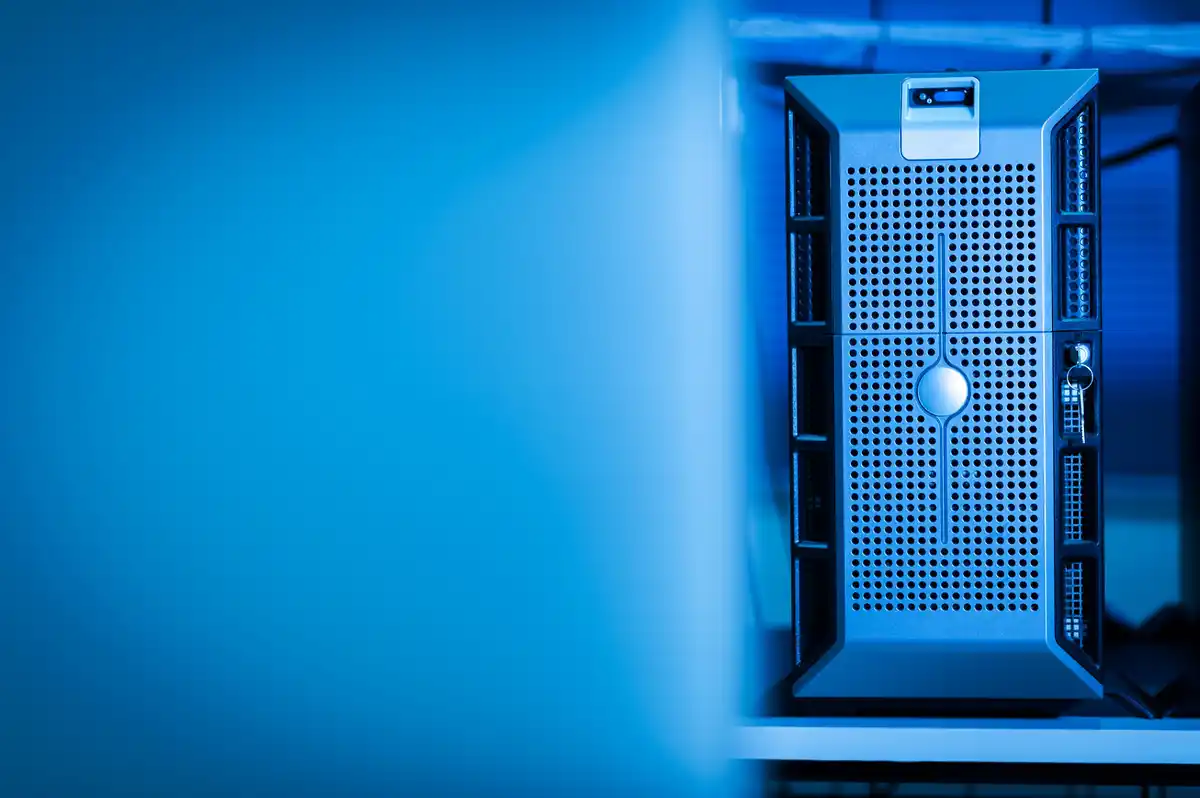
Every kilowatt of electricity consumed by high performance AI processors is ultimately rejected into the server room as heat. Traditional raised floor air distribution systems are fundamentally incapable of cooling a 50 kW AI rack configuration on their own.
To resolve this, modern data center blueprints enforce rigid Hot/Cold Aisle Containment systems. By installing structural physical barriers such as ceiling panels and sliding steel doors architects completely segregate the cold air supply from the hot exhaust air stream. This simple structural isolation increases the temperature of the return air to the cooling units, boosting the thermodynamic efficiency of the entire HVAC network. Furthermore, for ultra high density AI infrastructure, architects are bypassing air cooling altogether, designing direct to chip liquid cooling loops and facility wide water manifolds directly into the building’s central concrete foundation plans.
Conclusion: Balancing Intelligence and Infrastructure
As the demand for artificial intelligence continues to accelerate, the relationship between computing needs and structural architecture will grow even closer. Designing a viable data center in 2026 requires a deep, unified understanding of both physical space and hardware capabilities.
By combining intelligent rack level PDUs, efficient thermal containment structures, and strategic hardware asset choices across high speed DDR5 memory and NVMe arrays, modern engineers can successfully build high performance data center layouts that support the future of AI without compromising global energy sustainability.
Comments on this guide to Scaling data center infrastructure for AI workloads article are welcome.
Building Design and Construction
Building Construction Posts
Emerging data annotation trends powering smarter AI
Next Gen Data Center Infrastructure
AI data centers infrastructure challenges
Chicago Serverfarm CH1 Data Center building
++
Buildings
Architecture Articles
Comments / photos for the scaling data center infrastructure for AI workloads and high density hardware – architectural cost of intelligence page welcome.