Architectural Blueprinting for Modern Data Centers: Optimizing Infrastructure, Thermal Design and Enterprise Hardware Lifecycle
17 June 2026
The global demand for high performance computing cloud scalability and artificial intelligence workloads has fundamentally shifted the relationship between structural architecture and digital infrastructure. In 2026 data center blueprinting is no longer just about constructing a secure shell to house servers it is an integrated engineering discipline where thermal dynamics, spatial layout and high density enterprise IT hardware must be co designed from day one.
For modern architects and electrical engineers, designing a resilient facility requires a deep understanding of structural load capacities, power distribution efficiencies, and the exact hardware lifecycles running inside the server racks.
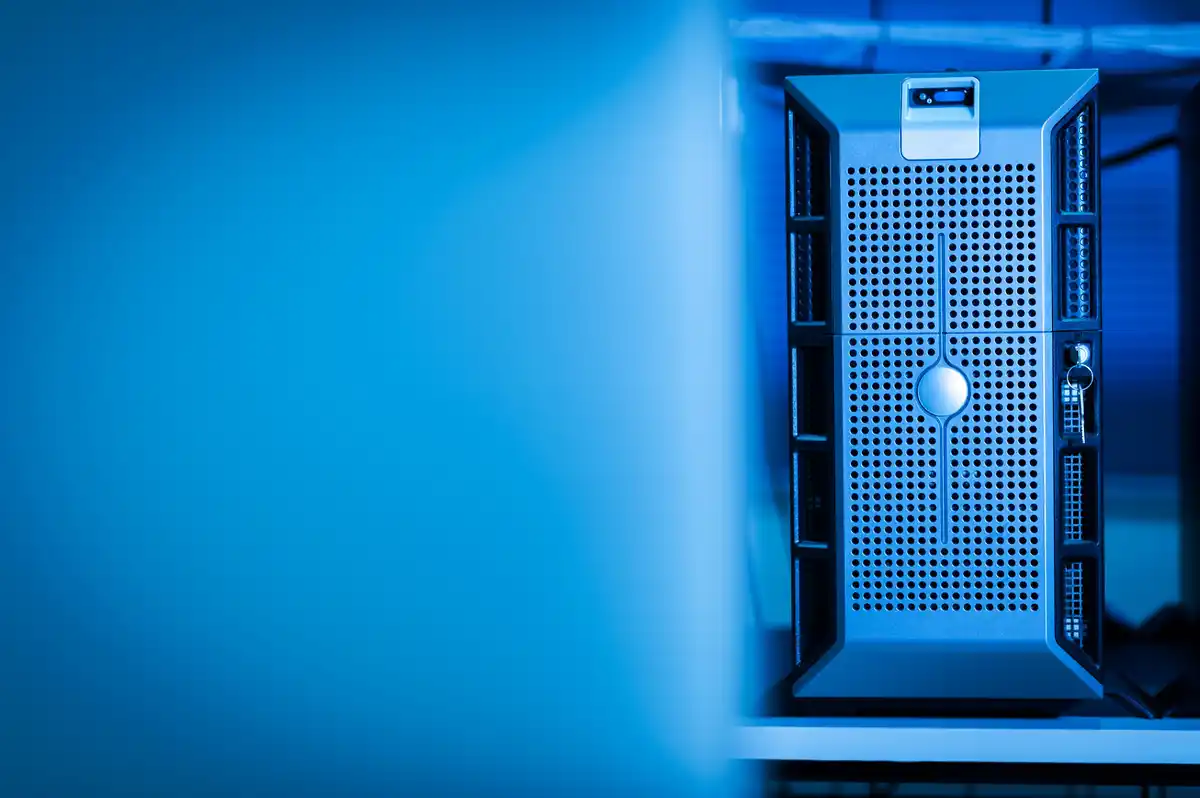
Spatial Zoning and Structural Load Capacity for High Density Racks
Modern architecture layouts for computing facilities require highly specialized spatial zoning to accommodate shifting equipment densities. Traditional corporate server rooms historically operated on a power density of 3 kW to 5 kW per rack. However, high performance computing clusters routinely exceed 30 kW to 50 kW per rack footprint.
Architects must address structural physics when designing these spaces. Standard office buildings are engineered for live loads of roughly 50 to 100 pounds per square foot (lbs/sq ft). In sharp contrast, a specialized digital infrastructure facility requires structural concrete slabs engineered to support continuous dead loads of 250 to 300 lbs/sq ft, often utilizing heavy duty steel structural decking to eliminate floor vibrations that can disrupt spinning mechanical drives or damage delicate silicon contacts.
Power Infrastructure and Intelligence at the Rack Level
The electrical architecture of a data center determines its total operational efficiency and Power Usage Effectiveness (PUE). Power enters the facility at medium voltage, passes through substations and Uninterruptible Power Supplies (UPS), and must be delivered efficiently to individual compute nodes.
At the rack level, architectural layouts must plan for precise placement of Power Distribution Units (PDUs). Modern facility blueprints utilize vertical zero U intelligent PDUs that mount seamlessly into the chassis of the server enclosure without consuming valuable horizontal rack space. These smart power strips provide granular real time tracking of current voltage and power consumption at the individual outlet level. This allows infrastructure engineers to monitor localized power metrics identify underutilized hardware assets, and proactively manage thermal hotspots before they cause breaker trips.
Optimizing High Performance Enterprise IT Hardware Deployments
Inside the physical server chassis, the selection of component architecture dictates the facility’s internal heat output, computing power, and localized cooling requirements. Enterprise deployments require a strategic balance across three core hardware verticals: memory speed, storage arrays, and high speed data buses.
Memory Optimization (DDR4 vs. DDR5 Lifecycles)
System memory is a major structural bottleneck and heat source in high density multi tenant layouts. While older configurations still rely heavily on legacy DDR4 RAM modules due to historical acquisition costs, modern AI and enterprise database clusters require the massive bandwidth of DDR5 memory. DDR5 operates at a lower core voltage ($1.1\text{V}$ compared to DDR4’s $1.2\text{V}$) but introduces on die Power Management Integrated Circuits (PMICs) directly onto the memory stick itself. This shifts the thermal management profile from the motherboard directly to the RAM array, requiring precise airflow design through the front chassis.
Storage Architecture (NVMe, SAS, and SATA Arrays)
Data tiering directly impacts both floor space architecture and thermal efficiency. Modern facilities categorize storage into distinct hardware performance tiers
- Ultra Performance: Driven entirely by non volatile memory express NVMe solid state drives utilizing PCIe Gen 5 protocols These drives offer unparalleled read/write speeds, drastically reducing data processing latencies.
- High Availability Enterprise: Managed via Serial Attached SCSI SAS drives which offer robust dual port reliability for mission critical corporate mainframes.
- Bulk Cold Storage: Dependent on high capacity Serial ATA SATA mechanical hard drives or cost effective SATA SSDs where raw density per dollar is prioritized over raw input/output performance.
For comprehensive procurement pipelines and multi generational hardware deployments infrastructure managers often consult specialized B2B catalogs like IT hardware platform to source validated enterprise components ensuring full compatibility between legacy SAS backplanes and cutting edge NVMe computational storage configurations.

Thermal Dynamics Aisle Containment and Liquid Cooling Integrations
Every watt of electrical power delivered to enterprise IT hardware is ultimately converted into thermal waste. Managing this heat rejection profile requires strict spatial planning from the facility’s architectural team. The most common physical design pattern implemented today is Hot/Cold Aisle Containment.
By structurally separating the cold air supply from the warm server exhaust using physical plexiglass or steel doors, operators prevent the mixing of air streams. This structural isolation allows cooling systems to run at higher more efficient return air temperatures, driving down overall facility energy usage.
Furthermore, as rack densities eclipse the physical limits of traditional forced air cooling, architects are increasingly incorporating direct to chip liquid cooling manifolds and full immersion cooling loops directly into the building’s central chilled water distribution systems.
Lifecycle Management and Hardware Sustainability
A data center’s building lifecycle is intrinsically tied to the rapid refresh cycles of the computational hardware housed within its walls. While concrete foundations and building envelopes are designed to stand for 30 to 50 years, the underlying IT hardware infrastructure experiences a complete technology refresh cycle every 3 to 5 years.
Architectural plans must incorporate dedicated logistical pathways, including wide freight elevators, loading docks with integrated hydraulic levelers, and secure staging zones for the unboxing, testing, and eventual decommissioning of enterprise hardware assets. Old arrays must be cleanly cycled out without causing physical layout distribution issues or interrupting concurrent facility operations.
Conclusion The Integrated Facility Matrix
Ultimately achieving a high efficiency digital infrastructure requires a completely unified design ecosystem. The physical concrete architecture, structural support pillars, electrical busways, and localized rack layouts must perfectly align with the operational realities of high density enterprise hardware. By blending intelligent power monitoring via advanced PDUs, precise thermal containment strategies, and strategic component management across NVMe, SAS, and high speed memory arrays, modern engineers can successfully design infrastructure layouts that are scalable, sustainable, and ready for future computing paradigms.
Comments on this guide to Modern data center architectural design blueprint article are welcome.
Building Design and Construction
Building Construction Posts
Next Gen Data Center Infrastructure

AI data centers infrastructure challenges
Chicago Serverfarm CH1 Data Center building
++
Buildings
Architecture Articles
Comments / photos for the Modern data center architectural design blueprint page welcome.