How Pool Owners Can Extend the Life of Salt Water Chlorinator Cells
post updated 11 July 2026
25 July 2025
Saltwater pools offer a gentler and more enjoyable swimming experience compared to traditional chlorine pools. At the heart of these systems is the salt water chlorinator cell, a vital component that converts salt into chlorine to keep your pool clean and safe. However, like any equipment, a salt chlorinator cell requires regular care and maintenance to work effectively. Neglecting them can lead to poor water quality, increased chemical use, and costly repairs. In this guide, explore expert tips on how to maintain your saltwater chlorinator cells, helping you enjoy crystal-clear, healthy pool water all season long.
Understanding Salt Chlorinator Cell
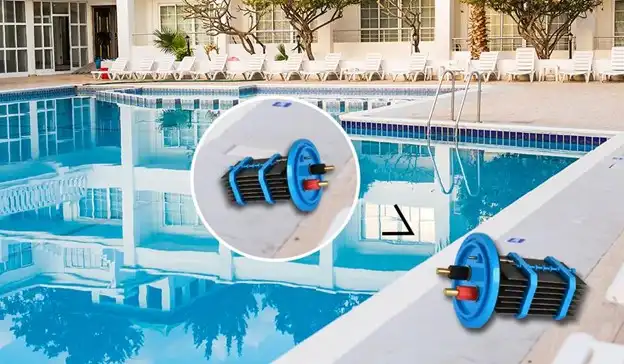
A salt water pool chlorinator is a great device that uses a process called electrolysis to turn salt in your pool water into chlorine. This chlorine helps keep your pool clean and safe to swim in, but without the strong chemical smell and harshness you often get from traditional chlorine products. It’s like having the best of both worlds — gentle on your skin but tough on germs. However, for your chlorinator to keep working well, it needs regular maintenance. If you ignore it, your chlorinator won’t work as effectively, and you might end up with cloudy water or even an algae outbreak, which is nobody’s idea of fun!
Maintaining Your Salt water Chlorinator Cell
- Regular Cleaning is Key: One of the most common problems with saltwater chlorinators is scale buildup. This happens because minerals in your pool water, especially if you have hard water, can stick to the salt cell plates inside the chlorinator. When scale builds up, the pool chlorinator cell can’t produce chlorine properly. To avoid this, clean your salt water pool cell every 3 to 6 months. This removes the scale and helps your chlorinator work like new.
- Keep an Eye on Salt Levels: Your chlorinator needs the right amount of salt in the pool to work properly. If the salt level is too low, the device won’t be able to make enough chlorine. On the other hand, if the salt level is too high, it can cause corrosion and damage to parts of your pool system. Regularly test your pool water with a salt test kit to make sure you’re in this safe range.
- Check Electrical Connections: Your chlorinator is an electronic device, so good electrical connections are very important. Loose or corroded wiring can cause your system to perform poorly or even stop working. Take a few minutes every month or so to check the wires and connectors on your chlorinator, making sure they are tight and free from rust or corrosion.
- Don’t Forget the Flow Sensor: The flow sensor in your chlorinator makes sure that water is moving through the system correctly. If this sensor isn’t working right, the chlorinator won’t turn on to make chlorine, even if everything else is fine. If you notice your chlorinator is not producing chlorine but everything else looks normal, check the flow sensor and clean or replace it if needed.
Signs That Show Chlorinator Cell Replacement
- Lower Chlorine Production: A common sign that your salt water pool cell is failing is when it produces less chlorine. If your pool water isn’t staying clean even though the salt levels are right and the chlorinator is working, the salt cell might not be turning salt into chlorine properly. You might see cloudy water, algae growing, or chlorine levels dropping regularly.
- Visible Wear or Scaling on the Cell Plates: Over time, salt water pool cell plates can get covered in calcium or mineral buildup, especially if your water is hard. This makes the cell work less well. Cleaning with a mild acid can help, but if the plates look corroded, broken, or very worn out, it’s time to get a new salt cell.
- Salt Cell Age: Salt water pool chlorinator cells don’t last forever. Most last between 3 and 7 years, depending on the brand, how often you use it, and how well you maintain it. If your salt water chlorinator cell is getting old and you’re having problems, it’s probably time for a new one. Keep track of when the cell was installed so you know when to check for wear.
- Frequent “Low Salt” Alerts: If your salt water chlorinator cell keeps warning you about low salt, but you’ve checked and the salt level is correct, the salt cell might be faulty. A broken cell can give wrong warnings about salt levels.
Maintaining your saltwater chlorinator cell is essential for keeping your pool clean, safe, and enjoyable. However, the foundation for easy maintenance starts with a quality pool built by experienced professionals. Trusted pool builders in Albury not only design and install your pool with the right equipment but also ensure that everything, from plumbing to electrical systems, is done correctly. This reduces the chances of costly repairs and maintenance issues later on. Hiring a reliable builder means you get a pool that’s easier to care for and built to last, giving you peace of mind and more time to enjoy your backyard oasis.
Final thoughts
Maintaining your saltwater chlorinator doesn’t have to be overwhelming. With regular checks and the right technology, you can keep your pool crystal clear all season long. A little maintenance now goes a long way in preventing bigger problems later. So next time you’re relaxing by the pool, take a moment to appreciate your chlorinator—it’s working hard behind the scenes to keep your pool a perfect watery paradise.
Comments on this guide to How Pool Owners Can Extend the Life of Salt Water Chlorinator Cells article are welcome.
Swimming Pools
Swimming Pool Design Articles
Swimming Pool Designs
Swimming Pool Building Designs
Important purchases for your new swimming pool
How to ensure your family swimming pool is child-friendly
++
Property Articles
Comments / photos for the Salt Water Chlorinator Cells life extension for home swimming pools page welcome.