Designing Durable Roofs: Key Considerations for Long-Term Building Performance
29 June 2026
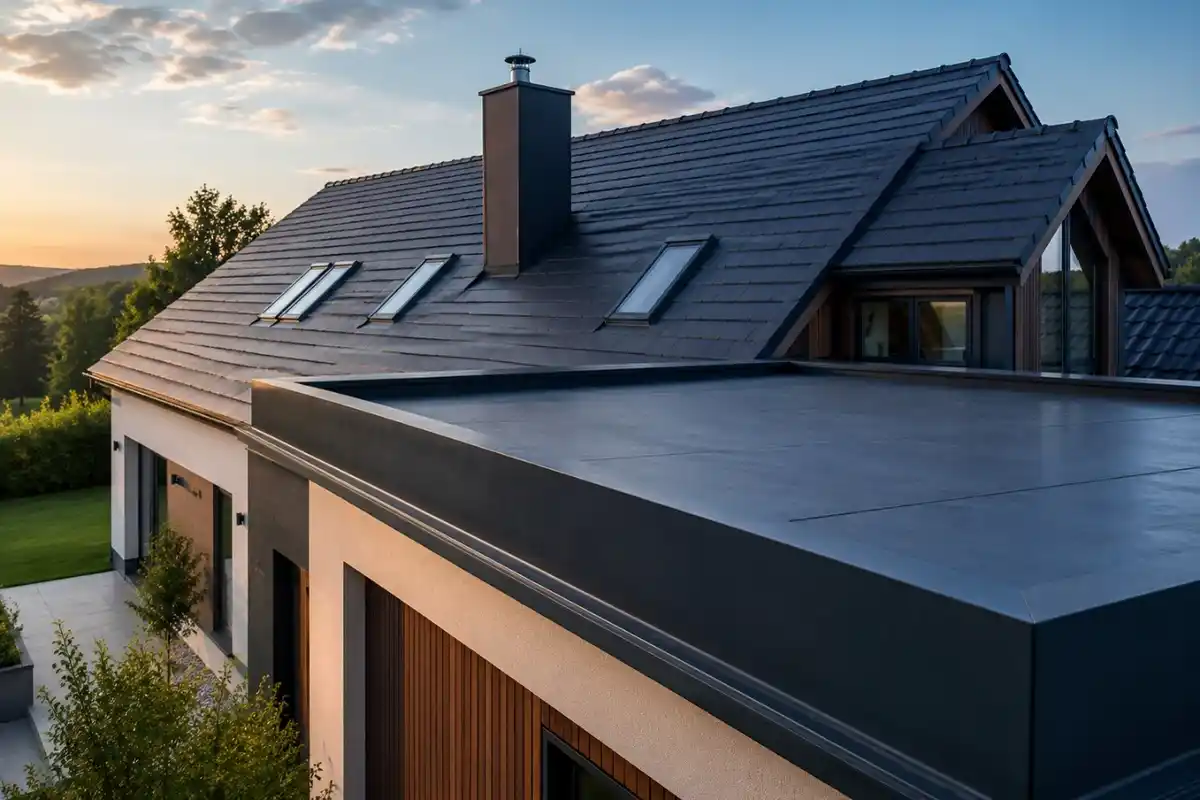
A roof is far more than the uppermost layer of a building. It is a critical component of the building envelope, protecting the structure from the elements while contributing to energy efficiency, structural integrity, and occupant comfort. In contemporary architecture, roof design is increasingly viewed as an integrated part of overall building performance rather than simply a weatherproof covering.
Whether specifying materials for a new residential development or planning the refurbishment of an existing property, architects must consider durability, maintenance requirements, drainage, insulation, and future adaptability. Well-designed roofing systems reduce lifecycle costs while improving resilience against increasingly demanding environmental conditions.
The Roof as Part of the Building Envelope
The building envelope determines how effectively a structure manages heat, moisture, and external weather conditions. Roofs work alongside walls, windows, and insulation to create a comfortable internal environment while protecting the building fabric.
Effective roof design begins with careful consideration of climate, orientation, ventilation, and drainage. Poor detailing around junctions, parapets, roof penetrations, and gutters can compromise even the highest-quality materials, leading to premature deterioration and expensive repairs.
By adopting a whole-building approach, architects can ensure roofing systems contribute positively to both energy performance and long-term durability.
Material Selection Matters
Selecting appropriate roofing materials is fundamental to long-term building performance. Traditional slate and clay tiles continue to provide excellent durability, while modern membranes and metal roofing systems offer flexible solutions for contemporary buildings.
Material selection should reflect several factors, including roof pitch, local climate, maintenance expectations, and architectural character. Increasingly, architects also evaluate products based on lifecycle performance, embodied carbon, and compatibility with sustainable construction practices.
Regardless of the chosen material, quality installation remains essential to achieving the intended service life.
Flat Roofs in Contemporary Architecture
Flat roofs have become a defining feature of many contemporary residential and commercial buildings. Their clean geometry complements modern architectural styles while providing opportunities for roof terraces, green roofs, photovoltaic panels, and mechanical plant.
However, flat roofs require careful detailing to ensure effective waterproofing and drainage. Falls, outlets, insulation continuity, and membrane specification all influence long-term reliability.
For projects requiring specialist installation or refurbishment, engaging experienced providers of flat roofing service in Chesham can help ensure modern flat roof systems are designed and installed in accordance with current performance standards.
The Importance of Preventative Inspection
Even the most robust roofing system benefits from regular inspection. Environmental exposure, seasonal weather, and natural ageing gradually affect roofing materials, making preventative maintenance an essential part of building management.
Routine inspections allow defects such as damaged flashings, blocked gutters, deteriorating membranes, or loose roof coverings to be identified before they develop into significant structural problems.
This proactive approach reduces repair costs, extends service life, and helps preserve the overall integrity of the building envelope.
Roof Surveys as a Design Tool
Roof inspections are not only valuable for maintenance; they also provide essential information when planning refurbishment or adaptive reuse projects.
Architects frequently rely on detailed condition surveys to assess structural performance, identify moisture ingress, evaluate drainage systems, and determine whether existing roof assemblies remain suitable for future use.
Professional services offering a Roof survey in Chelsea can provide detailed assessments that support informed design decisions, particularly when working with older buildings where concealed defects may influence refurbishment strategies.
Sustainability and Future Adaptability
Sustainable architecture increasingly emphasises buildings that remain adaptable throughout their lifespan. Roofing systems now accommodate technologies that were once considered optional, including photovoltaic panels, green roofs, rainwater harvesting systems, and roof-mounted ventilation equipment.
Planning for these additions during the design stage reduces future disruption while improving long-term building performance. Structural loading, waterproofing details, maintenance access, and service routes should all be considered before construction begins.
Future-ready roofs provide flexibility as environmental standards continue to evolve.
Collaboration Improves Outcomes
Successful roofing projects depend upon collaboration between architects, structural engineers, building services consultants, and specialist roofing contractors. Early coordination helps resolve technical challenges before construction, reducing design conflicts and improving overall project quality.
This integrated approach ensures that structural requirements, waterproofing systems, insulation strategies, and maintenance provisions work together rather than competing with one another.
As buildings become increasingly complex, interdisciplinary collaboration continues to play a vital role in delivering durable, resilient architecture.
Conclusion
Durable roof design is fundamental to creating buildings that perform efficiently throughout their lifespan. Material selection, thermal performance, drainage, waterproofing, and planned maintenance all contribute to protecting the building envelope while supporting occupant comfort and operational efficiency.
By viewing roofing as an essential element of architectural performance rather than a standalone construction component, designers can create buildings that remain resilient, sustainable, and adaptable for decades. Investing in careful specification, professional installation, and regular inspection ultimately delivers long-term value while helping modern buildings meet the evolving demands of both occupants and the environment.
Comments on this guide to Designing durable roofs, building performance advice article are welcome.
Home Roofing

Roofing Posts
Connecting the Roofing and Architectural Character
++
Homes
Residential Architecture Articles
Comments / photos for the Designing durable roofs for building performance: house roofing advice page welcome.