Why the roof deserves more credit in home design
29 June 2026
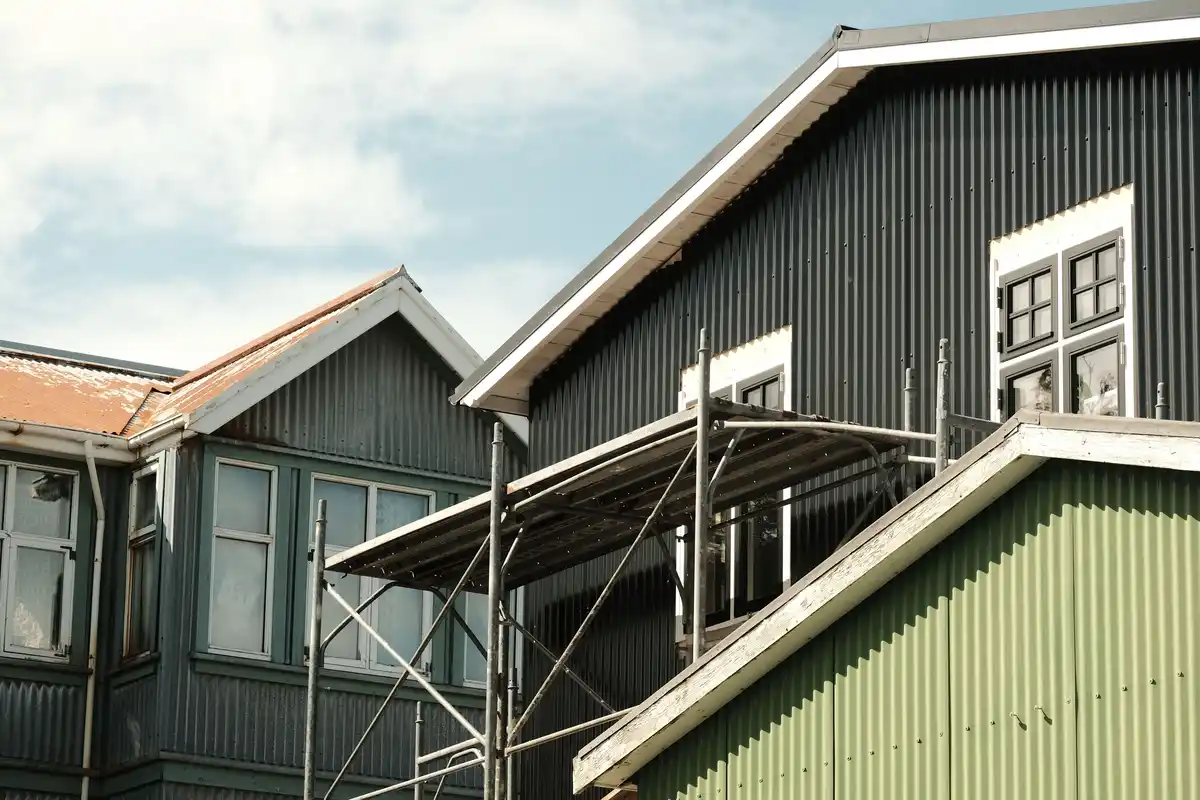
Walk an older street and look up. The roofline does more than people give it credit for. A steep gable, a long hip with a dormer set under the ridge, that’s what fixes the character of a house before you’re anywhere near the front door. The kitchen and the paint get all the attention, and the single biggest surface on the building goes unnoticed until it leaks.
Worth noticing, because the roof is one of the few parts of a house that’s doing a job and setting the look at the same time. It keeps the weather out. It also tells you roughly when the place went up and how much care it’s had since.
Why roofs look the way they do
Most of the shape came from the weather. Steep pitches in snow country so the load slides off before it stacks up and soaks through. Wide overhangs where the sun’s the problem. The flat, modern-looking roofs sit mostly in drier places that can get away with them. None of it started as a style. It was what worked, and people got used to the look after.
The older parts of north Jersey are a good example. A lot of it filled in fast in the 1920s and then again after the war, narrow houses on deep, tight lots, and a roof like that has to throw water off in several directions at once. That’s where all the cut-up rooflines and extra valleys come from. They look good from the curb and they’re a pain to keep dry when the details are wrong.
The weather here doesn’t help. Freeze-thaw works ice into any gap that wasn’t sealed right, summer brings hard storms, and every few years a nor’easter sits on the whole roof for a day. The roof’s never really still. It’s moving a little and shedding water under load, year after year.
Shingles usually aren’t the problem
This is the part homeowners get backwards. The shingles are what you look at and rarely what fails. Water gets in where the roof meets something or changes direction. The chimney’s the classic one. On a lot of the older houses around here the chimney flashing was cut into the mortar joints when the place was built, and once that mortar starts going, water runs straight down behind it. Valleys are another. So is a skylight or a vent if whoever set it rushed the flashing.
You find other things on these old roofs too. Galvanized flashing that’s rusted through. A crew that shingled over the old roof instead of tearing it off, so nobody knows what’s underneath. The flashing is the actual waterproofing up there, and it’s the first thing that gets done cheap when someone’s shaving a quote to win it.
A roof can look perfect from the driveway and be soft at the deck because somebody ran caulk over a bad flashing joint ten years back. That holds a season or two. Then the water’s back, and it’s been tracking down the framing long enough that the stain shows up two rooms from where it got in. People spend real money chasing the stain instead of the flashing. In a cold winter, ice damming at the eaves backs water up under the shingles, and no surface sealant touches that.
What a real reroof is
A newer house is easy up top. A plane or two, a clean ridge, off and on quick. Older houses are slow, and it’s the dormers and deep valleys, the parts worth looking at, that make them slow.
A real reroof comes off to the deck. Not new shingles laid over the tired ones. On a house from the 1920s that deck is usually board sheathing, not plywood, and you can’t see what the boards are doing until they’re exposed. The soft spots and the rot near the chimney and valleys come out before anything new goes down. Ice and water shield along the eaves and in the valleys where the leaks start, which earns its keep in a freeze-thaw winter. New flashing at the chimney and everywhere something comes through. Then shingles, an architectural shingle rated for decades instead of the thin three-tab that used to be standard.
When a quote has them going over the existing roof, they’re betting the whole thing on wood nobody looked at. On a house you mean to keep, I wouldn’t take that bet.
Material
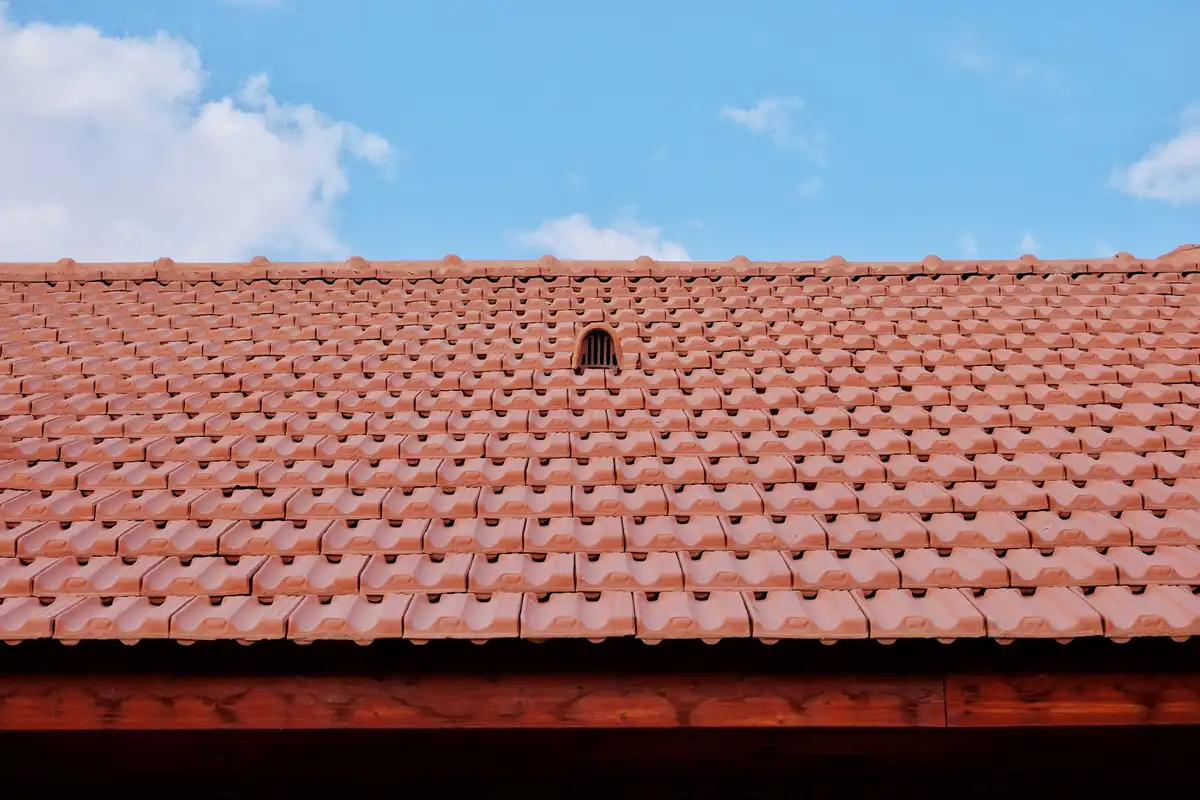
Part of the material question is what suits the house and part is what survives. Slate or a heavy architectural shingle sits right on an older home with a steep, detailed roof. Standing seam metal looks great on a modern build and looks wrong screwed onto a Victorian. It’s a huge field of color up there, so it moves how the whole place reads from the street. After that it’s cost, how long you want it to last, and what the local weather does to it. The point isn’t the most expensive thing on the shelf. It’s the right thing on the house, installed by someone who won’t botch the flashing, with a warranty that means something because the work behind it was done right.
Local matters more than people think
Roofing is a local trade, and people underrate how local. A crew that’s worked one area for years knows which decade of houses framed up which way, how a brick chimney around here usually got flashed, where the freeze-thaw and the summer storms gang up on a weak detail over a few seasons. They’ve watched it happen enough to see it coming. They also know how the town wants the permit pulled and the work inspected, which is its own thing. None of that travels from a call center three states away.
It matters most when something goes wrong. The contractor a few towns over is reachable next year. The truck with out-of-state plates that worked the street the week after the storm is not. Up in the older neighborhoods of north Jersey, an outfit like Four Seasons Roofing and Construction is the kind where whoever quoted the roof is the one standing on it, and they’re still around the next time you need them.
Comments on this guide to roof repair vs replacement – home roofing fix advice article are welcome.
Home Roofing

Roofing Posts
Connecting the Roofing and Architectural Character
++
Homes
Residential Architecture Articles
Comments / photos for the Roof repair vs replacement guide: house roofing advice page welcome.