
Design-Build Is Quietly Reshaping Contemporary Architecture Projects
3 June 2026
For decades, architecture and construction followed a familiar rhythm. Architects developed the concept, contractors priced the work later, and clients often found themselves navigating delays, budget revisions, and communication gaps that emerged between the two sides.
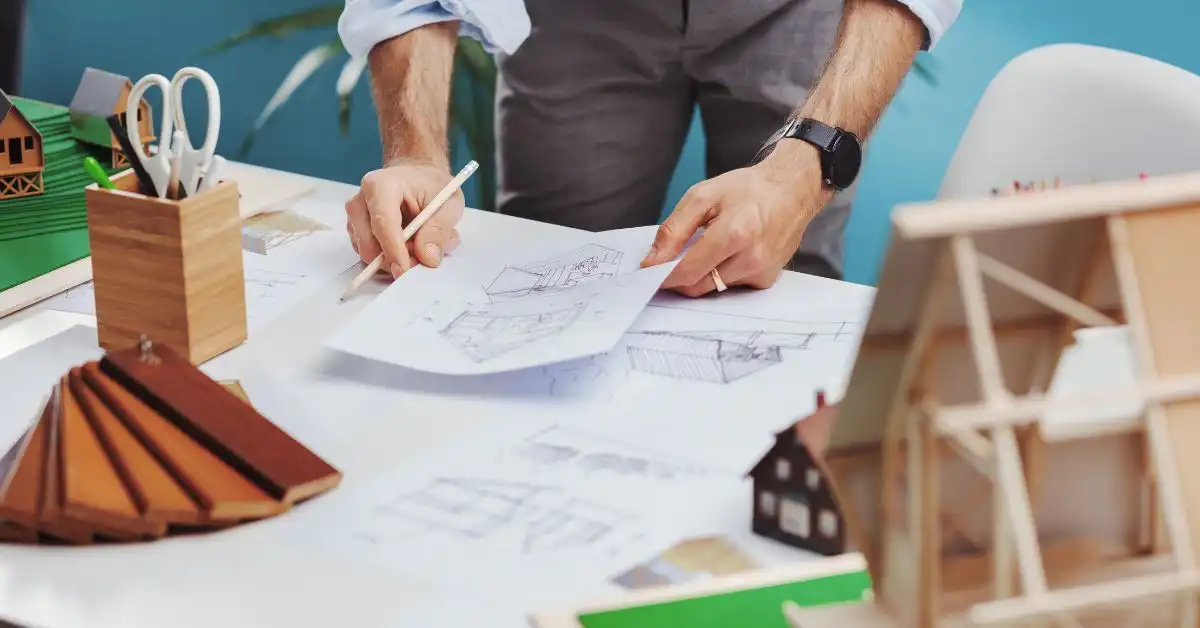
While that system still dominates much of the industry, a quieter shift has been gaining momentum in recent years.
The design-build model is changing how contemporary projects are planned, delivered, and experienced. Instead of separating design and construction into isolated stages, this approach brings both disciplines together under one collaborative structure from the beginning.
What started as an efficiency-focused alternative has evolved into something much more influential, especially as projects become more complex and client expectations continue to rise.
Across residential, commercial, and mixed-use developments, architects and builders are increasingly working in closer alignment. The result is not just faster delivery, but often smarter, more cohesive buildings.
Why Traditional Project Structures Often Create Problems
The conventional design-bid-build process can work effectively on straightforward projects, but it also creates natural friction points. Architects are typically responsible for the vision and documentation, while contractors are brought in later to price and execute the work.
That separation may seem logical on paper, yet it can introduce disconnects that only surface once construction begins.
Common challenges include:
- Budget surprisesafter design completion
- Buildability issues discovered too late
- Conflicting priorities between design intent and construction realities
- Longer timelines caused by redesigns or procurement delays
- Communication breakdowns between consultants and contractors
In many cases, none of these issues is caused by incompetence. They stem from the fact that different teams are solving problems at different stages, often without enough shared context early on.
As building projects become more technically demanding, especially those involving sustainability targets, advanced materials, or complex site conditions, that fragmented structure becomes harder to manage efficiently.
The Rise Of Integrated Thinking In Architecture
Design-build changes the conversation from the start. Instead of architects and builders operating independently, they collaborate during the earliest planning and conceptual stages.
This integrated approach allows practical construction knowledge to influence design decisions before drawings are finalised.
At the same time, design priorities remain embedded throughout the construction process rather than being diluted later by cost pressures or logistical challenges.
That shift has major implications for project outcomes.
When architects and construction teams collaborate early:
- Material choices can be evaluated against both aesthetics and availability
- Construction sequencing can shape smarter design solutions
- Budget forecasting becomes more accurate from the beginning
- Site-specific risks are identified earlier
- Clients receive clearer expectations around timelines and costs
Rather than treating construction as something that happens after design, the process becomes continuous and interconnected.
This model is particularly valuable in sectors where speed, precision, and coordination matter. High-end residential projects, urban infill developments, and architecturally ambitious commercial spaces increasingly benefit from this type of integrated workflow.
Contemporary Clients Expect More Than Design Alone
Another reason design-build continues to grow is changing client expectations.
Today’s clients are often more informed, time-conscious, and financially cautious than previous generations. They are not only looking for strong architectural ideas. They also want predictability, transparency, and smoother delivery.
For many property owners and developers, the traditional separation between design and construction feels unnecessarily complicated. Managing multiple contracts, conflicting advice, and shifting budgets can quickly become overwhelming, especially on larger projects.
Integrated project delivery simplifies that experience. Clients gain a clearer point of accountability while still benefiting from architectural creativity and technical expertise.
Importantly, this does not mean sacrificing design quality in favour of efficiency. In many cases, closer collaboration actually strengthens architectural outcomes because ideas are tested against real-world execution earlier in the process.
A well-designed building is not only visually compelling. It also functions efficiently, responds intelligently to site conditions, and performs successfully during construction. Those goals become easier to achieve when design and delivery teams operate with shared priorities.
Technology Has Accelerated The Shift
The rise of digital collaboration tools has also helped accelerate the adoption of integrated delivery models.
Building Information Modelling, cloud-based documentation systems, and real-time project management platforms allow architects, consultants, engineers, and construction teams to coordinate more effectively than ever before.
Information moves faster, revisions are tracked more accurately, and communication becomes less fragmented.
These technologies support a more fluid relationship between design and construction rather than reinforcing rigid project silos.
At the same time, sustainability expectations are pushing teams toward earlier collaboration. Energy performance targets, passive design strategies, and low-carbon material selection all require coordination between disciplines from the outset.
Sustainable architecture can no longer rely on isolated decision-making. Integrated thinking is becoming essential to meeting environmental, financial, and functional goals simultaneously.
Design-Build Is Not About Replacing Architects
One misconception surrounding design-build is that it reduces the importance of architectural leadership. In reality, the opposite can be true when the process is managed well.
Architects remain central to shaping the vision, spatial quality, and long-term functionality of a project. What changes is the level of collaboration surrounding those decisions.
Instead of working in isolation and handing off drawings later, architects gain access to construction expertise throughout the project lifecycle.
That feedback loop often improves detailing, material performance, and project efficiency without compromising design intent.
The strongest contemporary projects increasingly emerge from teams that balance creative ambition with practical coordination. Design-build simply creates a structure where that balance can happen more naturally.
The Future Of Project Delivery Is More Collaborative
Architecture is moving toward a more integrated future. As projects face tighter timelines, rising costs, sustainability pressures, and greater technical complexity, isolated workflows become harder to justify.
Design-build is not a passing trend or a marketing term. It reflects a broader industry shift toward collaboration, transparency, and shared responsibility across the building process.
For clients, that often means fewer surprises and smoother project experiences. For architects and builders, it creates opportunities to solve problems earlier and deliver stronger outcomes together.
Most importantly, it encourages a more holistic way of thinking about buildings, not as disconnected stages of work, but as unified projects shaped through continuous collaboration from concept to completion.
Comments on this Why Design-Build Is Quietly Reshaping Contemporary Architecture Projects article are welcome.
Home Improvement
Home Improvement Posts
15 easy home upgrades to boost home value
DIY Home Improvement Projects Tools
How to Remodel Your Child’s Room on a Budget
Building Articles
Residential Architecture
Comments / photos for the Why Design-Build Is Quietly Reshaping Contemporary Architecture Projects page welcome.


