
Modern-Day Architecture is Helping to Shape Virtual Experiences
2 February 2026
In the digital age we live in, architecture is no longer confined to brick, concrete, or mortar. In fact, architectural foundations, including spatial design, user flow, and accessibility, are also being applied to virtual environments, transforming how we interact with online worlds as well as creating experiences that mirror the real thing.
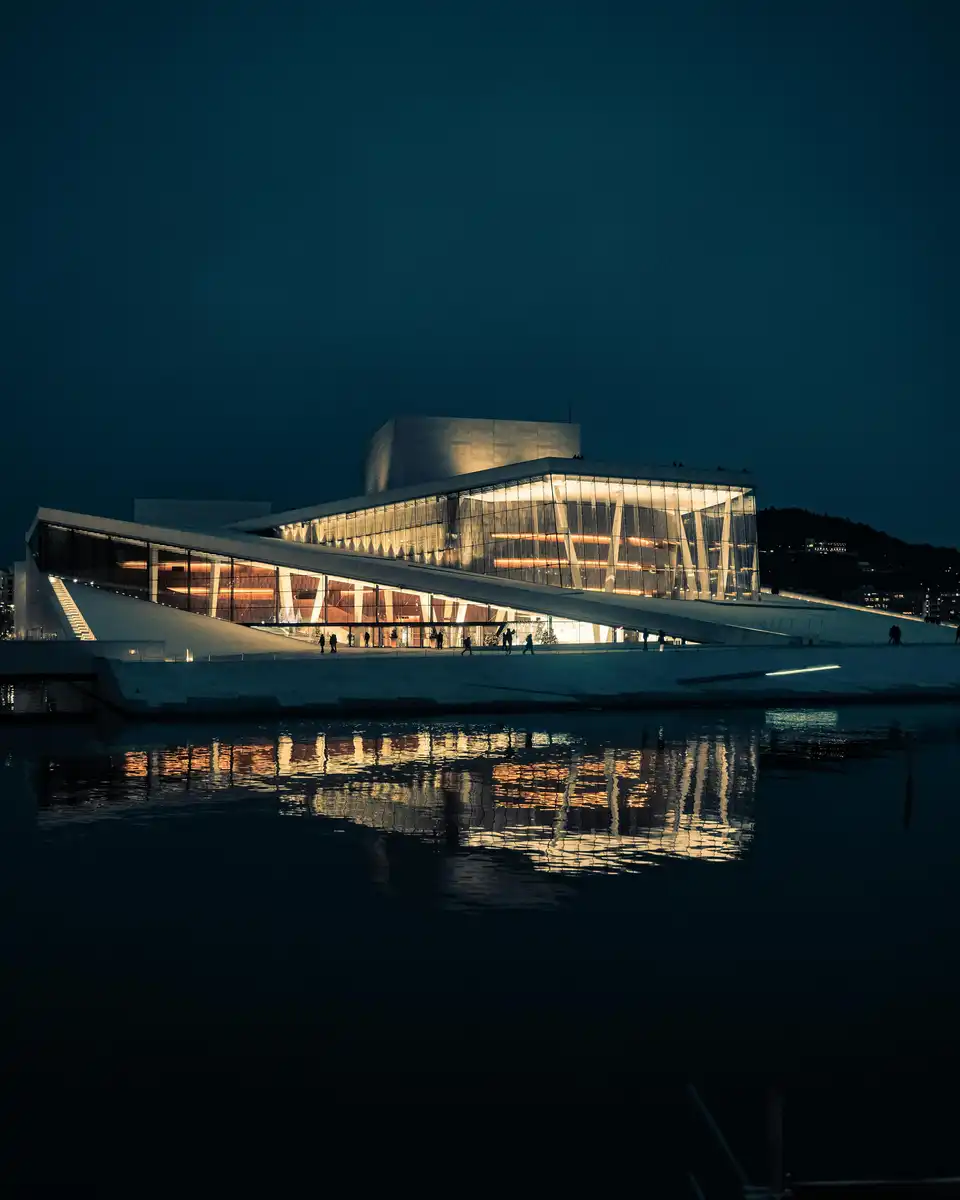
image source : pexels.com
Transforming Physical Principles into Digital Experiences
Physical principles have been applied to virtual environments for quite some time. Virtual store walkthroughs still take into account physical architecture to create an environment that has plenty of natural light and features reminiscent of physical locations. VR art galleries are also common, with a design that mirrors the natural architecture often seen in such spaces.
This concept can also be applied to smaller examples and micro-architecture. Take a pinball machine, for example, the design of them allows force, spatial design, and gravity to work with each other, with material choice having a huge impact on the final outcome. When you compare this to digital pinball promotions that make getting free daily spins more engaging by incorporating a pinball machine aesthetic, it’s clear to see how the design is influenced by the material choice, layout, spatial constraints, and flow of a real-life machine.
This is especially important as different materials have a different impact on how the ball moves through space, and even though these confines don’t exist in the digital world, replicating them helps to make the whole thing more immersive. As material choice and physics are huge considerations for architects, it’s not hard to see how modern-day architecture is shaping virtual experiences across numerous verticals.

photo source : pexels.com
Architectural Logic can be Applied to AR and VR Experiences
Retailers can now create virtual stores that allow people to explore lifelike spaces that mirror those of real shops, but with an edge.
Digital layouts like this take a lot of inspiration from architectural principles, including optimising engagement, guiding movement, and creating logical choices about the next place to go. Translating architectural principles into more digital experiences involves going far beyond recreating the space as well. By using spatial relationships, it becomes possible to guide attention and create intuitive pathways for people to navigate.
Someone may need guidance through a lobby to a lift in the real world, and architectural choices can certainly facilitate this. At the same time, if that experience was to be created digitally, careful planning would still be required, as digital architecture helps to shape how people navigate spaces and how realistic it feels.
With VR and AR allowing for such creativity, it’s safer to say that the world of architecture has so much to offer the digital world, but at the same time, the digital world has to offer a lot to modern-day architects as well. Experimenting with concepts like gravity, physics, and light helps architects to envision a project before it even starts, but at the same time, paves the way for virtual experiences that rely on the same elements. As time goes on, we can expect to see more complex architectural builds, as well as virtual worlds that look and feel like the real thing.
Comments on this guide to Modern-day architecture shapes virtual experiences article are welcome.
Home Floor Plan
House Floor Plans and Designs

++
Home Articles
Architecture
Regeneration city design planning
Comments / photos for the Modern-Day Architecture is Helping to Shape Virtual Experiences page welcome.


