Why Construction Fabric Is Changing the Way We Build
9 March 2026
The construction industry has always relied on heavy, bulky materials to protect job sites from the elements.
But a quiet revolution is underway as project managers and contractors discover that smarter, lighter, and safer textile solutions can do the job better while leaving a smaller environmental footprint.
The Problem With Traditional Construction Materials
For decades, PVC-coated fabrics and cheap polyethylene sheeting have been the go-to choices on construction sites. These materials seem affordable at first glance, but their hidden costs tell a very different story.
PVC, also known as vinyl, contains toxic plasticizers that leach into the environment throughout the product’s lifespan.
These chemicals pose health risks to workers who handle them daily and contribute to long-term contamination of soil and water near construction sites.
Woven polyethylene films are another common sight on job sites, typically showing up as those familiar blue tarps.
The problem is that they shred easily in the wind and sunlight, generating microplastic pollution that enters waterways and ecosystems.
Replacing these materials every few weeks or months adds up fast. The cycle of buying, using, and discarding low-quality coverings is both wasteful and expensive for construction firms trying to stay on budget.
What Makes Modern Construction Fabric Different

Today’s advanced construction fabric is engineered from coated polypropylene rather than PVC or standard polyethylene.
This shift in base material brings a cascade of performance and safety benefits that traditional options simply cannot match.
Polypropylene-based construction textiles are 30 to 40 percent lighter than their PVC-coated counterparts without any loss in tensile strength.
That weight reduction translates directly into lower shipping costs, easier handling on the job site, and reduced physical strain on workers during installation.
Unlike vinyl alternatives, these newer fabrics are completely free of PFAS, phthalates, lead, and volatile organic compounds. Workers can cut, sew, and install them without breathing in harmful fumes, which is a significant improvement over traditional PVC fabrication processes.
Fire retardancy is built into the material rather than being a temporary surface treatment that wears off.
Products meeting NFPA-701 standards and California State Fire Marshal Title 19 requirements give project managers confidence that their protective barriers will perform when it matters most.
Key Applications on the Job Site
Construction fabric serves a wide range of purposes across residential, commercial, and infrastructure projects. Understanding these applications helps contractors choose the right material for each task.
Temporary enclosures and dust barriers are among the most common uses. During renovation and demolition work, fabric barriers contain debris and airborne particles, protecting both workers and neighboring properties from contamination.
Weatherproofing during roofing and exterior work is another critical application. A durable, waterproof fabric can shield exposed structures from rain, snow, and wind damage while crews complete their tasks at their own pace.
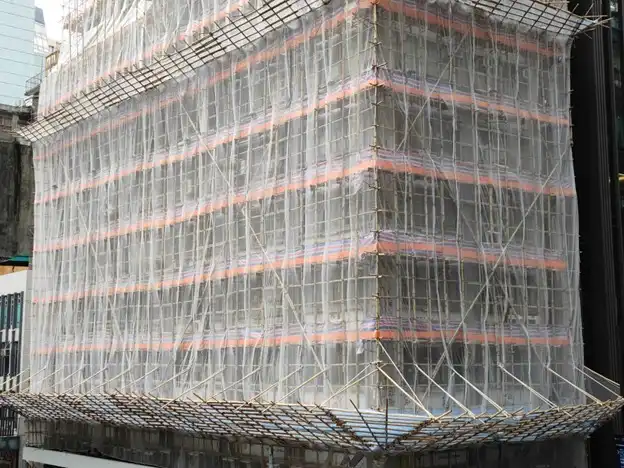
Scaffolding wraps made from high-performance construction textiles protect workers at height from wind exposure.
They also serve a public safety function by catching falling tools or debris before they reach pedestrians below.
Ground-level containment is essential for projects involving hazardous materials or environmental remediation.
Fabric barriers and liners prevent contaminants from spreading beyond the designated work area, helping firms stay compliant with environmental regulations.
Concrete curing blankets represent a specialized use case where fabric technology truly shines. The right textile can maintain consistent moisture and temperature levels during the curing process, resulting in stronger and more durable finished concrete.
The Sustainability Advantage
Construction is one of the largest waste-producing industries on the planet. Choosing materials that last longer and can be recycled at the end of life is one of the most impactful decisions a project manager can make.
Advanced polypropylene construction fabrics typically last two to three times longer than standard polyethylene films.
Over eight years, this extended lifespan means significantly less total plastic consumed and a carbon footprint that is 30 to 49 percent lower than conventional alternatives.
Because these fabrics are made from a single polymer family, they can be recycled through established channels at the end of their useful life.
Some manufacturers even operate take-back programs that turn old fabric into new products, creating a truly circular material flow.
The construction industry is also facing increasing regulatory pressure around toxic chemicals. States like California and Colorado have enacted strict limits on PFAS and other harmful substances, making it essential for contractors to source compliant materials now rather than scrambling to adapt later.
Green building certifications such as LEED increasingly reward the use of non-toxic, low-carbon materials.
Specifying sustainable construction fabric can contribute points toward certification and help firms win contracts where environmental performance is a deciding factor.
This shift toward greener material choices is part of a broader movement across the sector. As more companies adopt sustainable practices in the construction industry, the pressure on lagging firms to follow suit will only intensify.
Performance That Stands Up to Real Conditions
A construction site is one of the harshest environments any material can face. Between heavy equipment, extreme weather, and constant handling, fabrics need to perform under relentless stress.
UV resistance is critical for any material that will spend weeks or months exposed to direct sunlight.
High-quality polypropylene fabrics are engineered with UV stabilizers that prevent cracking, fading, and degradation even after prolonged outdoor exposure.
Cold-weather flexibility is another area where modern construction textiles outperform traditional options.
While PVC becomes stiff and brittle in freezing temperatures, polypropylene-based fabrics maintain their elasticity and strength even at minus 40 degrees.
Chemical resistance matters more than many contractors realize. Construction sites routinely expose materials to fuel spills, cleaning agents, concrete slurry, and other corrosive substances that would degrade lesser fabrics in short order.
Waterproofing is non-negotiable for protective applications. The best construction fabrics provide a completely impermeable barrier that resists mold, mildew, and water saturation without developing weak spots over time.
Choosing the Right Fabric for Your Project
Not every construction application requires the same level of performance. Understanding the range of available options helps you match the right product to the right task without overspending.
Lightweight options in the 200 to 270 grams-per-square-meter range work well for general-purpose barriers and temporary coverings.
These are ideal for short-term applications where easy handling and quick deployment are priorities.
Mid-weight fabrics around 320 to 370 grams per square meter provide the durability needed for heavy-use tarps, containment barriers, and longer-term installations.
Embossed versions add slip resistance for walking surfaces and curtain wall applications.
The heaviest duty options, rated above 400 grams per square meter, are built for extreme conditions.
These are the fabrics you choose when covering expensive equipment, lining hazardous containment areas, or protecting critical infrastructure over extended periods.
Translucent fabric options offer a unique advantage for applications where natural light transmission is beneficial.
They allow filtered daylight into enclosed work areas while still providing weather protection and dust containment.
Looking Ahead
The construction industry is at a turning point when it comes to material choices. Regulatory changes, sustainability goals, and simple economic logic are all pushing contractors toward smarter, safer, and longer-lasting fabric solutions.
The days of treating tarps and barriers as disposable commodities are numbered. Forward-thinking firms are already discovering that investing in high-performance construction fabric pays dividends in reduced replacement costs, improved worker safety, and stronger environmental credentials.
Making the switch does not require a complete overhaul of existing processes. Modern construction textiles are designed to work within current fabrication systems, meaning your crews can adopt them without learning new techniques or investing in specialized equipment.
The choice is becoming clearer with every passing season. Better materials exist; they perform exceptionally well under real-world conditions, and they align with the direction that regulations and client expectations are heading.
Comments on this guide to Construction fabric changes how we build article are welcome.
Building Construction
Building Construction Posts

Building Construction Design Guide
Planning decisions shape the long-term success of construction
Hiring a professional concrete contractor for construction
++
Architecture Designs
Home Designs
Comments / photos for the Construction fabric changes how we build page welcome