Construction Accidents and Concussion Injuries
July 24, 2026
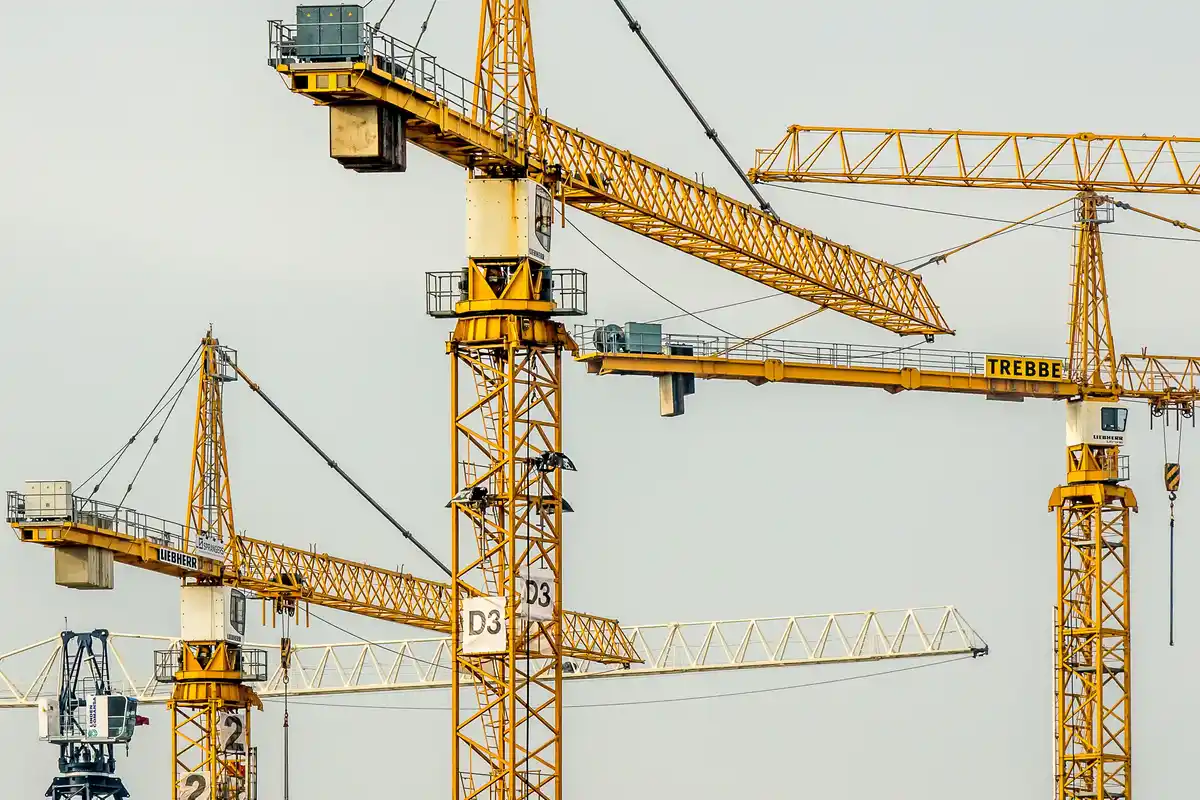
The United States was recognized as one of the countries with the highest rates of fatal accidents in the workplace for people working as construction workers. Among the 5,070 recorded cases of workplace fatalities nationwide in 2024, the construction industry contributes significantly. The leading causes of these numbers were falls, forced collisions, the state of machinery, and other hazards on the construction site. Head injuries are a key part of that risk picture.
An estimated 2,210 construction workers are reported to have died from brain injury-related causes between 2003 and 2010. These fatalities represent 25% of all construction deaths for the entirety of 2003-2010, according to reports from the Center for Construction Research and Training. Data shows that between the years 2015 and 2022, there were about 2,297 intracranial deaths in the construction industry.
The link between concussions and construction workers is directly proportional. Concussion is a common accidental injury sustained in construction environments. This injury is classified as a mild traumatic brain injury, but being called ‘mild’ does not really mean that its consequences should be easily dismissed. Relief might take long and even last up to several months.
Cognitive problems can interfere with a worker’s ability to come back to physically demanding, or even safety-critical, roles. Aside from these physical issues, the legal and financial fallout from a concussion suffered on a job site can be significant. A lot of that fallout comes back to the very first step that workers mishandle, which is reporting the injury and doing that promptly.
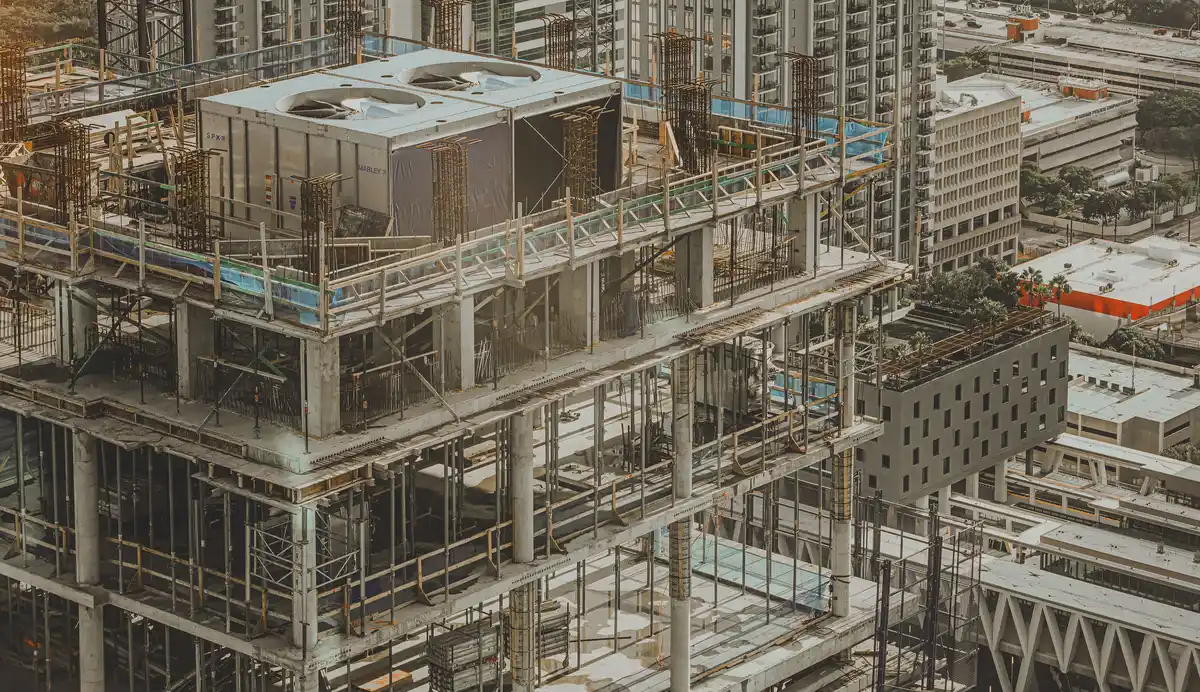
How Construction Workers Sustain Concussions
When it comes to head injuries, the most vulnerable groups are the construction workers, according to the CDC. The hazards that produce concussions on job sites are consistent and well-documented.
Falls from heights are the leading factor behind concussions. Workers on scaffolding, roofs and ladders face sudden and severe impact to the head when fall protection fails or is absent. Falls from the same level can occur when slick surfaces and lumpy flooring exist. Leftover debris on the walkways can also lead to head injuries when workers hit a firm surface. Struck-by incidents, where a falling tool, pipe, lumber, or some piece of equipment bumps the skull, take up another large share of construction TBIs. Heavy machinery and vehicle contact round things can sometimes lead to head injuries, especially on active sites where people and equipment share tight quarters and common paths.
Construction concussions differ from those in other settings mainly in their severity distribution. The height differentials, the weight of objects involved, and the speed of equipment on job sites mean that what begins as a single impact can involve forces well beyond what causes a concussion. For example, someone struck by a falling tool from three stories above does not experience the same injuries as someone who collides with another player on a playing field.
According to the website of Bliven Law Firm, P.C., it can be important to seek assistance from a construction accident attorney who understands the intricacies of these accidents.
Concussion Symptoms That Construction Workers Underreport
On construction sites, workers often shrug off or postpone concussion symptoms. Part of the reason why workers often don’t report a concussion is that they decide to keep working. Another reason can be attributed to the injury’s subtle initial symptoms, making the worker believe that he or she did not sustain anything serious. Many workers, and even coworkers, will often label headache and dizziness as heat stress, tiredness, or dehydration instead of early signs of a head trauma.
The CDC’s TBI workplace guidance mentions that symptoms might show up as trouble with thinking, concentrating, reaction time, and emotional regulation and also something like unusual fatigue. These cognitive effects are particularly dangerous on a construction site, where lapses in attention and slowed reaction time directly increase the risk of a second injury. Someone who is not yet symptomatic and returns to work the same day of a head impact may not recognize that their judgment and reaction speed are compromised.
Delayed-onset symptoms are common with concussions. It is not unusual for a worker to feel functional on the day of the accident and to develop worsening headaches, memory problems and light sensitivity over the following 24 to 72 hours. Post-concussion syndrome, a condition in which symptoms persist for months or longer, affects a substantial percentage of those who sustain head injuries and can make returning to construction work physically impossible for extended periods.
Workers’ Compensation vs. Third-Party Claims
Most construction workers who sustain a concussion on the job are entitled to workers’ compensation benefits. Workers’ comp is a no-fault system. The injured worker does not have to prove employer negligence to qualify. Benefits typically cover medical expenses. Workers who miss more than seven days of work may receive wage loss benefits, commonly calculated at two-thirds of their average pre-injury wage, as detailed by Justia’s third-party liability analysis. Permanent disability may also apply when a head injury results in lasting cognitive or physical limitations.
Workers’ compensation has one major limitation. It does not compensate for pain and suffering. For a construction worker whose concussion produces months of cognitive impairment, inability to perform skilled work, strained relationships and psychological distress, workers’ comp benefits alone often fall well short of the actual harm suffered.
That gap is where third-party claims start to matter. Construction sites are multi-employer environments. General contractors control the overall site. Subcontractors perform specific trades. Equipment manufacturers supply machinery. Property owners maintain site conditions. When any one of these parties, other than the direct employer, contributed to the conditions that caused the concussion, the injured worker may be able to file a personal injury lawsuit against that party in addition to collecting workers’ compensation.

When Third-Party Liability Applies on a Construction Site
Third-party liability claims arise in several recurring patterns on construction sites. Subcontractors who leave tools unsecured at height create a struck-by hazard for workers from another employer’s crew, which makes them a third-party defendant. Manufacturers of scaffolding that is defective and fails during normal use face the same kind of liability exposure. Property owners who knew there was a risky subsurface condition but didn’t say anything can be liable for any injuries that result. As CPWR’s head protection guidance points out, the multiparty character of construction work builds a layered accountability.
When a worker is injured, they may pursue both workers’ compensation and a third-party lawsuit simultaneously. To stop a double recovery of the same economic losses, the workers’ compensation insurer usually puts a lien on any third-party settlement amount so it gets reimbursed for medical costs and wage benefits first before the injured worker receives what is left. Even after satisfying that lien, third-party settlements in concussion cases involving post-concussion or permanent cognitive effects frequently exceed what workers’ compensation would provide on its own.
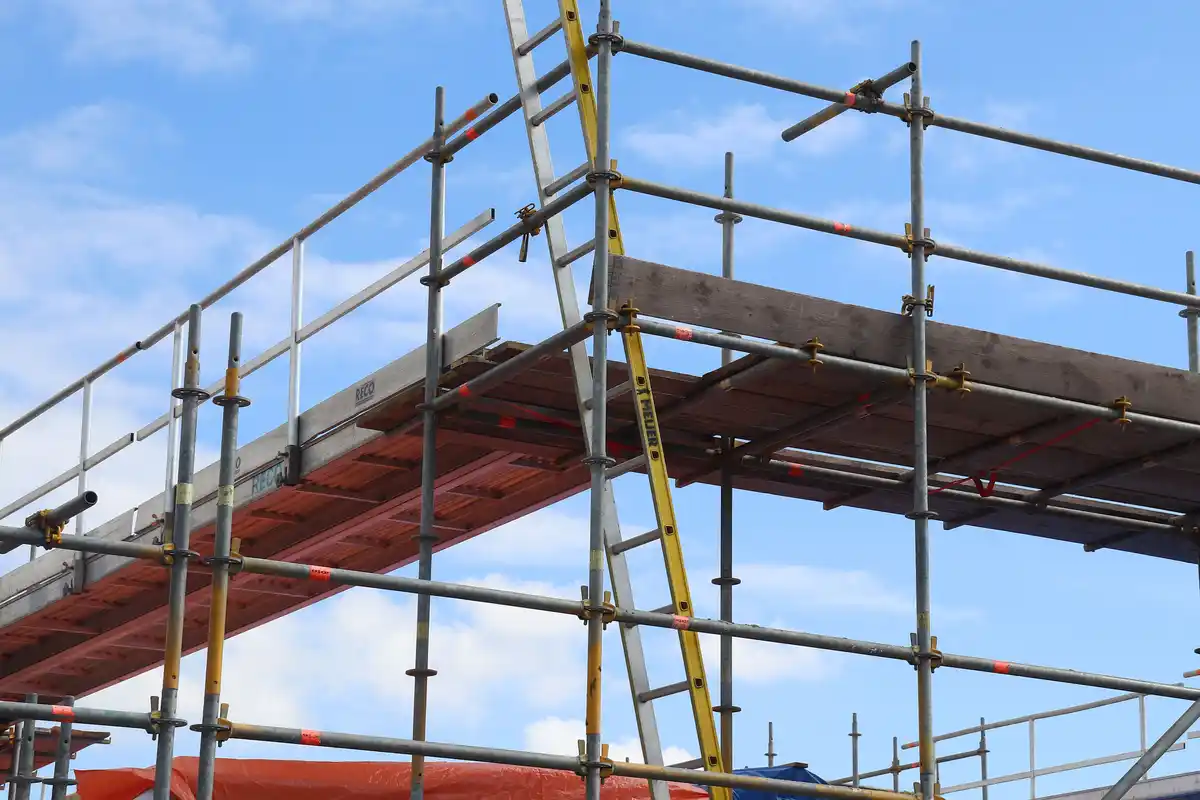
Steps That Protect a Construction Concussion Claim
The actions taken in the hours and days immediately after a head injury on a job site determine how viable the legal and medical claims will be. Evidence disappears quickly on active construction sites. Crews move quickly to mend or swap equipment, clear up the surfaces, and reassign the workers who witnessed an incident to other projects or maybe different jobs.
A construction concussion claim, regardless of how serious or minor the injuries may seem, is material to every work-related injury. The state mostly has a limit requiring that work-related injuries be reported by the employee to the employer within the maximum of thirty days and any delayed reporting will likely give insurers an opportunity to argue against the injury taking place in the course of work. Seeking medical evaluation the same day establishes a medical record that timestamps the injury and documents its initial presentation.
If any issues appear or worsen in the coming days, the existing medical records for those days of visitation can be used to establish a link between the deteriorating symptoms and the original incident. Pictures of the incident’s location, the probable cause, and any resultant bodily harm may be useful in maintaining proof that counts if someone denies responsibility. Furthermore, other external evidence, such as the names and phone numbers of people at the scene, would also be appreciated. In civil litigation, you can also discover OSHA violation records from the site, which can serve as powerful evidence of employer or contractor negligence.
Sustaining a concussion on a construction site is not simply a medical event. It is a legal event that triggers rights and deadlines from the moment it occurs.
When a concussion results from a fall, a struck-by incident or equipment failure on a job site, the facts of that specific site, that specific day and what each party controlling those conditions did or failed to do determine who bears legal responsibility. Identifying all potentially liable parties and preserving the evidence needed to hold them accountable requires action that cannot be deferred.
Comments on this guide to Construction accidents and concussion injuries article are welcome.
Law Courts Buildings
Law Courts Building Articles
++
Accident Lawyers
Best construction accident attorneys in Chicago, Illinois
Construction site injury legal protection
Best construction accident attorneys in Illinois
Real estate attorney for buying or selling properties
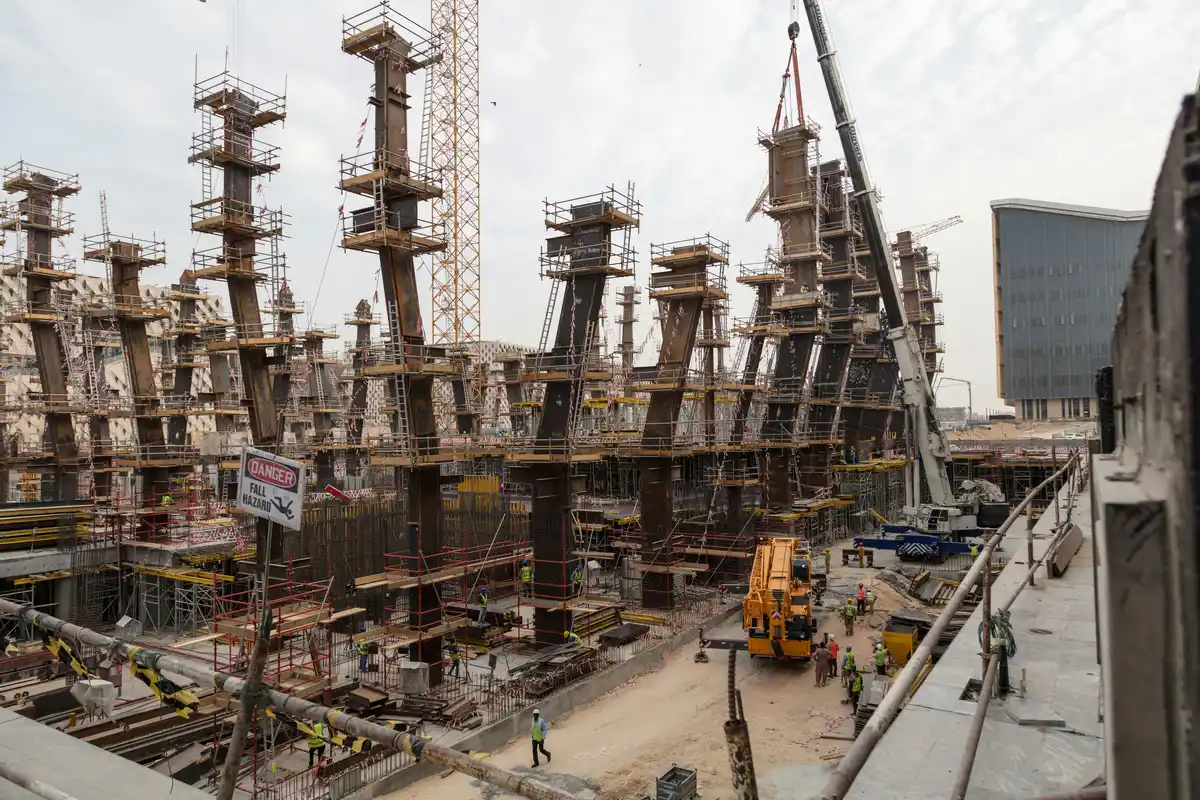
Comments / photos for the Construction accidents and concussion injuries advice guide – USA lawyers firms page welcome