Sustainable Affordable Housing Prototype with Shared Kitchens in Denver
25 June 2026
Xiaochi Chen, Ming Chen, and Ying Chen Design a Sustainable Affordable Housing Prototype with Shared Kitchens in Denver
Located on a narrow infill site in Denver’s Capitol Hill neighbourhood, HvH: Home of Vertical-Horizontal Connection is an affordable housing proposal that rethinks domestic life through shared infrastructure. Responding to the city’s growing housing demand, dry climate, strong sunlight, and need for more sustainable urban living, the project explores a compact single-stair housing prototype for families, young residents, and mixed urban households. Positioned near downtown, public transit, schools, parks, and cultural institutions, HvH proposes an affordable housing model that combines spatial efficiency, environmental performance, and collective living.
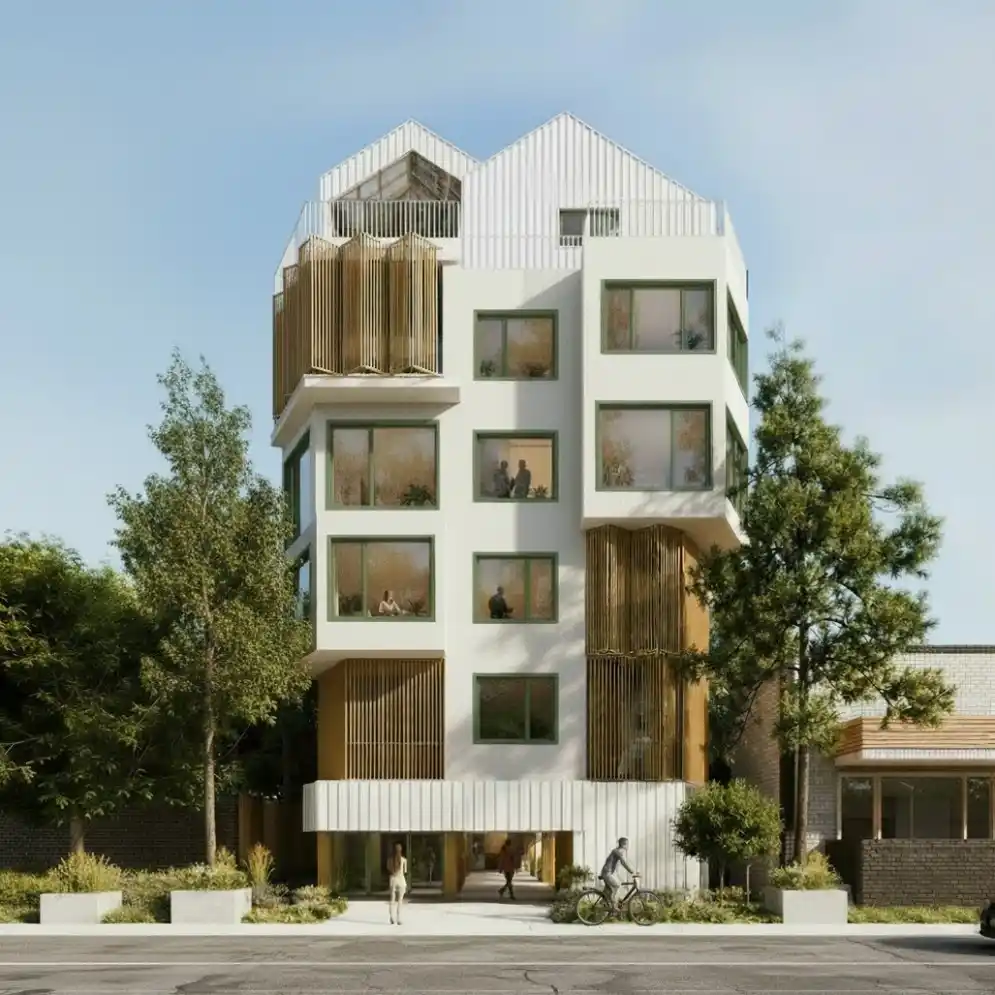
Figure 1 Street view (Image by the Project Team)
One of the key concepts of the project is an almost kitchenless housing model. Rather than eliminating the kitchen entirely, each unit retains essential storage, preparation, and cleaning functions, while larger-scale cooking, dining, and social activities are relocated to shared kitchens on the roof. This redistribution reduces redundant appliances and service infrastructure, saves energy, and allows domestic life to expand beyond the private unit into collective spaces.
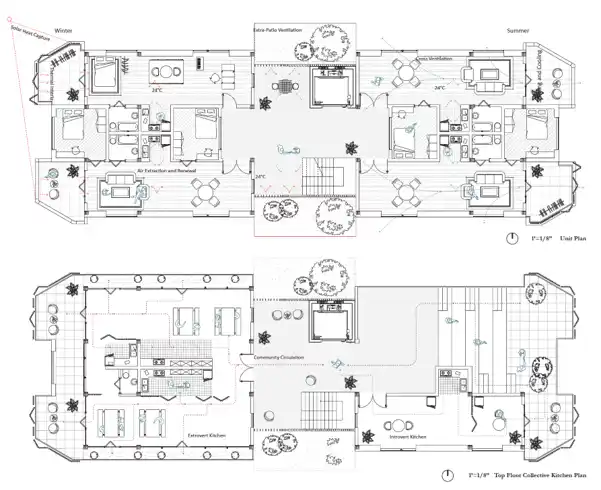
Figure 2 Typical units floor plan and roof shared community area floor plan (Image by the Project Team)
The idea of vertical-horizontal connection operates at multiple scales. Horizontally, shared kitchens, lounges, gardens, and activity spaces create opportunities for daily interaction on each level. Vertically, these communal programs are linked through the section of the building, connecting the ground floor, residential floors, and rooftop into a continuous social network. HvH therefore describes not only a building form, but also a way of living based on exchange, shared use, and collective support.
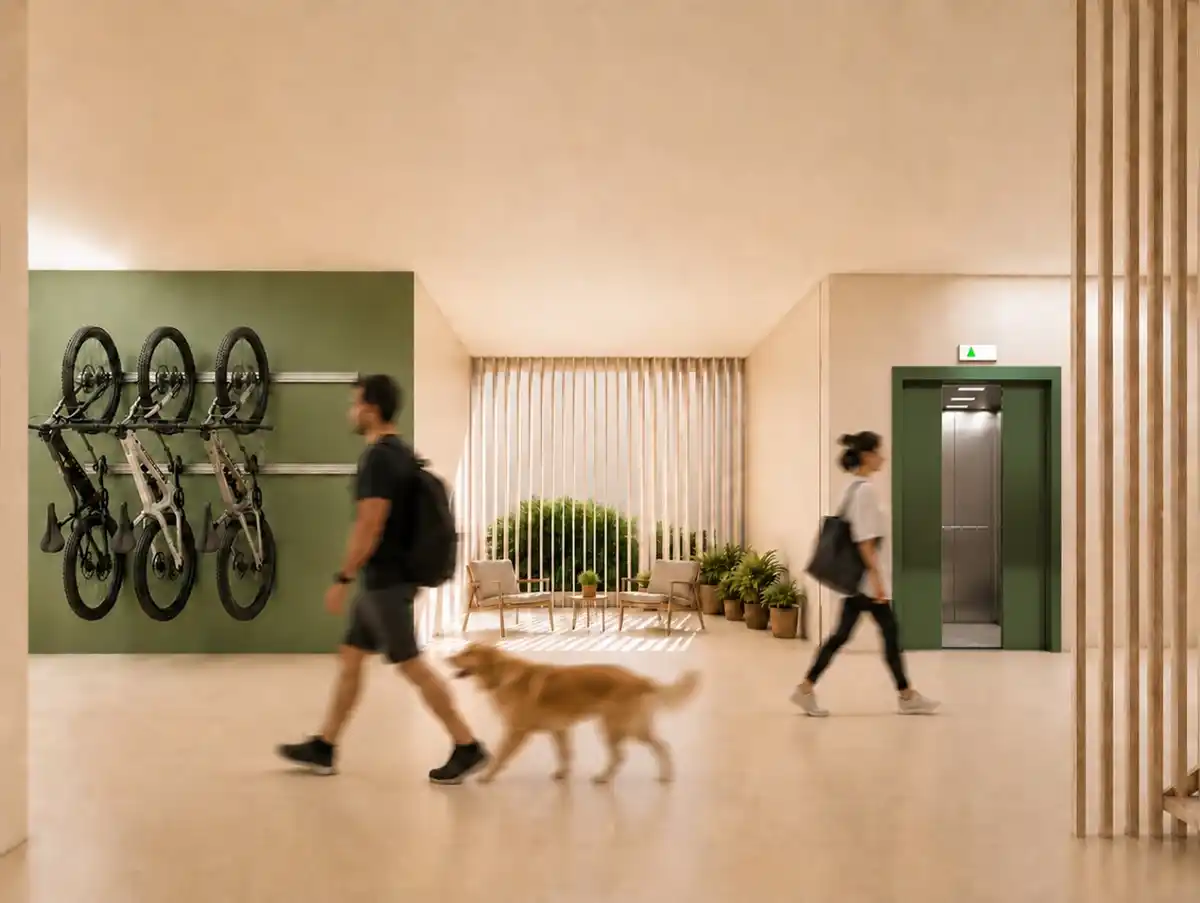
Figure 3 Shared ground floor community space (Image by the Project Team)
The ground floor functions as the public and community layer of the building, incorporating gardens, shared amenities, and bicycle access. The rooftop forms the main social anchor, bringing together collective kitchens, roof farming, and outdoor gathering areas. Between these two levels, the single stair becomes more than an egress element: it acts as a vertical connector that links everyday living with shared domestic infrastructure.
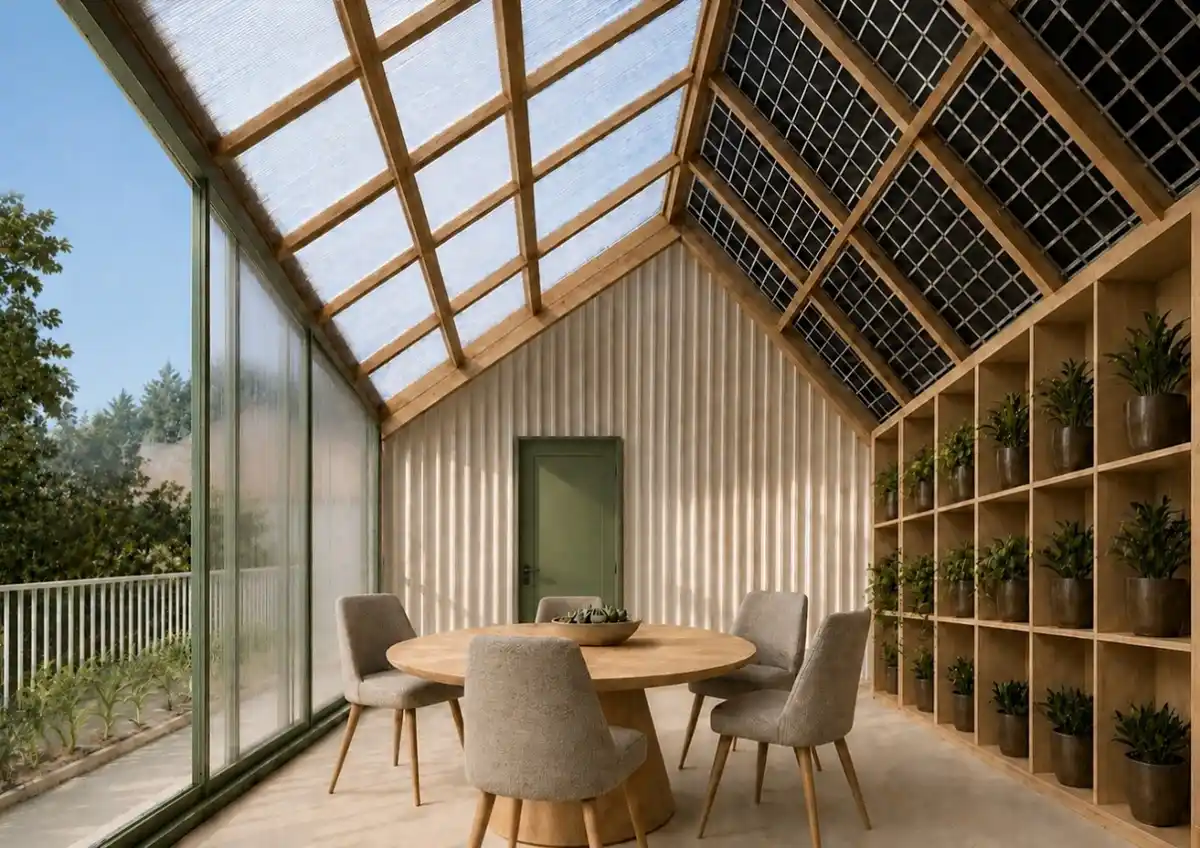
Figure 4 Roof shared community area (Image by the Project Team)
On the rooftop, the collective kitchens are organised into introverted and extroverted zones. The introverted kitchen provides a quieter and more enclosed setting for smaller groups, family use, or residents who prefer privacy. The extroverted kitchen opens toward larger gatherings, cultural exchange, and community events. Together with roof farming and outdoor seating, the rooftop becomes a shared domestic landscape where cooking, meeting, resting, and growing food can take place side by side.
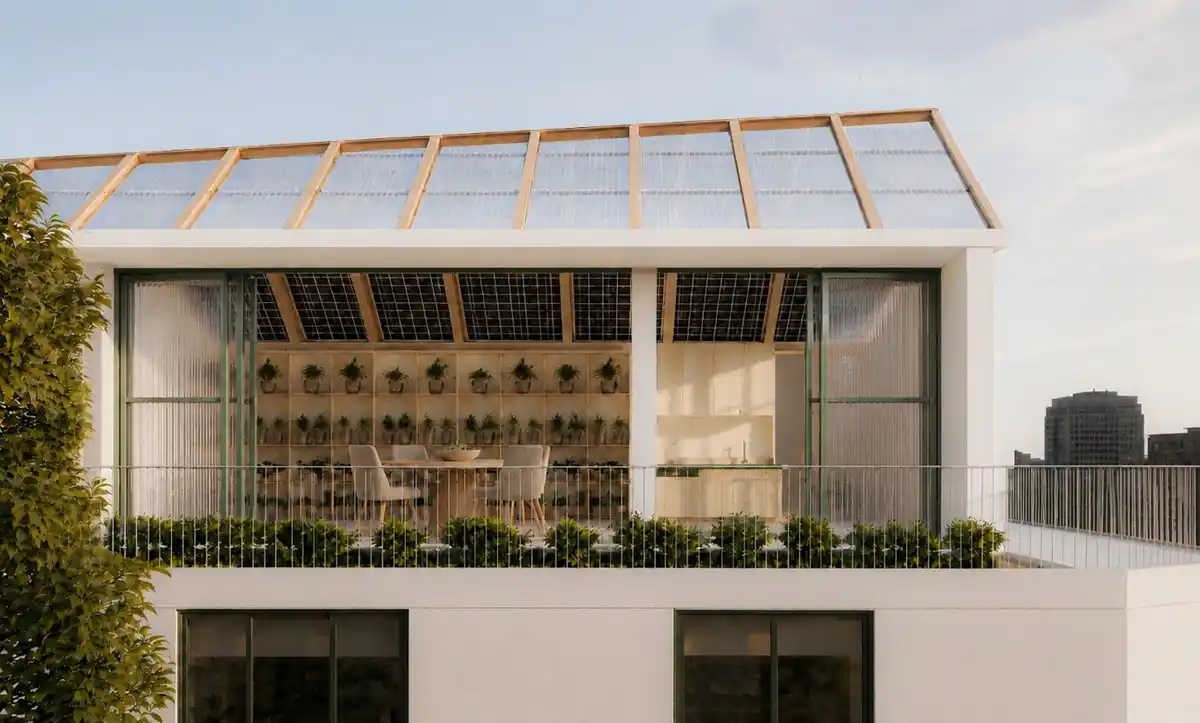
Figure 5 Roof shared community kitchen and roof farm (Image by the Project Team)
The building’s compact single-stair layout reduces circulation area and increases the amount of usable residential and communal space. In many conventional apartment buildings, long corridors and duplicated egress systems consume significant floor area, often limiting access to daylight, ventilation, and views. In HvH, a more compact core allows additional space to be dedicated to diverse unit types, gardens, and shared amenities. Circulation is therefore treated not only as a functional requirement, but as part of the building’s social structure.
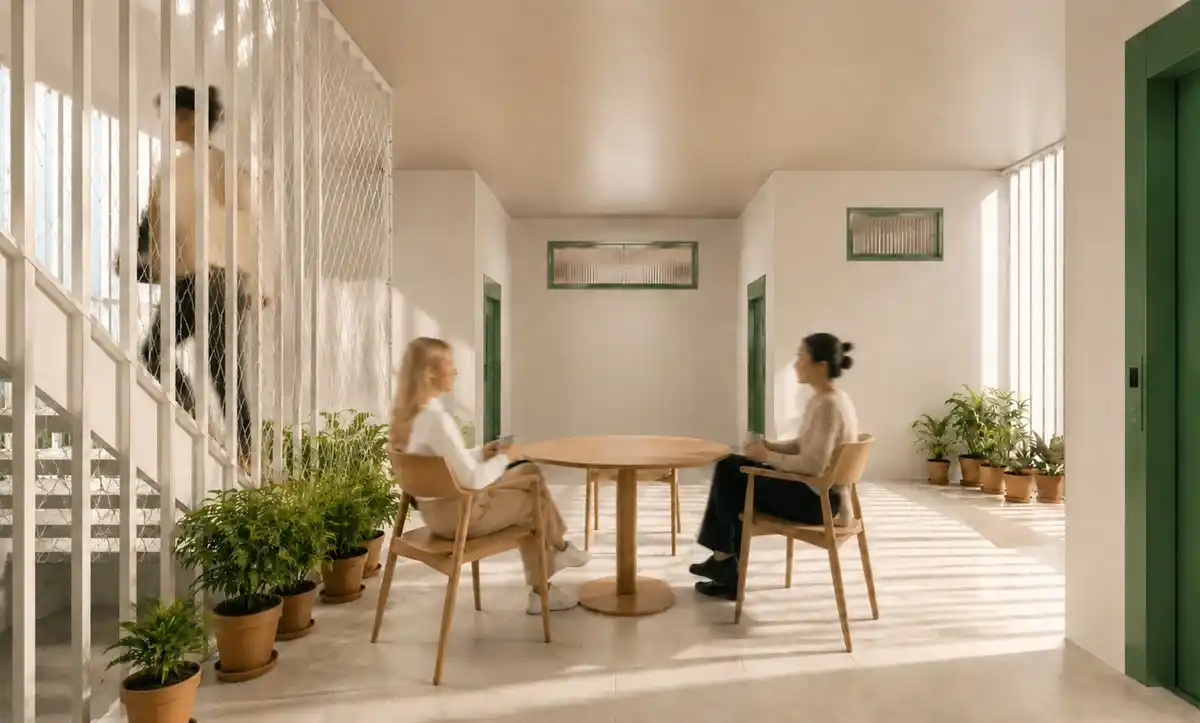
Figure 6 Vertical shared community space (Image by the Project Team)
By minimising kitchen space within each unit, more interior area can be allocated to living, sleeping, and working. This strategy improves the quality of compact apartments without increasing their footprint, allowing residents to occupy spaces that are more adaptable and less burdened by duplicated technical functions. In HvH, efficiency is achieved not through reduction alone, but through the careful redistribution of domestic priorities.
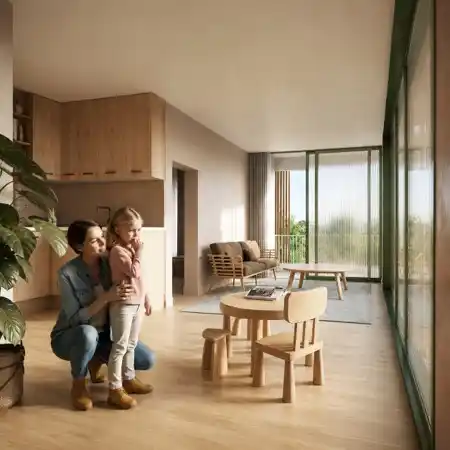
Figure 7 Typical living unit (Image by the Project Team)
HvH also demonstrates a strong concern for environmental performance, aligning with Denver’s Climate Action goals for 2030. Rooftop solar panels, rainwater harvesting, greywater reuse, passive ventilation, solar shading, and roof farming are integrated as part of a resource-conscious system responding to Denver’s climate. The concentration of kitchen infrastructure further reduces material use and service duplication, supporting a more efficient relationship between architecture, energy, and everyday life.
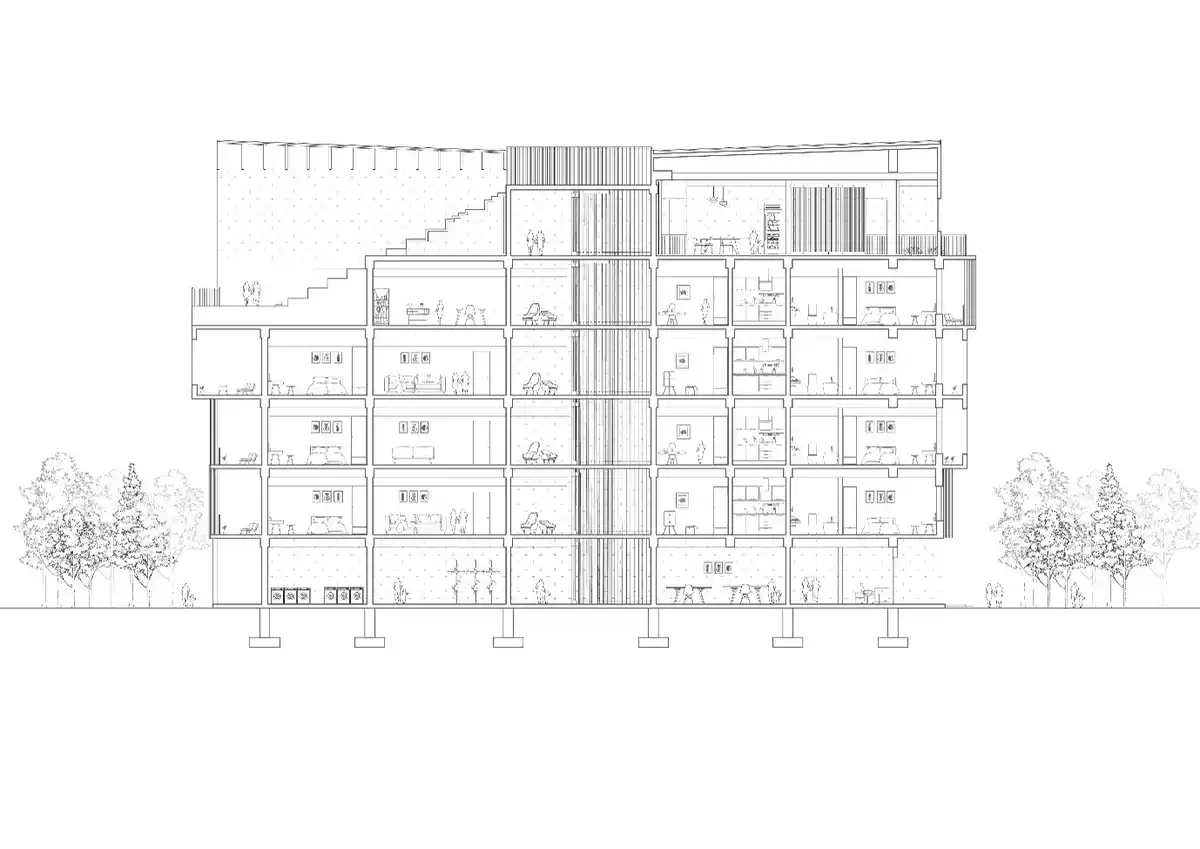
Figure 8 HvH Section (Image by the Project Team)
The project is designed as a mass timber building with CLT floor slabs and prefabricated components. This construction logic supports efficient assembly, reduced waste, and lower embodied carbon when compared to more conventional systems. The use of timber also contributes to the interior atmosphere, bringing warmth and tactility to a housing model centred on collective living.
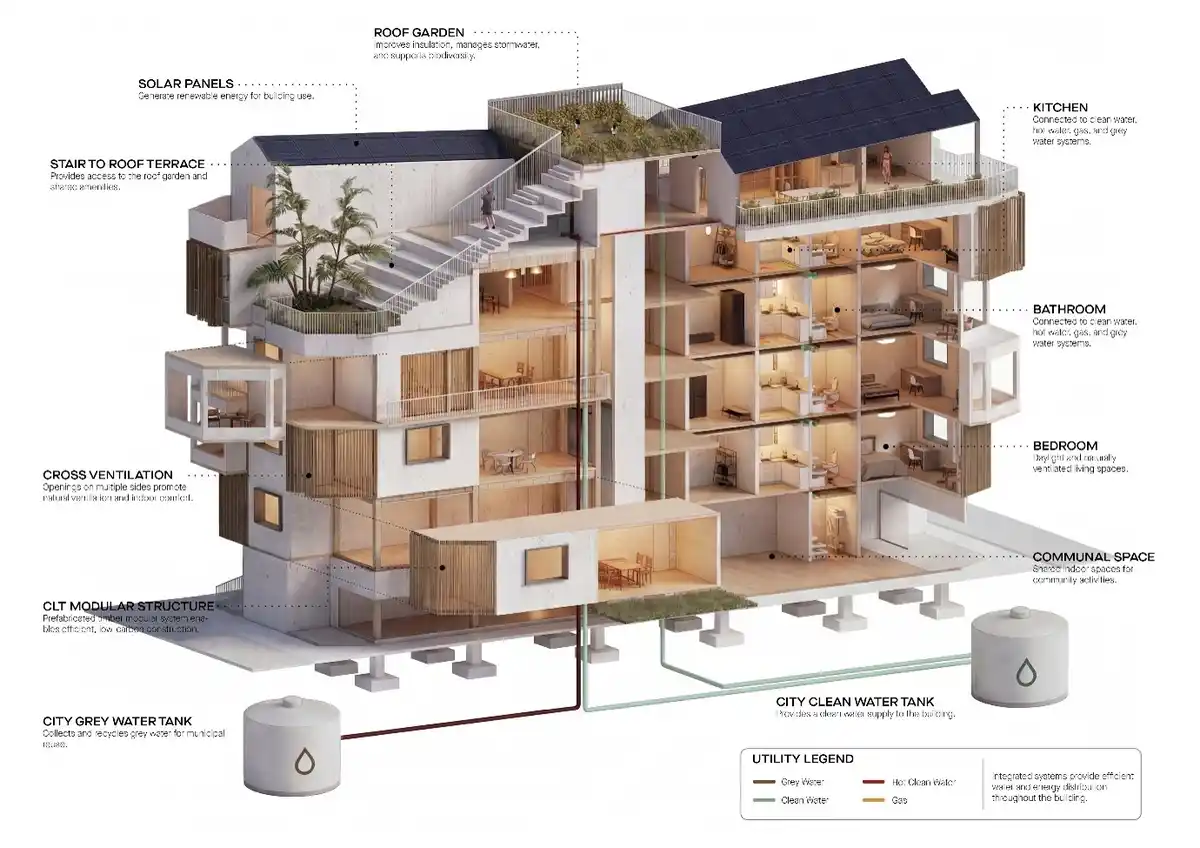
Figure 9 Sustainable strategies – solar, water, ventilation and material utilization (Image by the Project Team)
HvH proposes housing as a connected framework rather than a collection of isolated domestic units. By integrating an almost kitchenless model, shared rooftop infrastructure, single-stair circulation, mass timber construction, environmental performance strategies, and layered communal spaces, the project offers an alternative affordable housing prototype where efficiency, sociability, and environmental awareness are combined within a cohesive living system.
Project Name: HvH: Home of Vertical-Horizontal Connection
Project Type: Affordable Housing
Location: Denver, Colorado, USA
Year: 2025 (unbuilt)
Building Size: Approx. 18,000-20,000 sq ft GFA
Storeys: 6
Project Team: Xiaochi Chen, Ming Chen, Ying Chen
Comments on this guide to Sustainable affordable housing prototype with shared kitchens article are welcome.
Building Construction
Building Construction Posts
Building Construction Design Guide
Planning decisions shape the long-term success of construction
Hiring a professional concrete contractor for construction

++
Architecture Designs
Home Designs
Comments / photos for the Sustainable affordable housing prototype with shared kitchens page welcome